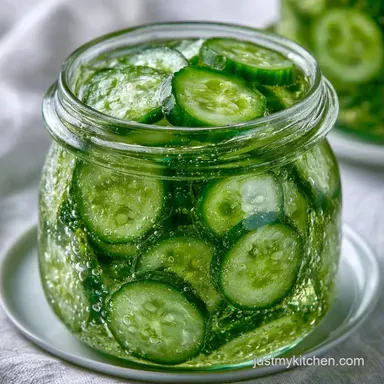
White Vinegar Pickle Brine: Crisp and Tangy
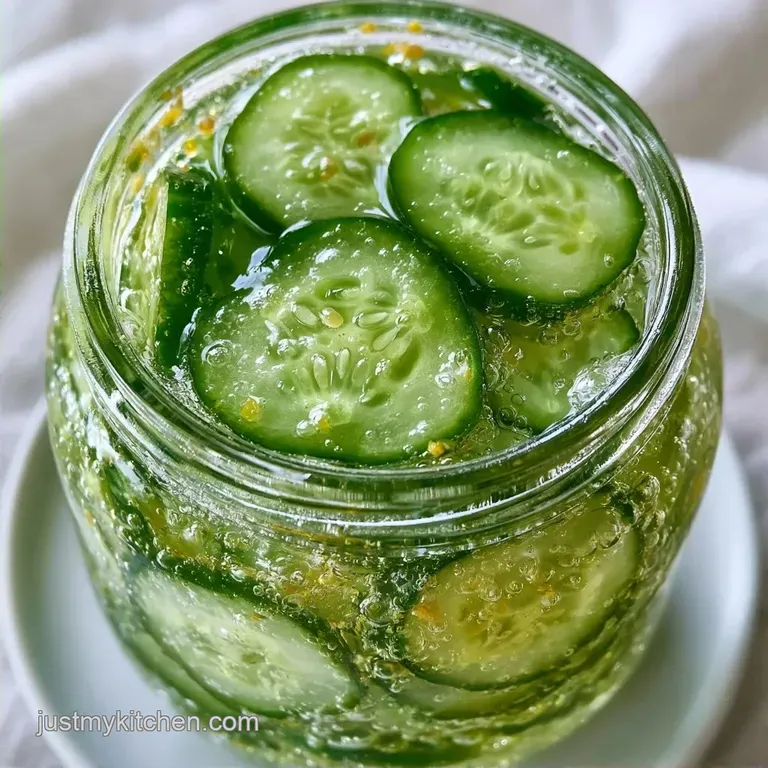
- Time: 5 min active + 10 min cooking
- Flavor/Texture Hook: Sharp, tangy, and snappy
- Perfect for: Quick fridge pickles, beginner friendly meal prep
Simple Homemade Pickle Brine
The sound of a jar popping open on a humid July afternoon is just the best. I remember the first time I tried making these for a family BBQ, thinking I could just wing the ratios. I ended up with something that tasted like straight salt water, and my cousins actually made a face.
I realized that a decent Pickle Brine isn't about fancy additions, but about the basic ratio of water to acid. Once I stopped guessing and started measuring, everything changed. Now, I keep a few jars in the fridge at all times for sandwiches or just to snack on.
You don't need to spend days fermenting things in a dark cellar to get a great result. This method is fast and works every single time. We're keeping it simple so you can get back to the party.
Quick Recipe Details
The Goal: A clear, balanced liquid that preserves crunch.
Timeline: 1. Mix and heat (10 mins). 2. Dissolve and simmer (2 mins). 3. Cool and pour (3 mins).
Decision Shortcut: - If you want a sharper taste, use less water. - If you want it milder, add an extra teaspoon of sugar. - If you're using soft veg (like peppers), let the brine cool first.
How the Brine Works
- The Acid
- Vinegar lowers the pH level, which stops spoilage and gives that signature zing.
- The Salt
- It draws water out of the vegetables through osmosis, which helps the flavor sink in.
- The Sugar
- It doesn't make it a dessert, but it cuts the harsh edge of the white vinegar.
If you're curious about different timing options, you might like my 30 minute brine for an even faster turnaround. According to Serious Eats, the ratio of salt to water is the most critical part for maintaining cellular structure in the vegetable.
| Fresh Ferment | Quick Shortcut | Texture | Best For |
|---|---|---|---|
| 2-4 weeks | 15 minutes | Soft/Complex | Traditionalists |
| Natural brine | Added vinegar | Snappy/Bright | Weeknight meals |
The main difference here is the speed. We're skipping the long wait for natural lacto fermentation and using a White Vinegar Pickle Brine to get that flavor immediately.
The Brine Ingredients
Before we get into the details, here is what each part of this Homemade White Vinegar Pickle Brine brings to the jar.
| Ingredient | What It Does | Best Swap |
|---|---|---|
| White Vinegar | Provides acidity | Apple Cider Vinegar (milder) |
| Filtered Water | Dilutes the acid | Distilled water |
| Kosher Salt | Preserves/Crunches | Sea salt (avoid table salt) |
| Granulated Sugar | Balances sharpness | Honey or Maple Syrup |
Trust me on the salt choice. Table salt often has anti caking agents that make the liquid look cloudy. Using kosher salt keeps the Pickle Brine crystal clear.
Necessary Kitchen Tools
You don't need a lab here, just a few basics. A medium saucepan is the way to go, as it prevents the liquid from splashing over when it hits a simmer. A whisk is better than a spoon for getting those salt crystals to dissolve quickly.
I recommend using wide mouth Mason jars. They make it much easier to pack the vegetables tightly without bruising them. If you don't have a funnel, just use a rolled up piece of parchment paper to guide the liquid in.
The Brine Process
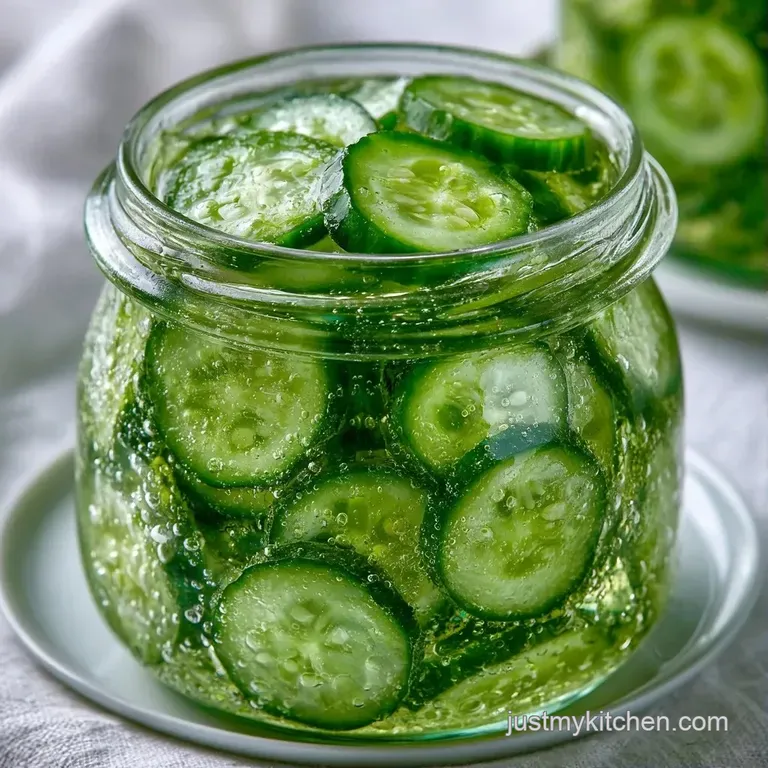
Right then, let's crack on with the actual cooking.
- Pour the white vinegar and filtered water into the saucepan.
- Add the kosher salt and granulated sugar.
- Set the pan over medium high heat.
- Whisk the mixture continuously as it warms Note: this prevents the sugar from scorching on the bottom.
- Bring the liquid to a gentle simmer until you see the salt and sugar completely vanish.
- Check that the liquid is crystal clear and not cloudy.
- Remove the pan from the heat immediately.
- Let the liquid sit for 5-10 minutes until it stops steaming aggressively if you're using cucumbers or radishes.
- Pour the hot liquid over your packed vegetables.
Chef's Note: If you're using "hearty" vegetables like carrots or cauliflower, you can pour the brine in while it's still boiling to help them soften slightly.
Troubleshooting Your Brine
Sometimes things go a bit sideways in the kitchen. If your Vinegar Pickle Brine doesn't look right, it's usually a simple fix.
Why Your Brine Is Cloudy
This usually happens if you used table salt with additives or if the sugar didn't fully dissolve. You can strain it through a coffee filter, but honestly, it still tastes the same.
Why Pickles Stay Soft
If the vegetables aren't snappy, it's often because the brine was too hot for delicate veg or the salt ratio was off. Using filtered water instead of tap water helps prevent minerals from softening the skin.
| Problem | Root Cause | Solution |
|---|---|---|
| Too Sour | Too much vinegar | Add 1 tsp sugar or a splash of water |
| Too Salty | Salt clumped or over measured | Dilute with a bit more boiled water |
| Dull Flavor | Not enough salt/acid | Add a pinch of salt and a teaspoon of vinegar |
Brine Flavor Tweaks
Once you have the base down, you can play around. For a spicy kick, toss a few sliced jalapeños or red pepper flakes into the jar before pouring. If you want something more aromatic, a few crushed peppercorns and a garlic clove do wonders.
For a more complex taste, try my cucumber brine recipe which adds a few extra botanical notes. If you prefer a sweet and sour profile, just double the sugar.
| Original Ingredient | Substitute | Why It Works |
|---|---|---|
| White Vinegar | Rice Vinegar | Milder acidity. Note: Less "sharp" than white vinegar |
| Granulated Sugar | Stevia/Monkfruit | Low calorie. Note: May change the mouthfeel slightly |
| Filtered Water | Apple Juice | Adds sweetness. Note: Best for fruit based pickles |
Storing Your Brine
Keep your finished jars in the fridge. Since this is a refrigerator style Pickle Brine, it stays fresh for about 3-4 weeks. Don't leave them on the counter, or you'll be dealing with some unwanted mold.
If you're looking for a White Vinegar Pickle Brine for canning, you'll need to follow specific USDA guidelines for water bath processing to ensure the jars are shelf stable. For most of us, the fridge is just easier.
To avoid waste, don't dump the leftover liquid. This vinegar salt mix is a great marinade for grilled chicken or a way to brine potatoes before roasting them to get a better crust.
Serving Your Pickles
The best way to serve these is chilled. The cold temperature enhances the snap of the vegetable. I love serving them alongside a heavy burger or a rich grilled cheese sandwich to cut through the fat.
If you're putting them on a platter, drain the liquid first so they don't make the rest of the food soggy. A simple garnish of fresh dill on top makes them look like they came from a fancy deli, even if you just threw them together in 15 minutes.
Critical in Sodium
1670 mg 1,670 mg of sodium per serving (73% 73% of daily value)
The American Heart Association recommends a daily limit of no more than 2,300mg of sodium to reduce the risk of high blood pressure and heart disease.
Tips to Reduce Sodium
-
Reduce Kosher Salt-25%
Cut the amount of kosher salt in half to significantly lower the overall sodium concentration of the brine.
-
Use a Salt Substitute-20%
Replace a portion of the kosher salt with a potassium based salt substitute to maintain the savory taste.
-
Increase Acidity-10%
Add lemon juice or apple cider vinegar to enhance the brightness of the recipe, which allows you to use less salt.
-
Balance with Sugar-5%
Slightly increase the granulated sugar to balance the flavor profile, making the reduced salt level less apparent.
-
Enhance with Aromatics
Incorporate fresh dill, garlic, or black peppercorns to add depth and complexity without adding any sodium.
Recipe FAQs
Can I use distilled white vinegar or white wine vinegar for the brine?
Yes, both work. Distilled white vinegar provides a clean, sharp acidity, while white wine vinegar offers a softer, fruitier profile.
What is the ratio of vinegar to water in this pickle brine?
The ratio is 1:1. Use 2 cups of white vinegar and 2 cups of filtered water to achieve a balanced acidity.
How to make homemade pickle brine?
Combine white vinegar, filtered water, kosher salt, and granulated sugar in a saucepan. Simmer over medium high heat, whisking continuously until the salt and sugar dissolve and the liquid is crystal clear.
How long does homemade pickle juice last?
Keep it in the fridge for 3-4 weeks. Store the brine chilled to maintain freshness and prevent mold growth.
Can I use pickle juice as a substitute for vinegar or as a marinade?
Yes, it is very versatile. It works well as a brine for roasting potatoes or as a tangy marinade for grilled chicken.
Is it true that refrigerator pickle brine is shelf stable?
No, this is a common misconception. For shelf stable jars, you must follow water bath processing guidelines.
How to use the brine for delicate vegetables?
Cool the brine for 5 10 minutes after removing it from the heat. This prevents the vegetables from overcooking and ensures they stay crisp.
White Vinegar Pickle Brine