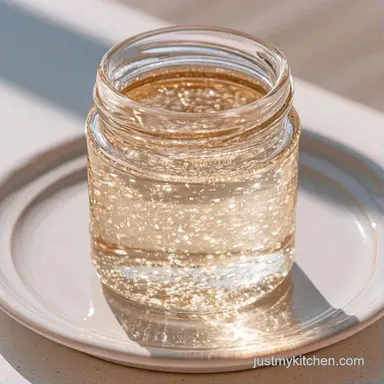
Pickling Salt Pickle Brine: Crisp and Tangy
- Time: 10 min active + 24 hours 15 mins chilling/fermenting
- Flavor/Texture Hook: Crisp, tangy, and sharp
- Perfect for: Batch prepping summer garden veggies or quick refrigerator snacks
- Easy Homemade Pickle Brine
- Why These Ratios Work
- Gathering Your Pantry Essentials
- Quick Recipe Specifications
- Essential Kitchen Tools
- Making the Brine
- Fixing Common Issues
- Troubleshooting Common Issues
- Adjusting the Batch Size
- Storage and Waste Tips
- Serving Your Pickles
- Creative Flavor Twists
- Recipe FAQs
- 📝 Recipe Card
Easy Homemade Pickle Brine
That loud, satisfying snap when you bite into a cold cucumber is the only way to eat a pickle. I remember the first time I tried making these for a family BBQ. I used plain table salt and ended up with cloudy liquid and limp vegetables that felt like wet cardboard.
It was a total disaster that left me staring at a jar of sad, grey cucumbers.
After checking a few guides, I realized the issue was the salt. Switching to pickling salt changed everything. Now, I keep a jar of this liquid in the fridge at all times because it's so much cheaper than store-bought versions.
Whether you want a quick snack for tonight or something that sits in the cellar for months, the base remains the same. This Pickle Brine gives you that classic deli taste without the weird preservatives.
Why These Ratios Work
- Salt Concentration: Salt draws water out of the vegetable cells, which allows the vinegar and spices to move in.
- Acid Balance: The vinegar lowers the pH level, stopping bad bacteria from growing and giving it that sharp bite.
Right then, let's look at how different methods change the result.
| Method | Prep Time | Texture | Best For |
|---|---|---|---|
| Quick Vinegar | 15 minutes | Sharp & Crisp | Fast snacks |
| Old Fashioned | 24 hours+ | Complex & Tangy | Long term storage |
Gathering Your Pantry Essentials
The choice of salt is where most people trip up. Table salt has anti caking agents that make your Pickle Brine look cloudy. I always suggest pickling salt or canning salt because they are pure and dissolve quickly.
If you're on a budget, filtered water is a must. Chlorine in tap water can interfere with the fermentation process, especially if you're going the old-fashioned route. You don't need fancy distilled water, just something filtered to keep the flavors clean.
Quick Recipe Specifications
| Ingredient | What It Does | Best Swap |
|---|---|---|
| White Vinegar | Provides acidity | Apple Cider Vinegar (milder) |
| Pickling Salt | Preserves and crisps | Sea salt (non iodized) |
| Calcium Chloride | Maintains crunch | Extra pinch of salt (less effective) |
| Sugar | Balances the sharp acid | Honey or maple syrup |
Essential Kitchen Tools
You'll need a stainless steel or enamel saucepan. Avoid aluminum pans because the vinegar reacts with the metal and can give your Pickle Brine a metallic taste. A simple whisk is also helpful to make sure the sugar doesn't clump at the bottom.
For storage, use wide mouth glass jars with airtight lids. Plastic containers can absorb the vinegar smell, which is something you really don't want in your fridge for the next six months.
Making the Brine
- Combine the filtered water and pickling salt in your saucepan. Note: Use the 4 cup measure for fermented versions.
- Stir in the white distilled vinegar and granulated sugar if you're making the vinegar based version.
- Place the pan over medium heat.
- Whisk constantly until the salt and sugar dissolve completely.
- Bring the liquid to a simmer until small bubbles form around the edges. Don't let it reach a rolling boil.
- Remove the pan from the heat immediately.
- Let the liquid cool for 10 minutes if you are making refrigerator pickles.
- Allow the liquid to reach room temperature (21°C) for fermented versions. Note: Pouring hot brine can cook the vegetables and make them soft.
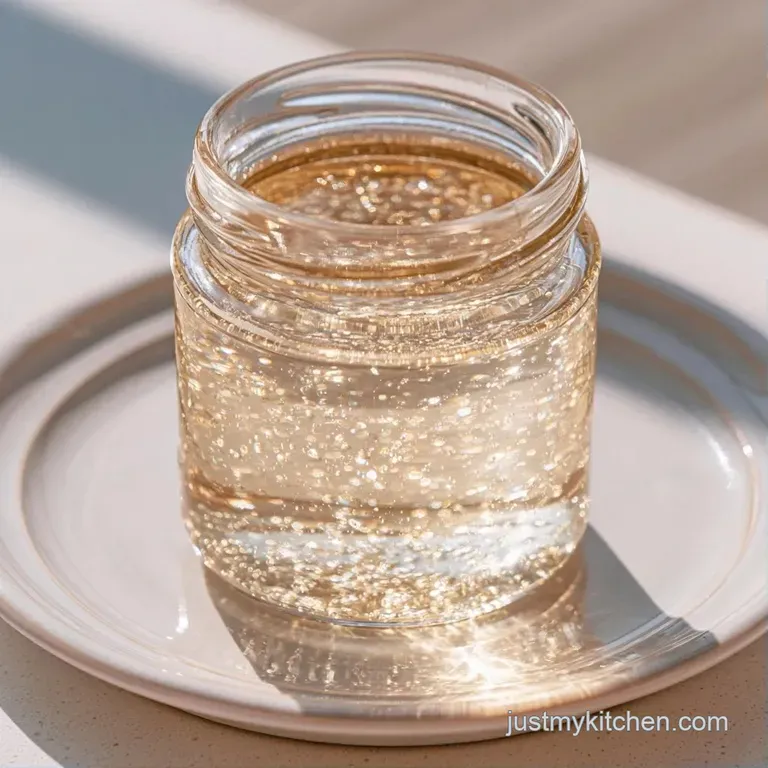
- Pour the finished Pickle Brine over your prepared vegetables in the jar.
Fixing Common Issues
It's easy to get discouraged when a batch doesn't look right, but most issues are just chemistry. If your liquid looks a bit foggy, it's usually just the type of salt you used. According to Serious Eats, using non iodized salt is the main way to avoid this cloudiness.
Another common issue is the texture. If you find your veggies are softening too fast, you might have skipped the cooling step. Pouring boiling liquid over a cucumber essentially blanches it, which ruins the snap. If you're struggling with consistency, my Cucumber Pickle Brine guide has more on prep.
Troubleshooting Common Issues
| Issue | Solution |
|---|---|
| Brine cloudy | Cloudiness usually comes from iodine in table salt or the natural action of lactobacillus during fermentation. It doesn't affect the taste, but it looks less professional. |
| Why are my vegetables softening | This happens when the brine is too hot or the salt ratio is too low. Ensure you use the exact Salt Pickle Brine measurements to keep the cellular structure intact. |
| Why is the brine too salty | Over salting usually happens when the water evaporates too much during the simmer. Keep the heat at a medium level and remove it as soon as it simmers. |
Adjusting the Batch Size
If you're only pickling a few carrots, you can easily cut this Pickle Brine in half. Just use 1/2 cup of vinegar and 1/2 cup of water. Keep the simmer time the same, but be careful, as smaller amounts of liquid evaporate faster and can become too salty.
For large batches (4x), don't just quadruple the salt. I've found that increasing salt and spices to 1.5x or 2x is usually enough. Too much salt in a large vat can make the vegetables shrivel. Work in two separate pots to ensure the sugar dissolves evenly.
Storage and Waste Tips
Keep your finished jars in the fridge for up to 3 months for vinegar pickles. For fermented versions, keep them in a cool, dark place for a few weeks before moving them to the refrigerator. Always use a clean fork to pull out your pickles to avoid introducing bacteria.
Don't throw away the leftover liquid! This Salt Pickle Brine is a great marinade for grilled chicken or a way to brine potato salad for extra zing. If you have leftover vinegar and salt, you can use them to quick pickle red onions for tacos in under 30 minutes.
Serving Your Pickles
I love serving these on a wooden board with some sharp cheddar cheese and sliced salami. The acidity of the Pickle Brine cuts through the fat of the meat and cheese. If you're using them for burgers, pat the pickles dry with a paper towel first so they don't make the bun soggy.
For a really fresh experience, add a sprig of fresh dill or a slice of fresh garlic to the jar right before serving. It adds a bright, aromatic layer that complements the salt.
Creative Flavor Twists
You can easily change the vibe of your batch with a few additions. If you want a "Garden Herb" version, toss in some fresh thyme and peppercorns before pouring the liquid. For those who love heat, a few sliced habaneros or a teaspoon of red pepper flakes works wonders.
If you prefer something more like a Dill Pickle Juice, increase the dill amount and add a splash of lemon juice. For a sweet and sour version, double the sugar and use apple cider vinegar instead of white.
Quick Decision Guide: If you want spicy → Add sliced jalapeños and red pepper flakes. If you want sweet → Increase sugar to 2 tbsp and use cider vinegar. If you want extra crunch → Add 1 tsp of calcium chloride.
Right then, you've got everything you need. Just remember to keep your salt pure, your water filtered, and your brine cool. Happy pickling!
Recipe FAQs
Can I use pickling salt for a brine?
Yes, it is the recommended choice. Pickling salt lacks the iodine and anti caking agents found in table salt that can make your brine cloudy.
What is the salt ratio for pickling brine?
Use 1 tablespoon of salt per 2 cups of liquid for the vinegar version, or 2 tablespoons of pickling salt per 4 cups of filtered water for fermented brines.
What is the 3 2 1 rule for pickles?
This is a general ratio of 3 parts vinegar, 2 parts water, and 1 part salt. For a more balanced flavor, we recommend an equal 1:1 ratio of vinegar and water with 1 tablespoon each of salt and sugar.
How to make homemade dill pickle juice?
Combine white distilled vinegar, filtered water, pickling salt, and sugar in a saucepan. Stir over medium heat until dissolved and simmer without reaching a rolling boil.
Do homemade dill pickles in vinegar need to be refrigerated?
Yes, for refrigerator pickles. These stay fresh for up to 3 months, although you can achieve shelf stability using a water bath.
How to make simple dill pickles?
Pack cucumbers into jars and pour the prepared brine over them. Let the brine cool for 10 minutes before pouring for fridge pickles, or reach room temperature for fermented ones.
Is it true that table salt keeps the brine clear?
No, this is a common misconception. Table salt contains iodine which typically causes the brine to become cloudy, unlike pure pickling salt.
Homemade Pickle Brine 2