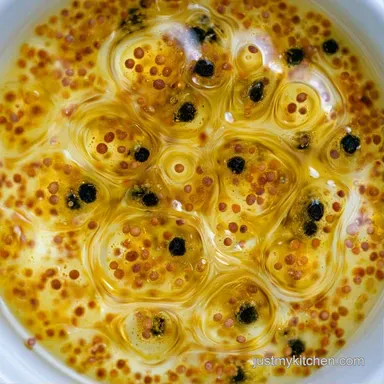
Homemade Pickle Brine: Crisp and Tangy
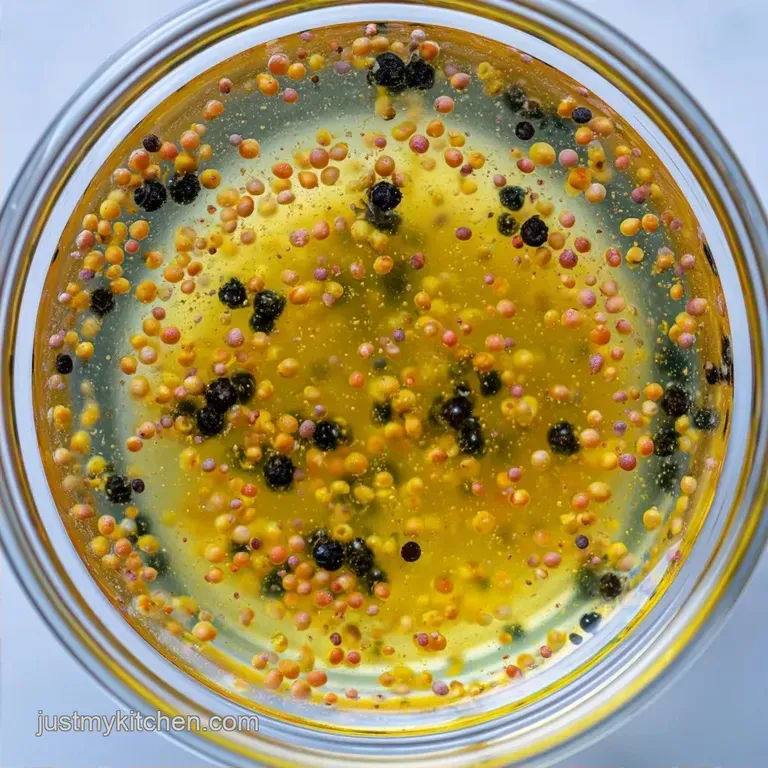
- Time: 10 min active + 15 min cooling
- Flavor/Texture Hook: Punchy, tangy, and sharp
- Perfect for: Quick refrigerator pickles, meal prep, or beginner canning
Have you ever opened a jar of store-bought pickles and wondered why they taste like salty water instead of that sharp, mouth watering zing? I used to just accept it until I realized most commercial brands cut corners on the aromatics. I wanted a liquid that actually tastes like the garden, not a lab.
The first time I tried making a homemade version, I forgot to cool the liquid. I poured boiling vinegar over my cucumbers, and they turned into soggy mush within an hour. It was a disaster, but it taught me that temperature is everything when you're dealing with crunch.
Now, I use this specific Vinegar Water Pickle Brine every single summer. It's a fast process that doesn't require fancy equipment. Whether you're doing red onions, carrots, or classic spears, this is the base that actually works.
The Best Easy Pickle Brine
Right then, let's get into the actual making. The goal here is a clear, sharp liquid that penetrates the vegetables without overwhelming them. It's a basic balance of salt and acid.
If you're looking for something specific, like a dill pickle juice recipe, the base is similar, but we're focusing on a versatile all purpose version here.
Quick Brine Specs
| Feature | Detail |
|---|---|
| Prep Time | 10 minutes |
| Cook Time | 5 minutes |
| Total Time | 30 minutes |
| Yield | 2 quarts |
Why It Works
The goal is to stop bacteria while keeping the cell walls of the vegetables intact.
- Vinegar Ratio: The 1:1 ratio of vinegar to water provides enough acidity to preserve the food without making it taste like battery acid.
- Salt Type: Using pickling salt instead of table salt prevents the Pickle Brine from turning cloudy due to anti caking agents.
According to the techniques at Serious Eats, the concentration of salt is what draws moisture out of the vegetables, allowing the vinegar and spices to move in.
| Method | Time | Texture | Best For |
|---|---|---|---|
| Cold Soak | 24 hours | Very Crunchy | Raw veggies |
| Hot Pour | 30 mins | Softer/Pliable | Canned goods |
| Quick Chill | 2 hours | Snappy | Refrigerator pickles |
Gathering Your Essentials
First, let's look at what each part does for the final taste.
| Ingredient | What It Does | Best Swap |
|---|---|---|
| White Vinegar | Provides sharp acidity | Apple Cider Vinegar |
| Pickling Salt | Draws out water/preserves | Kosher Salt |
| Granulated Sugar | Balances the harsh acid | Honey or Maple Syrup |
| Garlic Cloves | Adds pungent depth | Garlic Powder |
For the Base Brine
- 2 cups white vinegar (5% acidity) Why this? Standard acidity for safety and snap
- 2 cups filtered water Why this? Prevents chlorine tastes
- 2 tbsp pickling salt Why this? No additives, keeps liquid clear
- 1 tbsp granulated sugar Why this? Tames the sharp vinegar edge
Optional Flavor Boosters
- 1 tsp mustard seeds
- 1 tsp black peppercorns
- 1 tsp coriander seeds
- 3 cloves smashed garlic
Essential Kitchen Gear
You don't need a professional lab for this. A medium stainless steel saucepan is best because it doesn't react with the acid in the vinegar. I also recommend a whisk to make sure the sugar doesn't clump at the bottom.
For storage, use glass Mason jars. Plastic can absorb the smells and sometimes react with the high acidity of a fresh Pickle Brine.
The Cooking Process
- Pour the white vinegar and filtered water into your saucepan.
- Stir in the pickling salt, sugar, mustard seeds, peppercorns, coriander seeds, and smashed garlic.
- Place the pan over medium high heat.
- Bring the mixture to a gentle boil, whisking constantly until the sugar and salt disappear and the liquid looks crystal clear.
- Remove the pan from the heat immediately once it bubbles. Note: Don't let it boil for minutes or you'll evaporate too much water.
- Let the Pickle Brine cool for 10-15 minutes.
- Pour the cooled liquid over your packed vegetables.
- Seal the jars and let them sit in the fridge for at least 2 hours.
Chef's Note: If you're in a rush, you can place the saucepan in an ice bath for 5 minutes to cool it down faster.
Fixing Common Issues
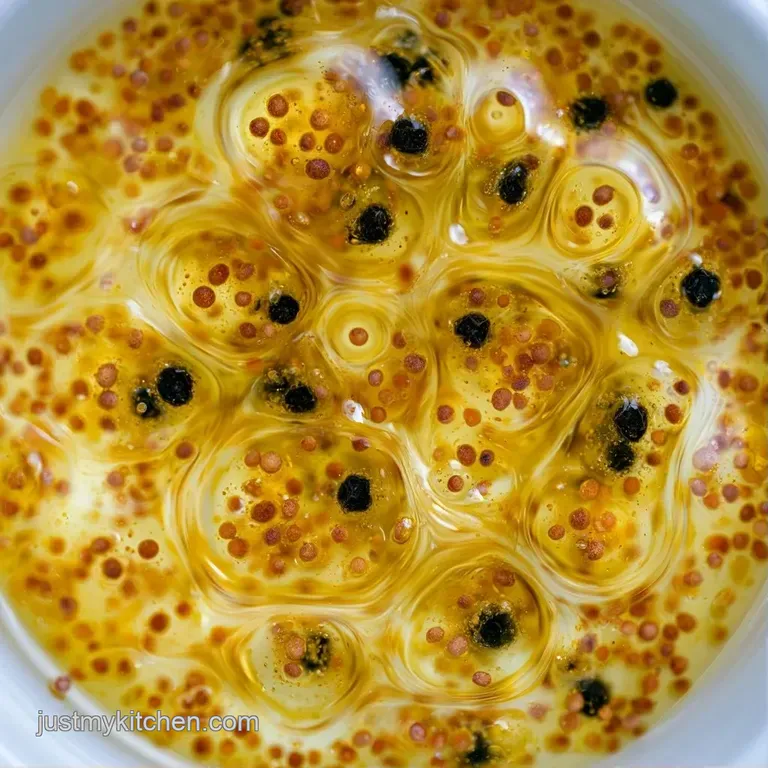
Sometimes things go sideways. Usually, it's a temperature or salt issue.
Troubleshooting Common Issues
| Issue | Solution |
|---|---|
| Why Brine Clouds | If your liquid looks milky or opaque, you probably used iodized table salt. The iodine and anti caking agents react with the vinegar. It's still safe to eat, but it looks messy. |
| Why Veggies Soften | This happens when the Pickle Brine is poured in while still boiling. The heat breaks down the pectin in the vegetables instantly. Always wait until the liquid is warm, not scorching. |
| Why It's Bland | Usually, this means the vegetables were too watery or the salt ratio was off. Ensure you're using a 1:1 water to vinegar ratio. |
Creative Flavor Swaps
You can easily tweak this base to fit your mood. For a sweeter version, double the sugar. If you want a "spicy" kick, throw in a sliced habanero or a teaspoon of red pepper flakes.
If you use apple cider vinegar, the Pickle Brine will have a fruitier, softer tone. This works great for pickled red onions. For something more complex, try adding a sprig of fresh dill or a bay leaf to the jar.
| Original Ingredient | Substitute | Why It Works |
|---|---|---|
| White Vinegar | Rice Vinegar | Milder acid. Note: Less punchy |
| Granulated Sugar | Maple Syrup | Earthy sweetness. Note: Darkens color |
| Coriander Seeds | Cumin Seeds | Earthy/Smoky tone. Note: Changes profile |
Storage and Waste
Store your finished jars in the fridge for up to 3 weeks. If you're canning these for the shelf, follow a verified USDA pressure canning guide to ensure safety.
Don't toss the leftover liquid! Once the vegetables are gone, that Water Pickle Brine is great for marinating chicken or pork. The acid tenderizes the meat beautifully before grilling.
I also use leftover brine to dress a classic macaroni salad for an extra zingy twist. If you have leftover garlic cloves from the process, mince them into a compound butter.
Perfect Pairings
This tangy liquid is the perfect counterpart to fatty foods. Serve your pickles alongside a rich brisket or a juicy burger to cut through the grease.
If you're making a charcuterie board, these pickles pair well with sharp cheddar and salty salami. The acidity cleanses the palate between bites of heavy cheese.
Why It Works
The magic is all in the osmosis. The salt in the Pickle Brine pulls water out of the vegetable cells, which makes room for the vinegar and spices to soak in.
This process changes the texture from raw and crisp to snappy and seasoned. Using filtered water ensures no metallic tastes interfere with the clean finish.
Decision Shortcut
- Want maximum crunch? Use the cold soak method.
- Want deep flavor fast? Use the hot pour method.
- Want a mild taste? Increase the water ratio slightly.
Debunking Myths
Some people think you need to boil the brine for 10 minutes to "set" the flavor. That's not true. You only need to boil it long enough to dissolve the solids. Over boiling just concentrates the salt too much.
Another myth is that you can't use regular salt. You can, but your Water Pickle Brine will be cloudy. It doesn't affect the taste, just the look.
Right then, you've got everything you need to stop buying those bland store jars. This Pickle Brine is simple, fast, and actually tastes like something from a real kitchen. Just remember to let it cool before pouring, or you'll be eating mush. Happy pickling!
Critical Sodium Level
1400 mg 1400 mg of sodium per serving (61% 61% of daily value)
The American Heart Association recommends a daily limit of no more than 2,300mg of sodium, with an ideal limit of 1,500mg for most adults to reduce cardiovascular risk.
Tips to Reduce Sodium
-
Reduce Pickling Salt-25%
Cut the pickling salt by half. Reducing the primary salt source is the most effective way to lower the overall sodium content.
-
Use Salt Substitutes-25%
Replace a portion of the salt with a potassium based salt alternative to maintain the savory profile with less sodium.
-
Enhance Acidity-20%
Increase the white vinegar or add a splash of lemon juice to provide a sharp, tangy flavor that mimics the taste of salt.
-
Boost Aromatics
Increase the amount of mustard seeds, coriander seeds, and garlic to add complexity and depth of flavor without adding sodium.
Recipe FAQs
What is the ratio of vinegar to water for pickling brine?
Use a 1:1 ratio. Combine 2 cups of white vinegar with 2 cups of filtered water to achieve the ideal balance of acidity and flavor.
Is pickle juice safe for diabetics?
Generally yes, due to the low sugar content. This brine uses only 1 tablespoon of sugar for two quarts, but individuals should always consult their physician regarding specific dietary needs.
Do homemade dill pickles in vinegar need to be refrigerated?
Yes, store them in the fridge. These quick pickles remain fresh for up to 3 weeks when chilled. For shelf stable versions, follow the steps for canned pickles.
Is it true that cloudy brine means the pickles have gone bad?
No, this is a common misconception. Cloudiness typically occurs when using iodized table salt instead of pickling salt, though the brine is still safe to consume.
Why do my vegetables soften after adding the brine?
You likely poured the brine while it was still boiling. High heat breaks down the pectin in the vegetables instantly; always let the liquid cool for 10 15 minutes before pouring.
How to make simple dill pickles?
Pack sliced cucumbers into jars with smashed garlic and spices. Pour the cooled brine over the vegetables and refrigerate for at least 24 hours before eating.
How to make homemade dill pickle juice?
Simmer white vinegar, filtered water, pickling salt, sugar, and spices. Whisk until the solids are completely dissolved, then remove from heat and let cool.
Homemade Pickle Brine