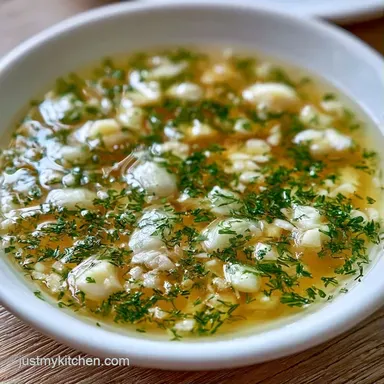
Dill Pickle Juice Recipe in 20 Minutes
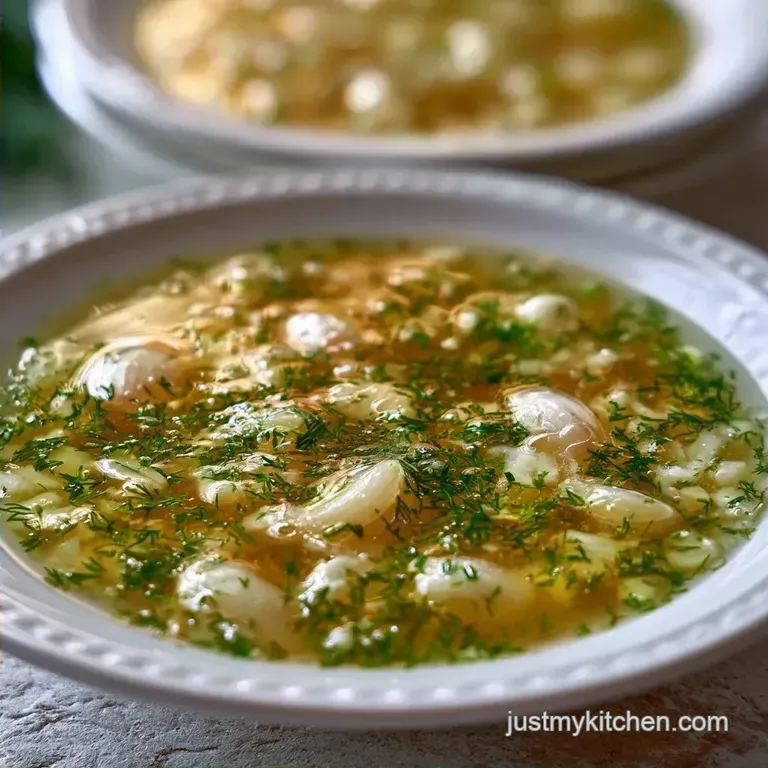
- Time: 10 min active + 10 min cooking
- Flavor/Texture Hook: Pungent, vinegary, and salty
- Perfect for: Brining meats, workout recovery, or cocktails
That smell of a fresh pickle jar opening always hits me right in the nostalgia. It's a sharp, vinegary snap that wakes up your whole mouth. I used to just drink the leftovers from a store-bought jar, but the flavor was always a bit flat and too sugary.
I wanted something cleaner and more pungent. This is where this Dill Pickle Juice Recipe comes in. It lets you control the salt and the spice, so you get that authentic deli taste without the mystery additives.
You can use this for everything from marinating chicken to a quick shot after a workout. It's a simple project that takes less than half an hour and stays good in the fridge for months.
Dill Pickle Juice Recipe Specs
Right then, let's get into the numbers. This makes about 4 cups of brine. The process is fast, but the flavor takes a few minutes to steep.
The active prep is 10 minutes, and the cooking is another 10 minutes. Total time is 20 minutes. Since we're straining the solids, you're left with a clear, punchy liquid.
Most people think you need days of fermentation for this. You don't. We use a hot infusion method to pull the oils out of the dill seeds and garlic quickly.
What You'll Need
The vinegar is the hero here. I use white distilled because it's neutral. It doesn't fight with the dill. If you use apple cider vinegar, it gets a bit too fruity, which isn't what we want for a classic dill profile.
According to Serious Eats, the ratio of salt to acid is what keeps things stable and tasty. I've found a 1:1 ratio of water to vinegar provides the best balance for drinking and cooking.
For the Brine Base
- 2 cups white distilled vinegar Why this? Provides the sharp, clean acidity
- 2 cups filtered water Why this? Balances the acidity so it's not too harsh
- 1/4 cup kosher salt Why this? Coarse grains dissolve evenly without over salting
- 1 tbsp granulated sugar Why this? Cuts the sharp edge of the vinegar
For the Dill Aromatics
- 4 cloves garlic, smashed Why this? Smashed cloves release more allicin
- 2 tbsp fresh dill, chopped Why this? Adds that bright, grassy note
- 1 tbsp dill seeds Why this? Provides the deep, earthy "pickle" flavor
- 1 tsp whole black peppercorns Why this? Adds a subtle back end heat
- 1 tsp yellow mustard seeds Why this? Adds a slight tang and depth
- 1/2 tsp red pepper flakes Why this? Gives a tiny bit of zing
Equipment Needed
You don't need any fancy gear for this. A medium saucepan is the main tool. Make sure it's stainless steel or enamel. Avoid aluminum or reactive pans, as the vinegar can react with the metal and leave a metallic taste in your juice.
You'll also need a fine mesh strainer to get rid of the seeds and garlic. A glass jar with a tight lid is a must for storage. Plastic can absorb the vinegar smell, and you don't want your Tupperware smelling like a deli forever.
Step-by-step Instructions
Let's crack on. The goal here is to dissolve the solids and then steep the aromatics without boiling them into oblivion.
- Pour the white distilled vinegar, filtered water, kosher salt, and sugar into your saucepan.
- Stir over medium heat until the salt and sugar disappear.
- Bring the liquid to a gentle simmer. Note: Don't let it reach a rolling boil or the vinegar scent becomes too aggressive.
- Stir in the smashed garlic, fresh dill, dill seeds, peppercorns, mustard seeds, and red pepper flakes.
- Lower the heat to low.
- Let the mixture steep for 5 to 8 minutes until the garlic looks translucent.
- Remove the pan from the heat immediately.
- Pour the hot brine through a fine mesh strainer into your glass jar, discarding the solids.
- Let the juice cool to room temperature until the jar feels neutral to the touch.
- Seal the lid tightly.
Fixing Common Brine Problems
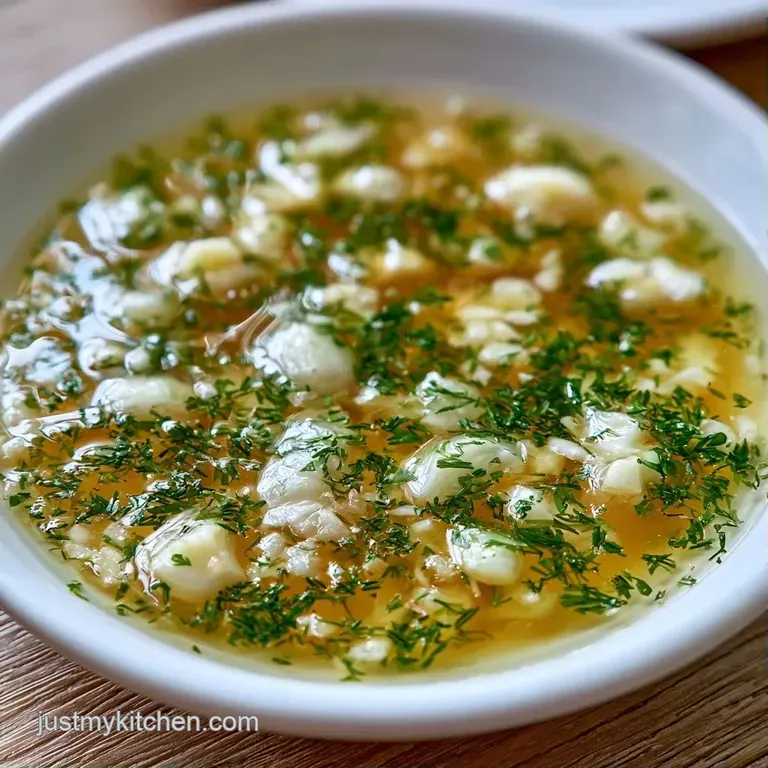
Sometimes the balance goes wonky. It usually comes down to the salt or the vinegar ratio. If it feels too "stinging" in your throat, you've probably got too much acid.
But what about the salt? If you used table salt instead of kosher, it's going to taste like seawater. Table salt is denser, so a 1/4 cup of it is way more salt than a 1/4 cup of kosher.
Troubleshooting Common Issues
| Issue | Solution |
|---|---|
| Brine Too Salty | If you overdo the salt, don't toss the batch. You can dilute it. Add a splash of filtered water or a bit more vinegar to bring the concentration down. |
| Why Is the Juice Cloudy | Cloudiness usually comes from the garlic or the mustard seeds. If you didn't strain it well, you'll see particles. You can run it through a coffee filter for a crystal clear look. |
| Why Does it Taste Too Sharp | This happens if the vinegar is too strong. A tiny pinch of extra sugar or a teaspoon of honey can mellow it out without making it a "sweet pickle." |
Dietary Adaptations
If you're watching your sodium, you can swap the kosher salt for a potassium based salt substitute. Just be careful. Some substitutes have a slightly metallic aftertaste.
For a low sugar version, just leave the granulated sugar out. This Dill Pickle Juice Recipe still tastes great without it, though the vinegar will feel a bit more aggressive on the tongue.
If you like things with a different acidic profile, similar to my Greek lemon chicken soup, you could use a mix of white vinegar and lemon juice. It adds a citrusy brightness that's great for marinades.
| Original Ingredient | Substitute | Why It Works |
|---|---|---|
| White Vinegar | Apple Cider Vinegar | Fruitier taste. Note: Changes the color to amber |
| Kosher Salt | Sea Salt | Same mineral profile. Use same quantity |
| Fresh Dill | Dried Dill | Concentrated flavor. Use 1 tbsp instead of 2 |
Make-ahead and Storage Tips
This stuff lasts a long time because the vinegar acts as a natural preservative. Store it in the fridge for up to 3 months. Just make sure you use a clean spoon every time you dip in.
You can't really freeze pickle juice. The water and vinegar separate, and it just becomes a mess. Stick to the fridge.
As for zero waste, don't just throw away the strained aromatics. I sometimes toss the garlic and dill seeds into a compost bin, or if they're still fragrant, I mix them into a salt rub for pork.
What to Serve This With
The most obvious use is as a brine. I love using it to soak chicken breasts for 2 hours before grilling. The acid breaks down the proteins, making the meat incredibly juicy.
It's also a great addition to dips. If you're making my homemade tzatziki sauce, try adding a tablespoon of this brine for an extra kick.
If you're using this for drinking (like for muscle cramps), just pour a chilled shot. Trust me, it's a wake up call for your system.
The Flavor Texture Trick
The trick here is the heat. By simmering the aromatics, we're using thermal infusion. This forces the essential oils out of the seeds and garlic faster than cold soaking would.
Most people just mix cold ingredients and wait. That's fine, but the flavor is muted. Heating the brine to a simmer ensures the liquid is pungent and the garlic is fully integrated.
The Quick Decision Guide
- Want it spicier? Add 1/2 tsp more red pepper flakes.
- Want it for drinking? Increase water by 1/2 cup to mellow the acid.
- Want it for canning? Use a certified canning recipe for safety.
Common Brine Myths
Myth: You need actual pickles to make pickle juice. Truth: The juice is just a seasoned brine. Pickles are what happen when you put cucumbers in the juice, but the juice exists independently.
Myth: All vinegars work the same. Truth: Distilled is neutral. Rice vinegar is too sweet. Wine vinegar is too fruity. Stick to distilled for that classic deli snap.
Recipe FAQs
How to make dill pickle juice at home?
Combine white distilled vinegar, filtered water, kosher salt, and sugar in a saucepan. Stir over medium heat until dissolved, simmer, stir in the aromatics, steep on low for 5 to 8 minutes, and strain through a fine mesh strainer.
What are the ingredients in this pickle juice?
White distilled vinegar, filtered water, kosher salt, and sugar form the base. The flavor comes from smashed garlic, fresh dill, dill seeds, black peppercorns, yellow mustard seeds, and red pepper flakes.
Do homemade vinegar based pickle juices need to be refrigerated?
Yes, keep the juice chilled. Because this is a quick steeped brine rather than a heat processed canned product, refrigeration is necessary to maintain freshness.
How to fix pickle juice that tastes too sharp?
Add a tiny pinch of extra sugar. This helps mellow the aggressive scent and taste of the white distilled vinegar without ruining the brine's profile.
Is it true that homemade pickle juice must be boiled for hours to be safe?
No, this is a common misconception. This specific recipe only requires a gentle simmer and a 5-to-8-minute steep to fully extract the pungent flavors from the garlic and seeds.
How to make cloudy pickle juice clear?
Run the liquid through a coffee filter. Cloudiness is usually caused by tiny particles from the mustard seeds or garlic that pass through a standard mesh strainer.
Can I use this brine as a marinade for other proteins?
Yes, it is an excellent tangy base. If you enjoyed the bold, acid forward balance here, see how we use a similar technique to cut through richness in our shrimp scampi sauce.
Dill Pickle Juice Recipe