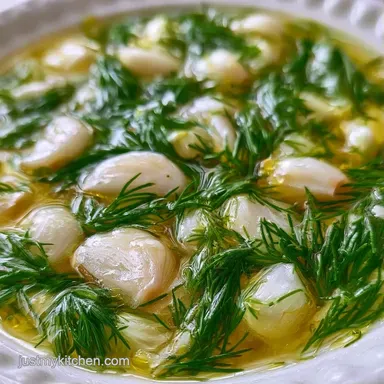
Dill Pickle Brine Recipe with Garlic
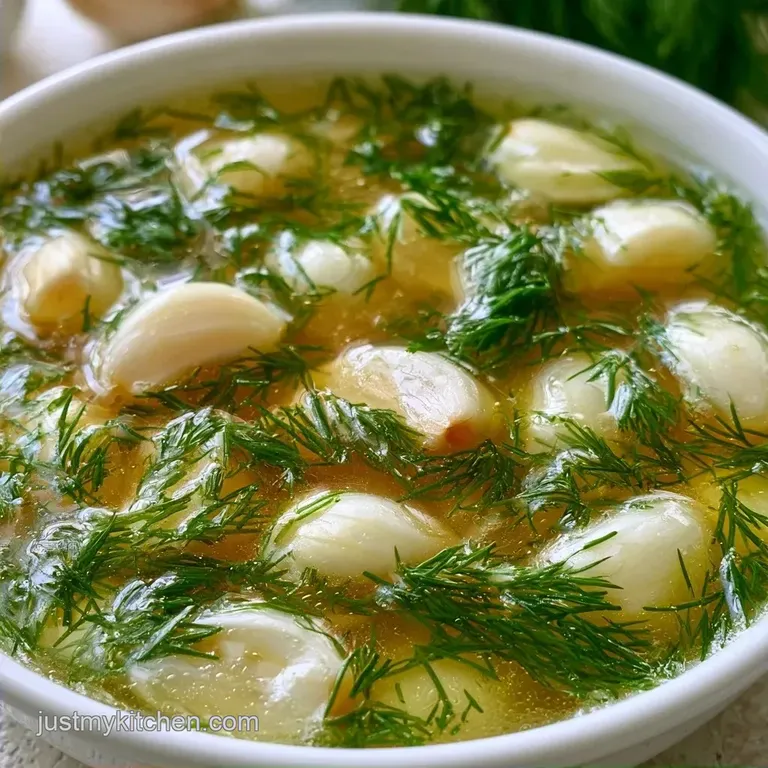
- Time: 15 min active + 5 min cook
- Flavor/Texture Hook: Sharp, salty snap with a punch of garlic
- Perfect for: Batch prepping cucumbers, carrots, or pickled onions
You probably think you need a fancy canning setup or a chemistry degree to get that classic deli crunch. I used to think the same thing, honestly. I thought the "snap" came from some expensive salt or a specific type of jar.
But here is the thing: you don't need any of that. Most of the time, the difference between a soggy pickle and a crisp one comes down to the water you use and how you handle the heat.
This Dill Pickle Brine Recipe is all about simplicity. We're focusing on a sharp, clean acidity that lets the fresh dill and garlic shine through without any weird aftertaste. It's straightforward, quick, and actually works in a standard kitchen.
Easy Dill Pickle Brine Recipe Guide
Most people assume that more vinegar equals more crunch, but that's a myth. Too much acid can actually break down the pectin in your vegetables, leaving them mushy. The real trick is the salt concentration and the temperature of the liquid when it hits the produce.
If you pour boiling brine directly onto cucumbers, you're essentially blanching them. That's a one way ticket to soft pickles. I've learned that letting the liquid cool just a bit, or using a cold pack method, keeps the cells intact.
According to guides on Serious Eats, the type of salt you use matters because additives like iodine can discolor your brine. Stick to kosher or pickling salt to keep the liquid clear and the flavor clean.
The Brine LogicDistilled Water: Eliminates minerals that cause cloudiness. Vinegar Ratio: 1:1 water to vinegar provides a balanced pH for preservation and taste.
| Method | Time | Texture | Best For |
|---|---|---|---|
| Fast (Fridge) | 24 hours | Extra Crunchy | Quick snacks |
| Classic (Canned) | 2-4 weeks | Traditional | Long term storage |
Brine Specs and Timing
Before you start, it's helpful to see how the flow works. This isn't a long process, but the order of operations matters for the aromatics.
- 1. Prep (15 min)
- Smash the garlic, measure out your salt and sugar, and get your jars ready.
- 2. Cook (5 min)
- Heat the base and simmer the hard spices to wake up the oils.
- 3. Finish
- Stir in the fresh dill and let the liquid cool before pouring.
Precision Checkpoints
- Acidity: Ensure your vinegar is exactly 5% acidity.
- Temperature: Simmer for exactly 2 minutes once garlic is added.
- Weight: Use 150g of kosher salt for consistent salinity.
Ingredient Deep Dive
Not every ingredient in this Dill Pickle Brine Recipe is just for flavor. Some are there to handle the physics of the pickle.
| Ingredient | What It Does | Best Swap |
|---|---|---|
| Distilled Water | Keeps brine clear | Filtered water (might cloud) |
| White Vinegar | Preserves and adds tang | Apple cider vinegar (fruitier) |
| Kosher Salt | Draws out moisture/preserves | Sea salt (adjust by weight) |
| Fresh Dill | Adds the signature herbal note | Dried dill (use 1 tbsp) |
Ingredients
Get these ready on your counter before you turn on the stove.
- 4 cups distilled water
- 4 cups white distilled vinegar (5% acidity) Why this? Standard acidity ensures safety and a sharp tang.
- 1/2 cup (150g) kosher salt Why this? Coarser grains dissolve well without clumping.
- 2 tbsp (25g) granulated sugar Why this? Balances the harshness of the vinegar.
- 6 cloves (18g) garlic, smashed Why this? Smashed cloves release oils faster than sliced.
- 4 tbsp (12g) fresh dill heads or sprigs Why this? Fresh heads have more punch than leaves.
- 1 tbsp (10g) whole black peppercorns Why this? Whole berries provide a slow heat.
- 1 tbsp (12g) yellow mustard seeds Why this? Adds a subtle earthy bitterness.
- 1 tsp (2g) red pepper flakes Why this? Just a hint of background warmth.
The Gear You Need
You don't need a professional lab here. Just a few basics: - Medium saucepan (stainless steel is best so the vinegar doesn't react). - Whisk or sturdy spoon. - Measuring cups and a kitchen scale. - Glass mason jars with lids. - Slotted spoon for moving aromatics.
Simple step-by-step Process
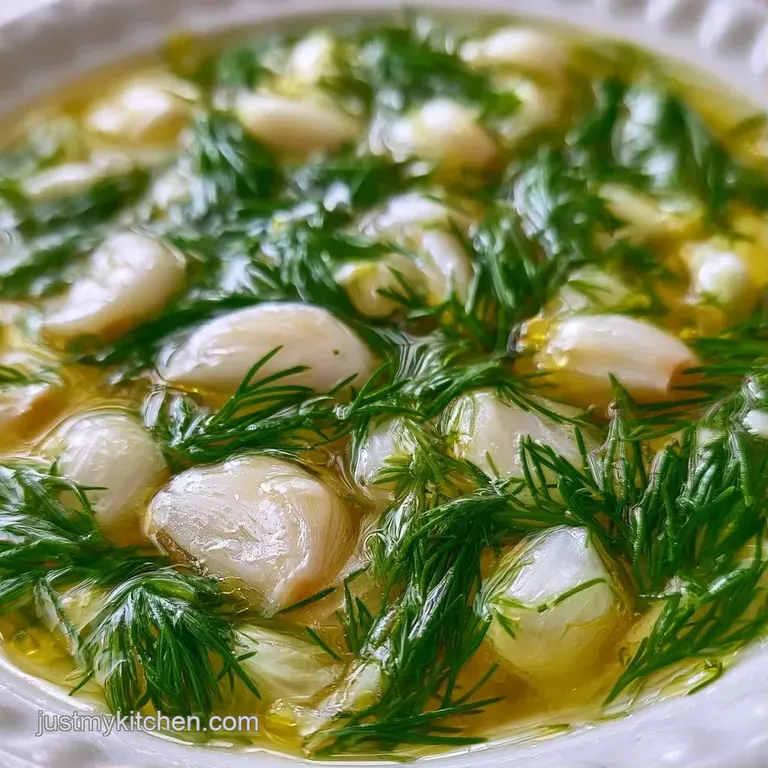
Follow these steps to get the infusion right.
- Combine distilled water, white distilled vinegar, kosher salt, and sugar in your saucepan.
- Place the pan over medium high heat. Whisk continuously, bringing it to a gentle simmer until the salt and sugar have completely dissolved. Note: Don't let it boil over.
- Stir in the smashed garlic, peppercorns, and mustard seeds. Simmer for exactly 2 minutes. Note: This toasts the seeds slightly.
- Remove the pan from the heat immediately.
- Stir in the fresh dill sprigs and red pepper flakes during the last 30 seconds of residual heat. Note: Boiling dill makes it lose its bright green color.
- Let the brine cool to room temperature if making refrigerator pickles.
- Pack your vegetables tightly into jars, leaving about a half inch of headspace.
- Pour the brine over the vegetables until they are completely submerged.
- Seal the lids tightly and store in the fridge.
Fixing Common Brine Issues
Even with a solid Dill Pickle Brine Recipe, things can go sideways. Usually, it's a matter of temperature or water quality.
Cloudy Brine Causes
If your liquid looks milky, it's usually because of the minerals in your tap water. Calcium and magnesium react with the vinegar. Using distilled water fixes this every time.
Soft Vegetable Texture
This happens if the brine was too hot when poured or if you didn't use enough salt. Salt keeps the cell walls of the cucumber firm. If you find your pickles are too soft, check your salt measurements. If you love a creamy texture in other dishes, you might enjoy my homemade tzatziki sauce, but for pickles, we want the opposite.
Overly Bitter Flavor
Too many mustard seeds or leaving the garlic in for months can create a bitter edge. Stick to the measurements, and if you prefer a more mellow garlic vibe, try a Creamy Garlic Lemon Butter Sauce for your dinners instead.
| Problem | Root Cause | Solution |
|---|---|---|
| Cloudiness | Tap water minerals | Use distilled water |
| Mushy Texture | Brine too hot | Cool brine to room temp |
| Bitter Aftertaste | Excess mustard seeds | Reduce seeds by 1 tsp |
Customizing Your Flavor
Once you have the base down, you can tweak the profile to fit your mood.
For a Spicy "Fire" Brine Double the red pepper flakes and add two sliced habaneros to each jar. This transforms the brine into something that works great for spicy pickled carrots.
For a Sweet and Sour Profile Increase the sugar to 1/4 cup. This creates a "bread and butter" style vibe, though it's still more savory than a true candy pickle.
For a Low Sodium Alternative Reduce the salt to 1/4 cup. Note: This will shorten the shelf life and may reduce the crunch, so keep these in the fridge and eat them within two weeks.
For a Keto Friendly Version Swap the granulated sugar for a pinch of stevia or just omit the sugar entirely. Since the amount is so small, the difference in taste is minimal.
Storage and Safety Tips
How you store your brine determines how long it lasts.
Refrigerator Storage Freshly made brine and vegetables stay good in the fridge for about 4-6 weeks. Keep them in airtight glass jars. If you see any fuzz or the brine becomes excessively slimy, toss them.
Canning Guidelines For a shelf stable product, you'll need a water bath canner. Process the jars for 10-15 minutes depending on your altitude. Ensure you use a 5% acidity vinegar to prevent botulism.
Freezing Don't freeze the brine. The salt and vinegar content changes the freezing point, and the emulsion of oils from the spices can separate, leaving you with a weird, gritty liquid.
Jarring for Better Looks
If you're giving these as gifts, the look matters.
Use a "pickling rack" or a folded piece of parchment paper at the bottom of the jar to keep the cucumbers from sliding. This keeps the aromatics the garlic and peppercorns distributed throughout the jar rather than all sinking to the bottom.
For the best visual, alternate your cucumber spears with strips of fresh carrot or slices of red onion. It adds a pop of color that makes the jars look like they came from a high end deli.
Right then, you're set. This Dill Pickle Brine Recipe is a staple in my house. It's fast, it's sharp, and it beats store-bought every time. Just remember to keep that water distilled and your salt precise, and you'll have the best crunch in the neighborhood.
High in Sodium
968 mg 968 mg of sodium per serving (42% 42% of daily value)
The American Heart Association recommends a daily limit of no more than 2,300 mg of sodium to maintain heart health.
Tips to Reduce Sodium in Your Brine
-
Reduce Kosher Salt-30%
Decrease the amount of kosher salt by 25-30%. Many pickling recipes can maintain flavor and texture with a slightly reduced salt concentration.
-
Use Salt Substitutes-25%
Replace a portion of the kosher salt with a potassium based salt alternative to lower the overall sodium load.
-
Increase Acidity-10%
Slightly increase the white distilled vinegar or add lemon juice to mimic the 'sharpness' and tang of salt.
-
Amplify Aromatics
Double the amount of fresh dill, garlic, and red pepper flakes to enhance the flavor profile without adding any sodium.
Recipe FAQs
What is the brine for dill pickles?
A mixture of distilled water, white distilled vinegar, kosher salt, and sugar. This creates the acidic environment necessary to preserve the cucumbers while providing a sharp, salty flavor.
How do you make brine for pickles?
Combine distilled water, vinegar, salt, and sugar in a saucepan. Whisk over medium high heat until dissolved, simmer with garlic, peppercorns, and mustard seeds for two minutes, and stir in dill and red pepper flakes at the end.
What is the 321 rule for pickles?
A general ratio of 3 parts water, 2 parts vinegar, and 1 part salt. While common, this specific recipe uses a 1:1 water-to-vinegar ratio to achieve a more intense, traditional dill taste.
What is the ratio of salt, vinegar, and water for dill pickles?
Use 4 cups water, 4 cups vinegar, and 1/2 cup kosher salt. This precise balance ensures the brine is acidic enough for safety while remaining flavorful.
Do homemade dill pickles in vinegar need to be refrigerated?
Yes, unless they have been processed in a water bath canner. Fridge stored pickles last 4-6 weeks, but shelf stable jars require 10-15 minutes of processing to prevent spoilage.
How to make simple dill pickles?
Pack fresh cucumbers into glass jars and pour the hot brine over them. Ensure the vegetables are fully submerged and seal the jars tightly before cooling.
Is it true that you can freeze pickle brine to extend its shelf life?
No, this is a common misconception. Freezing alters the salt and vinegar concentration, which compromises the texture and flavor; if you enjoyed mastering this acid balance, see how the same principle works in our shrimp scampi sauce.
Dill Pickle Brine Recipe