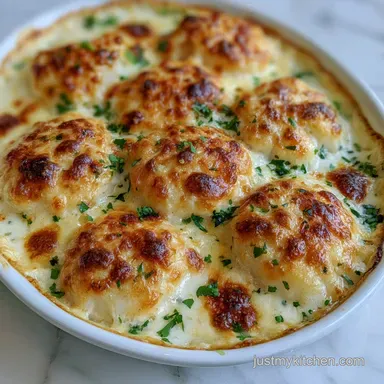
Coquilles Saint-Jacques: French Scallops Au Gratin
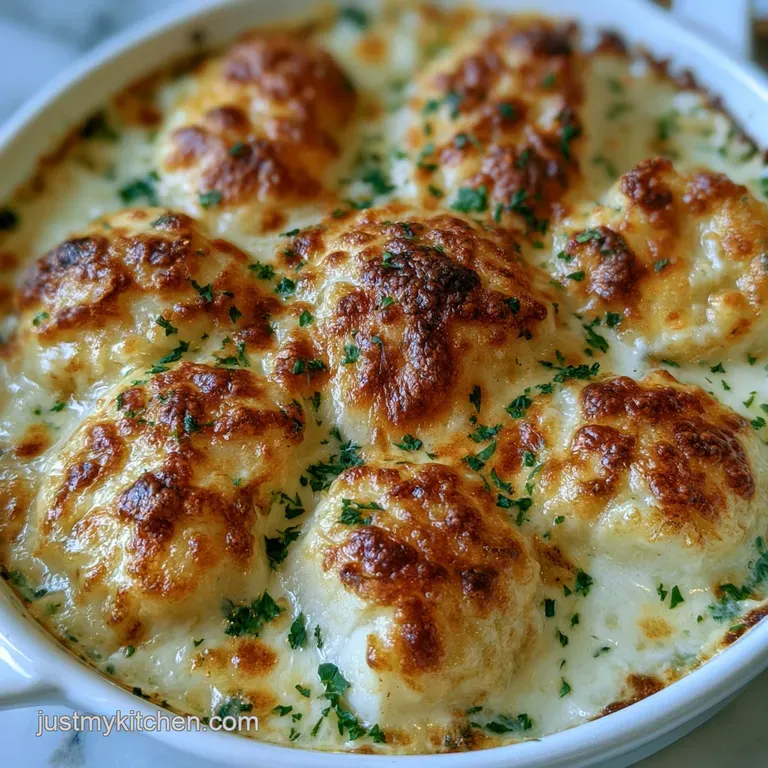
- Time: 10 min active + 20 min cook = Total 30 mins
- Flavor/Texture Hook: Silky cream sauce topped with a shatter crisp cheese crust
- Perfect for: An impressive date night or a small dinner party starter
- Easy Coquilles Saint Jacques for Home Cooks
- The Secret to Velvety Sauce
- Smart Shopping for Scallops
- Essential Tools for Success
- Step-by-Step Cooking Guide
- Common Mistakes and Fixes
- Troubleshooting Common Issues
- Flexible Ingredient Swaps
- Adjusting Your Portion Sizes
- Debunking Seafood Myths
- Storage and Waste Tips
- What to Serve Alongside
- Recipe FAQs
- 📝 Recipe Card
Easy Coquilles Saint Jacques for Home Cooks
Sizzle. That's the sound of butter hitting a hot pan and shallots beginning to soften. If you've ever stepped into a French bistro, you know that specific smell the mix of garlic, white wine, and rich cream that seems to hang in the air.
For a long time, I thought this dish was reserved for people with fancy degrees from culinary schools in Paris, but it's actually just a series of simple steps that anyone can nail at home.
Growing up, we always saw this as the "fancy" option on the menu, something you'd order for an anniversary or a special celebration. There's something about the presentation those scallops nestled in a creamy sauce and topped with a golden crust that feels like an event.
But when you break it down, Coquilles Saint Jacques is really just about balancing the sweetness of the scallop with a hit of acid from the wine and the saltiness of Gruyère.
The goal here isn't to be a Michelin chef, but to get that velvety texture and that mahogany brown top. I've spent plenty of time in my own kitchen figuring out how to keep the scallops tender while getting the sauce thick enough to hold its own.
We're going for a budget smart approach here, using ingredients you can find at any grocery store while keeping the results feeling high end.
The Secret to Velvety Sauce
You don't need a chemistry degree to get this right, but knowing a few tricks helps. The magic happens when we combine heat, fat, and a bit of starch.
- The Flour Bridge: Mixing butter and flour creates a roux, which acts as a stabilizer. This prevents the heavy cream from separating when it hits the heat.
- The Acid Cut: Reducing the white wine by half concentrates the flavor and removes the harsh alcohol bite. This acidity cuts through the heavy fat of the cream and cheese.
- Protein Gentleness: Poaching the scallops in the wine reduction rather than searing them at high heat prevents them from tightening up. This keeps the texture tender and juicy.
- The Gratin Crust: Combining Panko with melted butter and cheese creates a barrier. This allows the topping to shatter when you bite into it while the sauce underneath stays creamy.
Since we're using a stovetop to oven method, there's a specific balance we need to hit. Here is how the two main methods compare if you're deciding how to approach the base.
| Method | Time | Texture | Best For |
|---|---|---|---|
| Stovetop Only | 20 mins | Soft and creamy | Quick weeknight meals |
| Oven Broil | 25 mins | Shatter crisp top | Special occasion guests |
| Slow Poach | 40 mins | Ultra tender | Maximum flavor infusion |
The broiler method is the gold standard for Coquilles Saint Jacques because that contrast between the hot, bubbling cheese and the soft scallop is where the joy is.
Smart Shopping for Scallops
When you're heading to the store, the biggest decision is the scallop. For this Coquilles Saint Jacques recipe, I recommend sea scallops because they hold their shape well in a sauce. You can find them fresh or frozen, and as long as you pat them completely dry, both work.
Regarding the cheese, Gruyère is the traditional choice because it melts beautifully and has a nutty punch. However, if you're on a budget, a good quality Swiss cheese works as a solid alternative.
The key is to avoid pre shredded cheese if you can, as the cornstarch coating on those bags can make your sauce a bit grainy.
| Original Ingredient | Substitute | Why It Works |
|---|---|---|
| Sea Scallops | Bay Scallops | Smaller and sweeter. Note: Requires shorter cooking time |
| Gruyère Cheese | Swiss Cheese | Similar melting point. Note: Slightly milder flavor profile |
| White Wine | Dry Vermouth | Similar acidity and herbal notes. Note: Stronger flavor, use slightly less |
| Panko Breadcrumbs | Standard Breadcrumbs | Provides crunch. Note: Less "shatter" than Panko |
Buying frozen scallops is a great way to keep costs down. Just make sure they aren't treated with sodium tripolyphosphate, which can give them a soapy taste and prevent them from browning. You can check the labels or consult guides on Serious Eats to learn more about spotting high-quality seafood.
Essential Tools for Success
You don't need a professional kitchen to make Coquilles Saint Jacques, but a few specific tools make the process way smoother. A heavy bottomed sauté pan is non negotiable for the scallops, and a small saucepan is best for the velouté.
If you don't have actual scallop shells, don't stress. Ramekins are actually more practical because they keep the heat consistent and are much easier to clean. I usually use 4 oz ceramic dishes.
For the sauce, a whisk is your best friend. Trying to stir flour and cream with a spoon is a recipe for lumps, and nothing ruins the vibe of this dish like a lumpy sauce. A silicone spatula is also handy for folding the scallops into the cream without breaking them.
Step-by-step Cooking Guide
Let's get into it. This is a relatively quick process, but timing is everything. We want the scallops to be just barely cooked through before they hit the oven.
Prepping the Aromatics
Melt 2 tbsp of butter in a sauté pan over medium heat. Add the minced shallots and garlic, cooking for about 3 minutes until they are translucent and smell fragrant. Don't let the garlic brown, or it will turn bitter and overpower the delicate scallops.
Crafting the Velouté
In a separate saucepan, melt 2 tbsp of butter. Whisk in the flour and cook for 2 minutes until the mixture smells slightly nutty. This removes the raw flour taste. Slowly pour in the heavy cream while whisking constantly.
Stir in the salt, white pepper, and nutmeg, then simmer on low until the sauce is thick enough to coat the back of a spoon.
Gently Poaching the Scallops
Go back to your sauté pan. Pour in the white wine and let it bubble until the liquid has reduced by half. Gently fold in the scallops. Cook for 2 minutes until the edges turn opaque. Remove them from the heat immediately.
If you overcook them here, they'll turn into rubber balls in the oven.
Assembling and Broiling
Fold the poached scallops and the remaining pan juices into the creamy velouté. Gently spoon the mixture into scallop shells or ramekins. In a small bowl, mix the Panko, grated Gruyère, melted butter, and parsley. Sprinkle this generously over each dish.
Place them under the broiler for 3-5 minutes until the topping is bubbling and deep mahogany brown.
Chef's Note: If your broiler is very powerful, stay right there and watch them. It can go from "golden" to "burnt" in about 30 seconds.
Common Mistakes and Fixes
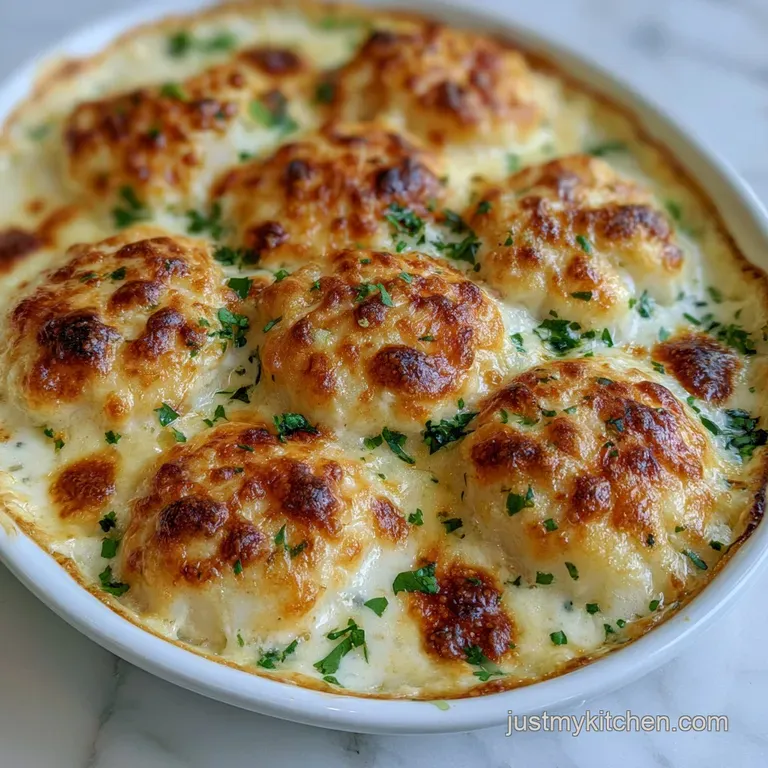
The most common issue people have with Coquilles Saint Jacques is the texture of the scallops. If they feel like erasers, you've likely overcooked them during the poaching phase or left them under the broiler too long.
Troubleshooting Common Issues
| Issue | Solution |
|---|---|
| Why Your Scallops Turned Rubbery | This usually happens because the proteins tightened up too much. Remember that scallops continue to cook even after you take them off the heat. The goal is to get them just barely opaque before adding |
| Why Your Sauce Broke | If you see oil droplets floating on top of your cream, the emulsion has broken. This happens if the heat is too high or if the roux wasn't cooked enough. You can usually fix this by whisking in a teas |
| Why Your Topping Isn't Crispy | A soggy topping usually means there wasn't enough butter in the Panko mixture or the broiler wasn't hot enough. Make sure your oven is fully preheated to the "Broil" setting before you slide the dishe |
Common Mistakes Checklist:
- ✓ Pat scallops dry with paper towels before cooking.
- ✓ Use a whisk for the velouté to avoid lumps.
- ✓ Don't brown the garlic in the first step.
- ✓ Stop cooking scallops the second they turn opaque.
- ✓ Use the top rack of the oven for the gratin crust.
Flexible Ingredient Swaps
While Coquilles Saint Jacques is a classic, you can definitely tweak it to fit your pantry. If you don't have white pepper, regular black pepper works, though it adds little black specks to the white sauce.
For a more earthy vibe, you can add a teaspoon of Dijon mustard to the velouté. It adds a sharp tang that balances the richness of the cream. If you want something a bit more modern, a squeeze of fresh lemon juice right before broiling adds a bright note that awakens the whole dish.
If you're looking for a gluten-free version, swap the all purpose flour for a 1:1 gluten-free flour blend. Just be careful, as some GF flours thicken faster than others, so keep a bit of extra cream on hand to adjust the consistency.
Adjusting Your Portion Sizes
Making this for two people is easy, but scaling up for a party requires a bit of strategy. You can't just multiply everything and hope for the best.
Scaling Down (½ portion): Use a smaller sauté pan so the wine doesn't evaporate too quickly. Reduce the cooking time for the shallots by about a minute.
Since you'll be using one egg if you're adding a binder (though not in this recipe), just halve the butter and flour measurements exactly.
Scaling Up (2x-4x portion): Work in batches for the scallops. If you crowd the pan, they will steam instead of poaching, and you'll lose that concentrated wine flavor. Increase the salt and pepper by only 1.5x at first, then taste and adjust.
For the sauce, you may need to simmer it for a few extra minutes to reach the right thickness due to the larger volume of liquid.
If you're baking 12 or more ramekins at once, lower the broiler temperature slightly and extend the time by 2 minutes to ensure the middle dishes get as brown as the edges.
Debunking Seafood Myths
There's a lot of noise about how to handle shellfish. Let's clear a few things up.
First, some people believe you must sear scallops at extremely high heat to "seal in the juices." This is a myth. Searing adds flavor, but it doesn't create a seal. In this Coquilles Saint Jacques version, we poach them because it preserves the delicate texture better for a baked dish.
Second, there's a belief that only "wild caught" scallops are suitable for French cooking. While wild scallops have a different flavor, farmed sea scallops are often more consistent in size and texture, making them ideal for this specific recipe.
Storage and Waste Tips
If you have leftovers (which is rare, because this dish is a crowd pleaser), you can store the un broiled mixture in an airtight container in the fridge for up to 2 days. When you're ready to eat, just spoon it into ramekins, add the topping, and broil.
Freezing Guidelines: I don't recommend freezing the finished dish. The cream sauce can separate, and the scallops can become mealy. However, you can freeze the poached scallops in their wine reduction for up to a month. Thaw them in the fridge before folding them into a fresh batch of velouté.
Zero Waste Ideas: Don't throw away the scallop "foot" (the tough side muscle) if you're cleaning them yourself. While too chewy to eat in the dish, you can toss them into a seafood stock pot. Also, save any leftover white wine for a simple pan sauce for fish or to deglaze a vegetable sauté.
What to Serve Alongside
Since Coquilles Saint Jacques is so rich and buttery, you need sides that provide a contrast. Something acidic or fresh is the way to go.
A crisp green salad with a sharp lemon vinaigrette is the classic pairing. The acidity cleanses the palate between bites of the creamy scallops. Alternatively, some steamed asparagus or sautéed spinach with a squeeze of lime adds a nice pop of color and nutrition.
For starch, skip the heavy potatoes. Instead, go for a toasted baguette. The crusty bread is perfect for scooping up every last drop of that velvety sauce from the bottom of the ramekin.
If you're wondering about wine, a chilled glass of Sauvignon Blanc or a dry Chardonnay mirrors the flavors in the sauce and completes the experience.
Ultimately, this dish is about treating yourself. Whether you use a budget friendly frozen scallop or the fanciest fresh catch, the combination of cream, cheese, and wine makes it feel like a celebration. Trust the process, watch your heat, and enjoy that first shatter of the cheese crust.
Recipe FAQs
What are Coquilles Saint Jacques?
A classic French seafood dish. It consists of sea scallops poached in white wine and simmered in a creamy velouté, topped with Gruyère and breadcrumbs, then broiled.
What is Coquilles Saint Jacques in English?
It translates to "St. James Scallops." While the term can refer to the shellfish itself, it most often describes this specific gratinated seafood preparation.
What is the difference between scallops and Coquilles Saint Jacques?
One is an ingredient, the other is a prepared dish. Scallops are the raw seafood, whereas Coquilles Saint Jacques is the completed recipe featuring a cream sauce and cheesy crust.
Is Coquilles Saint Jacques hard to make?
No, it is relatively straightforward. The total time is only 30 minutes, though it requires precise timing during poaching and broiling to maintain the correct texture.
Why do my scallops feel rubbery or like erasers?
You likely overcooked them. This happens if you poach the scallops for longer than 2 minutes or leave them under the broiler for too long.
How to store leftovers of this dish?
Place the unbroiled mixture in an airtight container. Keep it in the fridge for up to 2 days, then spoon it into ramekins and add the topping immediately before broiling.
Is it true that I can freeze the finished gratinated dish?
No, this is a common misconception. Freezing the finished dish can cause the cream sauce to separate and the scallops to become mealy.
Creamy Coquilles Saint Jacques