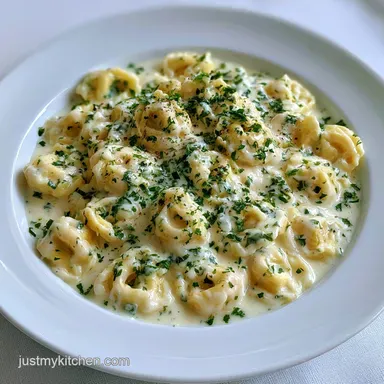
Cheese Tortellini Pasta: Creamy and Rich
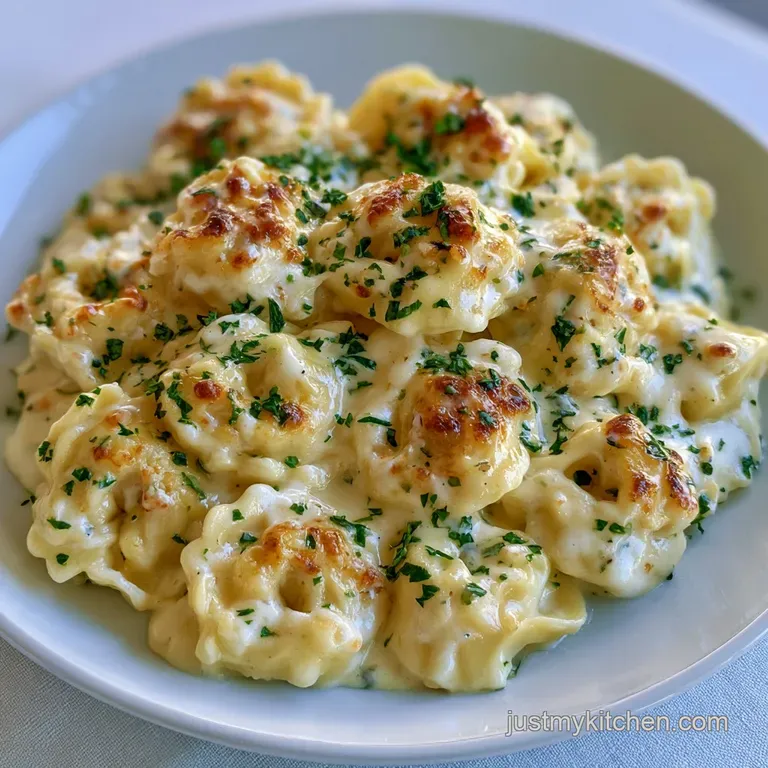
- Time: 5 min active + 15 min cook = 20 min total
- Flavor/Texture Hook: Velvety, nutmeg scented cream sauce
- Perfect for: Stress free weeknight dinners
That sound of butter foaming in a hot skillet is practically a dinner bell in my house. There is something about the smell of garlic hitting hot fat that just tells your brain it's time to relax. I remember one rainy Tuesday a few years back when I tried to be "fancy" by making a complex Mornay sauce from scratch.
I spent forty minutes whisking, only for the cheese to clump into these weird, rubbery pebbles. I was exhausted, starving, and honestly, ready to order pizza.
In a fit of desperation, I grabbed a bag of refrigerated tortellini and just threw them into a pan with some heavy cream, a handful of Parmesan, and a pinch of nutmeg. It took fifteen minutes. The result was a velvety, rich dish that put my "professional" attempt to shame.
That's when I realized that for a Cheese Tortellini Pasta, the simplicity of the ingredients is actually the strength. You don't need a culinary degree, you just need to know when to pull the pan off the heat.
This recipe is all about that balance of salt, fat, and a tiny hint of warmth from the nutmeg. We're going to focus on a high speed flow that gets you from the fridge to the table in twenty minutes flat. It's the kind of meal that feels like a hug in a bowl, but doesn't leave you scrubbing pots for an hour afterward.
Why this Cheese Tortellini Pasta works
The secret here isn't a hidden ingredient, but how we handle the heat and the liquids. If you just dump cream and cheese together, you often end up with a greasy puddle or a thick paste. We avoid that by using a few simple tricks.
- Starch Binding: Using a splash of the cloudy pasta water acts as a bridge between the water based cream and the fat based cheese.
- Temperature Control: Adding the cheese on low heat prevents the proteins from tightening up and separating.
- Aromatic Base: Sautéing garlic in butter first creates a flavor foundation that cuts through the richness of the heavy cream.
- Nutmeg Contrast: A tiny bit of nutmeg doesn't make it taste like a pumpkin pie, it actually highlights the creaminess of the dairy.
| Method | Time | Texture | Best For |
|---|---|---|---|
| Stovetop | 20 mins | Velvety & Glossy | Quick weeknight meals |
| Oven Bake | 45 mins | Bubbly & Crusty | Family gatherings |
| Cold Salad | 15 mins | Firm & Fresh | Meal prep/Lunches |
Component Analysis
I've spent a lot of time figuring out which parts of this dish do the heavy lifting. It's not just about adding things to a pot, it's about what each ingredient is actually doing for the final bite.
| Ingredient | Science Role | Pro Secret |
|---|---|---|
| Pasta Water | Emulsifier | Keep it cloudy; that's where the starch lives |
| Heavy Cream | Fat Base | Use room temp cream to prevent splitting |
| Parmesan | Salt/Structure | Grate it yourself for a smoother melt |
| Nutmeg | Flavor Bridge | A tiny pinch transforms the sauce from bland to complex |
What Goes Into the Pot
You don't need a massive shopping list for this. Most of these are pantry staples, but I have a few specific preferences to make sure the texture stays silky.
- 20 oz refrigerated cheese tortelliniWhy this? Cooks faster and has a softer bite than dried pasta
- 4 quarts water
- 1 tbsp salt
- 3 tbsp unsalted butterWhy this? Allows you to control the salt levels exactly
- 3 cloves garlic, minced
- 1 cup heavy creamWhy this? Provides the necessary fat for a stable emulsion
- 1/2 cup freshly grated Parmesan cheeseWhy this? Pre shredded cheese has cornstarch that makes sauces grainy
- 1/4 tsp ground nutmeg
- 1/2 tsp black pepper
- 1/4 cup reserved pasta water
If you're looking for a different flavor profile, you could swap the cream for something lighter, but be careful. According to Serious Eats, the fat content in heavy cream is what keeps the sauce from breaking when you add the cheese.
| Original Ingredient | Substitute | Why It Works |
|---|---|---|
| Heavy Cream (1 cup) | Half and Half (1 cup) | Lighter feel. Note: Sauce will be thinner and less rich |
| Parmesan (1/2 cup) | Pecorino Romano (1/2 cup) | Similar saltiness. Note: Much sharper, more aggressive flavor |
| Butter (3 tbsp) | Olive Oil (2 tbsp) | High smoke point. Note: Loses the creamy, nutty butter taste |
Honestly, don't even bother with low-fat cheese here. You'll lose the melt, and the sauce will look separated. Just go for the full fat versions; it's a comfort meal, after all.
The Essential Kitchen Gear
You don't need a fancy setup for this. A couple of basic pieces of gear will do the trick, but the size of your pan actually matters more than you'd think.
I recommend a large pot for the pasta and a wide skillet for the sauce. If your skillet is too small, the cream will evaporate too quickly, and you'll end up with a thick paste rather than a sauce. A 12 inch stainless steel or non stick skillet is the sweet spot.
Also, a microplane or fine grater is a must for the Parmesan. If you use a box grater, the pieces are often too large to melt instantly, which can lead to those annoying little clumps of cheese.
Step-by-step Cooking Flow
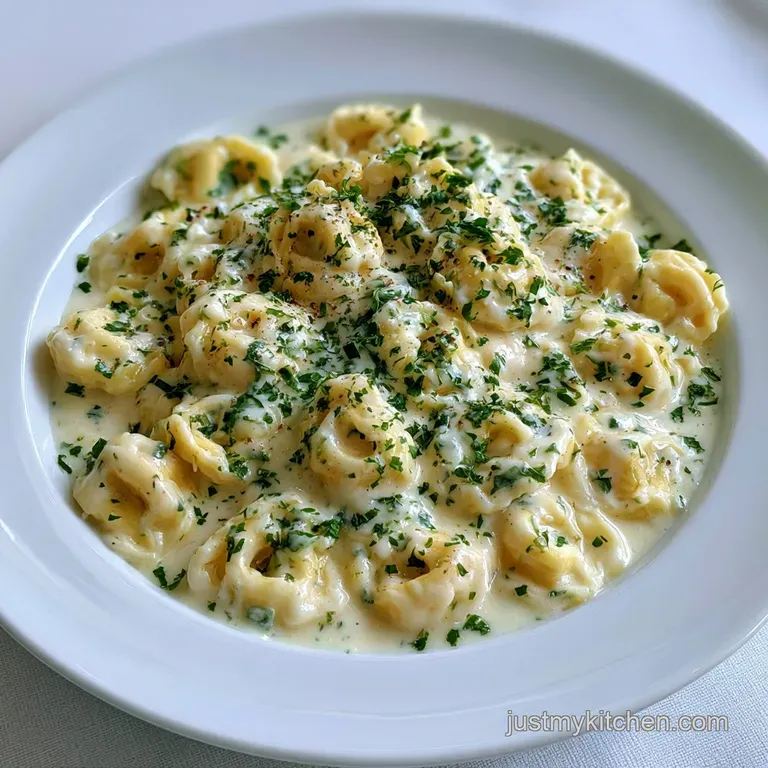
Let's crack on with the actual cooking. I like to think of this in three phases: the boil, the base, and the finish. This keeps the kitchen from feeling chaotic.
Phase 1: The Boil
- Bring the salted water to a rolling boil. Note: Salt the water heavily; it's your only chance to season the pasta itself.
- Add the cheese tortellini and cook according to package directions (usually 3–5 minutes) until they float to the surface.
- Just before draining, scoop out 1/4 cup of the cloudy pasta water.
- Drain the pasta and set it aside.
Phase 2: The Base
- Place a skillet over medium heat and melt the butter until it begins to foam.
- Add the minced garlic and sauté for 1 minute until translucent and aromatic. Note: Don't let the garlic brown, or it'll turn bitter.
- Pour in the heavy cream and bring to a gentle simmer for 2–3 minutes until the sauce thickens slightly.
- Stir in the ground nutmeg and black pepper.
Phase 3: The Finish
- Reduce heat to low. Note: This is the most important step to prevent the cheese from curdling.
- Fold in the grated Parmesan cheese and the reserved pasta water, stirring constantly until the sauce becomes glossy.
- Gently fold in the cooked tortellini until every piece is evenly coated.
Chef's Note: If you want a deeper flavor, try adding a teaspoon of espresso powder to the cream. It sounds wild, but it adds a hidden earthy note that makes the cheese taste more complex.
Fixing Common Cooking Glitches
Even with a simple Cheese Tortellini Pasta, things can go sideways. Usually, it's a temperature issue. If the sauce looks like it's splitting into oil and solids, don't panic.
The Sauce Breaks
This usually happens if the heat was too high when the cheese went in. The fat separates from the protein. To fix it, take the pan off the heat and whisk in a tablespoon of cold water or a tiny bit more cream.
The Pasta Is Mushy
Overcooking tortellini is easy because they're so soft. Always pull them out 30 seconds before the package says. They'll finish cooking in the sauce.
Garlic Tastes Burnt
If your garlic turned dark brown, it's likely too bitter to save. It's better to wipe the pan and start the butter/garlic step over than to ruin the whole batch of cream.
| Problem | Root Cause | Solution |
|---|---|---|
| Grainy Sauce | Cheese added to boiling liquid | Lower heat to low before stirring in Parmesan |
| Sauce Too Thick | Over reduction of cream | Stir in an extra tablespoon of pasta water |
| Bland Taste | Lack of salt in pasta water | Add a pinch of salt or a squeeze of lemon at the end |
Common Mistakes Checklist:
- ✓ Did you reserve the pasta water before draining?
- ✓ Is the heat on LOW before adding the cheese?
- ✓ Did you grate the cheese fresh instead of using a bag?
- ✓ Did you sauté the garlic for only 60 seconds?
- ✓ Did you avoid overcooking the tortellini?
Ways to Swap Flavors
Once you've got the hang of the basic Cheese Tortellini Pasta, you can start playing with the variations. I often use this base as a starting point for other things.
For a more protein heavy meal, try adding sliced grilled chicken or sautéed shrimp. If you're feeling fancy, a few leaves of fresh spinach stirred in at the very end will wilt perfectly and add some color. For a truly indulgent version, you can check out my Homemade Alfredo Sauce and use that as the base instead of the cream/butter mixture.
If you want something with a bit more zing, a squeeze of fresh lemon juice right before serving cuts through the richness beautifully. In fact, if you like that bright profile, my Creamy Garlic Lemon Butter Sauce is a fantastic alternative for the base of this dish.
Decision Shortcut: If you want more veg → Stir in frozen peas or baby spinach in Step 11. If you want more heat → Add 1/2 tsp red pepper flakes to the butter and garlic. If you want a "bakery" style → Transfer to a dish, top with mozzarella, and broil for 3 mins.
Saving and Warming Leftovers
Cream sauces can be tricky because they tend to "tighten up" in the fridge. When you reheat them, they can sometimes separate into a greasy mess.
Storage: Store leftovers in an airtight container in the fridge for up to 3 days. Don't freeze this specific version; the cream and cheese often separate and become grainy upon thawing.
Reheating: Avoid the microwave if you can. Instead, put the pasta in a small pan over medium low heat. Add a splash of milk or water to loosen the sauce back up. Stir gently so you don't break the tortellini.
Zero Waste Tip: If you have a bit of the cream sauce left in the pan, don't wash it away. Pour it over a piece of toasted sourdough bread for a quick, rich appetizer the next morning.
Making the Plate Pop
Presentation is the difference between "Tuesday night dinner" and "I actually tried." Since this dish is very white and creamy, it needs contrast.
Start with a shallow bowl rather than a flat plate; it keeps the sauce pooled around the pasta. Top the dish with a sprinkle of fresh parsley or chives for a pop of green. A final crack of fresh black pepper adds a professional look and a bit of bite.
For a "Bistro" style plating, serve it with a side of charred broccolini or a simple arugula salad with a lemon vinaigrette. The acidity of the greens balances the heavy fat of the Cheese Tortellini Pasta perfectly.
Trust me, the contrast in textures the velvety pasta and the crisp greens makes the whole meal feel complete.
High in Sodium
937 mg 937 mg of sodium per serving (41% 41% of daily value)
The American Heart Association recommends a daily sodium limit of no more than 2,300 mg for most adults to maintain heart health.
Tips to Reduce Sodium
-
Reduce Boiling Salt-25%
Omit or significantly reduce the 1 tablespoon of salt added to the pasta water, as much of this sodium is absorbed by the tortellini.
-
Swap Tortellini-20%
Choose a low-sodium brand of refrigerated tortellini or make your own fresh pasta to avoid processed preservatives.
-
Limit Parmesan-15%
Reduce the amount of grated Parmesan cheese or use a small amount of a sharper, aged variety to maintain flavor with less volume.
-
Enhance with Aromatics
Add fresh parsley or a squeeze of lemon juice to the sauce to provide a bright, zesty flavor without adding any sodium.
Recipe FAQs
What sauce do you eat with cheese tortellini?
A creamy garlic Parmesan sauce is the best choice. The richness of heavy cream and butter complements the cheese filling perfectly without overpowering it.
What pairs with cheese tortellini?
Light side salads or steamed vegetables work best. Acidic dressings help cut through the heavy cream sauce. For a complete meal, follow this dish with a classic tiramisu for dessert.
What to add to tortellini to make it better?
Add a pinch of ground nutmeg. This specific spice enhances the savoriness of the Parmesan and cream, adding a professional depth of flavor.
What sauce do Italians eat with tortellini?
They often use a simple butter and sage sauce or a light cream base. This recipe's combination of butter, garlic, and Parmesan closely follows those traditional Italian profiles.
How to prevent the cream sauce from breaking?
Reduce the heat to low before stirring in the Parmesan. Adding cheese to a boiling liquid can cause the sauce to separate; a gentle fold ensures a glossy, stable emulsion.
Is it true I should rinse the tortellini after boiling?
No, this is a common misconception. Rinsing removes the natural starches that allow the cream sauce to cling to the pasta.
How to reheat leftover tortellini?
Add a splash of water or cream before microwaving. Stir gently and heat in short intervals to keep the pasta tender and the sauce smooth.
Cheese Tortellini Pasta