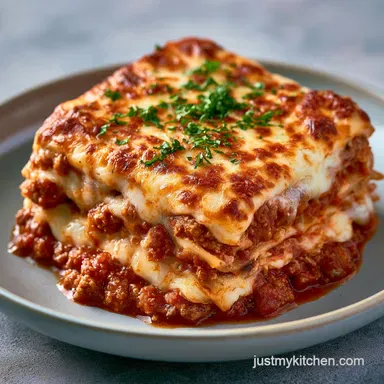
The Ultimate Italian Lasagna: Rich and Creamy
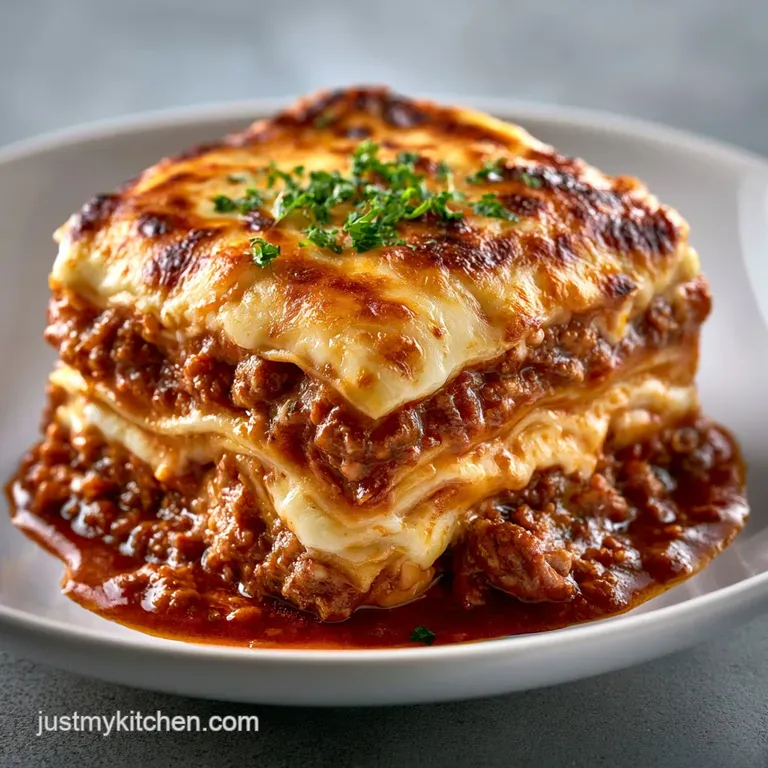
- Time:30 minutes active + 45 minutes cooking = Total 1 hour 30 mins
- Flavor/Texture Hook: Velvety cream layers with a golden, bubbling cheese crust
- Perfect for: Sunday family dinners or impressive meal prep for the week
- The Best Italian Lasagna Recipe
- Why This Bake Works
- Comparison of Cooking Styles
- Component Analysis
- Ingredients and Swaps
- Kitchen Gear Needed
- From Prep to Plate
- Fixing Common Blunders
- Troubleshooting Common Issues
- Adjusting the Batch
- Kitchen Myths Debunked
- Storage and Waste
- Serving Your Feast
- Very High in Sodium
- Recipe FAQs
- 📝 Recipe Card
The Best Italian Lasagna Recipe
That first sizzle of ground beef and sausage hitting a hot pot is the signal that Sunday has officially started. In my house, the aroma of garlic and San Marzano tomatoes simmering on the stove doesn't just mean dinner is coming, it means we're slowing down.
There is something about the weight of a heavy baking dish and the sound of a knife slicing through layers of pasta and cheese that feels like a warm hug from a grandmother you've never even met.
Growing up, I learned that a real italian lasagna recipe isn't about speed, it's about the patience of the layers. I remember watching my aunt meticulously spread the ricotta, making sure not a single corner of the pan was left empty. She used to say that the gaps are where the magic disappears.
That's why I'm sharing this version with you, because it respects those traditions while keeping the process stress free for a modern kitchen.
You can expect a dish that is structurally sound, meaning it won't collapse into a puddle of sauce on your plate. We're combining the richness of a traditional meat ragu with the silky texture of a béchamel sauce, creating a contrast that makes every bite feel balanced.
Trust me, once you try this italian lasagna recipe, you'll never go back to the store-bought jar sauce versions.
Why This Bake Works
Instead of just piling ingredients in a pan, this approach uses a few simple principles to make sure the texture is just right.
- Starch Management: Cooking noodles al dente prevents them from absorbing all the sauce in the oven, which stops the dish from becoming mushy.
- Fat Emulsion: The béchamel acts as a moisture barrier between the meat sauce and the pasta, keeping the layers distinct and velvety.
- Evaporation Control: Baking covered first traps steam to cook the pasta, while removing the foil later allows the top to shatter and brown.
- Temperature Stability: Resting the dish for 15 minutes allows the proteins and fats to set, ensuring the slices stay square and neat.
Comparison of Cooking Styles
Depending on how much time you have or what equipment you prefer, you might wonder if there's a better way to handle the heat.
| Method | Time | Texture | Best For |
|---|---|---|---|
| Oven Bake | 45 minutes | Golden crust, structured layers | Traditional family meals |
| Stovetop | 30 minutes | Softer edges, more sauce heavy | Quick cravings, small portions |
| Slow Cooker | 4-6 hours | Very tender, less browned | Set and forget hosting |
But for this specific italian lasagna recipe, the oven is non negotiable if you want that iconic cheesy top.
Component Analysis
Every part of this dish has a job to do. If you skip one or use the wrong version, the whole structure changes.
| Ingredient | Science Role | Pro Secret |
|---|---|---|
| San Marzano Tomatoes | Acidity Balance | Use whole peeled and crush by hand for better texture |
| Whole Milk | Fat Base | Warm the milk slightly to prevent béchamel lumps |
| Lasagna Noodles | Structural Support | Rinse with cold water after boiling to stop sticking |
| Nutmeg | Flavor Bridge | Just a pinch connects the creaminess of milk to the richness of meat |
Ingredients and Swaps
Get your ingredients ready before you start. This prevents the panic of realizing you're out of milk while the butter is already browning.
- 1 lb ground beef Why this? Provides the hearty base (Substitute: Ground turkey for a leaner option, though it's less flavorful)
- 1 lb Italian sausage Why this? Adds fat and fennel notes (Substitute: Ground pork with extra fennel seeds)
- 1 large onion, finely chopped (Substitute: Shallots for a milder taste)
- 3 cloves garlic, minced (Substitute: 1 tsp garlic powder, but fresh is better)
- 28 oz can San Marzano tomatoes Why this? Low acidity, sweet flavor (Substitute: Standard crushed tomatoes, but add a pinch of sugar)
- 2 tbsp tomato paste (Substitute: Extra tomato puree)
- 1 cup red wine Why this? Deepens the sauce color and taste (Substitute: Beef broth with 1 tsp balsamic vinegar)
- 1 tsp dried oregano (Substitute: Fresh basil)
- 1 tsp salt (Substitute: Kosher salt)
- 1/2 tsp black pepper (Substitute: White pepper)
- 1/2 tsp red pepper flakes (Substitute: Cayenne pepper for more heat)
- 4 tbsp unsalted butter Why this? Essential for the roux (Substitute: Margarine, though flavor drops)
- 4 tbsp all purpose flour (Substitute: gluten-free 1:1 blend)
- 3 cups whole milk Why this? Creates a velvety sauce (Substitute: 2% milk, but it'll be thinner)
- 1/4 tsp grated nutmeg (Substitute: Mace)
- 12 lasagna noodles Why this? Holds the layers together (Substitute: No boil noodles, but increase sauce by 20%)
- 15 oz ricotta cheese Why this? Adds a creamy, grainy contrast (Substitute: Cottage cheese, blended until smooth)
- 2 cups shredded mozzarella cheese (Substitute: Provolone for a sharper tang)
- 1/2 cup grated Parmesan cheese (Substitute: Pecorino Romano for saltiness)
Kitchen Gear Needed
You don't need a professional kitchen for this italian lasagna recipe, but a few things make it way easier. A 9x13 inch baking dish is the standard, but make sure it's deep enough to handle the layers without overflowing. I highly recommend a heavy bottomed pot for the sauce to prevent the tomatoes from scorching.
For the béchamel, a whisk is your best friend. If you have one, a stand mixer such as KitchenAid is great for other things, but here, a simple saucepan and a handheld whisk will do the trick.
Don't forget some parchment paper to lay your noodles on, otherwise, they'll stick together and tear when you try to layer them.
From Prep to Plate
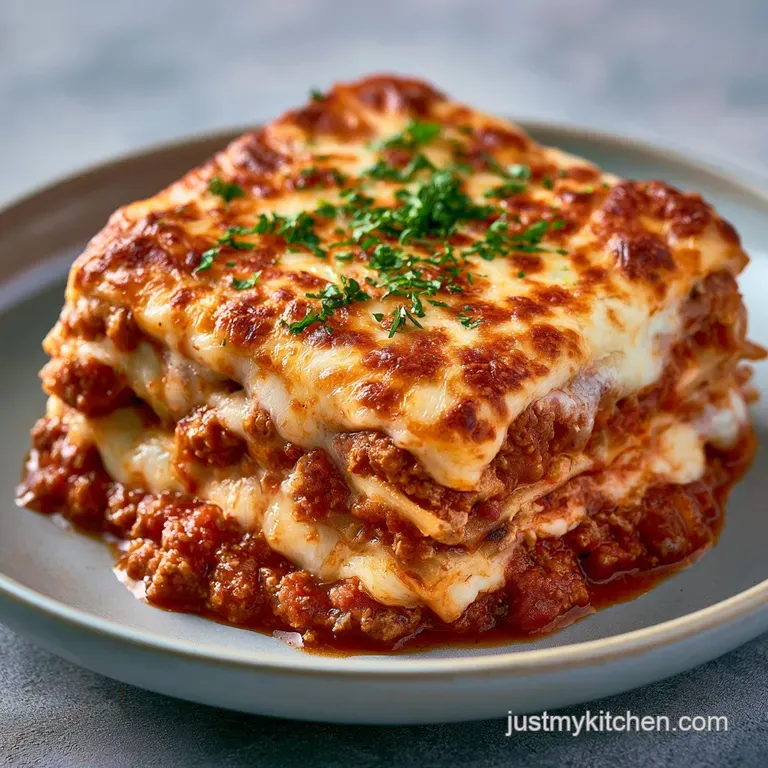
Let's get into the flow. I like to treat this like a construction project, getting the components ready before the assembly starts.
1. Prepare the Meat Sauce
Cook the ground beef and sausage in a large pot over medium heat until browned (about 8 minutes). You'll hear a loud sizzle and see the meat change from pink to a deep brown. Drain the excess fat, then toss in your onions and sauté them until they're translucent and soft. Stir in the garlic, San Marzano tomatoes, tomato paste, and seasonings. Let it simmer for 20 minutes. This is where the flavors meld, according to the guides at Serious Eats, slow simmering is what removes the "raw" taste of the tomato.
2. Make the Béchamel Sauce
In a medium saucepan, melt the butter over medium heat. Whisk in the flour and cook for 1 minute. It should look like a pale paste. Gradually pour in the whole milk, whisking constantly until the sauce thickens and looks velvety.
Stir in the nutmeg and salt, then remove it from the heat immediately so it doesn't overcook.
3. Cook the Noodles
Boil a large pot of salty water. Add your lasagna noodles and cook for 8-10 minutes until al dente. Don't overcook them here, as they'll cook more in the oven. Drain them and lay them flat on parchment paper. If you don't, they'll clump into one giant pasta ball.
4. Layer the Lasagna
Grab your 9x13 inch dish. Spread a thin layer of meat sauce on the bottom. This prevents the noodles from sticking. Layer noodles, then béchamel, then ricotta, then mozzarella, and finally meat sauce. Repeat this cycle.
Finish the whole thing with a final layer of béchamel and a generous dusting of Parmesan cheese on top.
5. Bake the Lasagna
Preheat your oven to 375°F (190°C). Cover the dish tightly with foil. Bake for 25 minutes. Remove the foil and bake for another 20 minutes until the top is golden and bubbling. You'll smell the toasted cheese and see the sauce popping at the edges.
6. Serve and Enjoy
This is the hardest part. Let the lasagna rest for 15 minutes. If you cut it immediately, the layers will slide apart. Once rested, slice into squares and serve.
Fixing Common Blunders
Even with a great italian lasagna recipe, things can go sideways. Usually, it's a matter of moisture or temperature.
Troubleshooting Common Issues
| Issue | Solution |
|---|---|
| Why Your Lasagna Is Soggy | This usually happens if the noodles are overcooked during the boiling phase or if you used too much sauce. If the noodles are too soft, they release starch and water into the layers, turning the dish |
| Why Your Cheese Is Burnt | If the top is browning too fast but the middle is cold, your oven might be running hot or the foil was removed too early. Always check the center with a knife to see if it's hot before taking the foil |
| Why The Layers Slide | This is almost always caused by cutting the dish too soon. The cheese and béchamel need time to cool slightly and "grip" the pasta. |
Common Mistakes Checklist
- ✓ Did you drain the grease from the meat? (Too much oil makes it greasy)
- ✓ Did you cook noodles al dente? (Prevents mushiness)
- ✓ Did you use parchment paper for the noodles? (Prevents tearing)
- ✓ Did you let it rest for 15 minutes? (Ensures clean slices)
- ✓ Did you cover with foil for the first 25 mins? (Prevents premature burning)
Adjusting the Batch
Sometimes you're cooking for two, and sometimes you're feeding the whole neighborhood. This italian lasagna recipe scales well, but not linearly.
Scaling Down (1/2 batch) Use a 9x9 inch square pan instead of the 9x13. Reduce the baking time by about 20%, but keep the temperature the same. If the recipe calls for an egg in a ricotta mix (though we used plain here), beat one egg and use half.
Scaling Up (2x batch) If you're doubling this, work in two separate 9x13 pans rather than one giant deep dish. If you use one massive pan, the middle will stay raw while the edges burn. Only increase the salt and spices to 1.5x, as they can become overpowering.
Reduce the overall liquid by about 10% to prevent the pans from overflowing.
For those making a double batch, I recommend lowering the oven temperature to 350°F (175°C) and extending the bake time by 15-20 minutes to ensure even heat distribution.
Kitchen Myths Debunked
There are a lot of "rules" floating around about pasta, but some are just noise.
Myth: You must rinse pasta to remove starch. Actually, rinsing is only for when you're layering them on parchment to stop them from sticking. In most pasta dishes, that starch helps the sauce cling. For this italian lasagna recipe, we rinse only to facilitate the layering process.
Myth: No boil noodles taste the same as boiled ones. They don't. No boil noodles have a different texture and absorb significantly more liquid. If you use them, you'll notice the dish is denser and you have to add more sauce to prevent it from being dry.
Myth: Ricotta is the only traditional cheese. While common in the US, many authentic versions use only béchamel and mozzarella/parmesan. Adding ricotta makes this an italian lasagna recipe with ricotta cheese, which adds a lovely creamy texture that many people prefer.
Storage and Waste
Don't let the leftovers go to waste. Lasagna actually tastes better the next day because the flavors have more time to marry.
Storage Guidelines Keep leftovers in an airtight container in the fridge for up to 4 days. For the freezer, let the slices cool completely, wrap them individually in foil, and place them in a freezer bag. They'll stay great for up to 3 months.
Reheating Tips For a single slice, the microwave works, but the oven is better. Heat at 325°F (160°C) covered with foil for 15 minutes to keep the moisture in.
Zero Waste Ideas If you have leftover béchamel, use it as a base for a creamy soup or pour it over steamed vegetables. Any leftover meat sauce can be used for a quick batch of authentic spaghetti sauce the next night. Even the leftover Parmesan rinds can be tossed into a simmering pot of beans or soup to add a deep, salty punch.
Serving Your Feast
Presentation is everything when you've put this much effort into an italian lasagna recipe. I love serving this in the center of the table with a big wooden board.
To balance the richness of the cheese and meat, pair this with a crisp arugula salad with a lemon vinaigrette. The bitterness of the greens cuts right through the velvety béchamel. If you're feeling fancy, a side of garlic knots or a simple focaccia is always a hit.
For a full Italian experience, follow this meal with a light dessert. Since the lasagna is so heavy, something creamy but cold works best. I highly recommend a classic tiramisu to wrap up the night. It provides that perfect coffee infused finish that cleanses the palate after all that cheese.
When serving, use a sharp serrated knife to get through the top crust without squashing the layers. If you're hosting a crowd, you can pre cut the slices while the dish is still in the pan, then lift them out with a wide spatula. This keeps your italian lasagna recipe looking professional and organized on the plate.
Very High in Sodium
1380 mg 1,380 mg of sodium per serving (60% 60% of daily value)
The American Heart Association recommends a daily sodium limit of no more than 2,300 mg, and ideally 1,500 mg for most adults to reduce the risk of cardiovascular disease.
Tips to Reduce Sodium
-
Swap Processed Meat-25%
Replace the Italian sausage with lean ground pork or turkey seasoned with fennel seeds and red pepper flakes to avoid processed sodium.
-
Omit Added Salt-25%
Remove the 1 tsp of salt entirely; the cheeses and sausage already provide sufficient salinity for the dish.
-
No-Salt Added Canned Goods-20%
Use no-salt added San Marzano tomatoes and tomato paste to lower the baseline sodium of the sauce.
-
Moderate the Cheese-15%
Reduce the amount of Parmesan cheese or substitute with a low-sodium alternative to lower the salt density.
-
Enhance with Aromatics
Increase the amount of dried oregano, fresh basil, or garlic to add depth and flavor without adding any sodium.
Recipe FAQs
What does real Italian lasagna have in it?
Béchamel sauce, meat ragù, and pasta. Authentic versions use a white sauce made from butter, flour, and milk instead of relying solely on ricotta for creaminess.
What is the difference between American lasagna and Italian lasagna?
The use of béchamel versus heavy ricotta. American versions typically rely on ricotta, while Italian versions balance the meat sauce with a smooth béchamel. If you enjoy this rich, creamy profile, see how we balance similar flavors in our Alfredo sauce.
What's the secret to the best lasagna?
Letting the dish rest for 15 minutes after baking. This allows the layers to set and the juices to redistribute, ensuring neat portions when sliced.
Can a diabetic have lasagna?
Yes, but in moderation. The noodles and flour contain carbohydrates that can impact blood sugar, so managing portion sizes is essential.
How to prevent lasagna from becoming soggy?
Boil noodles until al dente and drain them thoroughly. Overcooking the pasta releases excess starch and water into the layers, compromising the structure.
How to store and reheat lasagna?
Store in an airtight container for 4 days or freeze for 3 months. Reheat individual slices at 325°F covered with foil for 15 minutes to maintain moisture.
Is it true that I should skip boiling the noodles to save time?
No, this is a common misconception. Boiling the noodles for 8-10 minutes is necessary to achieve the correct texture and prevent the dish from being dry.
Authentic Italian Lasagna