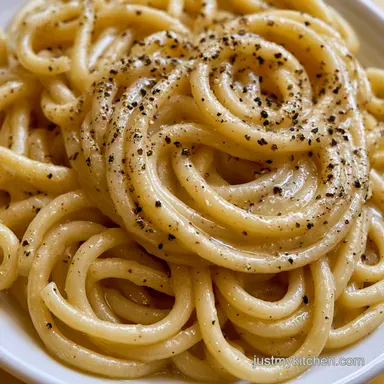
Bucatini Cacio E Pepe: Silky and Peppery
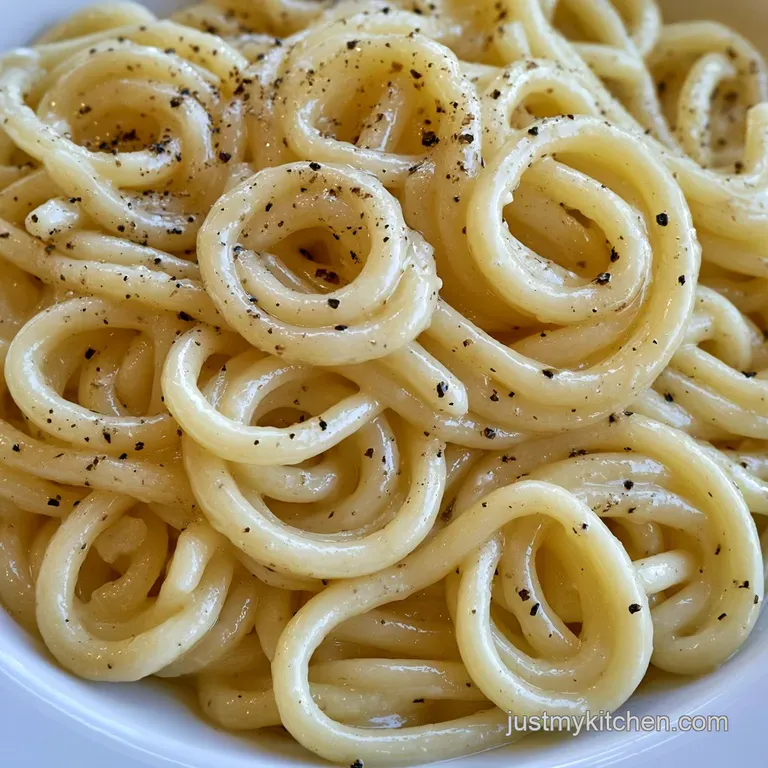
- Time: 5 min active + 15 min cook = 20 min total
- Flavor/Texture Hook: Velvety, peppery, and sharp
- Perfect for: A quick weeknight dinner that feels fancy
- Bucatini Cacio e Pepe
- The Secret to Success
- Ingredient Component Analysis
- Essential Kitchen Tools
- Bringing the Dish Together
- Avoiding Common Sauce Disasters
- Creative Flavor Variations
- Scaling the Recipe
- Debunking Kitchen Myths
- Storage and Waste Secrets
- Plating and Presentation Tips
- High in Sodium
- Recipe FAQs
- 📝 Recipe Card
The first thing you'll notice is that pungent, nutty sizzle when the black pepper hits the hot pan. It's an aroma that fills the whole kitchen and immediately tells you something good is happening. I remember the first time I tried making this for a date.
I was so nervous that I kept the heat too high, and within seconds, my cheese turned into a rubbery, clumped mess that looked more like plastic than pasta. It was a disaster, but it taught me the most important lesson about this dish: the heat is your enemy once the cheese goes in.
Now, I make this whenever I have a random Tuesday night and only twenty minutes to get dinner on the table. It's the ultimate comfort food because it uses a handful of ingredients to create something that tastes like a high end Roman trattoria.
You don't need a dozen pots or a professional kitchen, just some patience and a bit of vigorous stirring. If you've been scared of the "cheese clump," trust me on this, we've got it handled.
Bucatini Cacio e Pepe
The magic of this recipe is in the simplicity, but that simplicity is exactly what makes it tricky. You're essentially making a sauce out of just cheese, pepper, and water. When it works, the sauce is velvety and glossy, coating the hollow bucatini perfectly.
When it doesn't, you get a puddle of water and a ball of cheese. The secret is all in the timing and the temperature of your pan.
Since we're using bucatini, you get a bit more "chew" than you would with standard spaghetti. The hole in the center of the pasta allows a bit of that peppery sauce to get inside, making every bite more intense.
It's a more satisfying experience than the thinner noodles, and it holds up better when you're tossing it vigorously in the skillet.
Right then, let's talk about the feel of the dish. You're looking for a consistency that isn't a thick paste, but a fluid, creamy glaze. If it looks too dry, a splash more of that liquid gold (pasta water) will bring it right back.
If it's too runny, just keep stirring off the heat, and the cheese will eventually bind everything together into a cohesive, silky sauce.
The Secret to Success
You might wonder why we don't just throw everything in a pot and call it a day. The way the ingredients interact is actually pretty cool once you see it happening.
Starch Binding: The pasta water is full of starch from the bucatini, which acts as a bridge between the fat in the cheese and the water. This prevents the cheese from separating into oil and clumps.
Heat Management: Keeping the pan off the burner when adding Pecorino prevents the proteins in the cheese from tightening up and turning rubbery. It allows the cheese to melt slowly into the water.
Flavor Activation: Toasting the peppercorns before adding oil wakes up the essential oils. This transforms the pepper from a simple seasoning into a deep, toasted base for the whole dish.
| Pasta Type | Prep Effort | Texture Profile | Best For |
|---|---|---|---|
| Dried Bucatini | Low | Chewy and hollow | Quick weeknight meals |
| Fresh Bucatini | Medium | Tender and silky | Special date nights |
| Spaghetti | Low | Traditional and light | Classic presentations |
Ingredient Component Analysis
Not all ingredients are created equal here. Since there are so few of them, the quality of each one really stands out.
| Ingredient | Science Role | Pro Secret |
|---|---|---|
| Pecorino Romano | Salty Base | Grate it on the finest hole for a faster melt |
| Black Peppercorns | Aromatic Heat | Coarsely crush them, don't use pre ground powder |
| Bucatini | Structural Base | Undercook by 2 mins to finish in the sauce |
| Pasta Water | Emulsion Agent | Use the cloudiest water from the top of the pot |
Essential Kitchen Tools
You don't need a fancy setup for this, which is why I love it. A large pot for the pasta and a wide skillet are the only non negotiables. I prefer a stainless steel or cast iron skillet because they hold heat consistently, which helps when you're tossing the pasta in the pepper oil.
A box grater is your best friend here. While some people love a Microplane, a fine hole box grater gives you the right consistency of cheese that melts without disappearing instantly. Also, grab a pair of tongs. Trying to stir bucatini with a spoon is a nightmare, but tongs let you twirl and coat every single strand.
Bringing the Dish Together
Let's crack on with the actual cooking. Remember, the transition from the pot to the pan is where the magic happens, so have your cheese ready to go before the pasta is done.
Phase 1: The Pepper Infusion
Place the coarsely crushed peppercorns in a skillet over medium heat. Toast them for 1-2 minutes until the aroma becomes pungent and nutty. Add the olive oil to the skillet and stir for 30 seconds to bloom the spice, ensuring the pepper is fully coated in fat.
Phase 2: The Al Dente Boil
Bring a pot of salted water to a boil and add the bucatini. Cook for 2 minutes less than the package instructions Note: this ensures the pasta finishes cooking in the sauce for maximum flavor. Before draining, reserve 1 cup of the starchy pasta water.
Phase 3: The Creamy Emulsion
Transfer the undercooked bucatini directly into the skillet with the pepper. Add 1/2 cup of the reserved pasta water and toss over medium heat for 1 minute until the water reduces slightly.
Remove the pan from the heat entirely. This is the most critical step. Sprinkle the Pecorino Romano over the pasta, stirring vigorously and constantly until the cheese melts into a velvety, glossy coating. If the sauce looks too thick, add more pasta water one tablespoon at a time until it's smooth.
| Original Ingredient | Substitute | Why It Works |
|---|---|---|
| Pecorino Romano (2 cups) | Parmesan (2 cups) | Similar salt profile. Note: Milder and slightly nuttier than Pecorino |
| Bucatini (1 lb) | Spaghetti (1 lb) | Same wheat base. Note: Lacks the hollow center, so sauce stays outside |
| Olive Oil (1 tbsp) | Unsalted Butter (1 tbsp) | High fat content. Note: Adds a richer, creamier taste but less "zing" |
Avoiding Common Sauce Disasters
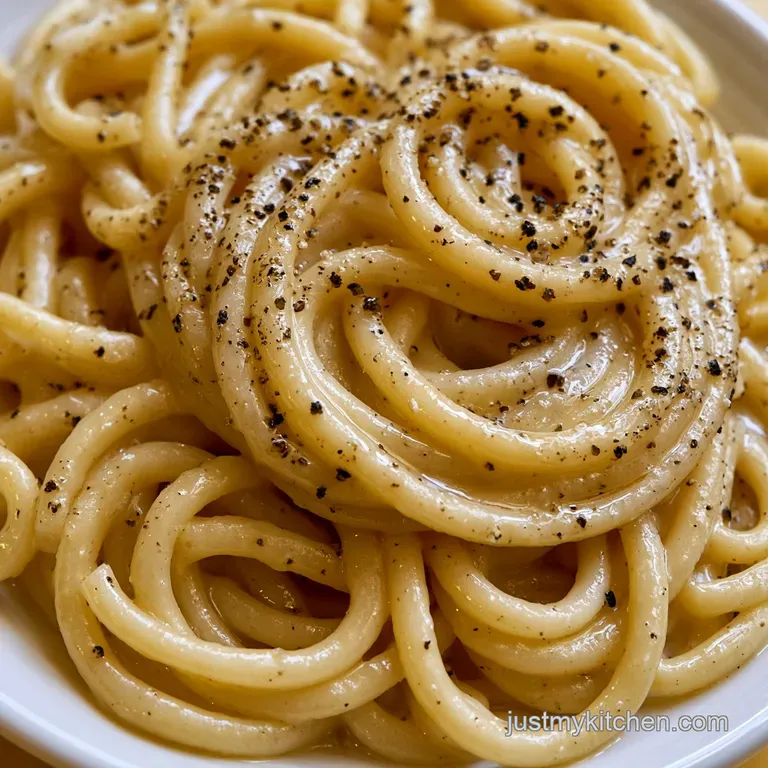
The biggest hurdle with Bucatini Cacio e Pepe is the dreaded "clump." This happens when the cheese is exposed to too much heat too quickly. The proteins bond together and squeeze out the fat, leaving you with rubbery bits of cheese and a watery sauce.
Why Your Sauce Clumps
If you see little balls of cheese, you likely added the Pecorino while the pan was still on the burner. The heat shocks the cheese. To fix this, you have to work quickly with a bit more pasta water and a lot of stirring to try and re incorporate it, but preventing it is much easier.
Why Your Sauce is Watery
A watery sauce usually means there wasn't enough starch in the water or you didn't toss the pasta enough before adding the cheese. The starch is what makes the water "sticky" enough to hold onto the cheese.
| Problem | Root Cause | Solution |
|---|---|---|
| Clumped Cheese | Pan was too hot | Remove pan from heat before adding cheese |
| Watery Sauce | Not enough starch/reduction | Toss pasta in water longer before adding cheese |
| Bland Flavor | Under salted water/pepper | Increase crushed peppercorns or salt the water more |
Common Mistakes Checklist
- ✓ Used pre grated cheese (contains cellulose that prevents melting)
- ✓ Added cheese while the pan was still over the flame
- ✓ Drained all the pasta water without reserving a cup
- ✓ Used pre ground pepper instead of freshly crushed peppercorns
- ✓ Overcooked the pasta in the pot, making it mushy in the pan
Creative Flavor Variations
While the traditional version is a masterpiece, I've played around with a few tweaks that actually work. If you want to branch out, these are the best ways to do it without ruining the balance.
For an Earthy Twist
Add a drizzle of black truffle oil or a few shavings of fresh black truffle at the very end. Since the pepper is already so bold, the truffle adds a layer of muskiness that feels very high end. For more pairing ideas, EPICURIOUS has some great suggestions for sides that complement these heavy flavors.
For a Milder Taste
If the Pecorino is too sharp for you, try a 50/50 split between Pecorino Romano and Parmigiano Reggiano. You'll keep the saltiness but get a smoother, creamier finish.
For a Fresh Contrast
Finish the dish with a squeeze of fresh lemon juice and some lemon zest. The acidity cuts through the heavy fat of the cheese and makes the whole dish feel lighter, which is great for a spring dinner.
Scaling the Recipe
Adjusting the portions is straightforward, but you have to be careful with the salt and water ratios.
Scaling Down (For 2-3 people): Use 1/2 lb of bucatini and 1 cup of cheese. I recommend using a smaller skillet so the pasta water doesn't evaporate too quickly, which can lead to a dry sauce. Reduce the cooking time in the skillet by about 30 seconds.
Scaling Up (For 12 people): Double all ingredients, but only increase the salt in the water to 1.5x. I strongly suggest working in batches. Trying to emulsify two pounds of pasta and four cups of cheese in one pan is a recipe for clumps because you can't stir it vigorously enough to keep the cheese moving.
Debunking Kitchen Myths
There are a few things people say about this dish that just aren't true. Let's clear them up.
The Butter Myth: Many people think you need butter to make the sauce creamy. You don't. The creaminess comes entirely from the emulsion of starchy water and cheese. Butter just adds more fat, which can actually make the sauce break if you're not careful.
The Pre grated Myth: You'll see "shredded" cheese in bags at the store. Don't use it. Those cheeses are coated in potato starch or cellulose to keep them from sticking in the bag, and that coating prevents them from melting into a velvety sauce.
Storage and Waste Secrets
Pasta with an emulsion sauce is notoriously hard to store because the sauce tends to separate in the fridge.
Fridge Storage: Store leftovers in an airtight container for up to 3 days. When you go to eat it, the sauce will look like a thick paste.
Reheating for Silkiness: Do not microwave it on high. Instead, put the pasta back in a pan over medium low heat and add a tablespoon of water or milk. Stir constantly until the cheese loosens up and becomes creamy again.
Zero Waste Tips: Don't throw away those hard Pecorino rinds! Toss them into your next pot of vegetable soup or a beef stew. They soften and release a deep, salty umami flavor that is incredible. Also, if you have leftover pasta water, you can use it as a base for a quick pan sauce for chicken or fish.
Plating and Presentation Tips
To get that restaurant look, use a carving fork and a large ladle. Twirl a generous portion of the bucatini into the ladle to create a tight, tall nest. Slide the nest onto the center of the plate and gently spread it outward.
Finish with a final crack of fresh black pepper over the top and a small sprinkle of extra Pecorino. For a complete meal, I love serving this with a side of toasted garlic bread to soak up any remaining sauce on the plate. It's simple, joyful, and tastes like a trip to Rome without the plane ticket.
High in Sodium
1050 mg 1,050 mg of sodium per serving (46% 46% of daily value)
The American Heart Association recommends a daily sodium limit of no more than 2,300 mg for most adults to maintain heart health.
Tips to Reduce Sodium
-
Omit Added Salt-25%
Since Pecorino Romano is naturally very salty, skip the additional sea salt entirely during preparation.
-
Substitute the Cheese-15%
Replace the Pecorino Romano with Parmigiano Reggiano or a lower sodium hard cheese alternative.
-
Reduce Cheese Quantity-15%
Decrease the amount of grated cheese by one-quarter and compensate with a touch more olive oil for creaminess.
-
Unsalted Pasta Water-10%
Boil the bucatini in unsalted water to ensure the reserved pasta water doesn't add hidden sodium to the sauce.
-
Enhance Natural Flavors
Increase the amount of crushed black peppercorns or add a zest of lemon to brighten the flavor without adding salt.
Recipe FAQs
What is cacio e pepe bucatini?
A Roman pasta dish featuring hollow, thick noodles tossed in a sharp cheese and pepper sauce. It uses a simple emulsion of Pecorino Romano and starchy pasta water to create its signature creaminess.
What is cacio e pepe sauce made of?
Finely grated Pecorino Romano, toasted black peppercorns, and reserved pasta water. These few ingredients combine to form a velvety coating without the need for cream.
Which pasta is the tastiest for this recipe?
Bucatini is the ideal choice. Its hollow center and thicker structure capture the peppery emulsion more effectively than thinner pasta shapes.
Is bucatini better than spaghetti?
Yes, it offers a better chew and sauce adhesion. The unique shape provides more surface area for the Pecorino Romano sauce to cling to.
How to prevent the cheese from clumping?
Remove the pan from the heat entirely before adding the cheese. Stirring the Pecorino Romano into a pan that is too hot causes the proteins to seize rather than melt into a smooth sauce.
How to reheat leftover cacio e pepe?
Place the pasta in a pan over medium low heat with a tablespoon of water. Stir constantly until the cheese loosens and returns to a creamy consistency.
Is it true I should boil the pasta completely before adding it to the skillet?
No, this is a common misconception. Cook the bucatini for 2 minutes less than the package instructions so it finishes cooking while tossing in the pasta water.
Bucatini Cacio E Pepe