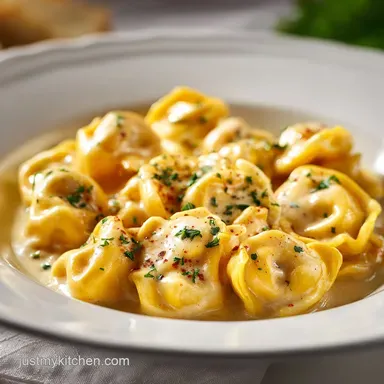
Cheese Tortellini: Rich and Creamy
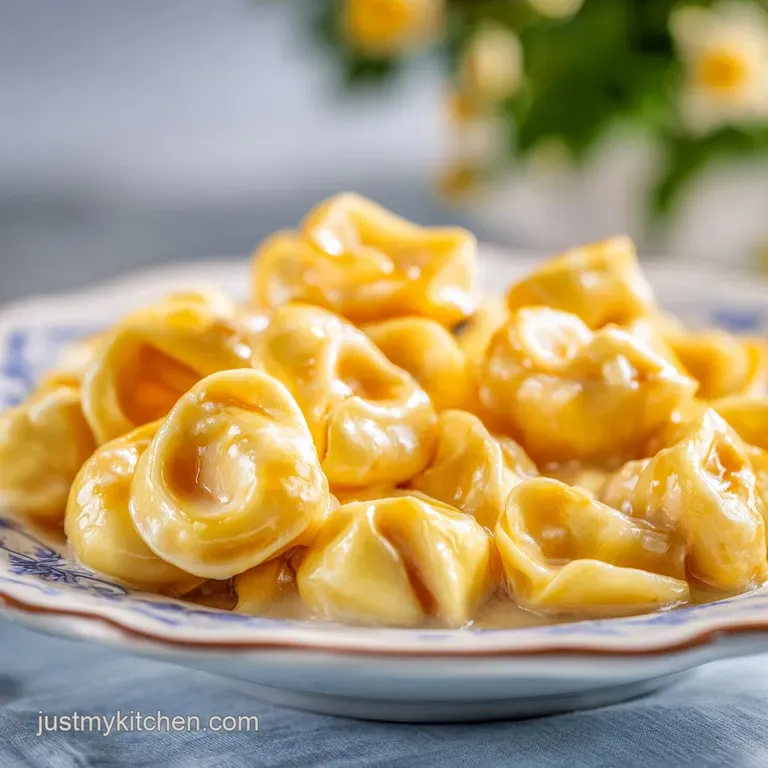
- Time: 5 min active + 10 min cooking = Total 15 minutes
- Flavor/Texture Hook: Silky, garlic infused cream sauce with a salty Parmesan punch
- Perfect for: Stressful weeknights, date nights on a budget, or a cozy treat for the kids
- Cheese Tortellini Recipe with Creamy Garlic
- Why This Works
- Component Analysis
- Gathering Your Essentials
- Equipment Needed
- The Cooking Process
- How to Fix Common Problems
- Flavor Variations to Try
- Adjusting the Batch Size
- Debunking Pasta Myths
- Storage Guidelines
- Serving Suggestions
- High in Sodium
- Recipe FAQs
- 📝 Recipe Card
Cheese Tortellini Recipe with Creamy Garlic
That first sizzle of butter in the pan, followed by the sharp, pungent aroma of garlic hitting the heat, is honestly my favorite part of the day. There is something about that smell that just screams "comfort" and tells everyone in the house that dinner is actually happening.
I remember one particular rainy Tuesday when I had zero energy and a fridge that looked depressing, but I had a bag of refrigerated tortellini and some heavy cream.
I just threw it all together without a plan, and it became the meal my family asks for every single week. This Cheese Tortellini Recipe with Creamy Garlic Sauce is the ultimate comfort meal.
It's not trying to be a five star gourmet experience, it's just designed to make you feel warm and full when you've had a long day.
You can expect a sauce that clings to the pasta rather than pooling at the bottom of the bowl. It's rich, it's salty, and it has that velvety mouthfeel that only comes from a proper cream and cheese emulsion. Let's get into how to make it happen without any stress.
Why This Works
I used to think creamy sauces were just about adding more cream, but it's actually about how the ingredients bond. Here is the lowdown on why this specific method works so well.
- Fat Based Flavor: Sautéing the garlic in butter first allows the aromatic compounds to dissolve into the fat, which carries the garlic taste into every single bite of the pasta.
- Starch Binding: Saving a bit of the pasta water is the secret weapon. The starch in that water helps the sauce stick to the slippery surface of the tortellini instead of sliding off.
- Cheese Stability: Adding the Parmesan at the end, while the sauce is simmering, prevents the cheese from clumping and creates a glossy finish.
- Temperature Control: Keeping the heat at medium ensures the heavy cream doesn't break or separate, which often happens when people crank the heat too high.
When you're deciding between types of pasta, the choice usually comes down to how much time you have and the texture you prefer. Fresh refrigerated pasta is the gold standard here because it absorbs the sauce much faster than dried versions.
| Pasta Type | Prep Time | Texture | Best For |
|---|---|---|---|
| Refrigerated | Very Fast | Tender, pillowy | Quick weeknight meals |
| Frozen | Medium | Dense, chewy | Meal prep/Stockpiling |
| Dried | Slow | Firm, al dente | Budget friendly bulk |
Using a shortcut like refrigerated tortellini doesn't mean you're sacrificing quality, it just means you're reclaiming 10 minutes of your life. Trust me, on a Tuesday, that's a huge win.
Component Analysis
Understanding what each ingredient is actually doing helps you make better swaps if you're missing something in the pantry. It's not just a list, it's a system.
| Ingredient | Science Role | Pro Secret |
|---|---|---|
| Heavy Cream | Fat Base | Provides the silky body that prevents the sauce from breaking |
| Parmesan | Thickener/Salt | Adds umami depth and helps the sauce reach a coatable thickness |
| Garlic | Aromatic | When cooked just until translucent, it adds sweetness without bitterness |
| Pasta Water | Emulsifier | Bridges the gap between the watery pasta and the fatty sauce |
Gathering Your Essentials
I'm a big believer in "mise en place," which is just a fancy way of saying "get your stuff ready before you turn on the stove." There is nothing worse than smelling your garlic burn because you were still grating the cheese.
- 20 oz refrigerated cheese tortellini Why this? Cooks in minutes and holds the sauce perfectly
- 4 quarts water Why this? Gives the pasta room to move so it doesn't stick
- 1 tbsp salt Why this? Seasons the pasta from the inside out
- 4 tbsp unsalted butter Why this? Better control over salt than salted butter
- 4 cloves garlic, minced Why this? Fresh garlic has a punch that powder can't match
- 1 cup heavy cream Why this? High fat content prevents curdling
- 1/2 cup freshly grated Parmesan cheese Why this? Melts smoother than the pre shaken can stuff
- 1/4 tsp salt Why this? To taste, depending on your cheese saltiness
- 1/4 tsp cracked black pepper Why this? Cuts through the richness of the cream
- 2 tbsp fresh parsley, chopped Why this? Adds a hit of brightness and color
If you're on a tight budget, you can swap the heavy cream for a mix of whole milk and an extra tablespoon of butter, though it'll be a bit thinner. According to Serious Eats, the fat content is what determines the stability of the emulsion, so avoid skim milk if you want that velvety result.
Equipment Needed
You don't need a professional kitchen for this, just a few basics. I usually use a standard 12 inch skillet so I have plenty of room to toss the pasta without it splashing over the sides.
- Large pot (for boiling water)
- Large skillet or sauté pan
- Colander (for draining)
- Microplane or box grater (for the Parmesan)
- Tongs or a pasta fork
The Cooking Process
Right then, let's get cooking. Follow these steps closely, especially the part about the pasta water, or you'll end up with a puddle of cream at the bottom of your plate.
- Fill your pot with 4 quarts of water, add 1 tbsp salt, and bring to a rolling boil.
- Drop in the cheese tortellini and cook until they float to the surface and feel tender with a slight bounce. Note: Don't overcook them here, as they'll simmer in the sauce later.
- Carefully scoop out 1/2 cup of the starchy pasta water and set it aside before draining the rest.
- Place your skillet over medium heat and melt 4 tbsp of unsalted butter.
- Stir in the minced garlic and cook for 1 minute until it's translucent and smells fragrant. Note: If the garlic turns brown, it'll taste bitter, so keep it moving!
- Pour in 1 cup of heavy cream and bring to a gentle simmer for 2-3 minutes.
- Stir in the Parmesan, salt, and black pepper, whisking constantly until the sauce looks glossy and thickens.
- Add the drained tortellini to the skillet and toss gently to coat every piece.
- Stir in the reserved pasta water one tablespoon at a time if the sauce feels too thick or "gloppy."
- Sprinkle with chopped fresh parsley and serve immediately.
Chef's Note: If you want a deeper flavor, try adding a pinch of nutmeg to the cream. It's a classic Italian trick that makes the cheese taste even richer without being obvious.
How to Fix Common Problems
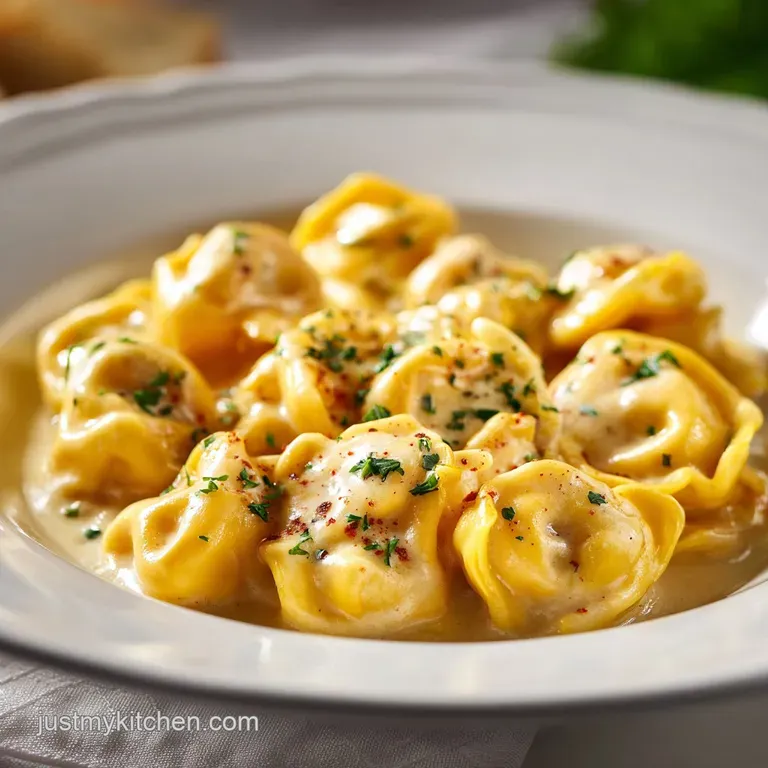
Even the best of us mess up a sauce occasionally. Usually, it's just a matter of heat management or ratios. If your sauce isn't behaving, don't panic.
Sauce is Too Thin
If the sauce feels like soup, you likely didn't let the cream simmer long enough or added too much pasta water. You can fix this by simmering for another 2 minutes or stirring in an extra tablespoon of Parmesan.
Sauce is Grainy
This happens when the cheese is added to boiling liquid, causing the proteins to clump. To fix this, remove the pan from the heat, stir in a splash of cold cream, and whisk vigorously.
Garlic Tasting Bitter
You've probably burnt the garlic. Once it turns dark brown, you can't "un burn" it. The only real fix is to start the butter and garlic step over again.
| Problem | Root Cause | Solution |
|---|---|---|
| Clumpy Cheese | Heat too high | Stir in a splash of cream off heat |
| Bland Taste | Not enough salt | Add a pinch of salt or more Parmesan |
| Pasta Sticking | Not enough water | Add 1 tbsp of reserved pasta water |
Common Mistakes Checklist:
- ✓ Did you reserve the pasta water before draining?
- ✓ Is the garlic translucent, not brown?
- ✓ Did you use freshly grated cheese instead of pre shredded?
- ✓ Is the heat on medium, not high?
- ✓ Did you wait for the cream to simmer before adding cheese?
Flavor Variations to Try
Once you've got the base down, you can really play around with this. It's a very forgiving recipe, so feel free to experiment. If you love a brighter, more acidic profile, you can try my Creamy Garlic Lemon Butter Sauce as a replacement for the standard cream base.
- The Nutrient Boost: Stir in two handfuls of fresh baby spinach during the final toss. The heat from the pasta will wilt the spinach perfectly in about 30 seconds.
- The Tangy Twist: Replace 1/4 cup of the heavy cream with full fat sour cream. This gives it a slight tang that cuts through the heaviness of the cheese.
- Protein Add Ons: Sliced grilled chicken or sautéed shrimp work beautifully here. Just cook the protein first, remove it from the pan, and add it back in at the very end.
- Lighter Alternative: Use half and half instead of heavy cream. Note: You'll need to simmer it a bit longer to get the same thickness.
Decision Shortcut:
- If you want it richer → Use extra Parmesan and a pinch of nutmeg.
- If you want it fresher → Add spinach and a squeeze of lemon.
- If you want it heartier → Toss in some grilled chicken breast.
Adjusting the Batch Size
Scaling pasta is usually easy, but the sauce needs a little more attention so it doesn't vanish into the noodles.
Scaling Down (Half Batch): Use a smaller 8 inch skillet to prevent the cream from evaporating too quickly. Reduce the cooking time for the sauce by about 20%. If you're using an egg based tortellini, just use half the package.
Scaling Up (Double Batch): Don't just double the salt and pepper, or it might become too salty. Start with 1.5x the seasoning and adjust at the end. Work in batches if your skillet isn't huge; overcrowding the pan will steam the pasta rather than coating it in sauce.
If you're making this for a crowd, consider using a wide pot instead of a skillet. This ensures the heat is distributed evenly and you don't have "hot spots" where the cheese might burn.
Debunking Pasta Myths
I've seen a lot of "rules" about pasta that are honestly just myths. Let's clear a few things up.
Myth: Adding oil to the water stops sticking. Truth: Oil just floats on top of the water and then coats the pasta, which actually prevents the sauce from sticking. Just use plenty of water and a stir at the beginning.
Myth: You must rinse pasta after draining. Truth: Never rinse your tortellini! You'll wash away all that precious starch that helps the creamy garlic sauce cling to the pasta.
Storage Guidelines
Leftovers are great, but cream sauces can be tricky because they tend to thicken into a brick in the fridge.
Fridge Storage: Store in an airtight container for up to 3-4 days. To reheat, add a splash of milk or water and warm it slowly over medium low heat. This loosens the sauce back into a velvety consistency.
Freezing: I don't recommend freezing this dish. The cream and cheese often separate during the thawing process, leaving you with a grainy texture.
Zero Waste Tips: Don't pour that leftover pasta water down the drain! If you have a little left, use it as a base for a quick soup or add it to a risotto to help the rice cream up.
If you have leftover parsley stems, chop them finely and freeze them in an ice cube tray with olive oil for future sautéing.
Serving Suggestions
This dish is quite rich, so I like to pair it with something that has a bit of crunch or acidity to balance it out. A simple arugula salad with a lemon vinaigrette is the way to go.
If you're looking for a more substantial meal, these noodles go great with Traditional Italian Meatballs on the side. The acidity of a tomato based meatball balances the creamy garlic sauce perfectly.
For the ultimate comfort feast, serve it with a side of toasted garlic bread. Just brush some butter and garlic powder on a baguette and broil for 2 minutes. It's the perfect vessel for scooping up every last drop of that sauce.
High in Sodium
940 mg 940 mg of sodium per serving (41% 41% of daily value)
The American Heart Association recommends a daily sodium limit of 2,300 mg, and an ideal limit of 1,500 mg for most adults to reduce cardiovascular risk.
Tips to Reduce Sodium
-
Cut Added Salt-25%
Omit the 1/4 tsp of salt in the sauce and reduce the pasta water salt by half to significantly lower the direct sodium content.
-
Low-Sodium Tortellini-20%
Swap the standard refrigerated cheese tortellini for a low-sodium brand or make the pasta from scratch to control the salt.
-
Reduce Parmesan-15%
Use half the amount of Parmesan cheese or substitute with a small amount of a lower sodium hard cheese alternative.
-
Enhance with Aromatics
Increase the amount of fresh parsley and cracked black pepper, or add a pinch of nutmeg to create depth without adding sodium.
Recipe FAQs
What sauce is best with cheese tortellini?
A creamy garlic sauce. The richness of heavy cream and Parmesan complements the mild cheese filling without overpowering it.
How to make easy creamy garlic sauce?
Melt butter in a skillet over medium heat. Sauté minced garlic for one minute, simmer in heavy cream for 2 3 minutes, and stir in Parmesan until the sauce becomes glossy.
What to add to tortellini to make it better?
Freshly chopped parsley. Adding a garnish of parsley at the end provides a bright, fresh contrast to the heavy cream and cheese.
What sauce do Italians eat with tortellini?
It varies by region, but creamy sauces are common for cheese filled pasta. While some prefer simple butter, a garlic Parmesan cream sauce adds great depth. This savory meal pairs beautifully with a dessert like my no-egg Tiramisu.
Is it true that cheese tortellini should be boiled until they are completely soft?
No, this is a common misconception. Cook them until they float and feel tender with a slight bounce to ensure they don't become mushy when tossed in the sauce.
How to fix a creamy garlic sauce that is too thick?
Stir in reserved pasta water one tablespoon at a time. This loosens the sauce and restores a velvety consistency without diluting the flavor.
Can I freeze this creamy garlic tortellini?
No, avoid freezing this dish. The heavy cream and cheese often separate during the thawing process, which results in a grainy texture.
Creamy Garlic Cheese Tortellini