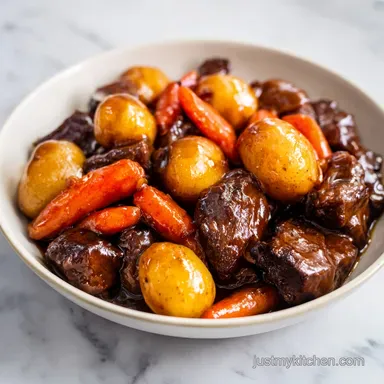
Yankee Pot Roast: Tender and Savory
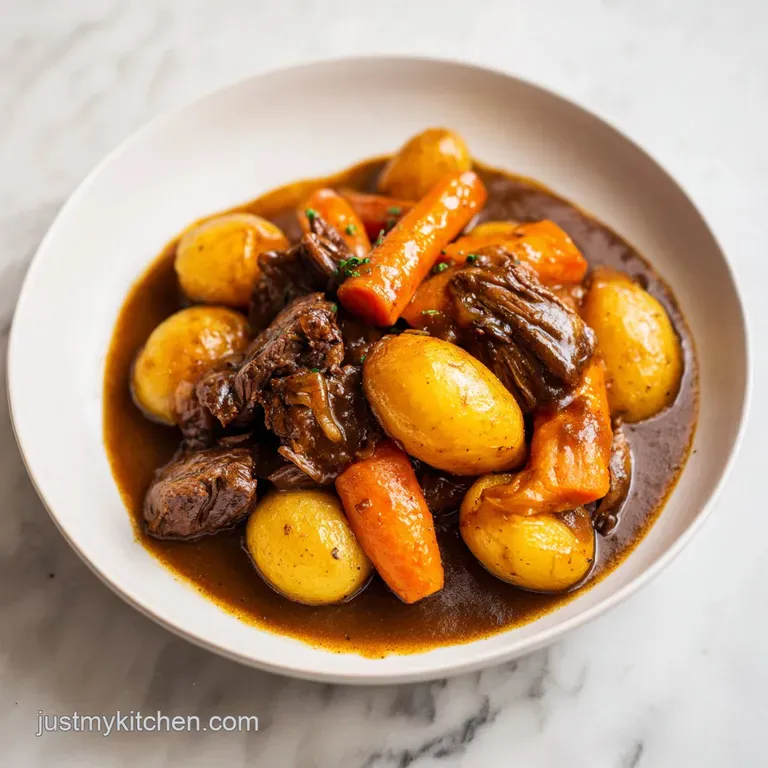
- Time:20 minutes active + 4 hours cooking = Total 4 hours 20 minutes
- Flavor/Texture Hook: Beef that falls apart with a fork and a rich, wine infused gravy
- Perfect for: Sunday family dinners or cozy winter meal prep
That first loud sizzle when the beef hits the shimmering oil is where the magic happens. If you've ever made a roast that came out looking gray and tasting like it was boiled in water, you know exactly the frustration I'm talking about.
I once tried to rush a roast for my in laws by cranking the heat, and I ended up with meat that was tough as a boot on the outside but somehow undercooked in the middle. It was a disaster that left the whole table chewing for twenty minutes.
The trick is patience and a specific order of operations. This Yankee Pot Roast isn't about fancy techniques, it's about letting the heat do the heavy lifting over several hours. We're going to get a deep, dark crust on that beef first, then let it bathe in a mix of red wine and beef stock.
By the time it hits the table, the meat should just slide apart, and the root vegetables will be tender but still holding their shape.
You can expect a meal that fills the entire house with a savory, herby aroma that makes everyone wander into the kitchen. We're using a mix of traditional New England root vegetables to keep it authentic. Trust me on the parsnips and turnips - they add a subtle earthiness that cuts through the richness of the beef.
Let's get into how to make this happen without the stress.
The Ultimate Yankee Pot Roast Guide
When you're dealing with a budget friendly cut like beef chuck, you're fighting against connective tissue. This Yankee Pot Roast works because it uses a "low and slow" approach to break down those tough fibers. If you cook it too fast, the muscle fibers tighten up and squeeze out all the moisture.
By keeping the oven at a steady 325°F, we allow the collagen to melt into gelatin, which is what gives the meat that velvety mouthfeel.
The timing of the vegetables is the other big win here. Most people throw everything in at once, which is why the carrots often disappear into the sauce. In this Yankee Pot Roast recipe, we wait until the final 90 minutes.
This gives the beef the head start it needs while keeping the potatoes and turnips from overcooking.
The Fond Factor: Those brown bits stuck to the bottom of the pot after searing are concentrated flavor. When we add the wine, it lifts those bits and incorporates them back into the sauce.
Liquid Ratio: We use a combination of stock and red wine to balance acidity and depth. The wine cuts through the fat of the chuck roast, preventing the gravy from feeling too heavy on the palate.
Root Veg Synergy: Parsnips and turnips absorb the beef juices differently than carrots. They provide a structural contrast and a sweetness that balances the salty beef stock.
| Method | Time | Texture | Best For |
|---|---|---|---|
| Oven (Dutch Oven) | 4 hours 20 mins | Velvety & Cohesive | Sunday Dinner |
| Slow Cooker | 8 hours | Very Soft/Shredded | Set and Forget |
| Instant Pot | 1 hour 30 mins | Tender but Fiberous | Weeknight Rush |
What Makes This Meat Tender
To really get the most out of your Yankee Pot Roast, you need to understand what's happening inside the pot. I've spent a lot of time experimenting with different cuts, and according to USDA FoodData, the high fat and collagen content in chuck roast is what makes it ideal for braising.
Collagen Breakdown: Low heat over a long period turns tough connective tissue into silky gelatin. This is why a 3 hour head start for the meat is non negotiable.
Moisture Retention: Braising in a covered pot creates a steam chamber. This prevents the meat from drying out even though it's in the oven for hours.
Aromatic Infusion: The rosemary and thyme don't just add flavor; they release oils that penetrate the meat as it simmers, creating layers of taste rather than just a surface coating.
Acidic Tenderizing: The dry red wine contains tartaric acid, which helps break down the protein structures in the beef, making it easier to chew.
The Flavor Breakdown
| Ingredient | Science Role | Pro Secret |
|---|---|---|
| Beef Chuck | Primary Protein | Look for heavy white marbling for maximum tenderness |
| Dry Red Wine | Acid/Deglazer | Use a Cabernet or Merlot to add a deep, dark color |
| Root Vegetables | Texture/Sweetness | Cut them into large 2 inch chunks to prevent mushiness |
| Beef Stock | Braising Medium | Use low sodium stock so you can control the salt level |
The Kitchen Gear
You don't need a professional kitchen to nail this Yankee Pot Roast, but a few specific tools make it way easier. The most important piece is a 6 quart Dutch oven. I prefer one with a heavy lid, like a Le Creuset or Lodge, because they distribute heat evenly and lock in the steam.
If you use a thin pot, you might find "hot spots" that scorch your sauce.
For prepping, a sharp chef's knife is essential for those large chunks of carrots and potatoes. I also recommend a pair of tongs for searing the meat - trying to flip a 3lb roast with a fork is a recipe for splattering oil all over your stove.
If you're looking for a way to serve this with something fresh, my Elote Corn Recipe provides a great creamy, zesty contrast to the heavy, savory flavors of the beef.
Step-by-step Cooking
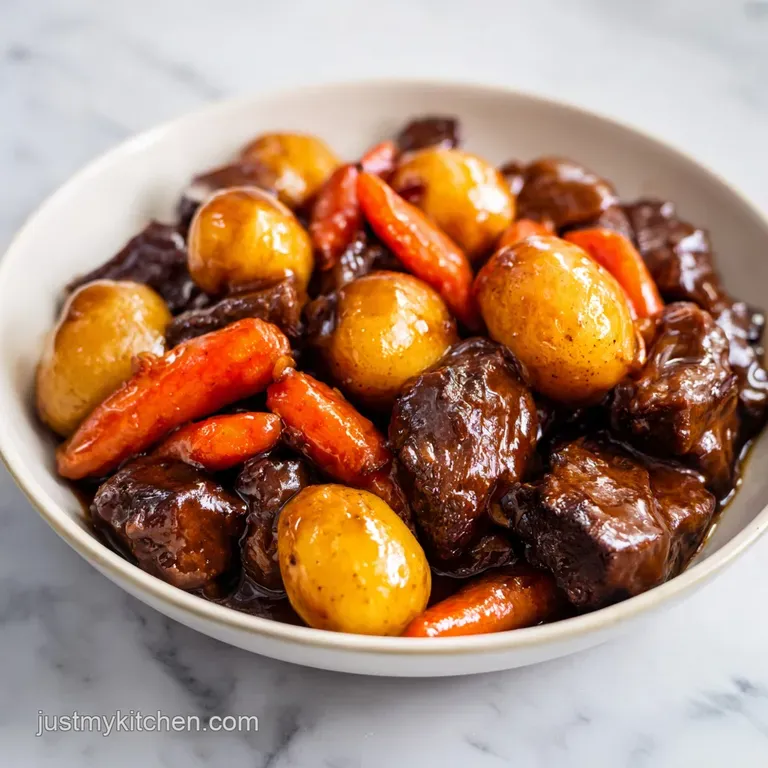
Right then, let's get cooking. Follow these steps closely, especially the timing for the vegetables.
- Pat the beef completely dry with paper towels and season generously with salt and pepper. Note: Moisture on the surface creates steam, which prevents a brown crust from forming.
- Heat vegetable oil in a 6 quart Dutch oven over medium high heat until shimmering.
- Sear the roast for 5-7 minutes per side until a deep brown crust forms, then remove beef and set aside on a plate. Note: Don't crowd the pan or the meat will grey instead of brown.
- Sauté diced yellow onions and smashed garlic in the remaining beef fat for 3 minutes. Until the onions are translucent and fragrant.
- Deglaze the pan with dry red wine, scraping up the brown bits (fond) from the bottom. Note: This is where the deep color of your gravy comes from.
- Add beef stock, rosemary, thyme, and bay leaves. Return the seared beef to the pot.
- Cover and bake in the oven at 325°F (160°C) for 3 hours.
- Add the carrots, potatoes, parsnips, turnips, and pearl onions to the pot during the final 90 minutes of cooking. Until vegetables are fork tender but not falling apart.
Chef's Tip: If you want an even richer sauce, stir in a tablespoon of cold butter right before serving. It gives the gravy a glossy, restaurant style finish.
Fixing Common Roast Issues
The most common complaint with a Yankee Pot Roast is meat that's either too tough or vegetables that have turned into mashed potatoes. Most of the time, this comes down to temperature control and timing.
Why Your Beef is Tough
If the meat isn't shredding, it usually means it hasn't reached the internal temperature where collagen breaks down. Don't panic; just put it back in the oven for another 30-45 minutes. Sometimes a specific piece of chuck is tougher than others and just needs more time.
Why Your Veggies are Mushy
This happens when the carrots and potatoes are added too early. Root vegetables cook much faster than a 3lb slab of beef. Always stick to the 90 minute rule for the additions.
| Problem | Root Cause | Solution |
|---|---|---|
| Meat is dry | Oven temp too high | Keep it strictly at 325°F (160°C) |
| Sauce is too thin | Not enough reduction | Simmer the sauce on the stove for 10 mins after removing meat |
| Bland flavor | Under seasoned | Add a splash of Worcestershire sauce or more salt at the end |
Common Mistakes Checklist:
- ✓ Did you pat the meat dry before searing?
- ✓ Did you scrape the brown bits (fond) off the bottom?
- ✓ Did you wait until the final 90 minutes to add the vegetables?
- ✓ Is your oven actually at 325°F (not higher)?
- ✓ Did you let the meat rest for 10 minutes before slicing?
Easy Flavor Twists
While the classic Yankee Pot Roast is hard to beat, you can tweak a few things depending on what's in your pantry. This is a great budget friendly dish because you can swap the vegetables based on what's on sale at the store.
For a Richer, Maltier Flavor Try swapping the beef stock for a beef consommé or adding a teaspoon of tomato paste during the sauté step. This deepens the umami profile and gives the sauce a slightly thicker consistency. If you enjoy these kinds of deep, slow cooked flavors, you'll probably love my Authentic Italian Spaghetti Sauce, which uses a similar slow simmer technique for the meat.
For a Herb Forward Twist If you have fresh sage or parsley, add them in the last 15 minutes of cooking. Sage pairs beautifully with the turnips and parsnips, giving it a more "autumnal" feel.
To Make it Keto Friendly Simply omit the potatoes and carrots. Replace them with cauliflower florets and radishes. Interestingly, braised radishes lose their sharp bite and taste remarkably like potatoes when cooked in a pot roast.
| Original Ingredient | Substitute | Why It Works |
|---|---|---|
| Dry Red Wine (1 cup) | Beef Broth + 1 tbsp Balsamic | Similar acidity. Note: Lacks the complex tannins of wine |
| Yukon Gold Potatoes | Parsnips or Celery Root | Similar starch profile. Note: Parsnips are sweeter |
| Beef Chuck (3 lbs) | Bottom Round | Leaner cut. Note: May require 30 mins more cooking time |
If you're adjusting the size of the roast, keep in mind that a smaller piece of meat will cook faster. For a 2lb roast, I usually reduce the initial braise time by about 45 minutes.
Adjusting the Serving Size
Scaling a Yankee Pot Roast is pretty straightforward, but you can't just double everything linearly. If you're doubling the recipe for a big family gathering, use two separate Dutch ovens rather than one massive pot.
Overcrowding the pot prevents the meat from searing and can lead to "steaming" the meat instead of browning it.
Scaling Down (1.5 lbs beef):
- Use a smaller pot (around 3-4 quarts).
- Reduce the liquid (stock and wine) by about 25% so the meat isn't swimming.
- Check for doneness 30-45 minutes earlier than the standard time.
Scaling Up (6 lbs beef):
- Use two pots.
- Only increase the salt and herbs to 1.5x. Doubling the salt often makes the final reduction too salty.
- Keep the oven temperature the same, but be aware that two pots in the oven can slightly lower the overall ambient temperature.
Storage and Zero Waste
One of the best things about a Yankee Pot Roast is that it's actually better the next day. The flavors have more time to meld, and the meat absorbs more of the gravy.
Fridge Storage: Store leftovers in an airtight container for up to 4 days. The gravy will thicken in the fridge, which is great for making roast beef sandwiches.
Freezing: You can freeze the cooked beef and carrots for up to 3 months. I recommend freezing the gravy separately in a freezer bag. When reheating, add a splash of water or beef stock to bring back the velvety texture.
Reheating: Avoid the microwave if you can. Instead, place the meat and vegetables in a small baking dish with a bit of extra stock, cover with foil, and warm in the oven at 300°F for 20 minutes.
Zero Waste Tips: Don't throw away the leftover braising liquid! If you have a bit left over, it's a fantastic base for a beef barley soup. You can also use the leftover root vegetables to make a rustic mash.
If you have extra carrots or onions, you can freeze them in a "mirepoix mix" for your next stew or soup.
The Best Side Pairings
Since the Yankee Pot Roast already comes with its own potatoes and carrots, you don't need a lot of extras. However, something bright and acidic helps balance the richness of the beef.
The Classic Pairing A simple side of steamed green beans with lemon butter or a crisp wedge salad with blue cheese dressing works perfectly. The acidity of the lemon or the tang of the dressing cuts right through the fat of the chuck roast.
The Modern Twist Try serving the roast over a bed of creamy polenta or mashed cauliflower. This absorbs the red wine gravy and adds another layer of creaminess to the plate.
If you're in the mood for something a bit more experimental, a side of roasted Brussels sprouts with a honey glaze complements the earthiness of the parsnips.
The Bread Component You can't have a pot roast without something to soak up the sauce. A crusty baguette or warm sourdough rolls are the way to go. I like to toast the bread with a bit of garlic butter to echo the garlic in the roast.
Recipe FAQs
What is the difference between a pot roast and a Yankee pot roast?
Yankee pot roast includes a wider variety of root vegetables. While standard versions typically use only carrots and potatoes, the Yankee style incorporates parsnips, turnips, and pearl onions for a more complex flavor profile.
What cut of meat is a Yankee pot roast?
Use a beef chuck roast. This cut is heavily marbled with fat and connective tissue, which breaks down over four hours of cooking to ensure the meat is tender and succulent.
Why is it called a Yankee pot roast?
The name reflects its New England culinary traditions. It specifically utilizes the hearty, cold weather root vegetables that were historically staples in the Northeastern United States.
What makes Yankee pot roast unique?
The combination of parsnips, turnips, and a red wine deglaze creates a distinct depth. These additions provide an earthy sweetness to the gravy that separates it from simpler roast beef recipes.
How to prevent the vegetables from becoming mushy?
Add the carrots, potatoes, parsnips, turnips, and pearl onions during the final 90 minutes of cooking. This timing ensures the vegetables are tender but still hold their shape.
Is it true that root vegetables should be added at the beginning of the roasting process?
No, this is a common misconception. Adding them at the start leads to overcooking and disintegration; they only require 90 minutes at 325°F to reach the ideal texture.
How to store and reheat the roast?
Store leftovers in an airtight container for up to 4 days. Reheat with a splash of beef stock to restore the velvety texture of the gravy. This meal pairs perfectly with Crock Pot Green Beans for a traditional dinner.
Classic Yankee Pot Roast