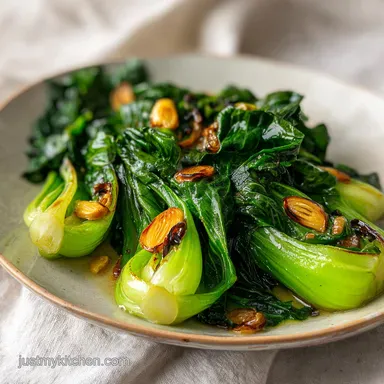
Bok Choy Recipe: Garlic Ginger Stir Fry
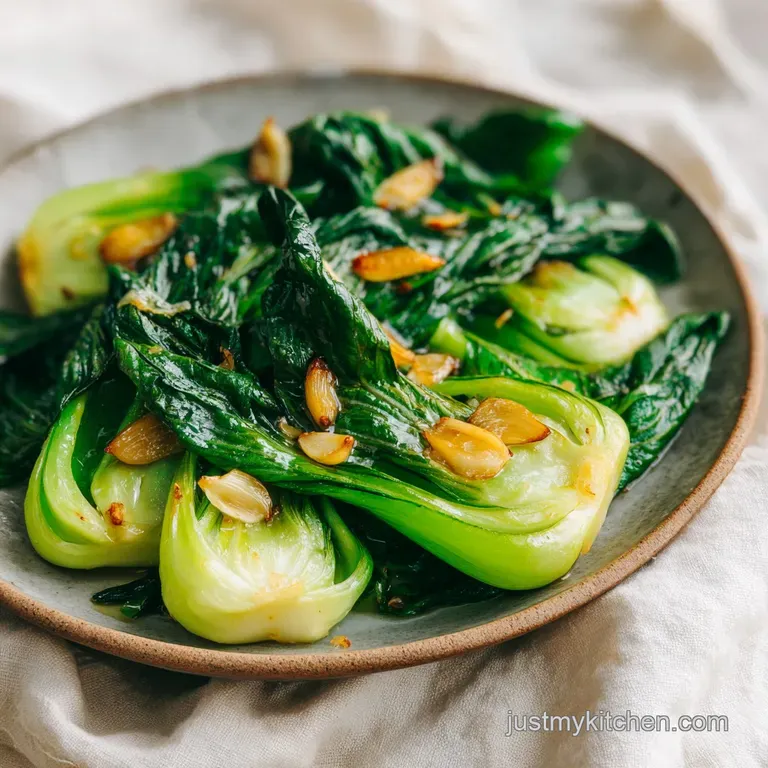
- Time: 10 min active + 5 min cooking = Total 15 mins
- Flavor/Texture Hook: Charred, glossy, and vibrant with a punchy umami glaze
- Perfect for: A fast street food style side or a vibrant weeknight dinner
- Simple and Bold Bok Choy Recipe
- Secrets to the Perfect Sear
- Timing and Yield Guide
- Component Analysis and Flavor
- Essential Gear for Searing
- Step by Step Cooking
- Troubleshooting the Sizzle
- Fusion Variations and Twists
- Storage and Zero Waste
- Vibrant Pairing Suggestions
- High in Sodium
- Recipe FAQs
- 📝 Recipe Card
Simple and Bold Bok Choy Recipe
The smell of garlic and ginger hitting a screaming hot pan is enough to make anyone hungry. It's that sharp, pungent aroma that transforms in seconds into something sweet and toasted.
I remember the first time I tried to make this; I overcrowded the pan and ended up with a soggy, boiled mess that looked nothing like the vibrant greens I'd seen at a night market.
That mistake taught me that heat is everything. You can't be shy with the flame when you're working with this vegetable. The goal is to get that intense, blackened sear on the white stems while keeping the leaves bright and tender.
It's a balancing act that takes exactly five minutes, but it's the difference between a boring side and a dish that actually steals the show.
Trust me on this, the secret is in the prep. If your greens are wet, they'll steam instead of sear, and you'll lose that signature street food char. Once you get the temperature right, this bok choy recipe becomes a staple because it's practically impossible to mess up once you know the rules of the heat.
Secrets to the Perfect Sear
Knowing why the heat behaves this way makes you a better cook. It's not just about following steps, but about managing the moisture and the temperature.
- Thermal Shock
- Hitting the cold vegetable with high heat causes the water on the surface to evaporate instantly, allowing the sugars to brown.
- Aromatic Infusion
- Slicing garlic thin instead of mincing it prevents burning while the oil carries those flavors directly into the stems.
- Glaze Reduction
- The sugar and soy sauce combine to create a syrup that clings to the greens rather than pooling at the bottom.
- Leaf Timing
- The leaves cook significantly faster than the stems, so the sequence of tossing is vital for a uniform texture.
According to Serious Eats, the key to a successful stir fry is ensuring the pan is hot enough to prevent the vegetables from releasing too much liquid. If the pan isn't shimmering, you're just boiling your greens.
| Method | Time | Texture | Best For |
|---|---|---|---|
| Stovetop | 5 mins | Charred & Crisp | Fast weeknight meals |
| Oven Roast | 15 mins | Tender & Sweet | Large batches/Parties |
Timing and Yield Guide
This recipe is designed for efficiency. We're talking about a total window of 15 minutes from the moment you touch the cutting board to the moment the plate hits the table.
The yield is exactly 3 servings. It's the ideal amount for a side dish accompanying a protein or a light lunch. Because it cooks so fast, it's a great option for those of us who love bold flavors but hate spending an hour in the kitchen.
Component Analysis and Flavor
Every single part of this dish serves a purpose. We aren't just adding things for the sake of it, we're building a profile that hits salt, acid, heat, and sweetness.
| Ingredient | Science Role | Pro Secret |
|---|---|---|
| Baby Bok Choy | Structure | Quartering lengthwise ensures even searing |
| Toasted Sesame Oil | Aroma | Add at the end to keep the nutty scent |
| Rice Vinegar | Balance | Cuts through the salt of the soy sauce |
| Fresh Ginger | Pungency | Mince it tiny for a consistent heat |
Essential Gear for Searing
You don't need a professional kitchen, but the right pan makes a massive difference. A carbon steel wok is the gold standard here because it distributes heat unevenly, allowing you to sear the bottoms while the tops steam slightly.
If you don't have a wok, a heavy cast iron skillet or a stainless steel pan works great. Avoid non stick if you can, as they often don't get hot enough to create that beautiful, charred crust we're looking for. A good pair of tongs is also non negotiable for tossing the greens rapidly.
Step by step Cooking
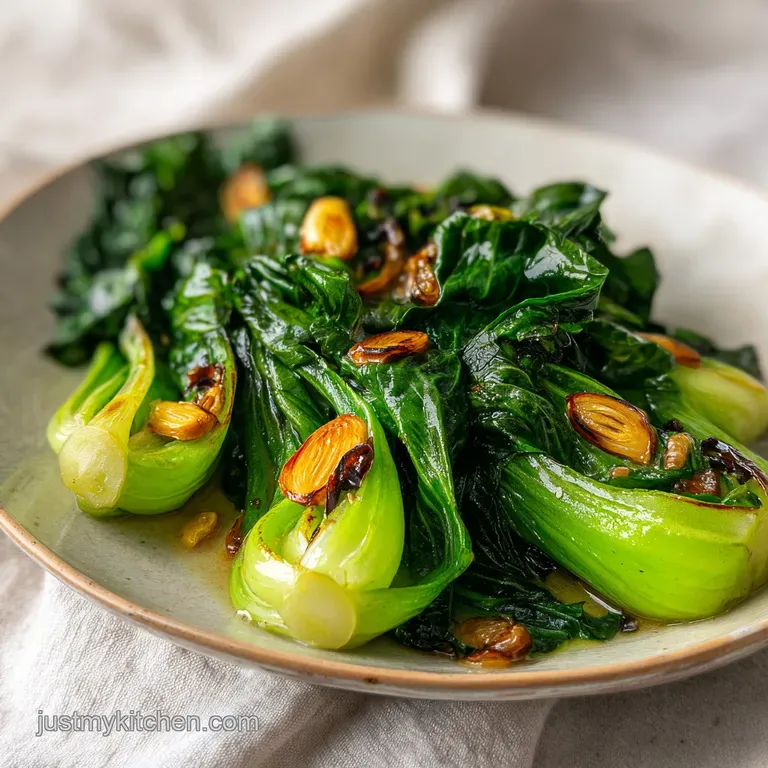
Let's crack on. Make sure everything is prepped and sitting in bowls next to your stove before you turn on the heat.
- Wash the bok choy thoroughly and pat the leaves completely dry with a paper towel. Note: Moisture is the enemy of the sear. Slice each head into quarters lengthwise.
- Place a wok or skillet over medium high heat with the neutral oil until it shimmers.
- Add sliced garlic and minced ginger. Stir fry for 30 to 60 seconds until fragrant and barely golden.
- Increase heat to high. Place bok choy in the pan stem side down.
- Press slightly and sear undisturbed for 2 minutes until stems show slight charred edges.
- Toss the greens and cook for another 60 seconds to wilt the leaves.
- Pour in the soy sauce, sesame oil, rice vinegar, and sugar.
- Toss rapidly for 30 seconds until the sauce thickens into a glossy coating.
- Remove from heat immediately to prevent overcooking.
Troubleshooting the Sizzle
Even the best of us have days where the pan doesn't cooperate. Usually, it comes down to temperature or moisture.
The Pan Pools with Water
If you see a puddle of liquid, you've likely overcrowded the pan or the bok choy was too wet. This leads to steaming instead of searing. To fix this, cook in two smaller batches next time.
Garlic Burned Too Fast
Garlic has a low burn point. If it turns dark brown or black before the greens go in, it will taste bitter. Keep the garlic moving or lower the heat slightly for those first 60 seconds.
Leaves are Mushy
This happens when the greens stay in the pan too long after the sauce is added. The residual heat continues to cook the leaves. Get them out of the pan the second the sauce is glossy.
| Problem | Root Cause | Solution |
|---|---|---|
| Soggy Stems | Pan not hot enough | Increase heat until oil shimmers |
| Bland Taste | Sauce didn't reduce | Toss for full 30 seconds |
| Bitter Flavor | Burnt garlic | Add garlic 30 seconds later |
Common Mistakes Checklist
- ✓ Did you pat the bok choy completely dry?
- ✓ Is the pan shimmering before adding the greens?
- ✓ Did you leave the stems undisturbed for 2 full minutes?
- ✓ Did you remove the dish from the heat immediately after glazing?
Fusion Variations and Twists
Since we're going for a bold, street food vibe, don't be afraid to mess with the base. This bok choy recipe is a canvas for fusion.
The Protein Boost: For a full meal, turn this into a bok choy recipe with chicken. Sear bite sized chicken thigh pieces first, remove them, then cook the greens and toss the chicken back in at the end.
The Spicy Twist: Double the red pepper flakes or swap the soy sauce for a mixture of soy and Sriracha. This adds a vibrant, modern heat that pairs well with grilled fish.
The Plant Based Swap: For a deeper umami hit without animal products, add a teaspoon of miso paste to the sauce mixture. It adds a fermented funk that's incredible.
The Soup Transition: If you have leftovers, this can easily become a bok choy soup recipe. Simmer the cooked greens in a light ginger garlic broth for 2 minutes. If you enjoy bright, acidic flavors, you might also love my Greek Lemon Chicken Soup recipe for a different kind of comfort.
The Rich Finish: If you want something more indulgent, swap the sesame oil for a drizzle of my Creamy Garlic Lemon Butter Sauce. The butter creates a velvety coating that feels more like a bistro dish.
| Original Ingredient | Substitute | Why It Works |
|---|---|---|
| Soy Sauce (2 tbsp) | Tamari (2 tbsp) | gluten-free alternative. Note: Slightly saltier profile |
| Rice Vinegar (1 tsp) | Apple Cider Vinegar (1 tsp) | Similar acidity. Note: Adds a fruitier, sharper tang |
| Neutral Oil (1 tbsp) | Avocado Oil (1 tbsp) | Higher smoke point. Note: Better for extreme high heat |
Storage and Zero Waste
If you happen to have leftovers, store them in an airtight container in the fridge for up to 3 days. Note that the stems will lose some of that "shatter" crispness, but the flavor remains.
To reheat, avoid the microwave if possible. Toss them back into a hot skillet for 60 seconds. This brings back some of the sizzle and prevents the leaves from becoming slimy.
For zero waste, don't toss the very bottom ends of the bok choy. Chop them up and throw them into a veggie stock or a freezer bag for future soups. Even the outermost, slightly wilted leaves can be sautéed with a bit of garlic for a quick snack.
Vibrant Pairing Suggestions
This dish is all about contrast, so pair it with something that has a different texture. I love serving it alongside a flaky piece of fish. For example, a fillet with a Halibut Lemon Caper Sauce provides a bright, zesty counterpoint to the salty, savory glaze of the greens.
If you're looking for a starch, go with steamed jasmine rice or quinoa. The grains soak up the extra glossy sauce from the pan, ensuring none of that flavor goes to waste.
For a full street food spread, serve it with spicy pork belly or crispy tofu. The freshness of the baby bok choy cuts right through the richness of the fatty proteins, making the whole meal feel balanced.
Decision Shortcut
- If you want more crunch, reduce the final toss by 15 seconds.
- If you want a thicker glaze, add a pinch of cornstarch to the soy sauce.
- If you want a milder flavor, swap the red pepper flakes for white pepper.
Debunking the Green MythsMyth: You need to blanch bok choy before stir frying. Truth: Blanching is for slow cooking or salads. For a stir fry, blanching adds too much moisture and kills the sear.
Myth: All bok choy tastes the same. Truth: Baby bok choy is sweeter and more tender. Large heads are more bitter and require longer cooking times for the stems.
High in Sodium
980 mg 980 mg of sodium per serving (43% 43% of daily value)
The American Heart Association recommends a daily sodium limit of 2,300mg, with an ideal limit of 1,500mg for most adults to lower blood pressure.
Tips to Reduce Sodium
-
Swap for Low-Sodium Soy-30%
Replace the regular soy sauce with low-sodium soy sauce or coconut aminos, which contains significantly less salt.
-
Dilute the Sauce-20%
Mix the soy sauce with a tablespoon of water or extra rice vinegar to reduce the total amount of soy sauce needed while maintaining volume.
-
Boost Fresh Aromatics-10%
Increase the amount of fresh garlic and ginger to provide a stronger flavor punch, reducing your reliance on salt for taste.
-
Add Fresh Herbs
Garnish the finished bok choy with fresh cilantro or sliced green onions to add brightness and complexity without adding sodium.
Recipe FAQs
What is the best method to cook bok choy?
Stir frying in a wok or skillet. Sear stems on high heat for 2 minutes before tossing to wilt the leaves for a balance of crunch and tenderness.
Is bok choy good for people with diabetes?
Yes, it is an excellent choice. It is low in calories and carbohydrates. For more nutrient dense additions to your meals, try our homemade chili seasoning.
What part of bok choy do you discard?
Almost nothing. While you trim the very bottom ends, these can be saved for veggie stocks rather than tossed.
Can bok choy help lower cholesterol?
Yes, it can contribute to a heart healthy diet. Like many cruciferous vegetables, it contains fiber and nutrients that support cardiovascular health.
How to prevent bok choy from becoming slimy?
Pat the leaves completely dry with a paper towel before cooking. Excess moisture prevents the sear and causes the greens to steam instead of fry.
How to reheat leftovers without losing texture?
Toss them back into a hot skillet for 60 seconds. This restores the sizzle and prevents the leaves from becoming slimy.
Is it true you must peel the stems of baby bok choy?
No, this is a common misconception. Baby bok choy stems are tender and edible; simply washing and slicing them is sufficient.
Garlic Ginger Bok Choy