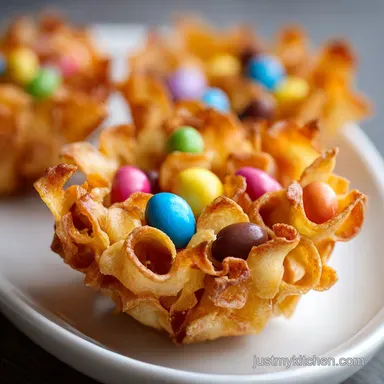
Easter Egg Peanut Butter Haystacks: Crispy Nests
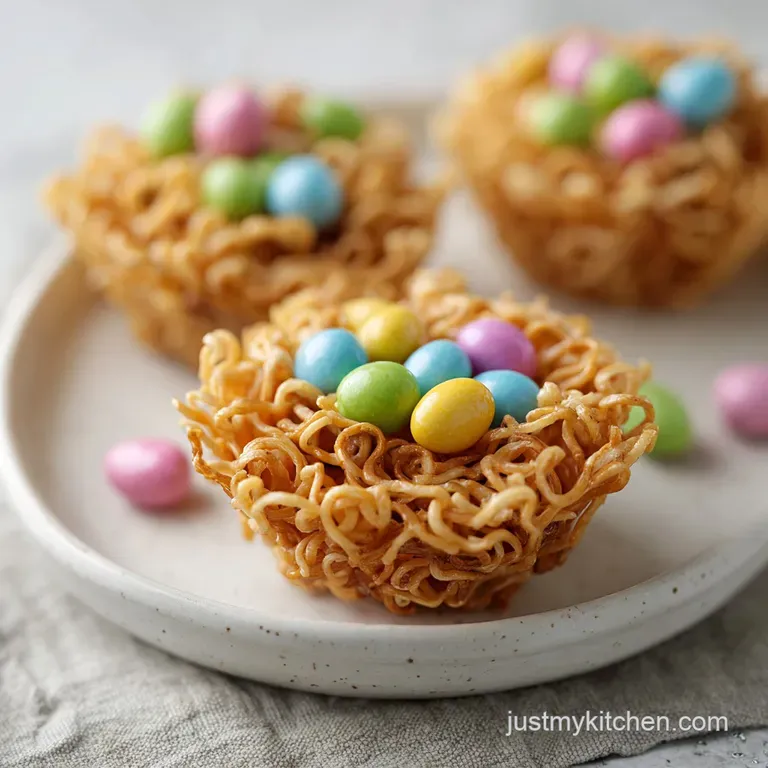
- Time: 10 min active + 10 min setting = Total 20 mins (or 5 min fridge set)
- Flavor/Texture Hook: Shatter crisp noodles with a velvety butterscotch bind
- Perfect for: Quick Easter treats or last minute party snacks
The first time I tried making these, I committed a cardinal sin: I nuked the butterscotch chips for two minutes straight without stirring. I ended up with a scorched, oily sludge that looked more like industrial sealant than a dessert.
I tried to "fix" it by dumping in a whole extra bag of chow mein noodles, but they just sank into the goo. It was a total disaster that looked like a swamp of sugar.
But then I realized the secret is all in the intervals. Once I switched to short bursts of heat and a gentle fold, the magic happened. You get this incredible contrast between the salty, creamy peanut butter and the snap of the noodles.
These Peanut Butter Haystacks are the ultimate low effort, high reward treat that actually holds its shape.
Right then, let's get into the specifics. You're looking for a treat that has a distinct "crunch" but doesn't stick to your teeth. We're aiming for nests that look like they belong in a pastry shop but take about the time it takes to boil a pot of water.
Getting Peanut Butter Haystacks Just Right
To get that signature look, you need to focus on the temperature of your bind. If the butterscotch is too hot, the chow mein noodles will soften, and you'll lose that "shatter" effect. If it's too cold, the mixture becomes stiff and breaks the noodles when you fold them in.
The goal is a velvety, glossy consistency that coats every single strand without weighing it down. Trust me, the patience you spend stirring every 30 seconds pays off when the haystacks set up firm and distinct rather than merging into one giant cookie.
Flavor Map
- Salty: Creamy Peanut Butter
- Sweet: Butterscotch Chips & Chocolate Eggs
- Crunchy: Chow Mein Noodles
- Aromatic: Vanilla Extract
The Magic Behind the Crunch
The structure of this treat relies on a few simple physics tricks to keep things from collapsing.
- Fat Emulsification: Peanut butter acts as a stabilizer for the butterscotch, preventing the sugar from crystallizing and becoming grainy.
- Structural Reinforcement: Chow mein noodles provide a rigid framework, similar to rebar in concrete, which keeps the nests tall.
- Temperature Setting: Rapid cooling locks the butterscotch in a semi solid state, trapping the noodles in a crisp web.
- Moisture Barrier: The high fat content in the butterscotch coats the noodles, preventing them from absorbing humidity and going soggy.
| Method | Time | Texture | Best For |
|---|---|---|---|
| Microwave | 5 mins | Velvety | Quick batches |
| Stovetop | 12 mins | Dense | Larger quantities |
| Double Boiler | 15 mins | Silky | Precise heat control |
Component Analysis
Understanding your ingredients helps you avoid the "puddle" effect. According to King Arthur Baking, the way fats and sugars interact determines the final "snap" of a confection.
| Ingredient | Science Role | Pro Secret |
|---|---|---|
| Butterscotch Chips | Primary Binder | Use high-quality chips to avoid a waxy finish |
| Peanut Butter | Flavor/Stabilizer | Creamy is a must for a smooth emulsion |
| Chow Mein Noodles | Texture/Bulk | Keep them whole for a more "nest like" look |
| Vanilla Extract | Aromatic Balance | Add at the end to keep the flavor bright |
Picking the Right Ingredients
For the best results, stick to these specific components. Don't even bother with low-fat peanut butter, as it contains too much water and can cause the mixture to seize.
- 1 cup butterscotch chips Why this? Provides the sweet, buttery glue (Sub: White chocolate chips for a creamier taste)
- 1/2 cup creamy peanut butter Why this? Adds salt and stability (Sub: Almond butter, though it's slightly grainier)
- 1 tsp vanilla extract Why this? Cuts through the heavy sugar (Sub: Maple extract for a woody note)
- 2 cups chow mein noodles Why this? The essential "hay" crunch (Sub: Pretzels, but you'll lose the nest look)
- 4 oz mini chocolate eggs Why this? The festive finishing touch (Sub: Mini M&Ms or dried cranberries)
Tools for the Job
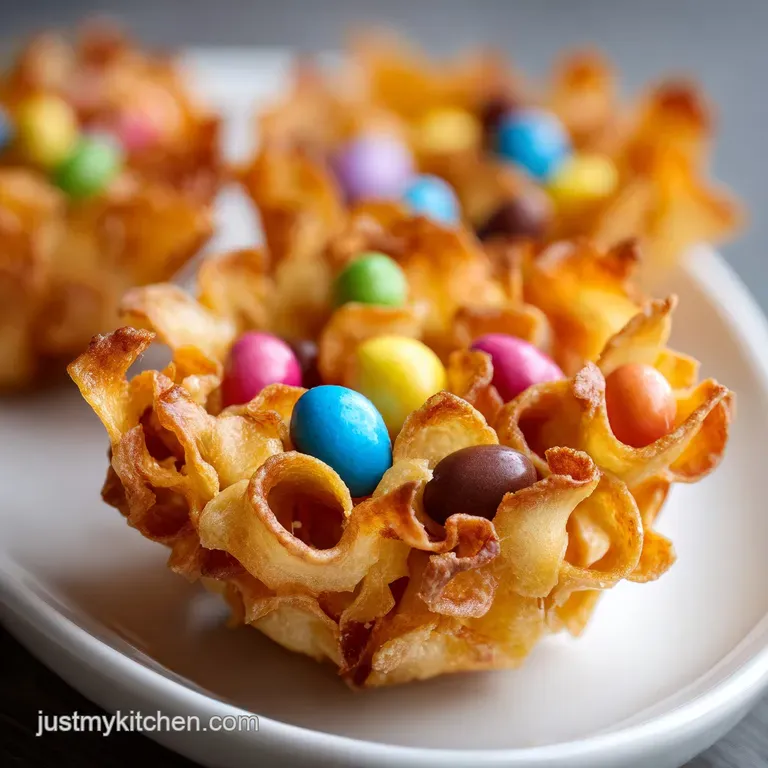
You don't need a professional kitchen for this, just a few basics. A glass microwave safe bowl is non negotiable because it holds heat more evenly than plastic. Use a silicone spatula to fold the noodles so you don't crush them.
For the base, parchment paper or a silicone mat is a lifesaver. If you drop these directly onto a metal pan, they might stick, and you'll end up tearing the bottom of your nests when you try to lift them.
Step-by-step Nest Building
Let's crack on with the actual process. Follow these steps exactly to ensure they set up properly.
- Combine the butterscotch chips and peanut butter in a microwave safe glass bowl.
- Heat in 30 second intervals, stirring between each, until the mixture is glossy and completely smooth. Note: Overheating causes the oil to separate.
- Stir in the vanilla extract until fully incorporated.
- Gently fold in the chow mein noodles using a spatula until every noodle is fully coated, taking care not to break the noodles.
- Line a baking sheet with parchment paper or a silicone mat.
- Drop rounded tablespoons of the mixture onto the sheet.
- Use the back of a spoon to press a small indentation into the center of each mound.
- Immediately place 2 3 chocolate eggs into each center.
- Let the haystacks sit at room temperature for 10 minutes or in the fridge for 5 minutes until firm and set.
Fixing Common Haystack Mishaps
The most common issue is the "spread," where the nests flatten out into pancakes. This usually happens because the mixture was too hot when you scooped it, or your peanut butter was too oily.
If the Mixture Separates
If you see streaks of oil on top, you've overheated the butterscotch. Stir vigorously for 60 seconds to bring the emulsion back together before adding noodles.
If They Spread Too Much
Your mixture is likely too warm. Pop the bowl in the fridge for 2 minutes to thicken the bind before scooping.
If the Noodles Break
You're stirring too aggressively. Use a "fold" motion (cut through the middle, lift from the bottom) rather than a stirring motion.
| Problem | Root Cause | Solution |
|---|---|---|
| Oily Surface | Overheated chips | Stir vigorously or add 1 tsp PB |
| Flat Nests | Mixture too hot | Chill bind for 2 mins before scooping |
| Gummy Texture | Undermixed chips | Microwave for another 20 seconds |
Pro Checklist for Success:
- ✓ Stir every 30 seconds without fail.
- ✓ Use a silicone mat to prevent sticking.
- ✓ Fold noodles gently to keep them long.
- ✓ Add eggs immediately before the bind sets.
- ✓ Use a small indentation for the eggs to sit in.
Fresh Flavor Variations
If you want to pivot from the classic taste, you can easily tweak this. For a salty sweet punch, sprinkle a tiny bit of flaky sea salt over the top before the eggs set.
If you're feeling adventurous, you could swap the butterscotch for white chocolate and add dried apricots for a bright contrast. If you love this kind of no bake vibe, you might also like my Homemade M&M Cookies for a more traditional baked treat. For something with a different twist, these pair well with the buttery notes of Sourdough Discard Cookies.
Chef's Tip: Freeze your mini chocolate eggs for 10 minutes before adding them to the nests. This prevents them from slightly melting into the warm butterscotch, keeping the colors sharp.
Storing Your Sweet Treats
Since these don't have eggs or dairy that spoils quickly, they are quite stable. Keep them in an airtight container in the fridge for up to 2 weeks. If you leave them on the counter, they'll stay fine for 3-4 days, but they might get a bit softer.
For long term storage, these freeze beautifully. Place them on a tray to flash freeze for 1 hour, then move them to a freezer bag. They'll last 3 months in the freezer. Just thaw them in the fridge for an hour before serving.
To avoid waste, if you have leftover butterscotch peanut butter bind, don't toss it! Stir in some crushed pretzels or cornflakes and make "mini clusters" for a quick snack.
Pairing Your Treats
Because these are quite rich and sweet, they need something to balance them out. A tart raspberry coulis or fresh sliced strawberries provide a bright acidity that cuts through the heavy butterscotch.
If you're serving these as part of a larger spread, pair them with a bitter dark chocolate or a strong coffee. The bitterness offsets the sugar, making each bite feel less overwhelming and more balanced.
Recipe FAQs
How to melt the butterscotch and peanut butter?
Heat in 30-second intervals in a microwave safe glass bowl. Stir between each interval until the mixture is glossy and completely smooth.
Can I use crunchy peanut butter instead of creamy?
Yes, but creamy is recommended. If you prefer the smooth consistency found in our traditional rice pudding, stick with creamy peanut butter to ensure a more stable bind for the noodles.
Why did my mixture become oily or separate?
You likely overheated the mixture. Heating the butterscotch chips and peanut butter too quickly or for too long causes the oils to separate.
How to store these to keep them crunchy?
Keep them in an airtight container in the fridge. They will remain fresh for up to 2 weeks, while room temperature storage only lasts 3-4 days before they soften.
Is it true that these must be baked in the oven to set?
No, this is a common misconception. These are no-bake treats that set by sitting at room temperature for 10 minutes or in the fridge for 5 minutes.
Can these treats be frozen for long term storage?
Yes, they freeze beautifully. Flash freeze them on a tray for one hour before moving them to a freezer bag where they last for 3 months.
How to prevent the chow mein noodles from breaking?
Gently fold the noodles using a spatula. Mix just until every noodle is fully coated to avoid snapping them.
Peanut Butter Haystacks