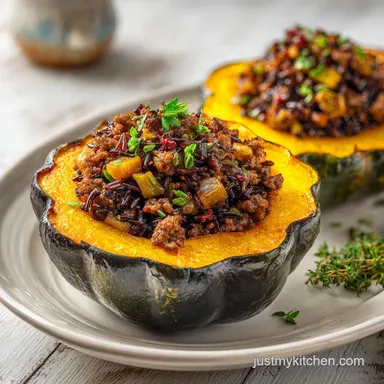
Rustic Sausage Stuffed Squash: Hearty and Savory
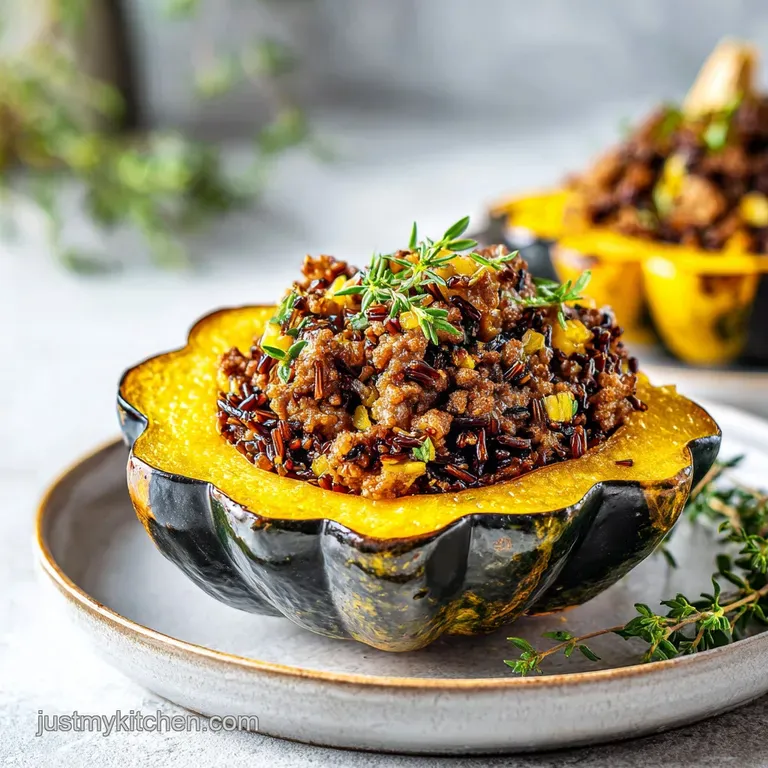
- Time:15 minutes active + 45 minutes cooking = Total 60 minutes
- Flavor/Texture Hook: Shatter crisp sausage bits and velvety roasted squash
- Perfect for: Cozy autumn weeknight dinner or a low stress dinner party
Ever noticed how some fall recipes feel like a chore? I used to think "fancy" dinner parties required five different pans and a degree in chemistry. Then I tried making a rustic sausage stuffed acorn squash for the first time on a rainy Tuesday.
I remember the smell of the sage hitting the hot pan, mixing with the scent of caramelizing squash, and suddenly my whole kitchen felt like a mountain lodge.
The thing is, I used to overcomplicate this. I'd try to make a separate gravy or add three types of cheese, and it just muddied the flavors. But the secret is actually in the simplicity. You want that contrast between the slightly charred edges of the squash and the juicy, savory filling.
When you make this Sausage Stuffed Squash, you aren't just making a meal, you're making a mood. It's that feeling of wearing a big sweater and not having to do the dishes for two hours because everything is contained in the vegetable. Let's get into how to actually make this work without the stress.
Why the Flavor Pops
I spent a long time wondering why some stuffed vegetables taste like mush while others have a real bite to them. It comes down to a few basic moves that change the whole experience.
- The Cut Side Sear: Roasting the squash face down traps the steam inside the "bowl" while the flat surface caramelizes against the pan. This creates a velvety interior and a concentrated, sweet flavor on the edges.
- Acid Balance: The Granny Smith apple isn't just for texture. Its tartness cuts through the heavy fat of the Italian sausage, keeping the dish from feeling too "weighty" on your palate.
- Grain Absorption: Using wild rice is a specific choice. Because it has a chewier, more resilient structure than white rice, it doesn't turn into porridge when it hits the chicken broth and sausage fats.
- The Two Stage Heat: Par roasting the squash first ensures the "bowl" is actually cooked through. If you stuff it raw, you end up with a burnt filling and a raw, hard squash bottom.
- Fat Integration: Sautéing the aromatics in the rendered sausage fat instead of adding more oil means every piece of celery and onion is coated in that savory meat flavor.
| Method | Prep Time | Texture | Best For |
|---|---|---|---|
| Freshly Made | 15 minutes | Crispy & Vibrant | Immediate serving |
| Shortcut (Pre cooked rice) | 10 minutes | Softer & Heartier | Quick weeknights |
| make-ahead (Stuffed raw) | 20 minutes | More Integrated | Planned dinner parties |
Ingredient Breakdown
I've found that the quality of your produce really dictates the outcome here. For instance, don't bother with red apples; they're too sweet and turn to mush. You need that tart snap from a Granny Smith.
| Ingredient | Science Role | Pro Secret |
|---|---|---|
| Acorn Squash | Structural Vessel | Use a sharp knife to slice it exactly in half to prevent tipping |
| Italian Sausage | Primary Flavor/Fat | Get the bulk kind to ensure even browning and better mixing |
| Wild Rice | Texture/Bulk | Rinse it well to remove excess starch for a cleaner "pop" |
| Parmesan Cheese | Umami/Binding | Grate it yourself; pre shredded has cellulose that stops it from melting |
Gear You'll Need
You don't need a professional kitchen for this, just a few basics. I usually reach for a large cast iron skillet for the filling because it holds heat better than non stick, giving the sausage a better sizzle.
For the squash, a standard rimmed baking sheet is a must. If you use a flat tray without edges, the olive oil might run off and smoke in your oven. I also recommend a sturdy vegetable peeler, although for acorn squash, you're mostly just seeding the middle.
If you're feeling fancy, a pastry brush helps get that olive oil into every nook and cranny of the squash, but a paper towel works just as well. Trust me, don't overthink the tools.
Ingredients and Substitutes
Here is exactly what you'll need. I've listed the specific versions I use because, honestly, the difference between "onion" and "yellow onion" actually matters for the flavor profile.
- 2 medium acorn squash (about 1.5 lbs each), halved lengthwise and seeded Why this? Best shape for stuffing and naturally sweet
- 2 tbsp olive oil Why this? High smoke point for roasting
- 1/2 tsp kosher salt
- 1/4 tsp black pepper
- 1 lb Italian sausage (bulk or casings removed) Why this? Provides the essential savory base
- 2 cups cooked wild rice Why this? Nutty flavor and holds its shape
- 1 medium Granny Smith apple, finely diced Why this? Tartness cuts through the fat
- 2 ribs celery, diced
- 1/2 medium yellow onion, finely diced
- 3 cloves garlic, minced
- 1 tsp dried sage Why this? Classic autumnal aroma
- 1/4 cup chicken broth Why this? Adds moisture to the rice
- 1/2 cup Parmesan cheese, freshly grated
- 2 tbsp fresh parsley, chopped
| Original Ingredient | Substitute | Why It Works |
|---|---|---|
| Italian Sausage | Turkey Sausage | Leaner option. Note: Milder flavor, may need extra salt |
| Wild Rice | Quinoa | Higher protein. Note: Lighter texture, less "chew" |
| Parmesan Cheese | Pecorino Romano | Saltier, tangier. Note: Stronger sheep's milk flavor |
| Chicken Broth | Vegetable Broth | Keeps it meat light. Note: Similar moisture, slightly sweeter |
| Granny Smith Apple | Pear | Similar texture. Note: Sweeter, less acidic profile |
I've noticed that some people try to use white rice here, but it often gets too mushy. If you're looking for something with a similar profile but different spice, you might enjoy my homemade chili seasoning recipe to tweak the sausage flavor.
Bringing It Together
Right then, let's get cooking. The key here is the timing. You want the filling to be ready just as the squash finishes its first roast so nothing sits around getting cold.
Phase 1: Prepping and Par Roasting
- Preheat your oven to 400°F (200°C). Note: Ensure the rack is in the center for even airflow
- Brush the cut sides of the halved squash with olive oil and season generously with salt and pepper.
- Place squash cut side down on a baking sheet. Roast for 20–25 minutes until the flesh is tender when pierced with a fork but still holds its shape.
Phase 2: Sautéing the Hearty Filling
- While the squash is roasting, heat a skillet over medium high heat. Add the sausage, breaking it apart with a spoon until browned and crispy.
- Add the diced onion, celery, and apple to the skillet. Sauté for 5–7 minutes until the onions are translucent and the apples have softened.
- Stir in the minced garlic and dried sage; cook for 60 seconds until fragrant.
- Stir in the cooked wild rice and chicken broth. Simmer for 2 minutes until the liquid is absorbed and the mixture is moist.
Phase 3: The Final Bake and Melt
- Remove the skillet from heat and fold in the Parmesan cheese and fresh parsley. Note: Doing this off heat prevents the cheese from clumping
- Fill the par roasted squash halves with the sausage mixture and return to the oven to bake until heated through and golden brown.
Chef's Note: If you want a really crispy top, turn on the broiler for the last 2 minutes. Just stay right there and watch it, because Parmesan goes from "golden" to "burnt" in about 10 seconds.
Solving Common Issues
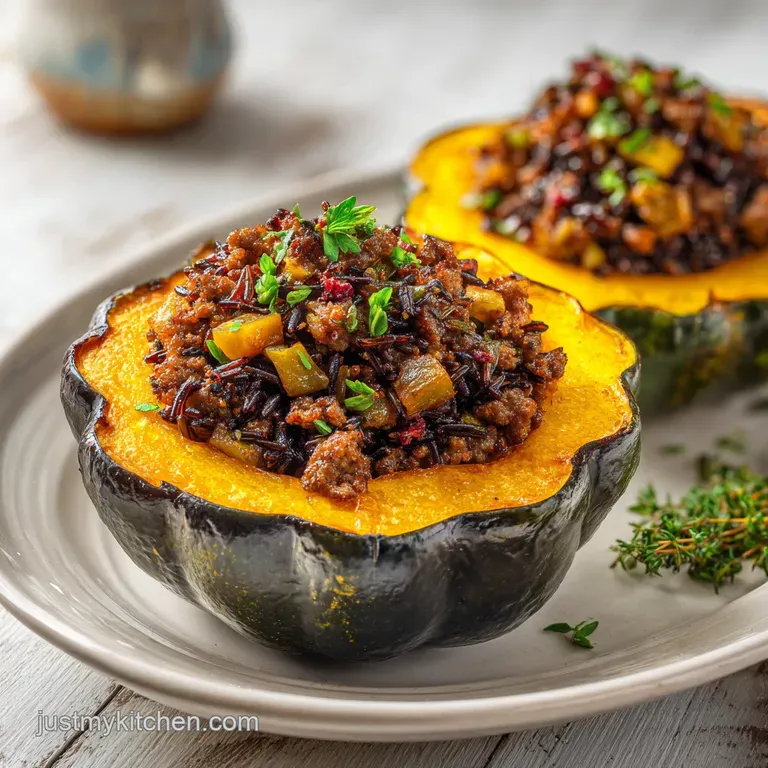
Even the best recipes can go sideways if the oven is acting up or the produce is a bit off. When making Sausage Stuffed Squash, the most common issues usually involve texture.
Troubleshooting Common Issues
| Issue | Solution |
|---|---|
| Why Your Squash Is Still Hard | If you find the bottom of your squash is still tough, it's usually because the squash was larger than average or your oven runs cold. Don't be afraid to leave them in for an extra 5-10 minutes during |
| How to Prevent Dry Filling | If the stuffing feels like sand, you likely simmered the chicken broth for too long or used an over cooked rice. To fix this, stir in an extra tablespoon of broth or a tiny knob of butter right before |
| Stuffing Overflows | This happens if you're too enthusiastic with the rice. Instead of mounding it too high, create a slight "well" in the center of the squash. If it's still overflowing, just scoop the extra into a small |
Common Mistakes Checklist
- ✓ Didn't roast squash cut side down (results in uneven cooking)
- ✓ Used pre shredded cheese (won't melt as smoothly)
- ✓ Overcooked the garlic (becomes bitter if browned too much)
- ✓ Stuffed the squash while it was raw (center remains hard)
- ✓ Forgot to seed the squash fully (bitter seeds in the final dish)
Adjusting the Recipe
Not everyone is cooking for a crowd of four, and some of us have dietary needs. Whether you're scaling this up for a holiday or down for a solo dinner, here is how to handle it.
Scaling Down
If you're only using one squash, simply halve all the ingredients. For the garlic, I usually just use 1 large clove. Be careful with the roasting time; a single squash might cook slightly faster than two because there's more airflow around it in the oven. Reduce the final bake time by about 20%.
Scaling Up
When doubling this for a party, don't just double the salt and sage. I find that spices can become overwhelming in large batches, so I only increase them to about 1.5x the original amount.
Use two separate baking sheets so the squash isn't crowded; if they touch, they'll steam instead of roast, and you'll lose that shatter crisp edge.
For those looking for a different protein approach, you could substitute the sausage with my traditional Italian meatballs, though you'll need to crumble them first to get the right consistency for the filling.
Dietary Tweaks
- Low Carb/Keto: Replace the wild rice with cauliflower rice. Since cauliflower releases more water, sauté it separately first to dry it out before adding it to the sausage mix.
- dairy-free: Skip the Parmesan and add a teaspoon of nutritional yeast for that nutty, cheesy flavor.
- Vegetarian: Use a plant based sausage and replace chicken broth with a rich mushroom broth.
Dish Misconceptions
I've seen a lot of "tips" online that actually don't help. Let's clear some of those up so you don't waste your time.
Some people claim you need to peel the acorn squash before roasting. This is a total waste of time. The skin is completely edible and actually helps the squash hold its shape while it bakes. If you peel it, the "bowl" becomes flimsy and more likely to collapse under the weight of the filling.
Another common myth is that you should "seal in the juices" by searing the sausage on very low heat. In reality, you want a medium high heat to get a proper brown crust. This isn't about sealing juices; it's about creating flavor through browning, which makes the whole Sausage Stuffed Squash taste more complex.
Saving Every Scrap
Cooking this way usually leaves you with a few bits and pieces. Instead of tossing them, let's be smart about it.
Storage Guidelines
If you have leftovers, let them cool completely before covering them with foil. They'll stay great in the fridge for about 3 to 4 days. To reheat, I recommend the oven at 350°F (175°C) for about 15 minutes. This keeps the squash from getting that weird "microwave mush" texture.
Freezing Tips
You can freeze the cooked Sausage Stuffed Squash, but the texture of the squash changes slightly it becomes a bit softer. Wrap each half tightly in plastic wrap and then foil. They'll last about 2 months. Thaw in the fridge overnight before reheating.
Zero Waste Ideas
Don't throw away the squash seeds! Rinse them, pat them dry, toss them with a little of that olive oil and salt, and roast them at 350°F (175°C) for 15 minutes. You've just made a free, healthy snack.
Also, if you have leftover wild rice, it's fantastic tossed into a cold salad with lemon and parsley the next day.
Plating the Dish
The beauty of this recipe is that the squash acts as its own bowl, so you don't need much for presentation. However, a few small touches make it feel like a restaurant meal.
I love to serve this on a large wooden board or a ceramic platter. Scatter some extra fresh parsley over the top for a pop of bright green against the orange squash. If you have any pomegranate seeds or dried cranberries, a few of those scattered around the plate add a lovely tartness and a professional look.
For a complete meal, pair the Sausage Stuffed Squash with a simple arugula salad with a lemon vinaigrette. The peppery greens cut through the richness of the sausage and cheese, balancing the whole plate. It's a simple move, but it makes the dinner feel cohesive and thoughtful.
Right then, you've got the plan. From the par roasting to the final cheesy melt, this dish is all about the flow. Just take your time with the browning of the sausage, keep an eye on your oven, and you'll have a meal that tastes like it took hours, even though it only took an hour. Enjoy every bite!
Critical Sodium Level
1150 mg 1,150 mg of sodium per serving (50% 50% of daily value)
The American Heart Association recommends a daily sodium limit of 2,300mg, with an ideal limit of 1,500mg for most adults to reduce cardiovascular risk.
Tips to Reduce Sodium in Your Stuffed Squash
-
Swap the Broth-30%
Replace the chicken broth with low-sodium or no-sodium chicken broth, or use water with a squeeze of lemon juice for brightness.
-
Modify the Meat-25%
Substitute Italian sausage for ground turkey or lean pork and season it yourself with sage, pepper, and garlic powder.
-
Omit Added Salt-25%
Remove the 1/2 tsp kosher salt entirely; the sausage and Parmesan cheese already provide significant sodium.
-
Reduce the Cheese-15%
Cut the Parmesan cheese to 1/4 cup or replace a portion of it with nutritional yeast for a similar nutty, salty flavor.
-
Enhance with Aromatics
Increase the fresh parsley and add a pinch of red pepper flakes or extra black pepper to boost flavor without adding salt.
Recipe FAQs
Can I use a different squash instead of acorn squash?
Yes, but stick to winter varieties. Butternut or delicata work well, though you will need to adjust the shape and cutting method to ensure they can hold the filling.
How to prevent the filling from becoming dry?
Stir in an extra tablespoon of chicken broth. This fixes a "sandy" texture caused by over simmering the broth or using overcooked wild rice.
Is it true I need to peel the acorn squash before roasting?
No, this is a common misconception. The skin is edible and essential for helping the squash hold its shape during the 400°F roast.
How to reheat leftovers without them getting mushy?
Bake at 350°F for about 15 minutes. Using the oven instead of a microwave preserves the structural integrity of the squash.
Why is the bottom of my squash still tough after roasting?
Your squash may be larger than average or your oven runs cold. Leave the halves in for an additional 5-10 minutes during the first roast until the flesh is tender.
What side dish pairs best with this meal?
Roasted vegetables provide a great complementary contrast. If you enjoyed the roasting technique here, see how the same principle works in our roasted broccoli and carrots.
Can I prepare the sausage mixture in advance?
Yes, you can cook the filling ahead of time. Store the mixture in the refrigerator and simply fill the par-roasted squash halves before the final bake.
Sausage Stuffed Squash