Garlic Butter Shrimp Scampi Pasta for Dinner
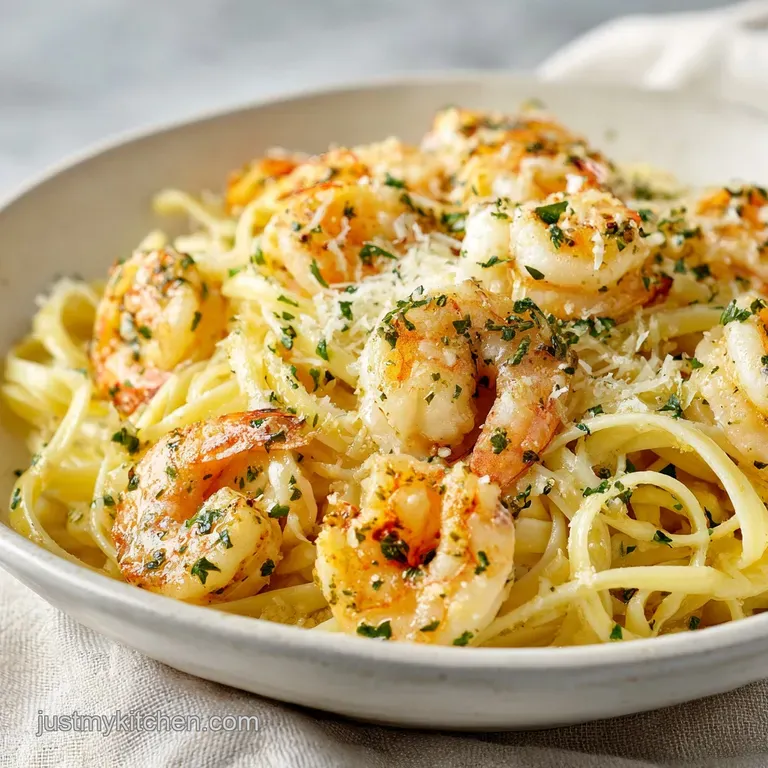
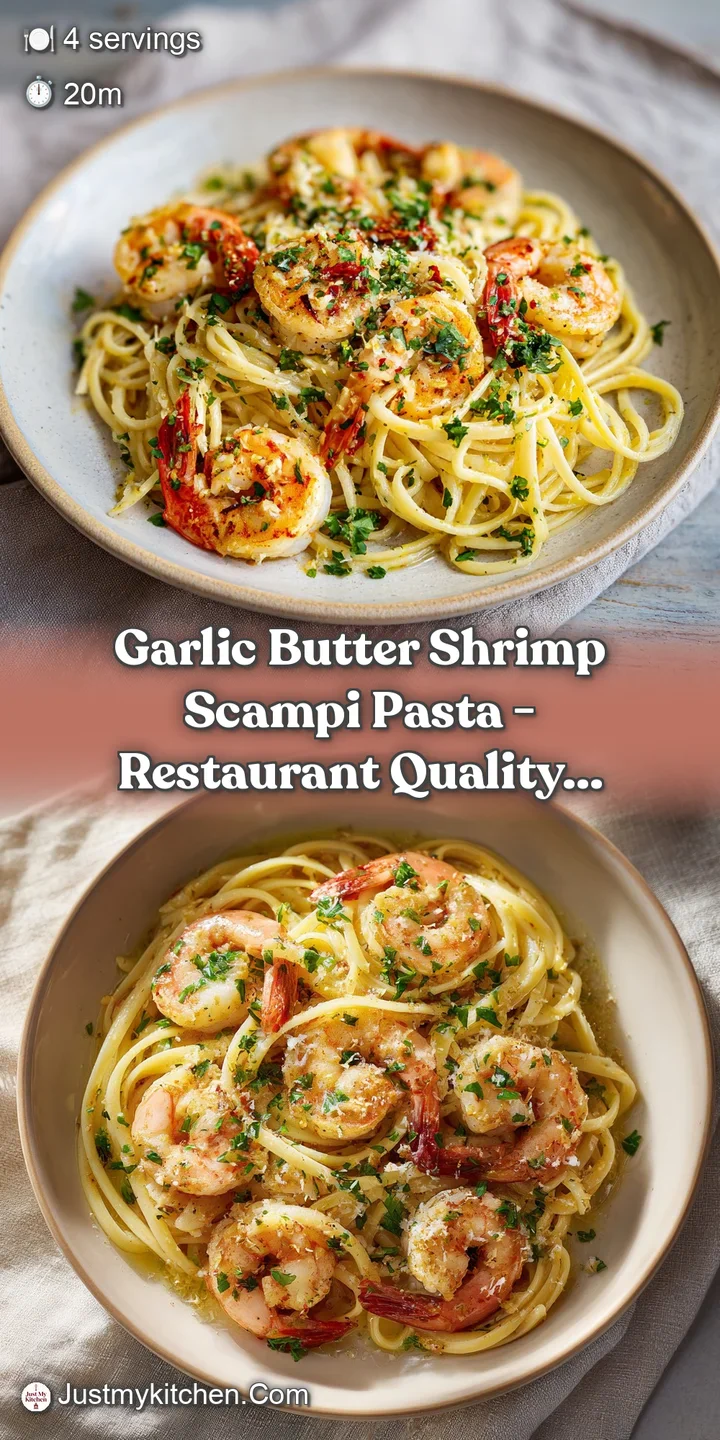
- Time: Active 10 minutes, Passive 10 minutes, Total 20 minutes
- Flavor/Texture Hook: Velvety butter sauce with a citrusy zing and "snappy" shrimp.
- Perfect for: A fast weeknight family dinner or a quick date night.
- Perfect Garlic Butter Shrimp Scampi Pasta
- Science Secrets for Perfect Shrimp Texture
- Recipe Specs for Your Weeknight Meal
- Best Ingredients for Maximum Flavor Impact
- Essential Equipment for Fast Kitchen Prep
- How to Cook This 20 Minute Meal
- Troubleshooting Your Shrimp Pasta Problems
- Dietary Swaps for Every Eating Style
- Storage and Reheating for Best Results
- What to Serve With Scampi Pasta
- Recipe FAQs
- 📝 Recipe Card
Perfect Garlic Butter Shrimp Scampi Pasta
I still remember the first time I tried to make scampi for my family. I was so worried about the garlic burning that I basically boiled the shrimp in lukewarm butter. The result was a sad, gray mess that tasted more like raw garlic than a silky sauce.
It was a total kitchen disaster, but it taught me exactly what not to do. Now, when I smell that specific scent of garlic hitting hot olive oil and butter, I know I'm minutes away from something truly special.
There is nothing quite like the sound of shrimp hitting a hot skillet. That initial sizzle followed by the aroma of white wine reducing is the ultimate "dinner is almost ready" signal.
This Garlic Butter Shrimp Scampi Pasta has become my absolute go to when I want a meal that feels fancy but actually fits into my chaotic Tuesday schedule. It is all about the timing and the temperature, and once you get those right, you'll never order this at a restaurant again.
The secret to this version isn't just the butter, it's the texture of the shrimp and the way the sauce clings to every strand of angel hair. We've all had those pasta dishes where the sauce sits at the bottom of the bowl while the noodles stay dry.
We are going to fix that today with a little help from some pasta water and a quick toss. Let's get the water boiling and show you how it's done.
Science Secrets for Perfect Shrimp Texture
- Alkaline Brining: The 1/4 tsp baking soda slightly raises the pH level of the shrimp, which keeps them plump and "snappy" rather than mushy when they hit the heat.
- Starch Emulsification: Using starchy pasta water helps the fats from the butter and oil bind with the lemon juice and wine, creating a velvety sauce that doesn't separate.
- Maillard Management: Thinly slicing the garlic instead of mincing it allows for a more controlled release of flavor and prevents it from burning during the over high heat sear.
- Protein Denaturation: Searing the shrimp quickly over high heat prevents the proteins from tightening too much, which is what usually makes them rubbery and tough.
| Prep Type | Time Impact | Texture Result | Best For |
|---|---|---|---|
| Fresh Garlic Slices | Adds 3 mins | Sweet, nutty toasted bits | The full flavor experience |
| Jarred Minced Garlic | Saves 3 mins | Milder, slightly acidic | Ultra fast weeknight rush |
| Frozen Shrimp (Thawed) | Adds 10 mins | Firm and consistent | Keeping a budget friendly pantry |
Building a meal like this is similar to the fast paced flow I use for my One Pan Garlic recipe, where timing the protein and the vegetables is the key to success.
Recipe Specs for Your Weeknight Meal
| Component | Measurement | Science Role | Pro Secret |
|---|---|---|---|
| Large Shrimp (21/25) | 1 lb (450g) | Primary protein | Pat them bone dry before searing to get a better crust. |
| Angel Hair Pasta | 8 oz (225g) | Starch base | Cook 1 minute less than the box says; it finishes in the sauce. |
| Dry White Wine | 1/3 cup (80ml) | Acidic deglazer | Use a wine you'd actually drink to ensure a clean, crisp finish. |
| Unsalted Butter | 4 tbsp (56g) | Fat and mouthfeel | Add half at the start and half at the end for ultimate creaminess. |
You'll find that having all these components prepped and ready on your counter is the only way to survive a 20 minute recipe. Once the heat is on, things move very quickly!
Best Ingredients for Maximum Flavor Impact
- Large shrimp (21/25 count): 1 lb, peeled and deveined. Why this? They are big enough to sear without overcooking instantly. (Substitute: Scallops)
- Baking soda: 1/4 tsp. Why this? Keeps the shrimp firm and prevents them from leaking moisture. (Substitute: Skip if shrimp are pre treated)
- Kosher salt: 1/2 tsp. Why this? Enhances the natural sweetness of the seafood. (Substitute: Sea salt)
- Red pepper flakes: 1/2 tsp. Why this? Adds a gentle back of-the throat warmth. (Substitute: Cayenne pepper)
- Angel hair pasta: 8 oz (225g). Why this? Cooks in minutes and holds onto light sauces beautifully. (Substitute: Linguine or Spaghetti)
- Garlic: 6 cloves, thinly sliced. Why this? Slices infuse the oil without burning as fast as mince. (Substitute: Shallots)
- Unsalted butter: 4 tbsp, divided. Why this? Gives you total control over the salt levels of the dish. (Substitute: Ghee)
- Extra virgin olive oil: 2 tbsp. Why this? Raises the smoke point of the butter so it doesn't burn. (Substitute: Avocado oil)
- Dry white wine: 1/3 cup. Why this? Cuts through the fat with essential acidity. (Substitute: Chicken stock with extra lemon)
- Lemon: 1 large, zested and juiced. Why this? Fresh zest provides aroma that bottled juice lacks. (Substitute: Lime in a pinch)
- Fresh parsley: 1/4 cup, finely chopped. Why this? Adds a necessary grassy freshness to the finish. (Substitute: Fresh basil)
- Black pepper: to taste.
If you enjoy the balance of seafood and aromatic vegetables, you should also try my Honey Garlic Shrimp recipe for a slightly sweeter take on a 20 minute meal.
Essential Equipment for Fast Kitchen Prep
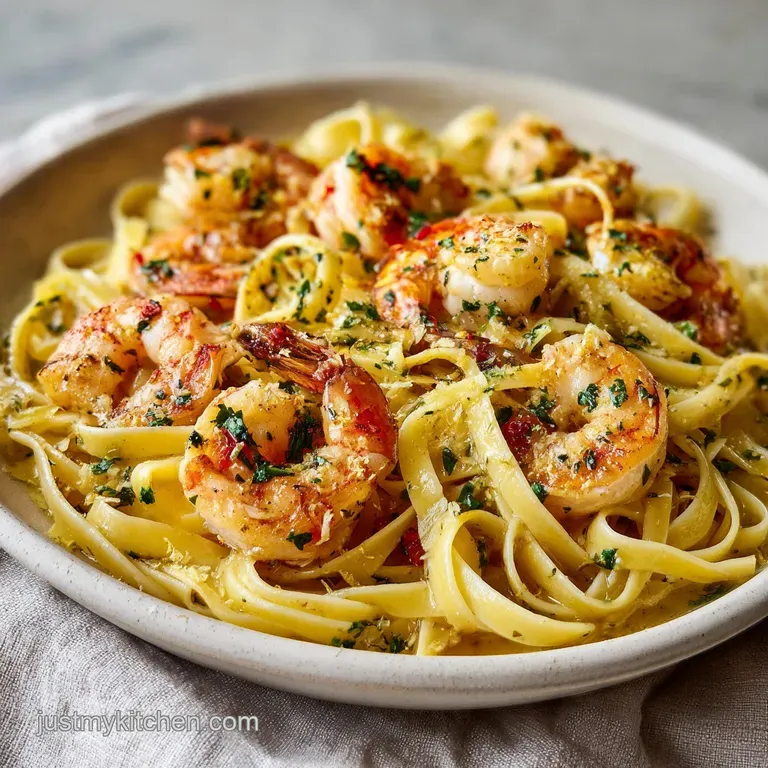
You don't need a professional kitchen to pull this off, but a large skillet is non negotiable. I recommend a 12 inch stainless steel or cast iron skillet (like a Lodge) so the shrimp have enough room to breathe. If you crowd them, they will steam in their own juices instead of getting that beautiful golden color.
You'll also want a large pot for the pasta and a pair of kitchen tongs. Tongs are much better than a spoon here because they allow you to swirl the pasta into the sauce, ensuring every strand is coated. A microplane is also a lifesaver for getting that fine lemon zest without the bitter white pith.
How to Cook This 20 Minute Meal
- Prep the shrimp. Toss 1 lb shrimp with 1/4 tsp baking soda and 1/2 tsp salt. Note: This creates the "snap" we want.
- Boil the water. Bring a large pot of salted water to a boil and cook 8 oz angel hair for 2 minutes. Wait until the water is a rolling boil.
- Save the liquid. Scoop out 1/2 cup of pasta water before draining the noodles. Note: This is your insurance policy for a silky sauce.
- Heat the fats. Melt 2 tbsp butter with 2 tbsp olive oil in your skillet over medium high heat until the foam subsides.
- Sear the shrimp. Add shrimp and 1/2 tsp red pepper flakes in a single layer. Cook for 1 minute per side until pink.
- Remove shrimp. Transfer the shrimp to a plate. Note: We do this so they don't turn into rubber while we make the sauce.
- Sauté the garlic. Add 6 sliced cloves to the pan. Cook for 30 seconds until fragrant and pale gold.
- Deglaze the pan. Pour in 1/3 cup white wine. Simmer until the liquid reduces by half.
- Build the emulsion. Whisk in the remaining 2 tbsp butter, lemon juice, and zest until the sauce looks glossy.
- The final toss. Add the pasta, shrimp, parsley, and a splash of pasta water. Toss for 1 minute until the sauce clings to the pasta.
Troubleshooting Your Shrimp Pasta Problems
Why is my shrimp rubbery?
Overcooking is the most common reason shrimp lose their tender bite. Because they are small, they continue to cook from residual heat even after you take them out of the pan. Always pull them off the heat the second they turn opaque and form a "C" shape.
If they've tightly curled into an "O", they are already overcooked.
Why did my sauce separate into a greasy mess?
If your sauce looks like a pool of oil rather than a creamy coating, you likely didn't have enough starch or you let the wine reduce too far. Adding that splash of reserved pasta water and whisking the cold butter in at the end helps stabilize the fat in-water emulsion.
| Problem | Root Cause | Solution |
|---|---|---|
| Bitter flavor | Garlic was burnt | Sauté garlic for only 30 seconds or until just pale gold. |
| Dry pasta | Too much evaporation | Add 2-3 tablespoons of reserved pasta water to loosen the sauce. |
| Mushy shrimp | No brining or low heat | Use the baking soda trick and ensure the pan is very hot. |
Common Mistakes Checklist
- ✓ Never skip the pasta water; it is the "glue" for your sauce.
- ✓ Pat the shrimp dry with paper towels so they sear rather than steam.
- ✓ Slice the garlic thinly rather than pressing it to prevent burning.
- ✓ Use a dry wine; sweet wines will make the dish taste cloying.
- ✓ Don't overcook the angel hair in the pot; it needs that last minute in the skillet.
Dietary Swaps for Every Eating Style
If you are looking for a gluten-free version, simply swap the angel hair for a high-quality gluten-free pasta (like Barilla GF) or even zucchini noodles. If using zucchini noodles, don't boil them! Just toss them into the skillet at the very end for about 60 seconds so they stay crunchy.
For those following a Low Carb or Keto diet, omit the pasta entirely and serve the Garlic Butter Shrimp over steamed cauliflower rice or roasted spaghetti squash. You'll still get all that incredible buttery lemon flavor without the heavy carbs.
To keep it strictly Keto, ensure your white wine is very dry, as some cheaper wines can have hidden residual sugars.
Chef's Note: If you want to make this recipe without wine, you can use chicken broth or clam juice. Just add an extra teaspoon of lemon juice to mimic the acidity the wine usually provides.
Storage and Reheating for Best Results
Storage: You can keep leftovers in an airtight container in the fridge for up to 2 days. Seafood doesn't stay fresh as long as chicken or beef, so try to eat it quickly.
Reheating: This is the tricky part. If you microwave it, the shrimp will turn into erasers. Instead, put the pasta and shrimp in a skillet with a tiny splash of water or broth over low heat. Cover it for 2 minutes just until it's warmed through.
Zero Waste Tip: Don't toss those lemon peels or garlic skins. You can freeze lemon rinds to zest later for other dishes, and garlic skins can be thrown into a bag in the freezer for your next batch of homemade vegetable stock.
What to Serve With Scampi Pasta
I usually keep the sides very simple because the pasta is so rich. A crisp green salad with a light vinaigrette is perfect for cutting through the butter. If you want something heartier, a side of roasted asparagus or steamed broccoli works beautifully.
- Bread: A crusty baguette or garlic bread is mandatory for soaking up any leftover sauce at the bottom of the bowl.
- Wine Pairing: Serve the rest of that bottle of Sauvignon Blanc or Pinot Grigio you used for the sauce.
- Vegetables: Roasted zucchini or a quick sautéed spinach will add color and fiber to the plate.
| Method | Time | Texture | Best For |
|---|---|---|---|
| Traditional Skillet | 10 mins | Golden sear, silky sauce | The classic dinner experience |
| oven-roasted | 15 mins | Tendershrimp, less mess | Large batches or hands off cooking |
| Air Fryer | 8 mins | Extra "snap" on shrimp | Small portions or quick lunches |
Before you get started, remember that the "journey" of cooking is really just about the small wins. Don't worry if your first toss isn't perfect. As long as you have butter, garlic, and lemon, it's going to be great. Trust me on this one, your kitchen is about to smell incredible!
Recipe FAQs
What are some common mistakes to avoid when making shrimp scampi?
Overcooking the shrimp and burning the garlic. Always remove shrimp from the pan before building the sauce to prevent rubberiness. When sautéing garlic, keep the heat controlled; if you're worried about burning, check out how we manage high heat searing in our Creamy Garlic Chicken recipe for transferable timing skills.
What pasta goes with shrimp scampi?
Angel hair or linguine are the best choices. These thinner pastas cook quickly and their surface area allows the light garlic butter sauce to cling evenly without pooling at the bottom of the bowl.
What kind of butter for shrimp scampi?
Use high-quality unsalted butter. Starting with unsalted gives you total control over the final seasoning, which is critical since shrimp requires precise salting. I recommend adding half the butter at the start and the second half off the heat to ensure a glossy, stable sauce.
Can garlic butter go in pasta?
Yes, this is the fundamental base of scampi sauce. The key is emulsification; you must incorporate starchy pasta water with the butter and acid (lemon/wine) so it coats the noodles rather than separating into oil and water.
Is it true I must use a huge skillet for scampi?
No, but crowding the pan is disastrous. If you put too many shrimp in a small pan, they steam instead of sear, resulting in a pale, watery texture. Ensure your skillet is large enough so the shrimp cook in a single layer.
Why does my sauce always break and look oily?
You likely skipped the starchy liquid needed for binding. The reserved pasta water contains starch released from the noodles, which acts as an emulsifier to permanently bind the fat (butter/oil) with the liquid (wine/lemon juice). If you want practice with binding fats and liquids, see how we manage that technique in the Zucchini Soup Recipe.
How to ensure shrimp are plump and not rubbery?
Toss the raw shrimp with 1/4 teaspoon of baking soda before cooking. This small alkaline adjustment firms up the protein structure, keeping them snappy even if they cook a moment too long.
Garlic Butter Shrimp Scampi
Ingredients:
Instructions:
Nutrition Facts:
| Calories | 492 kcal |
|---|---|
| Protein | 27.6 g |
| Fat | 18.7 g |
| Carbs | 44.2 g |
| Fiber | 2.5 g |
| Sugar | 1.5 g |
| Sodium | 395 mg |
