Chewy Snickerdoodle Cookie Bars
- Time: Active 10 minutes, Passive 25 minutes, Total 35 minutes
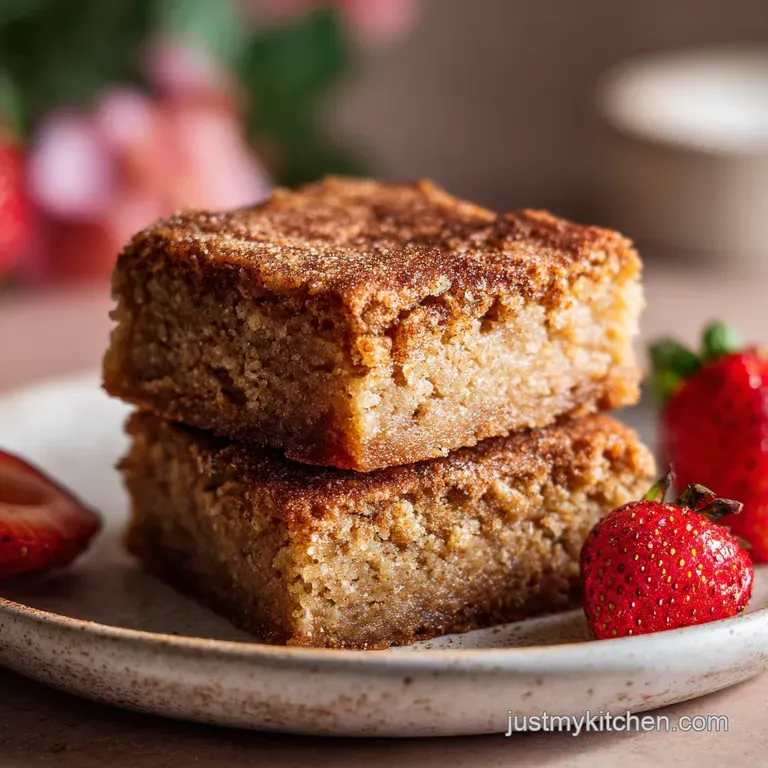
- Flavor/Texture Hook: A velvety, butter rich center topped with a shattering cinnamon sugar crust
- Perfect for: School bake sales, cozy weekend snacking, or beginner bakers wanting a win
- Crafting the Most Chewy Snickerdoodle Cookie Bars
- The Secret to a Velvety Crumb
- Understanding Your Recipe Milestones
- Essential Elements for Success
- Gathering Your Pantry Staples
- Necessary Kitchen Tools
- Mastering the Step-by-Step Process
- Correcting Common Baking Mishaps
- Flavor Variations and Ingredient Swaps
- Keeping Your Bars Fresh
- Beautiful Ways to Serve
- Recipe FAQs
- 📝 Recipe Card
Crafting the Most Chewy Snickerdoodle Cookie Bars
Have you ever pulled a pan of bars out of the oven only for them to be dry, crumbly, and more like a sad piece of cinnamon toast than a dessert? It is a common kitchen heartbreak. Most recipes lead you toward a texture that is closer to a muffin than a cookie, leaving you with a bready crumb that lacks that essential, dense bite.
We want something that yields under the teeth, a middle that feels almost like fudge but tastes like a warm hug from a traditional cookie.
This recipe is the targeted fix for the "Cakey Trap." We are ditching the heavy electric mixers that whip too much air into the batter, which is usually the culprit behind that puffy, bread like texture.
Instead, we are using a simple spatula and a specific ratio of fats to flour to ensure every single square is as soft as the center of a classic snickerdoodle. It is about creating a contrast between a tender, moisture rich base and a topping that crackles when you bite into it.
You can expect a kitchen filled with the intoxicating scent of warm vanilla and woody cinnamon. There is something magical about how such simple pantry staples transform into these golden squares.
We are focusing on a traditional flavor profile but with a modern, approachable method that gets you from a craving to a finished treat in just 35 minutes. Let's get into what makes this specific version stand out from the rest.
The Secret to a Velvety Crumb
Controlled Aeration: By using a spatula rather than a whisk or stand mixer, we prevent the formation of large air pockets that turn bars into cake.
Acidic Chemistry: The cream of tartar provides the signature "zing" while reacting with baking soda to create a tiny amount of lift without losing the chew.
Moisture Retention: Using a high ratio of vanilla and a room temperature egg helps the fat and sugar stay bonded, preventing the bars from drying out during the bake.
The Level Press: Using a dampened spatula to flatten the dough ensures the heat distributes evenly, so you don't end up with burnt edges and a raw middle.
Understanding Your Recipe Milestones
Before we grab the flour, let's look at how this version compares to the traditional round cookies and the specific targets you should aim for while baking.
| Feature | Classic Snickerdoodle | This Cookie Bar Recipe | Why It Matters |
|---|---|---|---|
| Prep Method | Roll individual balls | Single pan press | Saves 20 minutes of active labor |
| Chill Time | 30 to 60 minutes | Zero chilling needed | Ideal for immediate cravings |
| Texture Profile | Crispy edges, soft center | Uniformly chewy and dense | Maximum "fudgy" cookie experience |
If you love that deep, molasses heavy flavor of a darker cookie, you might find that my Brown Sugar Cookie Recipe hits a different note, but for that bright, tangy snickerdoodle vibe, the granulated cane sugar here is non negotiable.
- Oven Temperature
- Exactly 175°C (350°F).
- Butter Weight
- 113g (1/2 cup), softened but not greasy.
- Bake Time Limit
- Never exceed 25 minutes to preserve the internal moisture.
Essential Elements for Success
The magic of this bake lies in how these humble ingredients interact. Understanding their roles helps you avoid common mistakes before they even happen.
| Ingredient | Science Role | Pro Secret |
|---|---|---|
| Unsalted Butter | Provides fat for tenderness | Ensure it is "pliable" (leaves an indent) but not melting |
| Cream of Tartar | Adds tang and stabilizes structure | If yours is over a year old, toss it; the tang fades |
| Ceylon Cinnamon | Primary aromatic spice | Use Ceylon for a delicate, floral scent rather than harsh heat |
| Granulated Cane Sugar | Creates the crackle topping | Don't skimp on the topping; it creates the texture contrast |
One of the most important things to remember is the mixing method. If you treat this like a cake batter, you will lose that dense, rich bite we are aiming for. We want the flour to be just barely incorporated.
Gathering Your Pantry Staples
Here is exactly what you need to pull from your cupboards. I have included some swaps just in case you find yourself missing an item mid bake.
- 1/2 cup (113g) unsalted butter, softened: Why this? Provides the fat base without extra salt affecting the rise.
- Substitute: Salted butter (just omit the extra sea salt).
- 3/4 cup (150g) granulated cane sugar: Why this? Keeps the bars light in color and adds a clean sweetness.
- Substitute: Standard white sugar works perfectly.
- 1 large egg, room temperature: Why this? Emulsifies better with the butter for a smoother dough.
- Substitute: 1/4 cup of unsweetened applesauce (yields a denser, moister bar).
- 1 tablespoon vanilla extract: Why this? High volume of vanilla provides the "bakery style" floral aroma.
- Substitute: Vanilla bean paste for those beautiful black specks.
- 1 1/2 cups (185g) all purpose flour: Why this? The ideal protein content for a soft yet sturdy bar.
- Substitute: 1:1 gluten-free baking flour (like King Arthur Measure for Measure).
- 1 teaspoon cream of tartar: Why this? Provides the iconic snickerdoodle acidity and prevents sugar crystallization.
- Substitute: 1 teaspoon of lemon juice (though the texture will be slightly softer).
- 1/2 teaspoon baking soda: Why this? Reacts with the acid to provide a subtle, chewy lift.
- 1/4 teaspoon sea salt: Why this? Balances the sugar and highlights the cinnamon notes.
- 2 tablespoons granulated sugar (for topping): Why this? Creates the characteristic "shatter" on the surface.
- 1 tablespoon Ceylon cinnamon: Why this? Sweeter and more complex than standard Cassia cinnamon.
- Substitute: Regular ground cinnamon (Cassia).
Chef's Tip: If your butter is still cold, grate it with a cheese grater into a bowl. The small shreds will reach room temperature in about 5 minutes, saving you from having to wait an hour!
Necessary Kitchen Tools
You don't need a pantry full of gadgets for these chewy snickerdoodle cookie bars. In fact, keeping it simple is the key to that perfect texture.
- 8x8 or 9x9 inch square baking pan: This size ensures the bars have the perfect thickness. A larger pan will make them too thin and prone to drying out.
- Parchment paper: This is non negotiable for easy lifting. It also prevents the edges from over browning against the metal.
- Silicone spatula: This is our primary tool for "folding" rather than "beating" the dough.
- Small whisk: Just for mixing the cinnamon sugar topping to ensure no clumps.
- Digital scale: For the best results, weighing your flour (185g) is much more accurate than using measuring cups.
Mastering the step-by-step Process
- Preheat your oven to 175°C (350°F). Line your square pan with parchment paper, making sure to leave an "overhang" or "sling" on the sides so you can lift the whole block out later.
- In your large mixing bowl, combine the 113g of softened butter and 150g of sugar. Use your spatula to cream them together until the mixture looks like a thick, smooth paste.
- Add the room temperature egg and that big tablespoon of vanilla extract. Stir gently until the egg is fully absorbed and the mixture looks glossy.
- Sprinkle the flour, cream of tartar, baking soda, and sea salt directly over the wet ingredients.
- Fold the dry ingredients into the wet ones. Move the spatula in a circular motion, cutting through the center until no white streaks of flour are visible.
- Transfer the tacky dough into the prepared pan. It will be thick, so don't worry!
- Dampen your spatula with a little water to prevent sticking, and press the dough firmly into the corners for a uniform layer.
- Whisk the topping sugar and cinnamon in a small bowl. Sprinkle it generously over the dough, ensuring every centimeter is covered.
- Bake for 22 to 25 minutes. You are looking for the edges to just start pulling away from the parchment.
- Remove from the oven and resist the urge to cut them immediately. They need to cool completely in the pan to set their chewy structure.
Correcting Common Baking Mishaps
Even the simplest recipes can go sideways if the kitchen conditions aren't perfect. If your bars aren't looking quite right, one of these factors might be the cause.
Why Your Bars Turned Out Cakey
This is usually caused by over mixing or using an electric mixer. When you beat butter and sugar at high speeds, you incorporate air. Those air bubbles expand in the oven, creating a "lifted" crumb that feels like sponge cake. To fix this, stick to the spatula and only mix until the ingredients are just combined.
Solving the Hard and Crunchy Issue
If your bars are more like crackers than cookies, they likely stayed in the oven too long. The "carry over" cooking rule is vital here. The bars will continue to firm up for about 10 minutes after you take them out of the heat.
If they look "done" in the center when you pull them out, they are probably overbaked.
| Problem | Root Cause | Solution |
|---|---|---|
| Sunken Center | Underbaked or opened oven door | Bake until the edges are firm; keep the door closed |
| Gritty Texture | Sugar didn't dissolve into butter | Ensure butter is truly soft before mixing with sugar |
| Bitter Aftertaste | Too much baking soda or old tartar | Double check measurements and use fresh leavening |
For another treat that masters the balance of soft and crunchy, my Salted Caramel Cookie Bars offer a similar decadent chew with a salty twist.
Common Mistakes Checklist:
- ✓ Use room temperature eggs (cold eggs can seize the softened butter)
- ✓ Don't over mix once the flour is added (prevents gluten development)
- ✓ Pat the dough down firmly (removes unwanted air pockets)
- ✓ Check your oven temperature with an external thermometer
- ✓ Allow a full 60 minute cool down before slicing
Flavor Variations and Ingredient Swaps
While the classic version is iconic, there are a few ways to dress these up depending on what you have in the pantry or the occasion you are celebrating.
The Warm Spice Upgrade
If you want a more complex flavor, replace the Ceylon cinnamon with a "Chai" blend. Mix the topping sugar with cinnamon, ginger, cardamom, and a pinch of cloves. This creates a much more sophisticated, "grown up" version of the bar that pairs beautifully with coffee.
The Chocolate Chip Twist
I know, it’s not traditional! But adding 1/2 cup of white chocolate chips into the batter adds a creamy, milky contrast to the tangy cream of tartar. For those who prefer a crunchier, more colorful variation, you might want to look into my No Bake Monster Cookie Bars which use a similar bar format but with candies.
For those days when you want a traditional round cookie, my Snickerdoodles recipe is a classic choice that uses a very similar dough base but with a slightly different bake time for that iconic "pillowy" shape.
| If you want... | Do this... |
|---|---|
| Extra Tangy Bars | Increase cream of tartar to 1.5 teaspoons |
| Crispy Edges | Use a metal pan instead of glass and skip the parchment on the sides |
| A "Salted" Version | Sprinkle a tiny pinch of flaky Maldon salt over the cinnamon topping |
Keeping Your Bars Fresh
Because these chewy snickerdoodle cookie bars have a high moisture content, they stay fresh longer than most cookies.
- Room Temperature
- Keep them in an airtight container for up to 4 days. I actually think they taste better on day two when the cinnamon has had time to "sink" into the buttery base.
- Freezer
- These freeze beautifully. Wrap individual squares in plastic wrap and place them in a freezer bag for up to 3 months. Thaw at room temperature for about 20 minutes for a perfect snack.
- Reheating
- If you want that "just out of the oven" feel, pop a bar in the microwave for exactly 8 seconds. It will soften the butter just enough to make it melt in your mouth.
Zero Waste Tip: If you end up with edges that are a bit too crunchy for your liking, don't throw them away! Crumble them up and use them as a topping for vanilla bean ice cream or fold them into a yogurt parfait. The cinnamon sugar crust acts like a gourmet granola.
Beautiful Ways to Serve
Presentation is half the fun with these golden squares. Because they are so rich, a little goes a long way.
For a summer treat, try making snickerdoodle ice cream sandwiches. Take two squares, place a scoop of salted caramel ice cream in between, and press them together. The tang of the bar balances the sweet cream perfectly.
If you are serving these at a party, I recommend cutting them into smaller "bites" (about 2cm squares). They look adorable piled up on a white platter and are much easier for guests to grab.
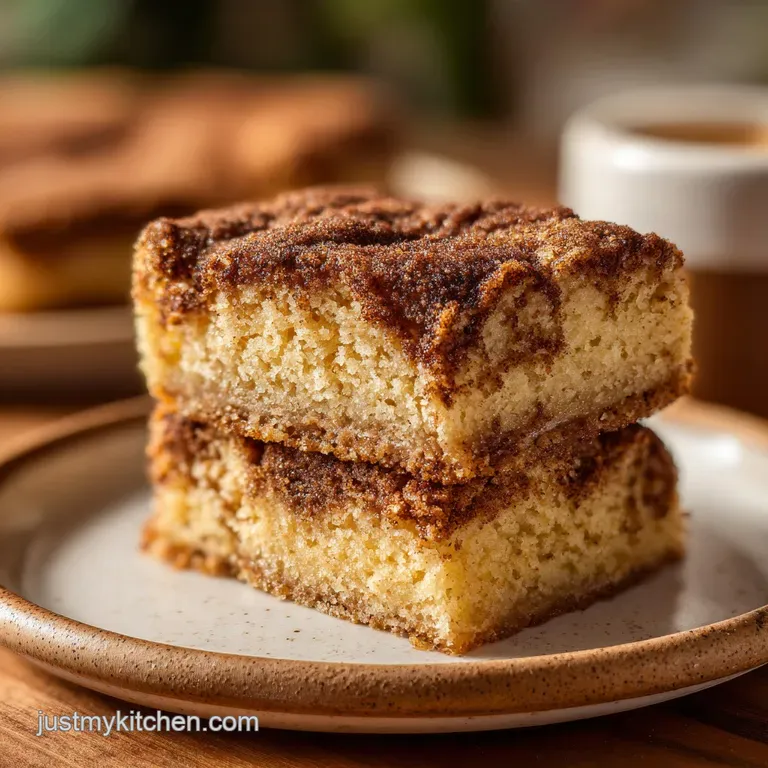
The contrast story of this dish is what makes it a winner: the tender, rich center meets a shattering, crisp crust. You have the sweet cane sugar playing against the bright, tangy cream of tartar, and the aromatic floral notes of the Ceylon cinnamon rounding everything out.
Whether you're a seasoned baker or this is your first time picking up a spatula, these bars are a guaranteed way to bring a bit of whimsical magic into your kitchen.
Remember, the secret isn't in fancy equipment it is in the gentle fold of the spatula and the patience to let them cool. Happy baking, my friend! Let me know if you decide to go with the chai spice or the classic version; I'm always curious to see how these turn out in other kitchens.

Recipe FAQs
What's the secret to chewy snickerdoodle bars?
Limit aeration. Use a spatula to stir the dough by hand rather than an electric mixer, which prevents incorporating too much air and keeps the texture dense and fudgy rather than cakey.
Why put cream of tartar in snickerdoodles?
It provides the signature tang. This acidic ingredient is essential for the classic snickerdoodle flavor profile and helps stabilize the baking soda for a perfect, chewy texture.
What is the secret to good snickerdoodles?
Use room temperature eggs and high-quality Ceylon cinnamon. If you enjoyed mastering the balance of simple ingredients here, see how we apply that same principle to our Chocolate Zucchini Brownies.
Why are my snickerdoodles not chewy?
You are likely overbaking them. Remove the pan from the oven as soon as the edges pull away from the sides, typically between 22 and 25 minutes, to ensure the center remains soft.
How to ensure even baking for these bars?
Press the dough into the pan with a dampened spatula. This technique creates a perfectly level surface, ensuring the edges and center cook at the same rate.
Is it true I should use melted butter for a chewier bar?
No, this is a common misconception. You must use softened butter to properly cream it with the sugar, which creates the necessary structure for a chewy, rather than greasy, cookie bar.
How to prep these bars ahead of time?
Press the dough into your prepared pan and refrigerate for up to 24 hours. Only sprinkle the cinnamon sugar topping immediately before you put the pan into the preheated 350°F oven.
Chewy Snickerdoodle Cookie Bars
Ingredients:
Instructions:
Nutrition Facts:
| Calories | 143 kcal |
|---|---|
| Protein | 1.6 g |
| Fat | 6.1 g |
| Carbs | 20.3 g |
| Fiber | 0.6 g |
| Sugar | 10.9 g |
| Sodium | 48 mg |
