Brown Sugar Cookies: Chewy and Soft
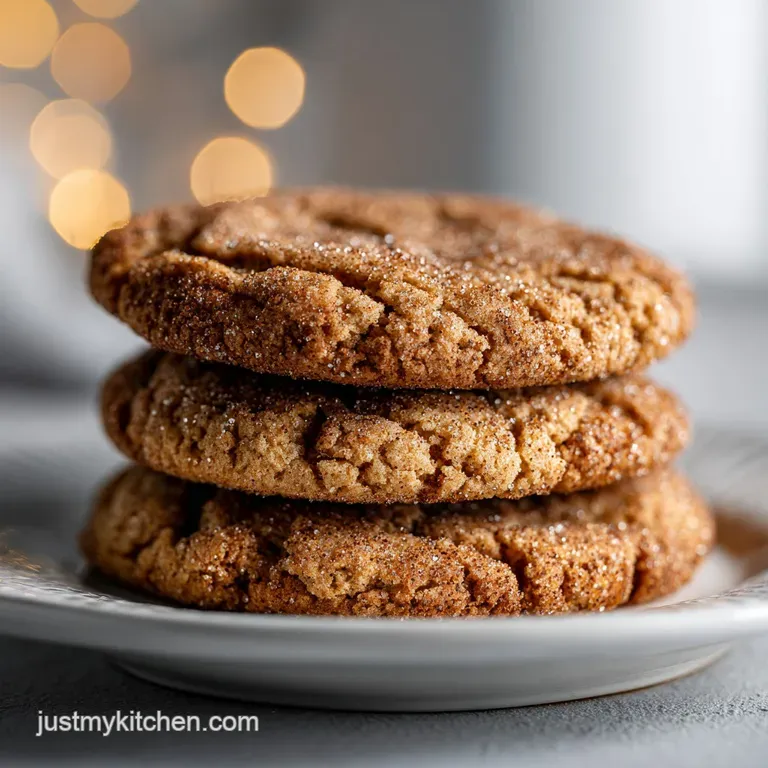
- Time: Active 15 minutes, Passive 10 minutes, Total 25 minutes
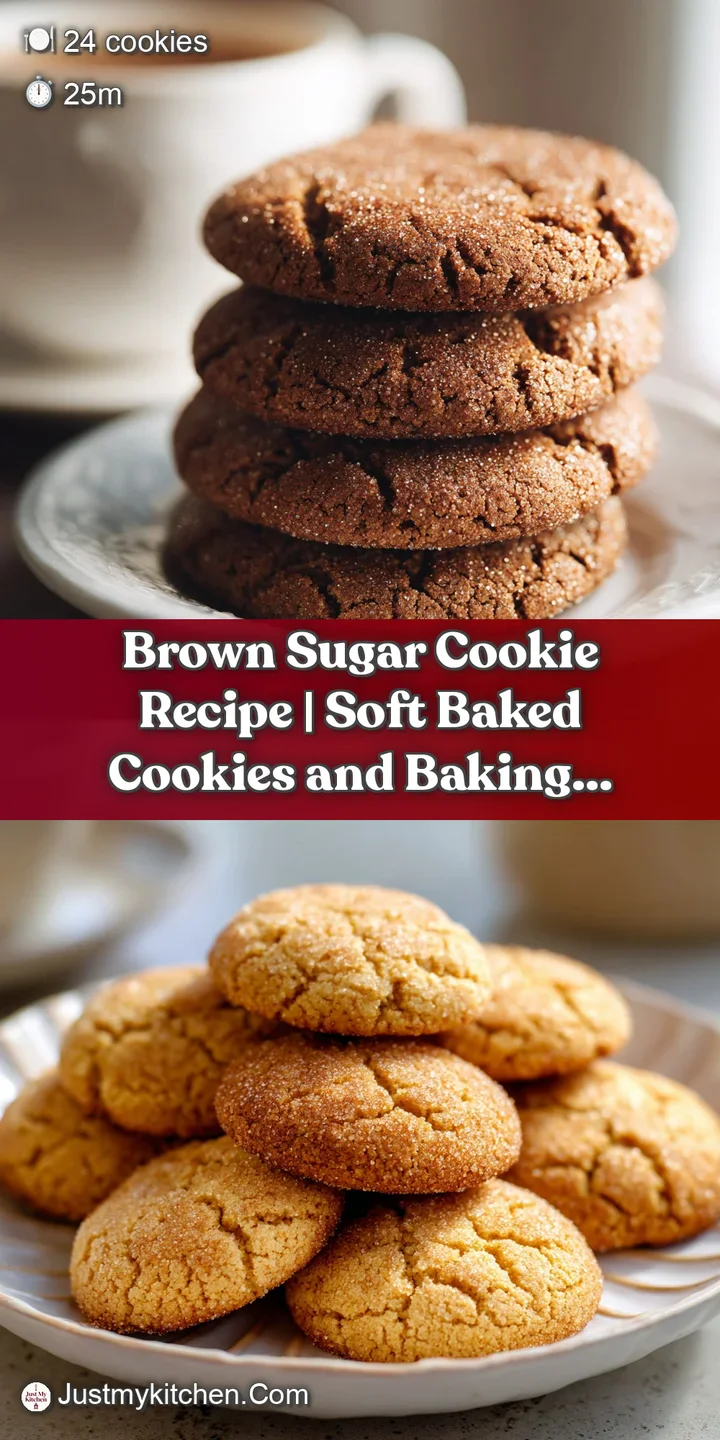
- Flavor/Texture Hook: Chewy molasses center with a sparkling sugar shatter crust
- Perfect for: Last minute guests or late night cravings
Whimsical Homemade Brown Sugar Cookie Recipe
Imagine walking into a kitchen where the air is thick with the scent of toasted caramel and warm butter. That is the magic of this brown sugar cookie recipe, a classic that feels like a modern luxury.
It takes just 25 minutes from the moment you grab your bowl to the moment you hear that first satisfying crunch of the sugar coated exterior. We aren't just making a snack here, we are creating a little piece of comfort that sparkles on the plate.
Most people reach for white sugar when they think of cookies, but that is a mistake if you want real soul in your baking. The dark brown sugar used here provides a depth of flavor that granulated sugar just can't touch. It is moody, rich, and incredibly moist.
You will find that these cookies don't just sit there, they practically melt into a fudgy landscape the second they hit your tongue.
We are going for a very specific contrast today. I want you to experience that delicate shatter as your teeth break through the granulated sugar coating, immediately followed by the soft, almost pillowy heart of the cookie. It is a texture play that makes these completely addictive.
Right then, let's get your oven preheated to 350°F (175°C) and start mixing.
Reasons This Cookie Succeeds
The magic behind this recipe isn't just luck, it is a bit of kitchen alchemy that ensures every bite is better than the last. We are relying on the high molasses content in dark brown sugar to do the heavy lifting.
Unlike light brown sugar, the dark variety has more acidity and moisture, which changes the entire structure of the crumb.
- Acidic Lift: The molasses in the dark brown sugar reacts immediately with the baking soda, creating tiny bubbles that ensure the cookie isn't a brick.
- Hygroscopic Nature: Sugar loves water, and brown sugar is particularly greedy, which means it pulls moisture from the air and the egg to keep the center velvety for days.
- Aeration Magic: By creaming the butter and sugar for a full 3 minutes, we are folding in thousands of microscopic air pockets that expand in the heat.
- Sugar Shield: Rolling the dough in granulated sugar creates a physical barrier that dries out quickly in the oven, giving us that signature crisp edge while the inside stays protected and soft.
Moisture Retention Secret
The secret to that bendable, chewy texture lies in the moisture content of the dark brown sugar. Because molasses is naturally moist, it prevents the flour proteins from forming a tough web. This results in a tender bite that feels expensive. If you’ve ever enjoyed the dense, rich texture of a fudgy brownie, you’ll recognize that same satisfying weight here.
Air Pocket Stability
When we beat the butter and sugar together, we are building the foundation of the cookie. If the butter is too cold, the air won't stick. If it is too melted, the air will just escape. That "softened" state is the sweet spot where the sugar crystals can actually carve out little rooms for air to live in.
Emulsion Integrity
Adding the egg at room temperature is a step most people skip, but it is vital. A cold egg will cause the softened butter to seize up and clump. By keeping everything at the same temperature, the fats and liquids emulsify into a smooth, shiny ribbon that carries flavor perfectly across the palate.
| Servings | Butter Amount | Dark Brown Sugar | Baking Sheet Size |
|---|---|---|---|
| 12 Cookies | 0.5 cup (112g) | 0.75 cup (165g) | Small (9x13) |
| 24 Cookies | 1 cup (225g) | 1.5 cups (330g) | Standard (12x17) |
| 48 Cookies | 2 cups (450g) | 3 cups (660g) | Two Standard |
Using the right amount of sugar per serving ensures that the structural integrity of the cookie remains intact regardless of how many people you are feeding. Always make sure your pans aren't overcrowded so the heat can circulate around each individual mound of dough.
| Component | Role in Recipe | Pro Secret |
|---|---|---|
| Dark Brown Sugar | Adds moisture and deep caramel notes | Pack it firmly into the measuring cup for accuracy |
| All Purpose Flour | Provides the structural framework | Spoon and level the flour so the cookies don't get cakey |
| Baking Soda | Encourages browning and creates lift | Check the expiration date; old soda leads to flat cookies |
A quick paragraph on ingredient quality can make a world of difference. When you select your butter, try to find a high-quality unsalted version so you can control the salt levels yourself. This allows the floral notes of the vanilla and the earthy molasses to really sing without being drowned out by hidden additives.
Recipe Success Specs
Before we start the heavy lifting, let’s look at the numbers that make this brown sugar cookie recipe work every single time. Precision is the friend of the baker, and while we want to be whimsical, we also want our cookies to actually bake properly.
We are looking for a yield of 24 cookies, which is just enough to share but plenty to keep.
Your prep time is a quick 15 minutes, which mostly involves getting your ingredients measured out and your butter to that perfect "finger dent" softness. The bake time is even faster at 10 minutes. This is why we call it a quick win.
You can literally decide you want cookies and be eating them before a single episode of a sitcom finishes.
Total time from start to finish is 25 minutes. This assumes you aren't distracted by the irresistible urge to eat the dough. Speaking of dough, this specific recipe is designed for a 350°F (175°C) oven.
This temperature is high enough to set the edges and melt the sugar coating into a crust, but low enough that the center doesn't dry out before the edges are golden.
Essential Building Blocks
To make these cookies, you need a few staples that are likely already sitting in your pantry. We are keeping it simple, but each item has a specific job to do. Don't underestimate the humble baking soda; it is the engine that makes these cookies spread and brown into their beautiful final form.
- 1 cup (225g) unsalted butter, softened: Why this? Provides the fat needed for a tender, melt in-your mouth texture.
- 1.5 cups (330g) dark brown sugar, packed: Why this? The primary flavor and moisture source for the cookie.
- 0.25 cup (50g) granulated sugar: Why this? Used strictly for rolling to create a crunchy exterior shell.
- 1 large egg, room temperature: Why this? Acts as the binder to hold the flour and fats together.
- 1 tbsp vanilla extract: Why this? Adds a floral, aromatic layer that balances the heavy molasses.
- 2.25 cups (280g) all purpose flour: Why this? The backbone of the cookie that gives it shape.
- 1 tsp baking soda: Why this? Reacts with the brown sugar for the perfect rise and spread.
- 0.5 tsp kosher salt: Why this? Cuts through the sweetness and highlights the caramel notes.
| Original Ingredient | Substitute | Why It Works |
|---|---|---|
| Dark Brown Sugar | Light Brown Sugar + 1 tbsp Molasses | Mimics the acidity and moisture of the dark version |
| Unsalted Butter | Salted Butter | Workable, but you must omit the extra 0.5 tsp salt |
| Kosher Salt | Sea Salt | Similar crystal size. Note: Table salt is much saltier; use half |
The interplay between the salt and the dark sugar is what creates that "professional" flavor profile. If you find yourself wanting something even more decadent, you could try using this base for salted caramel bars which use a similar flavor logic to achieve that perfect sweet salty balance.
Baking Equipment Needed
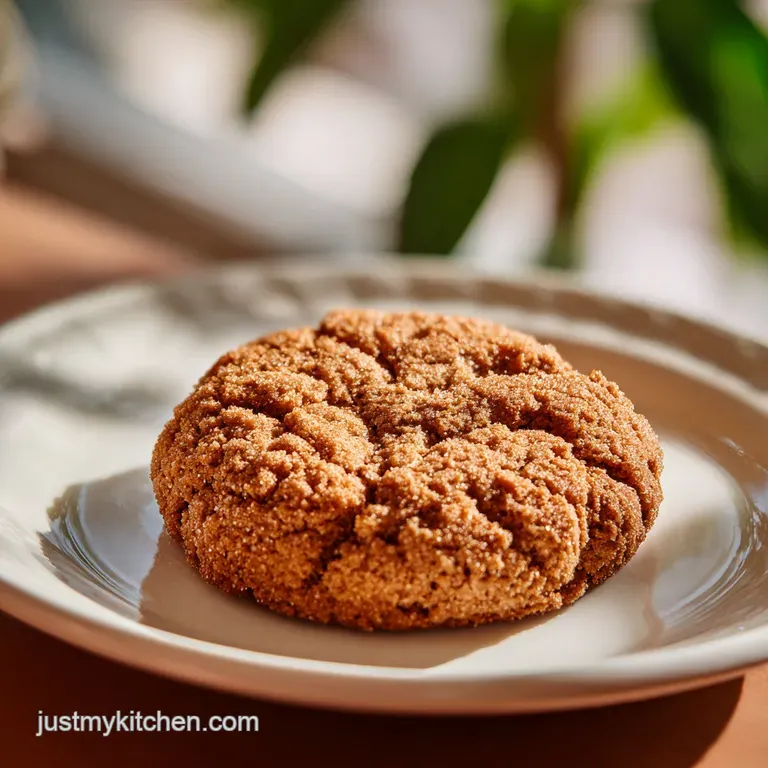
You don't need a professional laboratory to bake these, but having the right tools will save you from a messy cleanup and uneven results. I always recommend using a heavy gauge aluminum baking sheet. Thin, dark pans tend to absorb too much heat and can burn the bottoms of your cookies before the centers are done.
A 2 tablespoon cookie scoop is your best friend for consistency. If your cookies are all different sizes, they will bake at different rates, leaving you with some that are raw and others that are overdone. If you don't have a scoop, a standard measuring tablespoon works, just be sure to level it off.
Finally, make sure you have a large bowl for creaming and a separate bowl for whisking your dry ingredients. Mixing the flour, soda, and salt together before adding them to the wet ingredients prevents "pockets" of baking soda, which can leave a bitter, soapy taste in your cookies.
Making Your Perfect Cookies
- Prep the oven. Preheat your oven to 350°F (175°C) and line your baking sheets with parchment paper. Note: Parchment prevents sticking and ensures even browning.
- Cream the base. In a large bowl, cream the 1 cup (225g) softened butter and 1.5 cups (330g) dark brown sugar for at least 3 minutes until the texture is pale and fluffy.
- Emulsify the liquids. Add the 1 large egg and 1 tbsp vanilla extract to the butter mixture and continue to mix until the mixture is glossy and smooth.
- Whisk the dry. In a separate bowl, whisk together the 2.25 cups (280g) flour, 1 tsp baking soda, and 0.5 tsp salt until no lumps remain.
- Combine carefully. Fold the dry ingredients into the wet ingredients, stopping the moment no more white streaks of flour are visible. Note: Over mixing develops gluten, which makes the cookies tough.
- Portion the dough. Using a 2 tablespoon cookie scoop, form the dough into mounds.
- Roll in sugar. Roll each dough ball in the 0.25 cup (50g) granulated sugar until completely coated and sparkling.
- Arrange for baking. Place the balls on the baking sheet, leaving 2 inches of space between each.
- Bake to perfection. Bake at 350°F (175°C) for 9 to 11 minutes until edges are set and golden but centers remain soft.
- Cool down. Let the cookies rest on the baking sheet for 10 minutes until they are firm enough to move.
| Method | Time | Texture Result | Best For |
|---|---|---|---|
| Standard Oven | 10 minutes | Soft center, crisp edge | Classic cookie lovers |
| Stovetop (Cast Iron) | 15 minutes | Extra chewy, crispy bottom | Cookie cakes/Skillet style |
| Air Fryer | 7 minutes | Very crisp exterior | Single serve cravings |
If you decide to go the skillet route, the heat from the cast iron will create a much thicker, crunchier crust on the bottom. It turns this brown sugar cookie recipe into something almost like a deep dish dessert.
Just make sure to adjust your cook time as the density of the dough in a pan changes how the heat penetrates the center.
Solving Common Baking Mistakes
One of the most frustrating things in baking is opening the oven to find a tray of flat, greasy puddles instead of beautiful cookies. Usually, this happens because the butter was too warm or the oven wasn't actually at the right temperature.
If your butter is "greasy" to the touch before you even start mixing, it is too warm. It should be soft enough to dent but still hold its shape.
Another common issue is a gritty texture on the bottom of the cookie. This often happens if the sugar wasn't creamed long enough with the butter. The 3 minute creaming step is mandatory, not optional.
It gives the sugar time to partially dissolve into the fat, ensuring a smooth, velvety finish once the heat hits the dough.
Excessive Cookie Spreading
If your cookies look like pancakes, check your flour measurement. Using a scale is best, but if you use cups, make sure you aren't "packing" the flour into the cup. Use a spoon to fill the cup and level it off. Too little flour means the dough lacks the skeleton it needs to hold its shape against the melting butter.
| Problem | Root Cause | Solution |
|---|---|---|
| Burnt Bottoms | Dark baking sheet | Use light colored aluminum pans |
| Tough Cookies | Over mixed dough | Stop mixing as soon as flour disappears |
| No Spread | Cold butter | Ensure butter is room temp (65-68°F) |
Common Mistakes Checklist
- ✓ Never use melted butter unless the recipe specifically calls for it (it ruins the aeration).
- ✓ Ensure your baking soda is fresh by dropping a pinch in vinegar; it should sizzle instantly.
- ✓ Do not overcrowd the pan; 12 cookies per standard sheet is the limit for airflow.
- ✓ Let the baking sheet cool completely between batches to prevent the dough from melting prematurely.
- ✓ Use a heavy gauge pan to prevent hot spots that cause uneven browning.
Flavor Variations
While the classic version is magical on its own, this brown sugar cookie recipe is a fantastic canvas for experimentation. Because the base is so rich in molasses, it pairs beautifully with warm spices.
You could add a teaspoon of cinnamon or a half teaspoon of ground ginger to the dry ingredients to turn these into a "soft ginger" style cookie.
For a more modern twist, try adding a handful of dark chocolate chips or even chopped pecans. The bitterness of the dark chocolate cuts through the intense sweetness of the brown sugar in a way that feels very sophisticated.
Just remember that adding "extras" might change the spread of the cookie slightly, so don't go overboard with the additions.
Freezing and Reheating
These cookies are actually great for meal prep because the dough freezes beautifully. You can roll the dough into balls and coat them in sugar, then place them on a tray in the freezer for an hour. Once they are hard, toss them into a zip top bag. They will stay fresh for up to 3 months.
When you're ready for a treat, just bake them directly from frozen, adding an extra 2 minutes to the bake time.
For baked cookies, store them in an airtight container at room temperature for up to 5 days. To keep them extra soft, put a slice of white bread in the container with them. The cookies will actually pull the moisture out of the bread, keeping that velvety center from drying out.
If they do get a little crunchy, a 10 second zap in the microwave will bring back that fresh from the oven softness.
Beautiful Presentation Tips
If you want your cookies to look like they came from a high end bakery, use the "pan bang" technique. About 8 minutes into the baking time, lift the baking sheet and drop it firmly against the oven rack. This causes the cookies to collapse slightly, creating beautiful, ripples on the surface.
You can also use a large circular glass or a biscuit cutter to "scoot" the cookies immediately after they come out of the oven. Simply place the cutter over the hot cookie and move it in a circular motion to pull in any stray edges. This creates a perfectly round, professional shape.
Finally, a tiny sprinkle of flaky sea salt on top right after baking adds a beautiful sparkle and a sophisticated flavor finish.
Recipe FAQs
What are some common brown sugar cookie mistakes?
Overcrowding the pan or using thin, cheap baking sheets are major culprits. Always use a heavy gauge pan to prevent hot spots, and never exceed 12 cookies per sheet to ensure proper airflow for even browning.
Which cookies are good for diabetics?
No, this recipe is not designed for diabetic dietary restrictions. It contains significant amounts of sugar and flour, so you should consult with a medical professional regarding specific dietary needs or try alternatives like our peanut butter sea salt cookie if you need to adjust your treat intake.
What does adding brown sugar to sugar cookies do?
It provides essential moisture and a deeper, molasses like flavor profile. Unlike white sugar, the higher moisture content in brown sugar results in a softer, chewier texture rather than a crisp snap.
What happens if I only use brown sugar for my cookies?
Your cookies will be significantly softer and may spread more during baking. Because brown sugar is more acidic than granulated sugar, it also reacts more strongly with the baking soda, which helps lift the cookies and encourages that characteristic golden brown color.
How to avoid over mixing the dough?
Stop mixing the moment no more white streaks of flour are visible. Continuing to mix beyond this point develops excess gluten, which will turn your cookies from soft and tender into tough and chewy.
How to achieve the perfect texture?
Cream the butter and dark brown sugar for a full 3 minutes until pale and fluffy. This step creates the necessary aeration in the dough, which is the foundation for a professional grade cookie structure.
How to tell when the cookies are done baking?
Pull them from the oven once the edges are set and golden, even if the centers look slightly soft. They will continue to firm up on the hot baking sheet as they cool, ensuring the interior remains moist and tender.
Brown Sugar Cookie Recipe
Ingredients:
Instructions:
Nutrition Facts:
| Calories | 175 kcal |
|---|---|
| Protein | 1.5 g |
| Fat | 7.8 g |
| Carbs | 24.5 g |
| Fiber | 0.3 g |
| Sugar | 15.5 g |
| Sodium | 100 mg |
