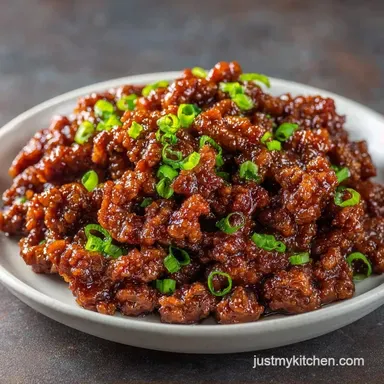
Asian Ground Beef Stir Fry: Better Than Takeout
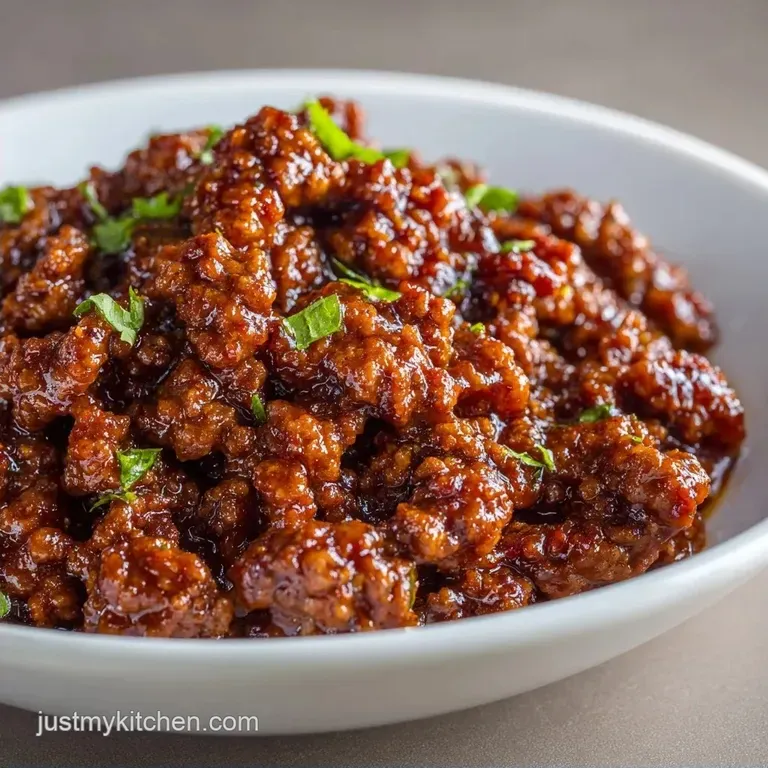
- Time: 10 min prep + 15 min cook
- Flavor/Texture Hook: Sticky, glossy glaze with mahogany browned beef
- Perfect for: Stress free weeknight dinners and meal prep
- The Secret to Better Asian Ground Beef Stir Fry
- How the Ingredients Work
- Everything You Will Need
- Step by Step Cooking Process
- Handling Problems and Pitfalls
- Troubleshooting Common Issues
- Adjusting the Portion Size
- Debunking Kitchen Myths
- Storage and Zero Waste
- Perfect Complements
- Very High in Sodium
- Recipe FAQs
- 📝 Recipe Card
That loud, aggressive sizzle when the beef hits the hot oil is the best part of this whole process. But here is where most people mess up: they start stirring the meat the second it touches the pan. I used to do this, and I ended up with a pan full of grey, steamed beef swimming in a pool of watery liquid.
It looked like something from a cafeteria line and had zero depth of flavor.
The secret is patience. You have to let the meat sit there, undisturbed, until it actually browns. Once you see those dark, crispy edges, the flavor changes completely. This Asian Ground Beef Stir Fry isn't about fancy techniques; it is about letting the heat do the heavy lifting so you get a concentrated, savory taste.
You can expect a meal that tastes like high end takeout but uses ingredients you probably already have in the pantry. It's fast, it's salty sweet, and it doesn't require a million different pots and pans to clean up.
The Secret to Better Asian Ground Beef Stir Fry
If you want this to actually taste like a stir fry and not just "browned meat with sauce," you have to manage the moisture. Ground beef releases a lot of water as it cooks. If the pan is too crowded or the heat is too low, that water doesn't evaporate; it just boils the meat.
By using a wide skillet or wok and keeping the heat medium high, we flash evaporate that liquid, allowing the beef to fry in its own fat.
Another trick is the order of the aromatics. If you throw the garlic and ginger in at the start with the raw beef, they'll burn by the time the meat is done. Adding them right before the sauce ensures they stay fragrant and punchy without turning bitter.
- The Sear
- Leaving the beef alone for 3-4 minutes creates a crust that holds onto the sauce better.
- Sugar Caramelization
- The brown sugar in the sauce doesn't just add sweetness; it thickens the liquid into a sticky glaze.
- Aromatic Timing
- Sautéing garlic and ginger for only 60-90 seconds prevents them from scorching.
- Fat Management
- Using lean beef prevents the sauce from separating or becoming an oil slick.
| Feature | Fresh Ingredients | Shortcut Versions | Impact on Taste |
|---|---|---|---|
| Ginger | Fresh grated root | Ground powder | Fresh is zingy; powder is woody |
| Garlic | Fresh cloves | Jarred minced | Fresh has a sharper, cleaner bite |
| Onions | Fresh green onions | Dried chives | Fresh adds a necessary crisp crunch |
How the Ingredients Work
I like to think of the sauce as a balance between salt and sugar. The soy sauce provides the salt and "umami," while the brown sugar rounds it out. The sesame oil is where that classic nutty aroma comes from, but you only need a little because it can easily overwhelm the dish.
| Ingredient | Science Role | Pro Secret |
|---|---|---|
| Soy Sauce | Salt & Umami | Use low sodium so you can control the salt level |
| Brown Sugar | Glaze & Color | Packed sugar dissolves faster into a syrup |
| Sesame Oil | Aroma | Add at the end or in the sauce, never for frying |
| Fresh Ginger | Brightness | Grating it into a paste releases more oils |
Everything You Will Need
For the sauce, you'll want a small bowl and a whisk. For the main event, a large wok or a cast iron skillet is your best bet because they hold heat much better than thin non stick pans.
For the Sauce:
- 1/2 cup (120ml) low sodium soy sauceWhy this? Prevents the dish from becoming overly salty
- 1/4 cup (50g) brown sugar, packedWhy this? Creates the sticky, glossy finish
- 1 tbsp (15ml) sesame oilWhy this? Adds a deep, toasted nuttiness
- 1 tsp (5ml) srirachaWhy this? Gives a tiny hint of heat without being spicy
- 1/2 tsp (2.5ml) ground gingerWhy this? Layers the ginger flavor in the sauce
For the Stir Fry:
- 1 lb (450g) lean ground beefWhy this? Less grease means a thicker glaze
- 1 tbsp (15ml) neutral oilWhy this? High smoke point, like canola or vegetable
- 3 cloves (9g) garlic, mincedWhy this? Essential for that savory base
- 1 tbsp (6g) fresh ginger, gratedWhy this? Adds a fresh, peppery kick
- 3 green onions, slicedWhy this? Adds color and a mild onion bite
- 1/2 tsp (3g) saltWhy this? Basic seasoning for the meat
- 1/4 tsp (1g) black pepperWhy this? Subtle warmth
Step by step Cooking Process
Right then, let's get into the actual cooking. Make sure you have your sauce mixed and your aromatics chopped before you turn on the stove. Stir frying happens fast, and you won't have time to mince garlic while the beef is browning.
- Whisk the soy sauce, brown sugar, sesame oil, and sriracha in a small bowl. Stir until the sugar is completely dissolved so you don't get sweet clumps.
- Heat the neutral oil in your skillet over medium high heat. Wait until the oil shimmers and almost looks like it's waving.
- Add the ground beef in a thin layer. Press it down slightly with a spatula and leave it undisturbed for 3-4 minutes until a mahogany colored crust forms on the bottom.
- Break the meat apart using your spatula. Continue cooking until no pink remains and the beef is fully browned.
- Stir in the minced garlic, grated ginger, and the white parts of the green onions. Sauté for 60-90 seconds until the garlic is translucent and smells fragrant.
- Pour the sauce mixture over the beef. This is where the magic happens.
- Stir constantly for 2-3 minutes until the sauce bubbles and reduces into a thick, glossy glaze that clings to the meat.
- Remove the pan from the heat immediately. Stir in the green onion tops for a burst of color.
Chef's Note: If you're using a pan that isn't stainless steel or cast iron, be careful not to overheat the oil to the point of smoking. If it smokes, wipe the pan and start over; burnt oil tastes like acrid chemicals.
Handling Problems and Pitfalls
Even with a simple recipe, things can go sideways. The most common issue is "greasy beef," which usually happens if you use 80/20 beef instead of lean. If you see a lake of oil in the pan after browning, don't just pour the sauce in. Use a spoon or a paper towel to soak up the excess fat first.
Otherwise, your sauce will just slide off the meat.
Troubleshooting Common Issues
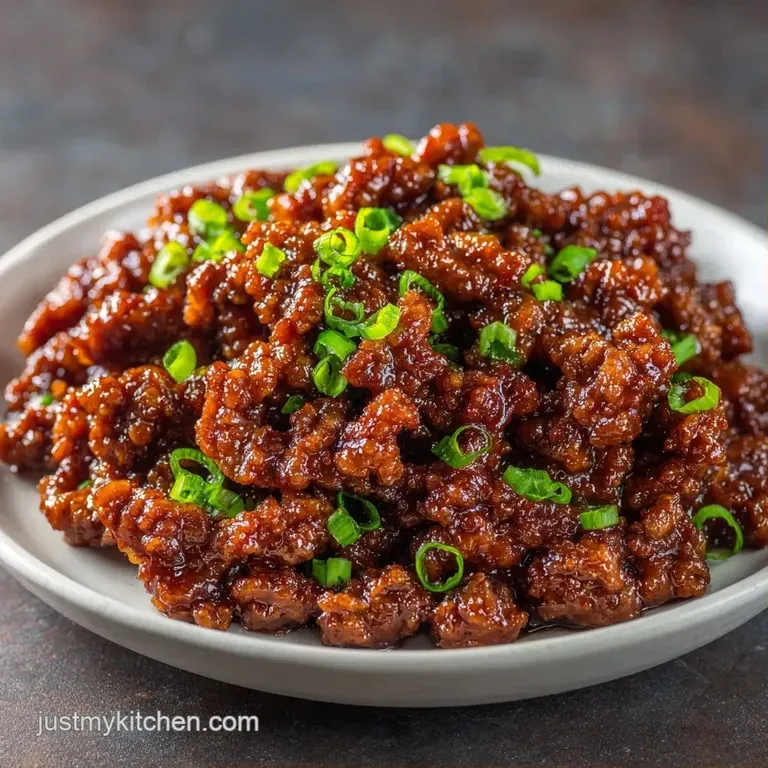
| Issue | Solution |
|---|---|
| Why Your Beef is Grey | This happens when the pan isn't hot enough or you've added too much meat at once. The temperature drops, the meat releases juices, and it boils in its own liquid. |
| Why the Sauce is Too Thin | If your sauce is watery, you likely didn't let it reduce long enough. It needs to bubble and simmer for a couple of minutes. |
| Why the Garlic Tastes Bitter | You probably added the garlic too early or the pan was screaming hot. Garlic burns in seconds. Always add it after the meat is browned and just before the liquid sauce goes in. |
Common Mistakes Checklist:
- ✓ Did you let the beef sear without stirring for 3 minutes?
- ✓ Is the brown sugar fully dissolved in the sauce?
- ✓ Did you drain the excess grease before glazing?
- ✓ Are the green onion tops added after the heat is off?
- ✓ Did you use medium high heat rather than low heat?
Adjusting the Portion Size
If you're cooking for just yourself or a whole crowd, you can't always just double everything. Here is how to handle the scaling.
Cooking for One (Half Batch): Use a smaller skillet. Because there is less mass in the pan, the liquids will evaporate much faster. Reduce the sauce simmering time by about 20% so you don't accidentally burn the glaze into a sticky paste.
Cooking for a Crowd (Double/Triple Batch): This is where the "grey meat" problem returns. If you put 2 or 3 pounds of beef in one pan, it will steam. Work in batches. Brown the beef in two separate rounds, remove them from the pan, and then combine everything at the end when you add the sauce.
Also, only increase the salt and sriracha to about 1.5x the original amount too much concentrated salt can make the dish unbearable.
Debunking Kitchen Myths
You've probably heard that searing meat "seals in the juices." It doesn't. Moisture loss happens regardless of whether you sear the meat or steam it. What searing actually does is create new flavor compounds through browning. It's about taste, not moisture.
Another myth is that you need a professional wok to make a stir fry. While a wok is great for heat distribution, a heavy cast iron skillet works just as well for ground beef because the meat doesn't require the constant tossing that sliced vegetables do.
Storage and Zero Waste
This dish is a meal prep dream. Store it in an airtight container in the fridge for up to 4 days. When you reheat it, add a tiny splash of water or beef broth to loosen the glaze, as the beef tends to absorb the sauce while sitting.
For freezing, it lasts about 2 months. Just be aware that the green onions will lose their crunch after thawing, so I recommend adding fresh onions after you reheat the meat.
To keep things zero waste, don't throw away the stems of your green onions. Chop them finely and add them to the pan at the same time as the garlic. They have a stronger, more pungent flavor that adds great depth to the base. If you have leftover sauce, it makes a great marinade for tofu or chicken.
Perfect Complements
Since this beef is so savory and rich, you need something to cut through that intensity. Serving this with Homemade Alfredo Sauce might be too heavy, so I suggest something lighter.
The Rice Route: Steamed jasmine rice is the classic choice. The floral notes of the rice balance the salt of the soy sauce. For a healthier twist, use cauliflower rice or quinoa.
The Noodle Route: Toss the beef with cooked udon or rice noodles. If you go this route, add an extra tablespoon of soy sauce and a splash of water to the pan so there is enough glaze to coat every single strand of noodle.
The Veggie Route: Steamed broccoli or snap peas are perfect. I usually toss the vegetables in the same pan right after the beef is done, letting them soak up the remaining sauce for a minute before serving. If you want a different flavor profile for your meat dishes, you might enjoy my homemade chili seasoning for a smoky alternative.
Very High in Sodium
1288 mg 1,288 mg of sodium per serving (56% 56% of daily value)
The American Heart Association recommends a daily sodium limit of 2,300 mg, with an ideal limit of 1,500 mg for most adults to reduce cardiovascular risk.
Tips to Reduce Sodium
-
Dilute the Soy Sauce-30%
Replace half of the low-sodium soy sauce with water or apple cider vinegar to maintain volume while slashing salt content.
-
Swap for Coconut Aminos-20%
Substitute the low-sodium soy sauce with coconut aminos, which typically contains significantly less sodium and offers a similar savory flavor.
-
Fresh Heat Substitution-5%
Replace sriracha with freshly chopped red chili peppers or red pepper flakes to keep the spice without the added sodium.
-
Boost Aromatics & Acidity
Increase the fresh ginger and garlic and add a squeeze of fresh lime juice to enhance the flavor profile without adding salt.
Recipe FAQs
What goes into the Asian ground beef stir fry sauce?
Whisk soy sauce, brown sugar, sesame oil, and sriracha. Stir these together until the sugar is fully dissolved to ensure a smooth consistency without sweet clumps.
Is this an easy Asian ground beef stir fry for beginners?
Yes, it takes only 25 minutes from start to finish. Most of the process involves simple prep and a quick sear in a skillet or wok.
Can I make this as a Korean ground beef stir fry?
Yes, the soy, ginger, and garlic base is very similar. The flavor profile aligns perfectly with classic Korean style ground beef recipes.
Should I serve Asian ground beef stir fry with rice?
Yes, steamed rice is the ideal pairing. It balances the salty sweet glaze. If you prefer a hearty one-pot meal, try our beef rice pilaf.
Can I use this recipe for Korean sticky beef mince?
Yes, the reduction process creates that signature stickiness. Simmer the sauce for 2-3 minutes until it becomes a thick, glossy glaze that coats the beef.
Is this a Chinese style ground beef stir fry?
Yes, it employs traditional Chinese stir fry techniques. The recipe relies on high heat and fast cooking to sear the meat and aromatics quickly.
How to prevent the beef from turning grey?
Sear the meat undisturbed for 3-4 minutes over medium high heat. Avoid overcrowding the pan so the beef browns instead of boiling in its own juices.
Asian Ground Beef Stir Fry