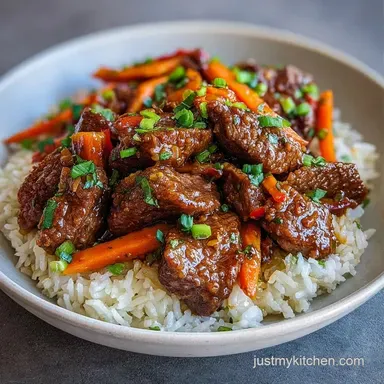
Beef Rice Pilaf: One-Pot Family Meal
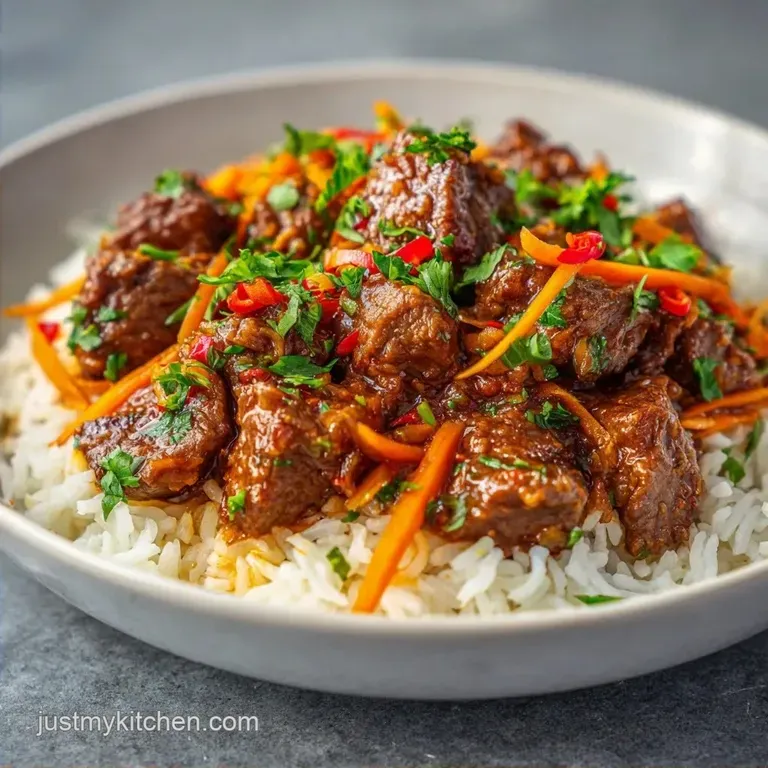
- Time: 15 min active + 60 min cooking
- Flavor/Texture Hook: Tender, mahogany beef with fluffy, separate grains
- Perfect for: Stress free weeknight dinners or a cozy family Sunday meal
Getting Beef Rice Pilaf Just Right
The first thing you'll notice is that sizzle. I remember the first time I made this; the smell of beef chuck hitting shimmering oil filled my whole kitchen, and suddenly it felt less like a Tuesday night and more like a trip to a Central Asian market.
I had spent way too long trying to make rice that didn't turn into a sticky clump, and this method finally gave me that distinct, separate grain texture I'd been craving.
There's something about the way the carrots turn the oil a vibrant, glowing orange that just tells you the flavor is building. It's not a fancy process, but the result is a pot of gold.
You get these little pockets of tender beef and sweet carrots tucked into a bed of aromatic rice that actually tastes like the meat, not just salt and water.
This Beef Rice Pilaf is all about patience in the first twenty minutes and total hands off trust for the last twenty. If you've ever struggled with one pot meals feeling "mushy," this is the recipe that fixes that. We're going to focus on a few key movements to make sure the beef is velvety and the rice is light.
The Secret to Fluffy Grains
I used to think the type of pot was the only thing that mattered, but it's actually about how the ingredients interact during the steam phase. Here is why this specific method works so well for a Beef Rice Pilaf.
The Zirvak Base: Simmering the meat and carrots in a bit of broth first creates a concentrated flavor syrup. This ensures the rice absorbs a rich stock rather than just plain water.
Starch Control: Rinsing the basmati removes excess surface starch. This is what stops the grains from gluing together into a porridge.
Steam Barrier: By layering the rice on top without stirring, we create a structural barrier. The rice steams in the vapors of the beef below, which keeps the texture light.
Resting Period: Letting the pot sit for 10 minutes after the heat is off allows the moisture to redistribute. It prevents the bottom from sticking and makes the rice easier to fluff.
| Method | Prep Time | Texture | Best For |
|---|---|---|---|
| Fresh Chuck (This) | 15 minutes | Fluffy & Tender | Sunday Dinner |
| Ground Beef Shortcut | 10 minutes | Heartier & Denser | Quick Weeknight |
| Slow Cooker | 20 minutes | Very Soft | Set and Forget |
Component Analysis
| Ingredient | Science Role | Pro Secret |
|---|---|---|
| Basmati Rice | Structure | Rinse until water is crystal clear |
| Beef Chuck | Fat/Flavor | Sear until mahogany, don't crowd the pan |
| Carrots | Sweetness/Color | Julienne thin for consistent cooking |
| Cumin/Coriander | Aroma | Toast them slightly in the oil first |
Essential Pantry Components
When you're gathering your stuff, don't settle for lean beef. You want those little ribbons of fat in the chuck because that's where the flavor lives. If you're looking for other ways to use beef in a comforting way, you might enjoy my Authentic Italian Spaghetti Sauce, which also relies on a slow build of flavor.
- 1.5 lb beef chuck, cut into 1 inch cubes Why this? Connective tissue breaks down into gelatin for a velvety mouthfeel
- 3 tbsp vegetable oil Why this? High smoke point for a proper sear
- 2 medium onions, thinly sliced Why this? Adds a subtle sweetness to the base
- 4 large carrots, julienned Why this? Provides color and a bright contrast to the beef
- 4 cloves garlic, whole and peeled Why this? Whole cloves mellow out and become buttery
- 2 cups basmati rice, rinsed and drained Why this? Long grains stay separate and light
- 3 cups beef broth, boiling Why this? Boiling liquid prevents the temperature from dropping
- 1 tsp ground cumin Why this? Earthy warmth that defines the dish
- 1 tsp ground coriander Why this? Adds a citrusy, floral note
- 1 tsp salt Why this? Essential for drawing out meat juices
- 1/2 tsp black pepper Why this? Simple heat to balance the richness
| Original Ingredient | Substitute | Why It Works |
|---|---|---|
| Beef Chuck | Beef Stew Meat | Same cut, usually pre cut. Note: Quality varies by brand |
| Basmati Rice | Long Grain White | Similar structure. Note: Less aroma than Basmati |
| Beef Broth | Beef Bouillon + Water | Cost effective. Note: Watch the salt levels closely |
Minimal Tools for Success
You don't need a kitchen full of gadgets for this Beef Rice Pilaf. In fact, the fewer tools you use, the better the flavor stays. I prefer a heavy bottomed Dutch oven, but any pot with a tight lid will work.
A cast iron pot, like a Le Creuset, is great because it holds heat so evenly. If you're using a thinner stainless steel pot, just be a bit more careful with the heat to avoid scorching the bottom. You'll also want a sharp knife for the carrots and a fork for the final fluffing.
Step by step Cooking Guide
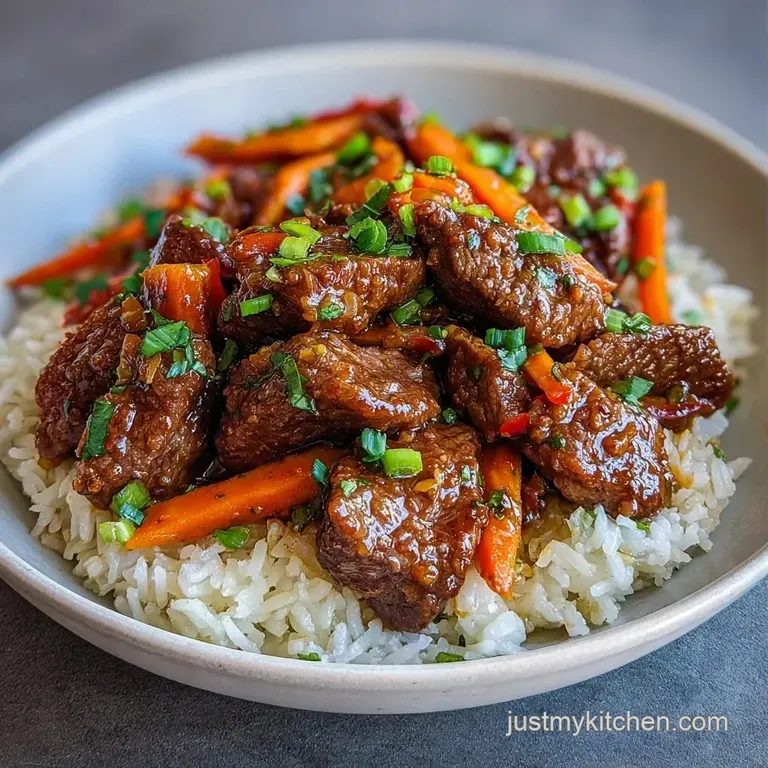
Right then, let's get into the actual cooking. The key is not to rush the searing process. If you crowd the pan, the beef will steam instead of brown, and you'll miss out on that deep flavor.
Phase 1: The over High heat Sear
- Heat the vegetable oil in your Dutch oven over medium high heat until shimmering.
- Add the beef cubes in a single layer and sear without stirring for 3-4 minutes until a deep mahogany crust forms.
- Flip the cubes and sear the other side for another 3 minutes. Remove beef and set aside on a plate. Note: This crust is the primary source of umami.
Phase 2: Building the Zirvak
- In the same oil, sauté thinly sliced onions until translucent and golden.
- Add julienned carrots and cook for 5-7 minutes until softened and the oil turns a vibrant orange.
- Return the seared beef to the pot along with ground cumin, ground coriander, salt, and black pepper. Stir in the whole garlic cloves.
- Pour in 1 cup of the boiling beef broth. Reduce heat to low, cover, and simmer for 20 minutes to create the flavor base. Note: This is the "Zirvak" stage where the beef becomes tender.
Phase 3: The Steam Finish
- Spread the rinsed basmati rice in an even layer over the beef and carrots without stirring. Note: Do not mix the rice in, or it will get mushy.
- Carefully pour the remaining 2 cups of boiling beef broth over the rice. Increase heat to medium until the liquid boils, then immediately reduce to the lowest setting.
- Cover with a tight fitting lid and cook for 18-20 minutes.
- Turn off the heat and let the pot rest, covered, for 10 minutes before fluffing the rice with a fork.
Chef's Note: For a really pro touch, try rinsing your rice in a fine mesh strainer under cold water for at least 2 minutes. According to Serious Eats, removing that surface starch is the absolute best way to ensure your grains don't clump.
Saving Your Dinner Tonight
Even the most experienced cooks have a bad day with rice. The most common issue with Beef Rice Pilaf is the texture. If the rice is too wet or too dry, it can feel off, but it's almost always fixable.
Troubleshooting Common Issues
| Issue | Solution |
|---|---|
| Why Your Rice Is Mushy | This usually happens if you stir the rice during the cooking process or if you used too much liquid. Stirring releases starch, which creates a gluey texture. If it happens, don't panic. |
| Why Your Bottom Is Burnt | If you see a dark crust at the bottom, your heat was likely too high during the simmering phase. |
| Why Your Beef Is Tough | Tough beef is usually a sign that the Zirvak stage was skipped or shortened. That 20 minute simmer in the first cup of broth is what breaks down the fibers of the chuck. |
Common Mistakes Checklist:
- ✓ Did you sear the beef in batches? (Avoid crowding)
- ✓ Is the broth boiling before it hits the pot? (Keeps temp stable)
- ✓ Did you resist the urge to stir the rice? (Prevents mush)
- ✓ Did you let the pot rest for 10 minutes? (Evens out moisture)
- ✓ Are the carrots julienned consistently? (Ensures even cooking)
Tweak the Flavor Profile
One of the best things about this Beef Rice Pilaf is how easy it is to pivot. If you want a different vibe, you can swap the spices or the meat without ruining the method.
For those who love a bit of a kick, I recommend adding a pinch of my Homemade Chili Seasoning during the Zirvak stage. It adds a smoky depth that pairs beautifully with the cumin.
If you're looking for a more Mediterranean feel, swap the cumin and coriander for a pinch of cinnamon and some dried currants. The sweetness of the raisins against the savory beef is a classic combination that feels a bit more special.
For a low carb twist, you can replace the rice with cauliflower rice, though you'll need to reduce the broth significantly and cut the cooking time to about 5-7 minutes since cauliflower doesn't absorb liquid like grain.
Preservation Secrets
Beef Rice Pilaf keeps surprisingly well, though the rice will naturally absorb more moisture as it sits in the fridge.
Storage Guidelines: Place leftovers in an airtight container. It will stay fresh in the fridge for up to 4 days. If you're freezing it, I recommend doing it in individual portions. It can stay in the freezer for about 2 months.
Zero Waste Tips: Don't toss the leftover beef broth or the brown bits at the bottom of the pan (the fond). If you have a little bit of broth left, use it to cook some quinoa or sauté some spinach.
If the bottom of the pot is particularly charred and flavorful, deglaze it with a splash of water or wine and stir that liquid into a gravy for another meal.
Best Sides for This Dish
Since this dish is quite rich and filling, you want sides that provide a bit of acidity or a fresh crunch to cut through the fat of the beef.
A simple cucumber and tomato salad with a lemon vinegar dressing is the traditional pairing for a reason. The sharpness of the vinegar balances the earthy cumin perfectly. Alternatively, a dollop of Greek yogurt or a side of pickled red onions adds a creamy or tangy element that wakes up the whole plate.
If you're hosting a bigger group, some roasted root vegetables or a simple steamed broccoli dish works well. Just avoid serving it with another heavy starch, as the rice is already the star of the show here.
Trust me, a bit of fresh parsley or cilantro sprinkled on top at the end makes a world of difference in the presentation.
Recipe FAQs
What makes a pilaf a pilaf?
Sautéing grains and aromatics before simmering. This process coats the rice in oil, which prevents the grains from clumping and ensures a distinct, fluffy texture.
What meat goes best with rice pilaf?
Beef chuck is the best choice. Its connective tissue breaks down during the 20-minute simmer in the flavor base, resulting in very tender meat.
What is the secret to perfect rice pilaf?
Never stir the rice once it is added. Stirring releases starches that make the finished dish gluey rather than separate and fluffy.
Is rice pilaf good for kidney patients?
Consult a doctor first. Beef broth and beef chuck are high in phosphorus, potassium, and sodium, which are often strictly restricted in renal diets.
What dinner can I make with ground beef?
A potato casserole is a satisfying option. Baking ground beef with potatoes and garlic provides a hearty, comforting all-in-one meal.
What should I make for dinner with hamburger meat?
Try a rice skillet. Browning the meat with vegetables and simmering it with rice is a fast way to serve a complete dinner in one pan.
What are some different, but good recipes for ground beef?
Focus on one-pan dishes. Our ground beef rice skillet is a great example of how to maximize flavor and minimize cleanup using a single pot.
Beef Rice Pilaf