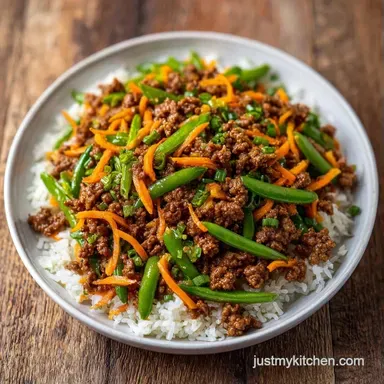
High-Protein Ground Beef Rice Bowl: Savory and Sweet
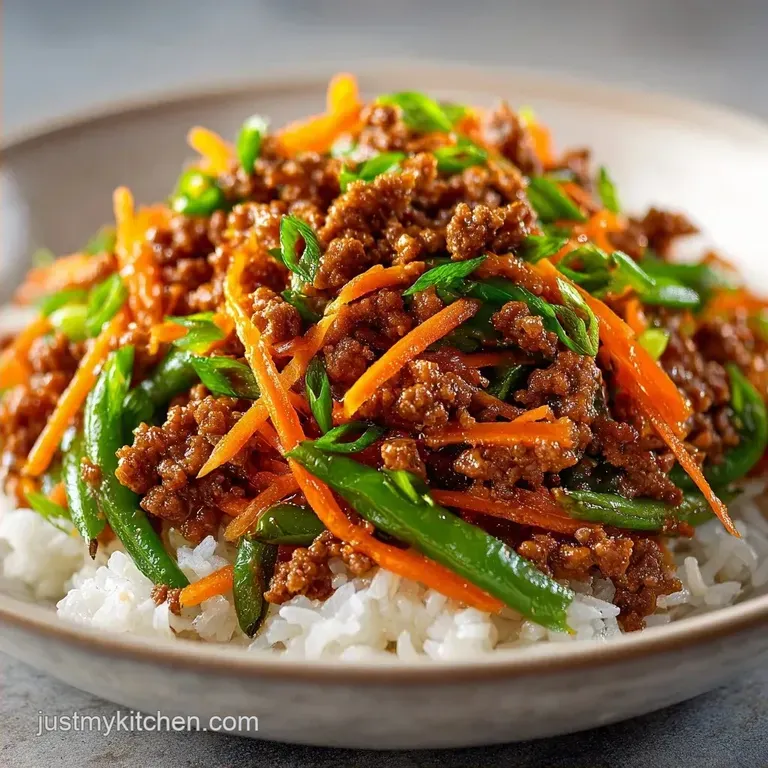
- Time: 10 min active + 15 min cooking
- Flavor/Texture Hook: Sizzling caramelized beef with a velvety glaze and tender crisp vegetables
- Perfect for: Hectic weeknight dinners or a high protein meal prep for the work week
The Best Ground Beef Rice Bowl
That high pitched sizzle when the beef hits the shimmering oil is the sound of a Tuesday night win. I remember the first time I tried to throw this together. I was exhausted, staring at a pack of lean beef and some leftover brown rice, wondering if I could make something that didn't taste like "diet food." I remember the smell of the fresh ginger and garlic hitting the pan - it immediately filled the kitchen with this warm, aromatic scent that actually made me feel awake again.
The secret I discovered is all in the patience of the sear. For the longest time, I just stirred the meat constantly, and I ended up with a gray, steamed mess. But the moment I let that beef sit undisturbed for a few minutes, creating those dark, crispy edges, everything changed.
This Ground Beef Rice Bowl isn't just a meal; it's a lesson in how a few simple techniques can make cheap ingredients feel like a treat.
You can expect a bowl that hits every taste bud. You've got the salt from the soy, the sweetness of the honey, the zing of the rice vinegar, and the earthy depth of the sesame oil. It's a high protein, nutrient dense meal that doesn't feel like a chore to eat.
Plus, it's incredibly flexible, so if you're not feeling snap peas, you can toss in whatever is wilting in your crisper drawer.
Why This Combination Actually Works
I've spent a lot of time wondering why some bowls feel heavy and others feel balanced. This recipe hits the sweet spot because of a few simple things happening in the pan.
- The Flavor Bridge: Honey and soy sauce create a classic salty sweet duo, while the rice vinegar acts as a bridge, cutting through the fat of the beef so the dish feels light.
- Texture Contrast: By adding the carrots and snap peas at the very end, they keep a slight snap that contrasts with the soft rice and tender beef.
- The Glaze Effect: Simmering the sauce at the end reduces the water content, turning a liquid seasoning into a velvety glaze that clings to every single piece of meat.
- Aromatic Base: Sautéing the ginger and garlic just before the veggies ensures their volatile oils don't burn, keeping the flavor bright and punchy.
| Method | Time | Texture | Best For |
|---|---|---|---|
| Stovetop | 25 mins | Crispy beef, snappy veg | Quick weeknight meals |
| Oven Bake | 45 mins | Tender beef, soft veg | Large crowds/Hands off |
Component Analysis and Secrets
When you're putting together a Ground Beef Rice Bowl, the quality of the ingredients matters, but how they interact is what really does the heavy lifting.
| Ingredient | Science Role | Pro Secret |
|---|---|---|
| Lean Beef | Protein Base | Don't overcrowd the pan or the meat will steam instead of brown |
| Rice Vinegar | Acid Balance | Use it to deglaze the pan to pick up all those brown bits |
| Honey | Thickener/Sweetener | Add at the end to prevent scorching and create a glossy finish |
| Sesame Oil | Flavor Depth | Use this as a finishing touch; it has a low smoke point |
Essential Kitchen Tools
You don't need a fancy setup for this, but a few specific tools make the process much smoother. I always reach for a 12 inch cast iron or stainless steel skillet. The heat retention is way better than non stick, which is how you get that deep, dark crust on the beef.
If you use a pan that's too small, the beef will release its juices and boil in its own liquid, and you'll lose that sizzle.
For the prep, a microplane or a fine grater is a lifesaver for the ginger. If you chop ginger with a knife, you often get those woody little chunks that are a bit jarring when you're eating. Grating it turns the ginger into a paste that melts right into the oil and coats the beef evenly.
Finally,, make sure you have a sturdy spatula. You need something that can scrape the bottom of the pan effectively. Those brown bits (the fond) are where all the concentrated flavor lives, and you want every bit of that folded back into your glaze.
From Prep to Plate
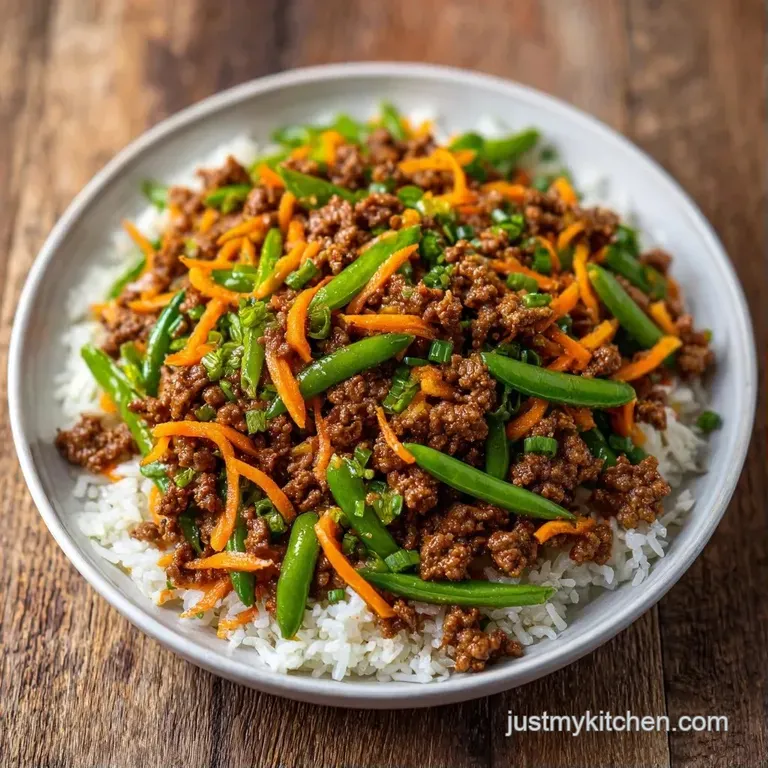
Let's get into the flow. The goal here is to keep the heat high and the movement intentional. If you've got your sauce whisked and your veggies chopped before you turn on the stove, this whole process is a breeze.
The Aromatics and Sear
Heat your avocado oil in the 12 inch skillet over medium high heat. You want the oil shimmering, almost like it's about to smoke. Add the lean ground beef. Now, here is the part where most people mess up: leave it alone. Let it sizzle undisturbed for 3-4 minutes.
You're looking for a dark brown, almost charred crust on the bottom. Once that's set, break it apart with your spatula and stir until it's fully browned. If there's a pool of grease, drain it off, but leave a little bit for the flavor.
The Veggie Integration
Push the beef to the sides of the pan and drop in your minced garlic and grated ginger. Let them cook for about 60 seconds. You'll know they're ready when the smell becomes intense and fragrant. Toss in the shredded carrots and snap peas. Sauté these for 3-5 minutes.
You want the carrots to soften slightly but the snap peas to stay a bright, vivid green with a distinct crunch.
The Glaze Reduction
While the veggies are cooking, whisk your soy sauce, rice vinegar, honey, sesame oil, and red pepper flakes in a small bowl. Pour this mixture directly over the beef and vegetables. Turn the heat down slightly and let it simmer. As the water evaporates, the honey will caramelize and the sauce will thicken into a velvety coating. According to Serious Eats, the key to a great pan sauce is the reduction, which concentrates the flavors and improves the texture.
The Final Assembly
Scoop your cooked brown rice into four bowls. Pile a generous portion of the beef and vegetable mixture right on top. The juices from the pan will soak into the rice, which is the best part. Garnish with thinly sliced green onions for a fresh, sharp bite and a sprinkle of toasted sesame seeds for a nutty finish.
Chef's Note: If you want a deeper flavor, try adding a teaspoon of espresso powder or a splash of Worcestershire sauce to the glaze. It doesn't make it taste like coffee or steak, but it adds a "dark" bass note that makes the beef taste more savory.
Fixing Common Bowl Issues
Even with a simple Ground Beef Rice Bowl, things can go sideways if the heat isn't right or the pan is too full.
The Beef is "Steaming" instead of Browning
If your beef looks gray and is swimming in liquid, your pan was likely too cold or too crowded. When too much cold meat hits the pan, the temperature drops, and the meat releases moisture faster than it can evaporate. This boils the meat instead of searing it.
To fix this, cook the beef in two batches next time and ensure the oil is shimmering before adding the meat.
The Sauce is Too Thin
If your glaze is watery and pooling at the bottom of the bowl, it didn't reduce enough. The honey needs time to bubble and thicken. If you've already plated it, you can simmer the remaining sauce in the pan for another 2 minutes until it looks like syrup and then drizzle it over the top.
For a quicker fix, a tiny pinch of cornstarch mixed with water can thicken it instantly.
The Flavor is Too Salty
Soy sauce brands vary wildly in saltiness. If the bowl tastes like a salt lick, don't add more salt. Instead, add a squeeze of fresh lime juice or an extra teaspoon of honey. The acid from the lime or the sweetness of the honey will neutralize the perception of salt on your tongue.
| Problem | Root Cause | Solution |
|---|---|---|
| Gray Beef | Pan too crowded/cold | Cook in batches; heat oil more |
| Watery Sauce | Not reduced enough | Simmer 2-3 mins longer |
| Burnt Garlic | Added too early | Add garlic after the beef browns |
Common Mistakes Checklist:
- ✓ Did you let the beef sear without stirring for 3 minutes?
- ✓ Did you drain the excess fat before adding the aromatics?
- ✓ Are the snap peas still bright green and not mushy?
- ✓ Did you whisk the honey thoroughly into the sauce?
- ✓ Is the rice warm? (Cold rice makes the whole bowl feel heavy)
Different Flavor Profiles
One of the reasons I love this Ground Beef Rice Bowl is that it's basically a blank canvas. Once you have the technique down, you can swap the glaze to change the entire vibe of the meal.
Mexican Style Beef Bowl
Instead of soy and ginger, use a blend of cumin, smoked paprika, and garlic powder. I usually reach for my homemade chili seasoning for this version. Swap the brown rice for cilantro lime rice and replace the snap peas with corn and black beans. Top it with a dollop of sour cream and some sliced avocado. It's a complete 180 from the Asian flavor profile but uses the exact same cooking flow.
Korean Inspired Spicy Bowl
To lean into a Korean flavor, add a tablespoon of Gochujang (Korean chili paste) to your glaze. This adds a fermented, spicy depth that is incredible with the lean beef. I also like to add a drizzle of toasted sesame oil at the very end for that signature nutty aroma.
Serve this with some quick pickled cucumbers on the side to balance the heat.
Low Carb/Keto Swap
If you're avoiding grains, don't let that stop you. Replace the brown rice with cauliflower rice. To prevent the cauliflower from getting soggy, sauté it in a separate pan with a bit of butter and salt until the moisture has evaporated. The savory beef glaze tastes just as good on cauliflower as it does on rice.
Paleo Friendly Alternative
For a Paleo version, swap the soy sauce for coconut aminos. Coconut aminos are slightly sweeter and have less sodium, but they provide that same savory "umami" hit. Use honey or maple syrup as the sweetener, and ensure your avocado oil is pure.
It's a great way to keep the meal clean without losing the soul of the dish.
Saving and Reheating
If you're doing a Ground Beef Rice Bowl meal prep, you're in luck. This dish actually holds up surprisingly well in the fridge because the beef stays moist thanks to the glaze.
Fridge Storage
Store the rice and the beef mixture in separate airtight containers. If you mix them and store them together, the rice will absorb all the sauce, and by day three, you'll have a block of savory rice porridge. Keep them chilled for up to 4 days.
Freezer Instructions
The beef mixture freezes beautifully. I recommend freezing it in portions. To freeze, let the beef cool completely before putting it in a freezer safe bag. Squeeze out as much air as possible to prevent freezer burn. It will stay fresh for up to 3 months.
I don't recommend freezing the cooked brown rice, as it can get a grainy, dry texture.
Reheating for Best Texture
Avoid the microwave if you can, as it tends to make the beef rubbery and the veggies mushy. Instead, toss the beef and veggies into a small skillet over medium heat with a splash of water or beef broth. This recreates the steam and loosens the glaze.
Heat the rice separately, perhaps with a damp paper towel over the bowl in the microwave to keep it fluffy.
Ideas for Side Pairings
While the bowl is a complete meal, adding a side can make it feel like a full restaurant experience. I like to think about balance - since the bowl is rich and savory, the sides should be light and acidic.
The Probiotic Side
A side of kimchi or pickled daikon radish is the absolute best companion for this dish. The fermentation provides a sharp, tangy contrast to the sweetness of the honey glaze. It also helps with digestion, making the high protein meal feel easier on the stomach.
The Green Balance
If you want more greens, a simple smashed cucumber salad with rice vinegar, sesame seeds, and a pinch of sugar is a winner. The coolness of the cucumbers cuts through the heat of the red pepper flakes. For something warmer, steamed bok choy with a drizzle of sesame oil is a classic choice.
When thinking about the texture of the meat, it's similar to how I handle Italian meatballs - you want to avoid overworking the protein. In this case, over stirring the beef leads to a loss of texture. Let the heat do the work, and you'll have a meal that's as satisfying as it is quick.
Whether you're making a quick dinner for yourself or prepping for the week, this Ground Beef Rice Bowl is a reliable win. It's fast, it's filling, and it proves that you don't need a huge list of ingredients to create something with a complex, layered flavor. Right then, let's get that pan heating up!
High in Sodium
880 mg 880 mg of sodium per serving (38% 38% of daily value)
The American Heart Association recommends a daily limit of 2,300 mg of sodium to reduce the risk of heart disease and stroke.
Tips to Reduce Sodium
-
Switch to Coconut Aminos-25%
Replace the low-sodium soy sauce with coconut aminos, which typically contain significantly less sodium while maintaining a similar savory flavor.
-
Increase Acidity-15%
Add an extra teaspoon of rice vinegar or a squeeze of fresh lime juice to brighten the dish, allowing you to use less salty sauce.
-
Dilute the Sauce-10%
Mix the soy sauce with water or unsalted vegetable broth to maintain the volume of the sauce while decreasing the overall salt concentration.
-
Boost Fresh Garnishes-5%
Increase the amount of sliced green onions and toasted sesame seeds to add more flavor depth and texture without adding salt.
-
Enhance Aromatics
Double the amount of fresh garlic and grated ginger to create a more robust flavor profile that makes the reduction in salt less noticeable.
Recipe FAQs
What to put in a ground beef rice bowl?
Combine lean ground beef, brown rice, shredded carrots, and snap peas. Top the mixture with a glaze made from soy sauce, honey, rice vinegar, sesame oil, and red pepper flakes for a balanced flavor.
Is it healthy to eat ground beef and rice?
Yes, provided you use lean proteins and whole grains. Using 90% to 93% lean beef and brown rice creates a nutrient dense meal rich in protein and fiber.
What sauce to put on ground beef and rice?
A sweet and savory soy-honey glaze works best. Whisk together soy sauce, rice vinegar, honey, sesame oil, and red pepper flakes to create a velvety coating that cuts through the richness of the beef.
Does ground beef taste good with rice?
Yes, the neutral profile of rice highlights the savory notes of the beef. The combination is especially effective when the beef is seared undisturbed for 3 4 minutes to create a caramelized crust.
What dinner can I make with ground beef?
Create a fast rice bowl or a one-pot meal. If you enjoyed mastering the searing technique here, apply the same principle in a ground beef rice skillet for a different texture.
What should I make for dinner with hamburger meat?
Sauté it with minced garlic, fresh ginger, and crisp vegetables. Serving this mixture over cooked brown rice provides a high protein dinner that takes only 25 minutes from start to finish.
What are some different, but good recipes for ground beef?
Experiment with aromatic glazes and fresh stir fry vegetables. Using a combination of acidity from rice vinegar and sweetness from honey transforms standard ground beef into a gourmet style bowl.
High Protein Ground Beef Rice Bowl