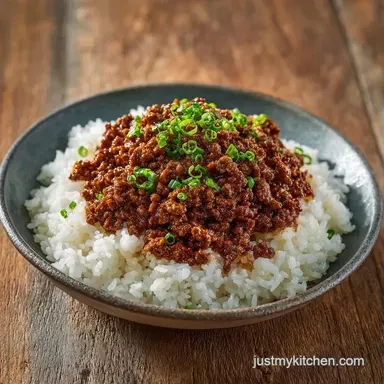
Asian Beef Rice Bowl: 25-Minute Meal
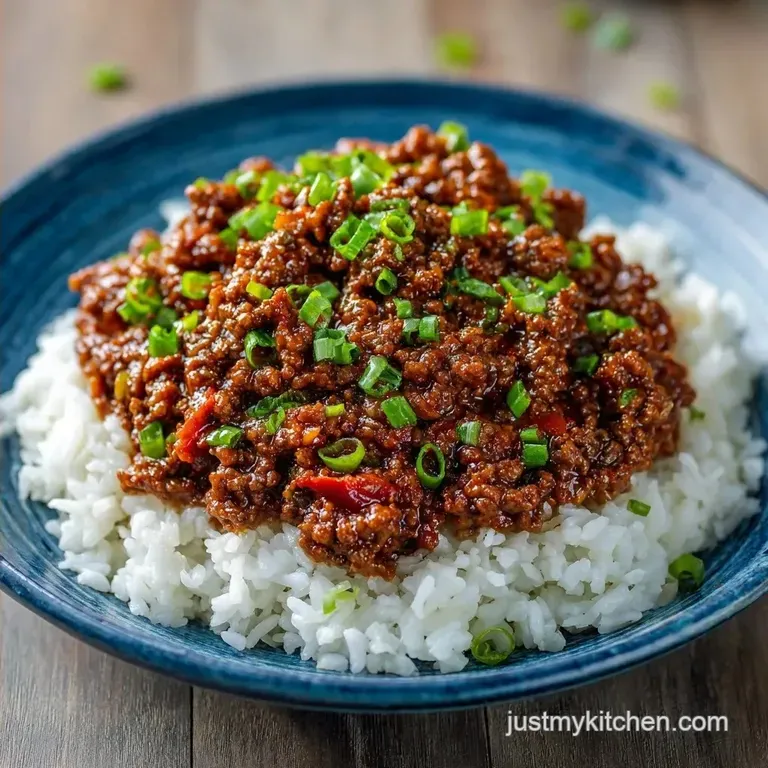
- Time: 10 min prep + 15 min cook
- Flavor/Texture Hook: Bold, salty sweet glaze with a charred, crispy beef crust
- Perfect for: Weeknight dinner, high protein meal prep, or a fast fusion lunch
- The Secret to a Better Asian Beef Rice Bowl
- Component Analysis
- Everything You Need in Your Pantry
- Gear for the Perfect Sear
- Putting the Bowl Together
- Fixing Your Beef Mistakes
- Troubleshooting Common Issues
- Fresh Flavor Twists and Swaps
- Adjusting the Batch Size
- Saving and Warming Leftovers
- Plating Your Bowl for the Win
- CRITICAL: Very High in Sodium
- Recipe FAQs
- 📝 Recipe Card
Sizzle. That's the sound of beef hitting a screaming hot cast iron pan, and it's the only sound that matters in the first four minutes of this recipe. I remember the first time I tried making a ground beef bowl; I dumped everything in at once, and instead of a vibrant, charred meal, I ended up with a grey, watery mess that tasted like boiled meat.
It was honestly depressing.
The trick isn't in the ingredients, but in the patience. You have to let the beef sit. Don't touch it. Don't stir it. Just let it brown until it develops those dark, crispy edges that taste like street food. Once you get that crust, the sauce doesn't just sit on top, it clings to the meat like a glossy coat.
This Asian Beef Rice Bowl is my go to when I want something that feels like a cheat meal but actually fits into a healthy routine. It's bold, it's fast, and it doesn't require a trip to a specialty market.
We're talking about the kind of dinner that tastes like you spent hours on it, even though you were probably scrolling on your phone while the rice cooked.
The Secret to a Better Asian Beef Rice Bowl
The magic here is all about the "lacquer" effect. Most people make the mistake of simmering the beef in the sauce for too long, which turns the meat mushy. By searing the beef first and then adding the sauce at the very end, we create a reduction.
The sugars in the brown sugar and soy sauce caramelize rapidly, coating the meat in a thick, shiny glaze rather than a thin soup.
Another big win is the order of operations. Adding the garlic and ginger right before the sauce prevents them from burning. If you toss them in with the oil at the start, they'll turn bitter and black by the time the beef is done.
By adding them after the sear, they bloom in the residual fat, releasing a fresh, punchy aroma that cuts through the richness of the beef.
If you're looking for more ways to pack bold flavors into your week, you might like my Homemade Chili Seasoning recipe, which uses a similar balance of heat and salt. This bowl relies on that same principle: balancing the heavy umami of the soy with the sharp brightness of rice vinegar and Sriracha.
- Sugar Reduction
- The brown sugar melts and binds with the soy sauce, creating a syrup that sticks to the protein.
- over High heat Searing
- Cooking the beef at high temperatures creates a crust, providing more surface area for the glaze to grip.
- Aromatic Blooming
- Heating garlic and ginger in fat for 60 seconds activates their essential oils.
- Acid Balance
- Rice vinegar cuts through the fat of the beef, keeping the dish from feeling too heavy.
| Method | Time | Texture | Best For |
|---|---|---|---|
| Stovetop (Cast Iron) | 15 mins | Crispy edges, glossy glaze | Maximum flavor, fast cook |
| Oven (Sheet Pan) | 20 mins | Uniform browning, softer | Large batches, hands off |
Component Analysis
| Ingredient | Science Role | Pro Secret |
|---|---|---|
| Brown Sugar | Thickener/Caramelizer | Use dark brown sugar for a deeper, molasses like hit |
| Rice Vinegar | pH Balancer | Adds the "tang" that prevents the sauce from being cloying |
| Sesame Oil | Aromatic Fat | Add at the end or in the sauce; it burns faster than veg oil |
| Ginger | Pungent Enzyme | Grate it finely to distribute the flavor evenly |
Everything You Need in Your Pantry
For the Asian Beef Rice Bowl sauce: 1/2 cup soy sauce Why this? Provides the salty, umami base. (Substitute: Tamari for gluten-free) 1/4 cup brown sugar, packed Why this? Creates the sticky glaze. (Substitute: Honey, though it's sweeter) 1 tbsp sesame oil
Why this? Adds a nutty, toasted aroma. (Substitute: Peanut oil) 1 tbsp rice vinegar Why this? Brightens the heavy flavors. (Substitute: Apple cider vinegar) 1 tsp Sriracha Why this? Subtle heat and color. (Substitute: Chili
Garlic sauce)
For the beef and aromatics: 1 lb lean ground beef Why this? High protein, easy to brown. (Substitute: Ground turkey or pork) 1 tbsp vegetable oil Why this? High smoke point for searing. (Substitute: Grapeseed oil) 3 cloves garlic, minced Why
This? Classic savory punch. (Substitute: 1 tsp garlic powder) 1 tbsp fresh ginger, grated Why this? Zesty, fresh heat. (Substitute: 1/2 tsp ground ginger) 1/4 tsp black pepper Why this? Basic depth.
For the bowl assembly: 4 cups cooked jasmine rice Why this? Floral aroma, absorbs sauce well. (Substitute: Brown rice or Quinoa) 3 stalks green onions, thinly sliced Why this? Freshness and color. 1 tbsp toasted sesame seeds Why
This? Adds a slight crunch.
Gear for the Perfect Sear
You really want a 12 inch cast iron skillet here. Why? Because cast iron holds heat better than any other pan. When you drop a pound of cold beef into a thin non stick pan, the temperature drops instantly, and your beef starts to steam in its own juices.
Cast iron keeps the heat steady, ensuring that the beef browns instead of boiling.
If you don't have cast iron, a heavy bottomed stainless steel pan works. Just avoid the thin aluminum ones. You need something that doesn't warp and can handle medium high heat without creating "cold spots" in the pan.
Putting the Bowl Together
- Whisk the soy sauce, brown sugar, sesame oil, rice vinegar, and Sriracha in a small bowl. Note: Keep whisking until the brown sugar is mostly dissolved so the flavor is consistent.
- Heat vegetable oil in your skillet over medium high heat. Wait until the oil shimmers, which usually takes about 2 minutes.
- Press the beef into the pan in a single layer. Cook undisturbed for 3-4 minutes until a deep brown crust forms on the bottom.
- Break the meat apart with a spatula. Cook for another 3-5 minutes until no pink remains.
- Stir in the minced garlic and grated ginger. Sauté for 60 seconds until you can smell the aromatics.
- Pour the sauce mixture over the beef. Stir constantly for 2-3 minutes as the sauce bubbles.
- Continue stirring until the sauce thickens into a glossy lacquer and clings to the beef.
- Scoop 1 cup of cooked rice into four separate bowls.
- Top the rice with the glazed beef.
- Garnish with sliced green onions and toasted sesame seeds.
Fixing Your Beef Mistakes
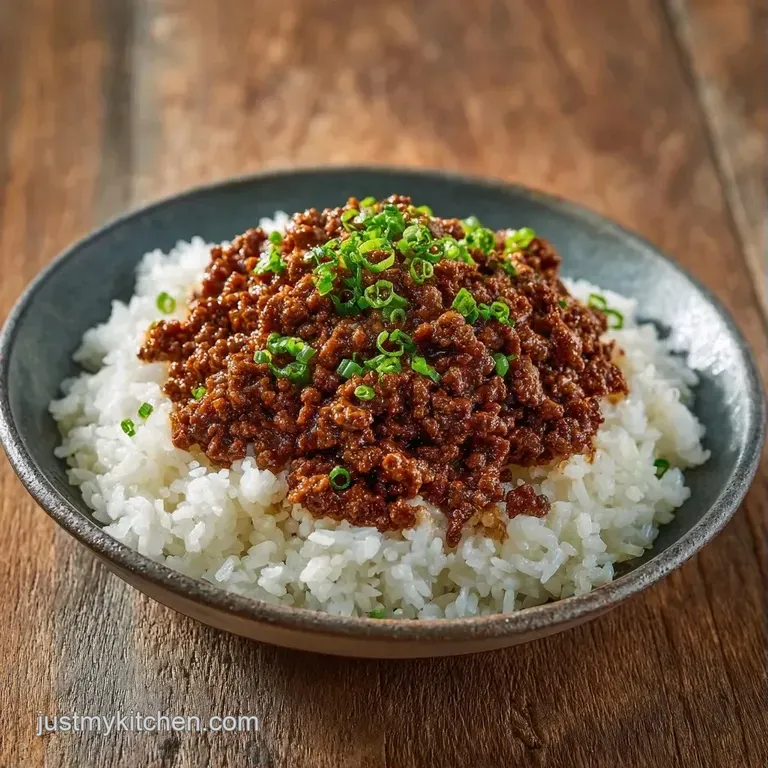
One of the biggest issues people have is "the grey beef syndrome." This happens when you overcrowd the pan or stir the meat too early. When beef releases moisture, that moisture needs to evaporate quickly. If you stir it constantly, you're just bathing the meat in water. The result is a lack of flavor. For a similar focus on meat texture, check out how I handle Traditional Italian Meatballs to see why browning matters.
Troubleshooting Common Issues
| Issue | Solution |
|---|---|
| Why Your Beef is Grey | The pan wasn't hot enough, or you added too much meat at once. This drops the temperature, causing the meat to release juices and simmer rather than sear. |
| Why Your Sauce is Watery | You likely skipped the reduction phase. The sauce needs to bubble and thicken for a few minutes to concentrate the sugars. |
| Why the Garlic Burned | Adding garlic too early in the process. Garlic has a low burn point and should only be added once the meat is mostly cooked. |
The Quick Fix Checklist
- ✓ Use a cast iron pan for the best crust.
- ✓ Let the beef sear for 4 mins without touching it.
- ✓ Grate ginger fresh; don't use the dried powder if possible.
- ✓ Ensure the sauce bubbles before removing from heat.
- ✓ Use jasmine rice for the best texture match.
Fresh Flavor Twists and Swaps
If you want to change the vibe of this Asian Beef Rice Bowl, you can easily pivot the flavor profile. For a more Thai inspired version, swap the soy sauce for fish sauce and add a squeeze of lime juice at the end. This adds a salty, funky depth that pairs great with fresh cilantro.
For those watching their carbs, this recipe is surprisingly easy to adapt. Instead of jasmine rice, use cauliflower rice or shredded cabbage. Just sauté the cabbage in the same pan after the beef is done to soak up those leftover glaze bits.
Decision Shortcut If you want more heat → Increase Sriracha to 1 tbsp. If you want more crunch → Add shredded carrots and sliced cucumbers to the bowl. If you want a thicker glaze → Simmer the sauce for an extra 60 seconds.
| Original Ingredient | Substitute | Why It Works |
|---|---|---|
| Brown Sugar (1/4 cup) | Honey (3 tbsp) | Similar sweetness. Note: Result is slightly stickier and sweeter |
| Lean Ground Beef | Ground Turkey | Leaner protein. Note: Needs more oil as turkey is drier |
| Jasmine Rice | Cauliflower Rice | Low carb. Note: Less absorbent, so add extra sauce |
Adjusting the Batch Size
Scaling this recipe is straightforward, but you can't just double everything blindly. If you're doubling the beef to 2 lbs, do not put it all in one skillet. You'll end up with that grey, steamed beef we talked about. Work in two batches, searing 1 lb at a time, then combine them in the pan for the final sauce stage.
For the sauce, if you're doubling the recipe, only increase the salt and spices to 1.5x first. Taste it before adding the full amount. Sometimes, a full double dose of soy sauce can become overwhelming when the liquid reduces.
If you're making a single serving, use a smaller 8 inch pan. Reduce the cooking time for the glaze by about 30 seconds, as a smaller amount of sauce evaporates much faster.
Saving and Warming Leftovers
Store your leftovers in airtight containers in the fridge for up to 4 days. The beef actually tastes better the next day because the flavors have more time to meld. However, the rice can get hard and dry in the fridge.
To reheat, I recommend adding a teaspoon of water to the rice and beef before microwaving. Cover the bowl with a damp paper towel. This creates a steam chamber that re hydrates the jasmine rice and loosens the glaze without drying out the meat.
For freezing, you can freeze the cooked beef and sauce for up to 3 months. I don't recommend freezing the cooked rice, as the texture becomes grainy. Just cook a fresh batch of rice when you're ready to eat the frozen beef.
To reduce waste, use your ginger scraps. If you have a piece of ginger left over, peel it and slice it into thin rounds to steep in hot water for a soothing tea. Also, save the green onion roots; they can be tossed into a veggie stock for extra aromatic depth.
Plating Your Bowl for the Win
Since we're going for a bold, urban street food vibe, the presentation should feel effortless but vibrant. You can take this from a "Tuesday night dinner" to a "restaurant quality" look with just a few tweaks.
Plating Levels
| Level | Approach | Key Tweaks |
|---|---|---|
| Simple | The "Quick Fix" | Meat piled on rice, sprinkle of onions. |
| Polished | The "Home Chef" | Neatly scooped rice, beef centered, sliced radishes on the side, toasted seeds. |
| Restaurant | The "Street Food Fusion" | Rice pressed into a ring mold, drizzled Sriracha mayo, micro greens, and charred scallions. |
For the restaurant look, take your green onions and char them in the dry skillet for 30 seconds before placing them on top. It adds a smoky flavor and a beautiful blackened look that contrasts with the bright green of the stems.
If you want to go full fusion, add a jammy soft boiled egg on top. Slice it in half and let the yolk run into the beef glaze. It adds a velvety texture that balances the salty sweet punch of the sauce. This transforms the Asian Beef Rice Bowl into a complete, luxurious meal.
CRITICAL: Very High in Sodium
1740 mg 1,740 mg of sodium per serving (76% 76% of daily value)
The American Heart Association recommends a daily sodium limit of 2,300 mg, with an ideal limit of 1,500 mg for most adults to reduce the risk of cardiovascular disease.
Tips to Reduce Sodium
-
Switch to Low-Sodium Soy Sauce-30%
Replace regular soy sauce with low-sodium soy sauce or coconut aminos to significantly decrease the salt content of the sauce.
-
Dilute the Sauce-20%
Mix the soy sauce with water or an unsalted broth to maintain the volume of the sauce while lowering the sodium concentration.
-
Swap Sriracha for Fresh Chili-20%
Use fresh red chili peppers or cayenne pepper instead of Sriracha to provide heat without the added salt.
-
Enhance Fresh Aromatics
Increase the amount of fresh garlic and grated ginger to boost the flavor profile naturally without adding any sodium.
Recipe FAQs
How to make an Asian beef rice bowl?
Whisk the soy sauce, brown sugar, sesame oil, rice vinegar, and Sriracha. Sear ground beef in vegetable oil over medium high heat, stir in garlic and ginger, and simmer with the sauce until it becomes a glossy lacquer.
Is this a Japanese style beef rice bowl?
No, this is a general Asian inspired glaze. While it uses soy and ginger, it does not contain specific Japanese staples like mirin or dashi.
Can I make this as a Mexican style ground beef rice bowl?
No, the flavor profile is completely different. This recipe relies on a soy-based glaze; for a different variation, try our ground beef rice bowl.
Is this a Korean beef rice bowl?
Yes, it shares many characteristics with Korean style beef. The combination of brown sugar, soy sauce, and sesame oil creates the signature sweet savory balance found in many Korean beef dishes.
How to get the beef crispy in the rice bowl?
Sear the beef undisturbed for 3-4 minutes. Ensure the oil is shimmering and let the meat develop a deep brown crust before breaking it apart.
Why is my beef grey instead of brown?
Your pan wasn't hot enough or you added too much meat at once. This drops the temperature, causing the beef to release juices and simmer in its own liquid rather than searing.
Why is the sauce watery?
You likely skipped the reduction phase. The sauce needs to bubble and thicken for 2-3 minutes to concentrate the sugars and coat the meat.
Asian Beef Rice Bowl