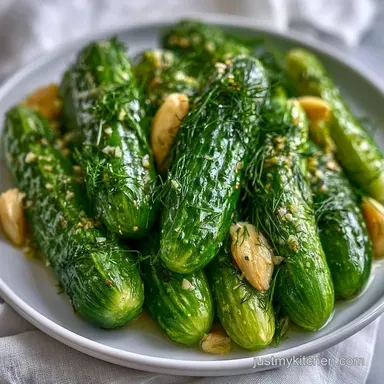
Crunchy Homemade Kosher Dill Pickles
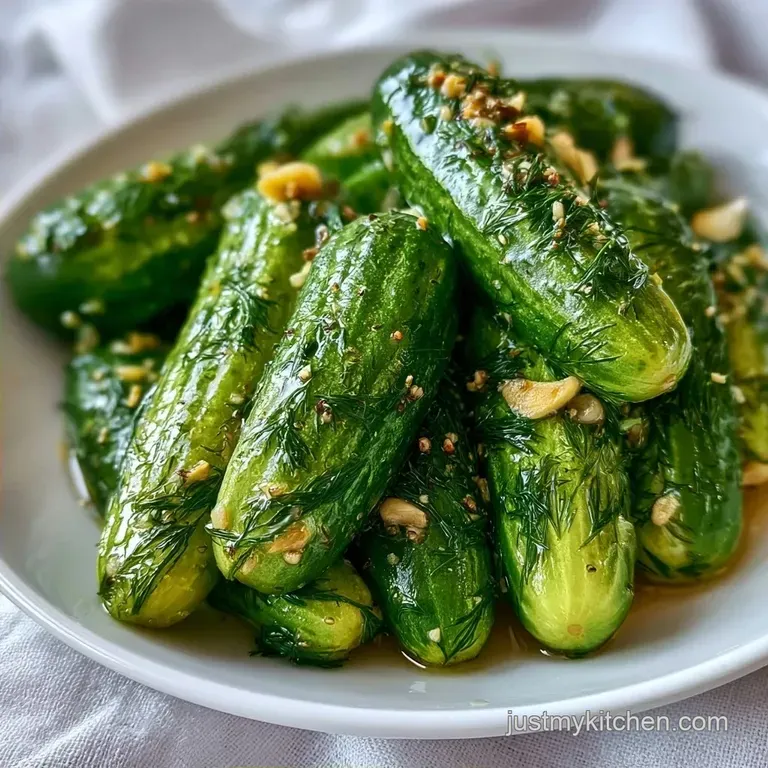
- Time: 30 min active + 7 to 14 days fermenting
- Flavor/Texture Hook: Shattering snap with a salty, garlic heavy punch
- Perfect for: Pantry stocking, deli style sandwiches, or probiotic snacking
You know that feeling when you bite into a store-bought pickle and it just... collapses? It's that limp, mushy texture that makes a sandwich feel sad. I used to think that was just the fate of homemade pickles unless you had some professional lab equipment in your kitchen.
But the real culprit is usually a tiny enzyme in the blossom end of the cucumber that eats away at the pectin. If you don't trim that part off, you're basically inviting the pickle to turn into a soggy mess.
These Kosher Dill Pickles fix that problem entirely. We're skipping the vinegar and letting natural bacteria do the heavy lifting, which gives you that authentic, salty deli crunch that doesn't fade.
Why These Pickles Stay Crisp
- Tannin Boost: Adding bay leaves introduces tannins. These molecules stop the enzymes that soften the veggie walls, keeping that loud snap.
- Salt Water Brine: Instead of acid from vinegar, we use a salt brine. This encourages lactic acid bacteria to grow, which creates a deeper tang and preserves the crunch.
- Blossom Trimming: Cutting a tiny sliver off the bottom of each cucumber removes the pectinase enzyme. No enzyme means no mush.
| Method | Time | Texture | Best For |
|---|---|---|---|
| Quick Fridge | 24 hours | Fresh/Crisp | Immediate craving |
| Natural Ferment | 7-14 days | Complex/Shattering | Long term storage |
- For a sharper tang
- ferment at room temperature for the full 14 days.
- For a milder taste
- move to the fridge after day 7.
- For extra heat
- double the red pepper flakes.
The Basic Gear Needed
Keep it simple: all you really need are a couple of wide mouth quart jars. I prefer glass because it's non-reactive with the salt brine.
Glass fermentation weights are incredibly useful for keeping the cucumbers submerged and away from the air. If you don't have any, a small, clean glass jar that fits inside the main one is a great alternative.
The Ingredient Deep Dive
| Ingredient | Role | Best Substitute |
|---|---|---|
| Kirby Cucumbers | Ensures a crisp texture | Persian cucumbers (smaller with thinner skin) |
| Coarse Kosher Salt | Pulls out moisture and supports bacteria | Sea salt (avoid iodized table salt) |
| Fresh Dill | Delivers the signature herbal flavor | Dried dill (use 1 tbsp instead of bunches) |
| Garlic Cloves | Provides a bold, savory depth | Garlic powder (not ideal for fermenting) |
The Full List
- 3 lbs Kirby/Pickling Cucumbers Why this? Thicker skins resist softening during fermentation
- 4 bunches fresh dill sprigs Why this? Fresh sprigs provide a more vibrant, aromatic taste
- 8 cloves garlic Why this? Smashed whole cloves release oils gradually
- 2 bay leaves Why this? Tannins help the pickles stay firm
- 8 cups filtered water Why this? Chlorine in tap water may kill beneficial bacteria
- 1/2 cup coarse kosher salt Why this? Pure salt is essential for a successful ferment
- 1 tbsp mustard seeds Why this? Contributes a subtle, peppery undertone
- 1 tbsp black peppercorns Why this? Adds a gentle, woody heat
- 1 tsp red pepper flakes Why this? Provides a slight kick at the end
Now, let's dive into the steps. If you're short on time and can't wait two weeks, my quick garlic pickles are a fantastic alternative. But for the authentic experience, stick with this slow fermented method.
The Pickling Process
Phase 1: Preparing the Produce
- Rinse the cucumbers thoroughly under cold water. Trim a thin sliver (1/16") from the blossom end. Doing this ensures the pickles stay crisp.
- Crush the garlic cloves using the flat side of your knife. Wait for that characteristic snap to ensure the oils are released.
Phase 2: Packing the Jars
- Drop one bay leaf and 4 crushed garlic cloves into the bottom of each sterilized quart jar.
- Tightly arrange the cucumbers in the jars. Tuck the dill sprigs into the gaps between the cucumbers. Apply firm pressure, but be careful not to damage the skins.
- Evenly distribute mustard seeds and black peppercorns across the top.
Phase 3: Brining and Fermenting
- Whisk the coarse kosher salt into the filtered water. Stir for 2 minutes until the salt is fully dissolved.
- Cover the cucumbers with the brine, ensuring they are entirely submerged.
- Set glass fermentation weights on top to keep any floating pieces underwater and prevent mold growth.
- Store the jars at room temperature for 7 to 14 days. Look for tiny bubbles drifting to the surface.
- Transfer the jars to the refrigerator once the brine reaches your preferred level of tanginess.
Fixing Common Pickle Problems
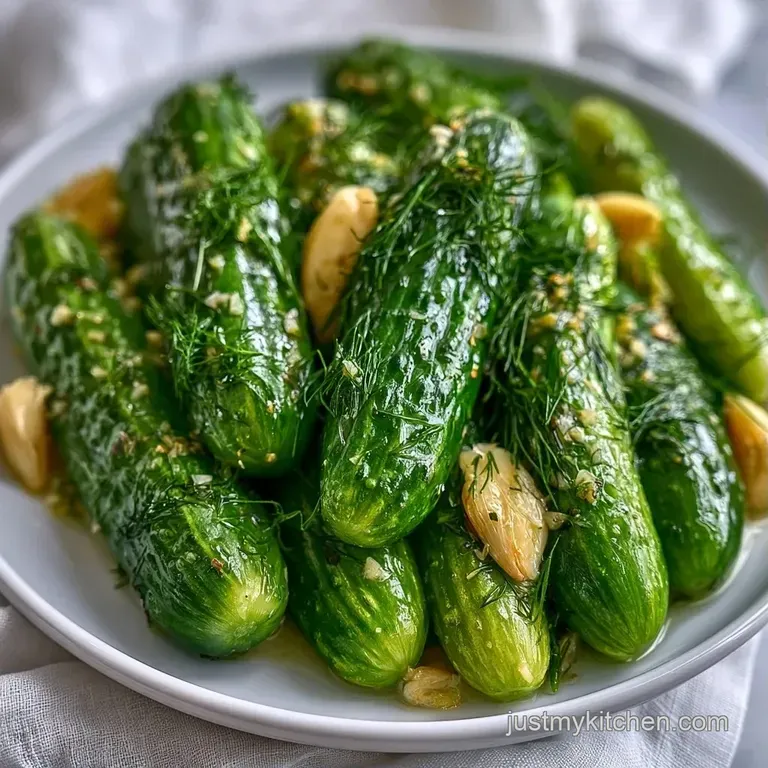
If your brine looks a bit cloudy, don't panic. That's actually the lactic acid bacteria doing their thing. According to Serious Eats, this cloudiness is a hallmark of a healthy ferment.
Another thing to watch for is a "film" on top. If you see a thin white layer, it's usually just Kahm yeast. It's harmless, but you should skim it off with a clean spoon so it doesn't affect the taste.
Brine Turning Cloudy
This is normal for Kosher Dill Pickles. It means the bacteria are converting sugars into acid.
Soft Texture
This happens if you skip trimming the blossom end or use too little salt. The salt concentration is what keeps the cellular structure firm.
Fuzzy Mold Growth
If you see colorful or fuzzy mold, the brine wasn't deep enough. The cucumbers must stay under the liquid.
| Problem | Fix |
|---|---|
| Mushy Pickles | Trim blossom ends and use bay leaves |
| Bitter Taste | Use filtered water to avoid chlorine |
| Mold on Top | Use weights to keep cukes submerged |
If you're worried about the wait time, you can try these crispy fridge pickles which use vinegar for a faster result.
Ways to Change Flavor
You can easily tweak these Kosher Dill Pickles to fit your mood. I usually make one traditional batch and one "wild" batch.
For the Heat Seekers
Add a sliced habanero or a teaspoon of crushed red pepper flakes to each jar. The heat mellows out during the fermentation, leaving a warm glow rather than a sharp sting.
For a Different Profile
Try swapping the bay leaf for a grape leaf or a black tea bag. Both are high in tannins and will keep the pickles just as crunchy. Some people also like adding a slice of fresh ginger for a surprising, zesty twist.
Budget Friendly Swaps
If fresh dill is too expensive at your local store, dried dill works, but use about a tablespoon per jar. It won't have the same "garden" aroma, but the tang remains.
Storing Your Ferments
Once you move your Kosher Dill Pickles to the fridge, they'll stay good for several months. The cold temperature slows down the bacteria, so the flavor stabilizes.
Store them in the main body of the fridge rather than the door, as the temperature fluctuates too much in the door. Keep the lids tight to prevent the brine from absorbing other fridge smells.
Regarding zero waste, don't toss the brine! It's full of probiotics. You can use a splash of it in a potato salad dressing or even sip a small amount as a salty tonic. If you have leftover dill stems, toss them into a freezer bag for your next batch of soup.
Best Ways to Serve
These are essential for any deli inspired platter. I prefer slicing them into thick discs for a classic burger or serving them whole alongside a pastrami sandwich.
For a light snack, enjoy them with some sharp cheddar and a few olives. The tanginess of the pickles balances the creaminess of the cheese.
If you want to get fancy, mince them finely and stir them into a tartar sauce. The fermentation process creates a complexity that store-bought vinegar pickles simply can't provide.
A Note on Canning
While these are fermented, they aren't "canned" via heat processing. To store these on a shelf for a full year, you would need to follow a water bath canning method. However, that process destroys the probiotics, so I suggest sticking to the refrigerator method to keep the health benefits.
Common Beliefs
Some believe a vacuum sealer is necessary for these, but it isn't. A standard glass jar and a weight are perfectly sufficient.
Others assume "Kosher" always refers to a specific brand or strict religious laws in every recipe. In the case of these pickles, it primarily describes the style of brine heavy on the salt and garlic, without the sugar found in bread and butter pickles.
Critical Sodium Level
2874 mg 2,874 mg of sodium per serving (125% 125% of daily value)
The American Heart Association recommends a daily sodium limit of no more than 2,300 mg, and an ideal limit of no more than 1,500 mg for most adults.
Tips to Reduce Sodium in Your Pickles
-
Reduce Kosher Salt-25%
Decrease the coarse kosher salt from 1/2 cup to 1/4 or 1/3 cup. While salt is necessary for fermentation, reducing the quantity directly lowers the sodium content.
-
Rinse Before Eating-15%
Briefly rinse the finished pickles under cold running water before serving to remove excess surface brine and salt.
-
Increase Cucumber Volume-10%
Add more cucumbers to the jar while keeping the brine amount the same to lower the sodium concentration per serving.
-
Enhance Natural Aromatics
Increase the amount of fresh dill, garlic, and peppercorns to provide a bolder flavor profile that compensates for less salt.
Recipe FAQs
What makes dill pickles kosher?
They are fermented in a salt water brine rather than being pickled in vinegar. This natural process adheres to traditional dietary standards.
How to keep the pickles crisp?
Trim a 1/16th-inch sliver from the blossom end. This eliminates the enzymes that cause the cucumber to soften during fermentation.
Do I need to add vinegar to make them kosher?
That's a myth. True kosher dills rely solely on salt, water, and natural fermentation to create their signature tang.
Which part of the cucumber prevents softening?
The blossom end contains the most softening enzymes. Removing a small slice from this end ensures a better crunch in the final product.
What's the difference between standard and kosher dills?
Standard dills are often vinegar soaked, while kosher dills are salt cured and fermented. If you prefer a faster, vinegar based snap, try these refrigerator pickles.
Step-by-step, how do I mix the brine?
Dissolve coarse kosher salt into filtered water. Stir the mixture until the salt is completely integrated before pouring it over the cucumbers.
Homemade Kosher Dill Pickles