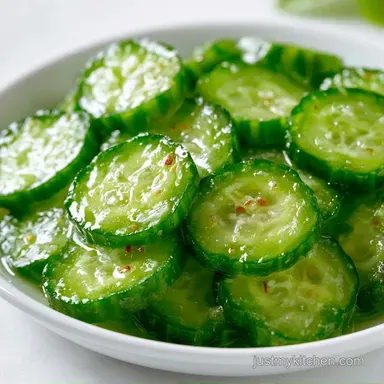
Crunchy Homemade Refrigerator Pickles
- Time: 10 min active + 25 hours 45 mins chilling/curing
- Flavor/Texture Hook: Tangy, garlic heavy, and snaps when you bite
- Perfect for: Burger nights, deli sandwiches, or healthy snacking
Easy Crunchy Refrigerator Pickles
The smell of simmering vinegar and smashed garlic always takes me back to my grandma's kitchen. She didn't bother with the fancy canning pots or the scary pressure cookers, just simple jars and a cold fridge. There is something about that sharp, vinegary scent hitting the air that just feels like summer.
I used to think you needed a degree in food preservation to make these, but it's actually just a few simple steps. These Refrigerator Pickles don't require any boiling water baths, which makes them a great starting point for anyone who is nervous about preserving food.
You can expect a bright, punchy pickle that doesn't go mushy after a week. We're using a method that keeps the cell walls of the cucumber strong, so you get that satisfying crunch every single time.
Quick Recipe Specs
This version focuses on budget friendly ingredients and high impact. You don't need expensive salts or rare vinegars to get a professional result. A simple white distilled vinegar does the heavy lifting here, keeping costs low while providing that classic zip.
The process is divided into the active prep and the waiting game. While the active work takes very little time, the curing process is non negotiable. If you try to eat them after two hours, they'll taste like raw cucumbers in vinegar. Give them the full time to develop.
| Feature | Quick Brine | Classic Ferment |
|---|---|---|
| Time | 25 hours 45 mins | 2-4 weeks |
| Equipment | Jar and pot | Weights and airlocks |
| Texture | Very crisp | Slightly softer |
| Best For | Immediate cravings | Complex, funky flavor |
Ingredient Deep Dive
Choosing the right cucumber is the only place where you can't really cut corners. Persian or Kirby cucumbers have thinner skins and denser flesh, which means they don't absorb too much liquid and stay firm. Standard slicing cucumbers from the grocery store are often too watery and will likely end up soft.
The balance of sugar and salt is key. We aren't making a dessert, but a pinch of sugar rounds out the harshness of the vinegar. It creates a more balanced profile that complements the savory garlic and fresh dill.
| Ingredient | What It Does | Best Swap |
|---|---|---|
| Persian Cucumbers | Provides the crunch | Kirby cucumbers |
| White Vinegar | Preserves and adds tang | Apple cider vinegar (milder) |
| Kosher Salt | Draws out water | Sea salt |
| Fresh Dill | Adds herbal brightness | Dried dill (use 1/3 amount) |
Essential Equipment
You don't need a professional kitchen to pull this off. A basic 1 quart glass mason jar is the standard here. Glass is essential because the acidity of the vinegar can react with metals or certain plastics, which might leave a metallic taste in your Refrigerator Pickles.
For the brine, any small saucepan will do. I usually use a 1 liter pot just to avoid spills when the liquid starts to simmer. A colander is also necessary for the initial rinse after the salt soak.
Chef Note: If you don't have a mason jar, any airtight glass container works, but make sure it's deep enough that the cucumbers stay fully submerged under the liquid.
Bringing It Together
Let's get into the actual process. The goal is to pack the cucumbers tightly so they don't float, which prevents any air pockets from forming.
Preparing the Cucumbers
Slice your 450g (1 lb) of cucumbers into 1/4 inch rounds. Toss them in a bowl with 15g (1 tbsp) of Kosher salt. Let them sit for 30 minutes. You'll see water pooling at the bottom. Rinse them thoroughly with cold water and pat them dry with a towel.
Simmering the Brine
Combine 240ml (1 cup) white distilled vinegar, 240ml (1 cup) water, 15g (1 tbsp) sugar, and 15g (1 tbsp) Kosher salt in a saucepan. Heat over medium until it reaches a light simmer. Stir it occasionally just until the salt and sugar dissolve. Take it off the heat immediately.
Packing the Jar
Place 4 smashed garlic cloves, 1/2 cup chopped fresh dill, 1 tsp peppercorns, and 1/2 tsp red pepper flakes at the bottom of your 1 quart jar. Pack the cucumber slices on top, pressing down firmly with a spoon to remove air gaps.
Cooling and Curing
Pour the hot brine over the cucumbers until they are completely submerged. Seal the lid tight. Leave the jar on the counter for 1 hour. Move it to the fridge to cure for at least 24 hours.
Why These Work
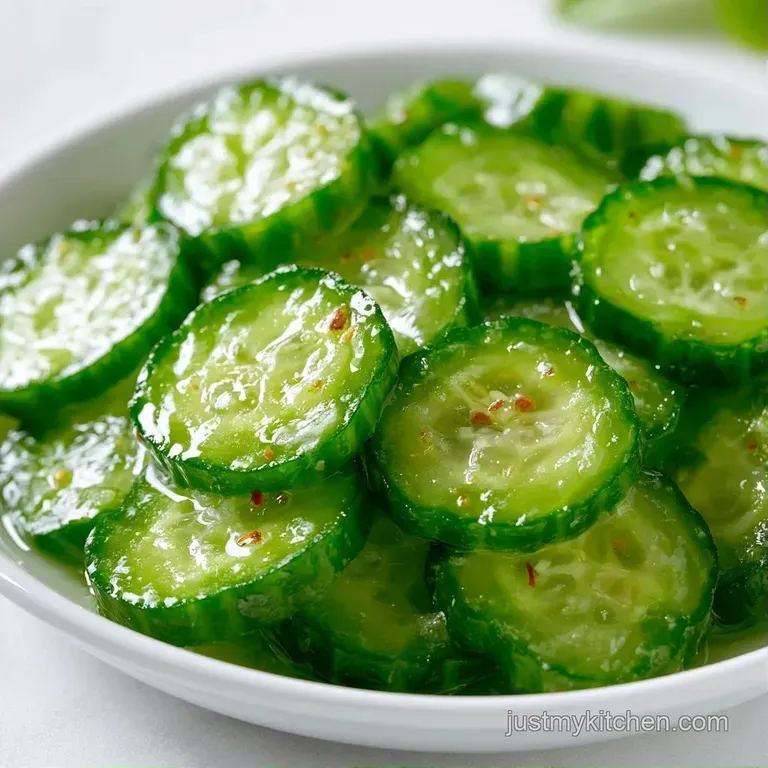
The logic here is all about managing water. According to Serious Eats, salt draws moisture out of the vegetables through osmosis. By removing that excess water first, the vinegar can penetrate the cucumber more effectively without diluting the flavor.
How the Crunch Stays
The initial salt soak firms up the cell walls. When you pour the hot brine over the pre shrunken cucumbers, they soak up the flavor without breaking down.
Balancing the Acidity
Using a 1:1 ratio of water to vinegar ensures the Refrigerator Pickles aren't too aggressive. The sugar acts as a buffer, making the brine taste rounded rather than just sour.
Troubleshooting Guide
Even with a simple recipe, things can go sideways. Most issues come down to the type of cucumber used or the temperature of the brine.
| Issue | Solution |
|---|---|
| Why Your Pickles Are Soft | This usually happens if you skip the salt soak or use English cucumbers. English cucumbers have a higher water content and a different skin structure, making them prone to mushiness. |
| Why the Brine Is Cloudy | Cloudiness can occur if the garlic was old or if the jar wasn't clean. It doesn't usually affect the taste, but it looks a bit off. |
| Why the Taste Is Too Sharp | If the vinegar is overpowering, you might have used a high acidity vinegar without enough sugar. |
Storage and Preservation
These Refrigerator Pickles stay good in the fridge for about 3 to 4 weeks. Keep them in the coldest part of your fridge, not in the door, as the temperature fluctuates too much there.
For zero waste, don't toss the leftover brine. It's basically a seasoned vinegar. Use it to marinate grilled chicken or drizzle it over a Classic Macaroni Salad for an extra kick of acidity. If you have cucumber ends left over, chop them up and put them in the jar too.
Freezing and Reheating Guide
Do not freeze Refrigerator Pickles. The freezing process turns the water inside the cucumber cells into ice crystals, which shred the cell walls. When they thaw, you'll be left with a soggy, limp mess.
There is no need to reheat these. They are meant to be served cold. If you're adding them to a hot sandwich or burger, add them at the very end so they retain their snap.
Dietary Adaptations
If you want a different flavor profile, you can easily swap the aromatics. For a sweeter version, increase the sugar to 2 tbsp. For more heat, add a sliced jalapeño to the bottom of the jar.
For those following a keto diet, replace the granulated sugar with a pinch of stevia or erythritol. The texture remains the same, and the flavor is almost identical. If you prefer a different herb, try Pickles with Fresh Dill recipe or swap the dill for fresh oregano and lemon zest for a Mediterranean twist.
| Original Ingredient | Substitute | Why It Works |
|---|---|---|
| White Vinegar | Apple Cider Vinegar | Milder, fruitier tang. Note: Changes color to amber |
| Granulated Sugar | Monk Fruit Sweetener | Zero calorie, similar sweetness |
| Red Pepper Flakes | Sliced Habanero | Much higher heat level for spicy lovers |
Serving Suggestions
These are a staple for any deli style spread. I love them piled high on a toasted rye sandwich with pastrami and spicy mustard. The acidity cuts through the richness of the meat perfectly.
They also make a great side for a backyard BBQ. Try serving them alongside a cold potato salad or a juicy burger. If you're feeling fancy, slice some red onions and toss them in the same brine for a quick pickled onion mix.
Right then, you've got a jar of crunchy, tangy Refrigerator Pickles ready to go. Just remember to be patient with the curing time. Trust me, the wait is worth it for that first, loud crunch.
Critical Sodium Level
1450 mg 1450 mg of sodium per serving (63% 63% of daily value)
The American Heart Association recommends a limit of 2,300mg of sodium per day, with an ideal limit of 1,500mg for most adults to reduce the risk of cardiovascular disease.
Tips to Reduce Sodium in Your Pickles
-
Reduce Brine Salt-25%
Cut the Kosher salt used in the final brine solution by half to significantly lower the overall sodium content.
-
Use Salt Substitutes-25%
Replace a portion of the Kosher salt with a potassium based salt substitute to maintain the savory profile with less sodium.
-
Minimize Initial Soak-20%
Reduce the 1 tbsp Kosher salt used for the initial brine soak, or ensure the cucumbers are rinsed thoroughly with cold water before pickling.
-
Switch Vinegar Types-15%
Swap white distilled vinegar for apple cider vinegar or rice vinegar; their stronger flavor profiles allow you to use less salt without sacrificing taste.
-
Boost Aromatics
Increase the amount of fresh dill, smashed garlic, and red pepper flakes to enhance the flavor complexity naturally.
Recipe FAQs
How long will homemade refrigerator pickles last?
3 to 4 weeks. Store them in the coldest part of your refrigerator, avoiding the door where temperatures fluctuate too much.
Do you have to boil brine for refrigerator pickles?
Yes, bring it to a light simmer. This ensures the granulated sugar and salt are completely dissolved before the liquid is poured over the cucumbers.
What vinegar do you use for refrigerator pickles?
White distilled vinegar. This provides the clean, sharp acidity needed to balance the fresh dill and garlic.
Do homemade dill pickles in vinegar need to be refrigerated?
Yes, absolutely. Since these are not processed in a water bath canner, they must stay chilled to remain safe and crisp.
How to make pickle relish from dill pickles?
Finely chop the finished pickle slices and stir in additional aromatics. This transforms the rounds into a chunky, spreadable condiment.
How to make sweet pickles without canning?
Increase the amount of granulated sugar in the brine before simmering. If you enjoyed the process of letting flavors develop over time here, you'll appreciate the patience required for a whole wheat sourdough starter.
Can brine for refrigerator pickles be reused?
Yes, it is a seasoned vinegar. Use it to marinate grilled chicken or drizzle it over salads for an extra kick of acidity.
Crunchy Refrigerator Pickles