Homemade Alfredo Sauce: Rich and Silky
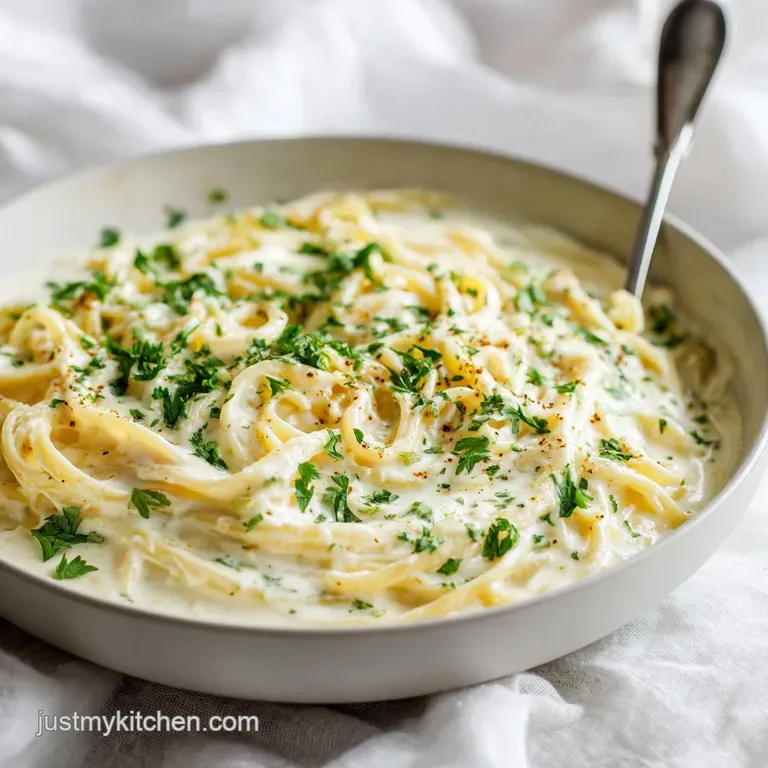
- Time: Active 5 minutes, Passive 10 minutes, Total 15 minutes
- Flavor/Texture Hook: Silky, garlic infused, and deeply savory
- Perfect for: Busy weeknight dinners or a comforting family meal
- Mastering This Homemade Alfredo Sauce Recipe
- Why This Works
- Selecting Your Key Sauce Components
- Tools for a Silky Sauce
- Simple Steps for Perfect Alfredo
- Troubleshooting Common Cooking Issues
- Flavor Variations and Creative Tweaks
- Scaling the Recipe
- Debunking Common Sauce Myths
- Storage and Zero Waste Tips
- Perfect Pairings for Your Meal
- Very High in Sodium
- Recipe FAQs
- 📝 Recipe Card
Mastering This Homemade Alfredo Sauce Recipe
The moment the butter hits that heavy bottomed pan and starts to foam, you know you're in for a treat. There's this specific sound, a gentle hiss that transitions into a nutty aroma as the garlic softens. It's the kind of smell that brings the whole family into the kitchen before the pasta is even in the water.
I've found that when you're looking for a quick win after a long day, nothing beats the velvety shimmer of a freshly whisked sauce coating a pile of fettuccine.
We've all been there, staring at a jar of the store-bought stuff and knowing it just won't hit the spot. This version is about as far from a jar as you can get, but it honestly takes less time than it does to wait for the delivery guy.
We're focusing on real ingredients here - European style butter, heavy cream, and enough Parmesan to make a cheesemonger proud. It's simple, it’s fast, and it feels like a total luxury.
You can expect a sauce that is thick enough to cling to every strand of pasta but light enough that it doesn't feel like lead. There’s no flour, no cornstarch, and no fuss. Just a straightforward reduction that relies on the natural proteins in the dairy to do the heavy lifting.
Once you see how easy it is to pull this together in 15 minutes, you’ll never look at the pre made aisles the same way again.
Why This Works
The secret to a sauce that stays smooth and glossy lies in how we handle the fat and proteins. It isn't just about throwing things in a pan; it's about managing the heat so everything stays bonded together.
- Reduction Power: Simmering the cream for 5 to 7 minutes evaporates water, concentrating the milk solids and fats for a naturally thick texture without flour.
- Off Heat Emulsion: Adding the cheese while the pan is off the burner prevents the proteins from tightening up into rubbery clumps.
- Aromatic Infusion: Sautéing the garlic in butter first ensures the flavor is distributed through the fat, reaching every corner of the final sauce.
- Nutmeg Depth: A tiny pinch of nutmeg acts as a flavor bridge, cutting through the richness of the dairy and making the Parmesan taste even sharper.
| Cook Method | Total Time | Texture | Best For |
|---|---|---|---|
| Traditional Stovetop | 15 minutes | Silky and glossy | Immediate serving with fresh pasta |
| Oven Bake (Casserole) | 35 minutes | Set and bubbly | Feeding a large crowd or meal prep |
| Slow Simmer | 25 minutes | Ultra thick and rich | Thick noodles like pappardelle |
Whether you are in a rush or have a bit more time to let things meld, the stovetop method remains the gold standard for that classic, pourable consistency. If you decide to go the casserole route, you'll find that this sauce holds up beautifully under a broiler, creating those lovely golden brown bubbles that everyone fights over at the dinner table.
Selecting Your Key Sauce Components
When a recipe has such a short ingredient list, the quality of each item really has a chance to shine. I always reach for the best butter I can find because it makes up the very foundation of the flavor profile.
| Component | Science Role | Pro Secret |
|---|---|---|
| Heavy Cream | Provides the fat structure for a stable, creamy emulsion | Use room temp cream to prevent the butter from seizing when combined |
| Parmesan Cheese | Acts as both the primary seasoning and a natural thickener | Grate it yourself on a microplane for the fastest, smoothest melt |
| European Butter | Offers a higher fat to water ratio than standard butter | Look for "cultured" butter for a slightly tangy, complex finish |
I can't stress this enough: please skip the green shaker bottle of cheese. It contains anti clumping agents like cellulose (essentially wood pulp) that will prevent your sauce from ever reaching that silky state we're after.
If you're looking to save a few pennies, even a decent wedge of domestic Parmesan will outperform the pre grated stuff every single time.
Tools for a Silky Sauce
You don't need a kitchen full of gadgets, but two specific tools will make your life significantly easier. First, a heavy bottomed stainless steel saucepan is your best friend. Thin pans have hot spots that can scorch the cream or burn the garlic in seconds.
A heavier base distributes the heat evenly, which is vital during that 5 minute reduction phase.
Second, a balloon whisk is far superior to a spoon here. You need to be able to move the cheese quickly as it hits the hot liquid to ensure it incorporates rather than sinking to the bottom. If you're worried about scratching a non stick pan, a silicone coated whisk works perfectly.
Also, a microplane or a very fine grater is the secret to getting that "snow like" cheese texture that melts on contact.
Simple Steps for Perfect Alfredo
Before you start, make sure your cheese is grated and your garlic is ready. This moves fast once the heat is on!
- Melt the butter. Place your heavy bottomed saucepan over medium low heat. Add 113g (0.5 cup) of European style butter. Let it melt slowly until it begins to foam and hiss slightly.
- Sauté the aromatics. Toss in 3 cloves of finely microplaned garlic. Stir constantly for 60 seconds until the kitchen smells incredible and the garlic is pale gold. Don't let it brown, or the sauce will taste bitter.
- Simmer the cream. Pour in 355ml (1.5 cups) of heavy whipping cream. Turn the heat up to medium.
- Reduce the liquid. Whisk occasionally for 5 to 7 minutes. Watch for the liquid to reduce by about a third until it coats the back of a metal spoon thickly.
- Remove from heat. This is the most important step. Move the pan to a cool burner to ensure the cheese doesn't overcook and turn stringy.
- Incorporate the cheese. Add your 150g (1.5 cups) of freshly grated Parmesan one handful at a time. Whisk vigorously after each addition until the sauce is completely smooth and glossy.
- Season the sauce. Whisk in 0.5 tsp sea salt, 0.25 tsp black pepper, and that vital pinch of nutmeg.
- Rest and thicken. Let the sauce sit for 2 minutes. You will see it transform into a thick, velvet like consistency right before your eyes.
Chef's Tip: If your pasta isn't quite ready when the sauce is finished, save a cup of the starchy pasta water. If the sauce gets too thick while sitting, a splash of that "liquid gold" will loosen it right back up without thinning out the flavor.
Troubleshooting Common Cooking Issues
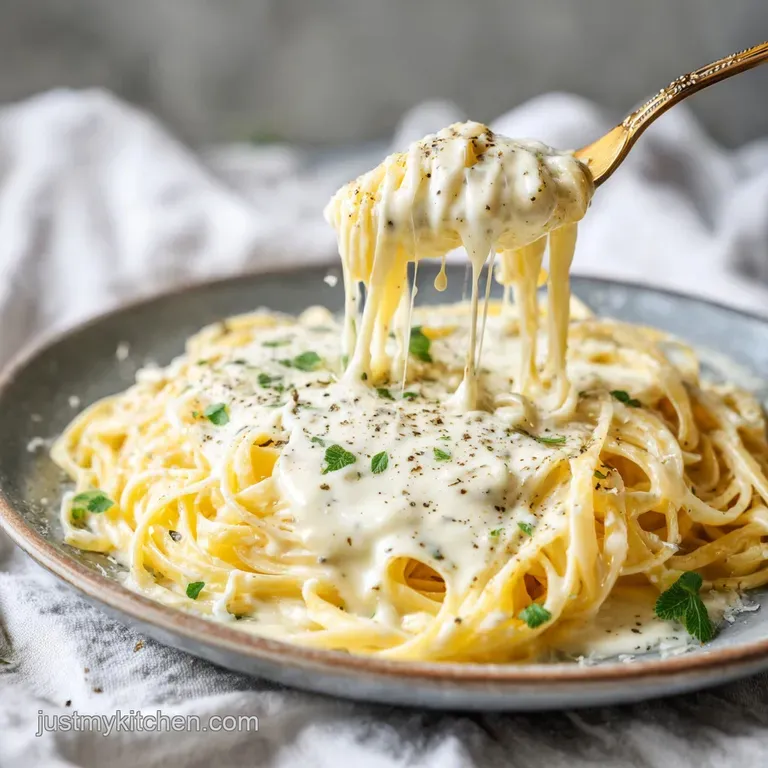
Even with the best intentions, dairy can be a little finicky. The most common heartbreak is a sauce that looks "broken" or oily, but almost everything can be saved if you catch it early.
The Sauce Looks Grainy
This usually happens if the cheese was added while the sauce was still boiling, or if you used pre shredded cheese with additives. The proteins in the cheese have clumped together. To fix this, you can try whisking in a tablespoon of very hot heavy cream or a splash of pasta water while whisking at high speed.
It won't always be perfectly smooth again, but it will significantly improve the texture.
The Sauce Is Too Thin
If you've followed the steps and it still looks like soup, you likely didn't reduce the cream long enough. Remember, we aren't using flour, so the thickness comes entirely from evaporation. Put it back on medium heat for another 2 minutes, but be careful once the cheese is already in there.
Whisk constantly so the cheese doesn't stick to the bottom.
| Problem | Root Cause | Solution |
|---|---|---|
| Separating/Oily | Heat was too high | Whisk in 1 tsp of warm water or cream off the heat to re emulsify |
| Bland Flavor | Not enough salt or acid | Add an extra pinch of salt or a tiny drop of lemon juice |
| Cheese Clumping | Added too much cheese at once | Whisk faster and add cheese in smaller increments next time |
Common Mistakes Checklist
- ✓ Never let the garlic turn brown; it should stay light and sweet.
- ✓ Ensure the cream is at a gentle simmer, not a rolling boil, to prevent curdling.
- ✓ Always remove the pan from the heat before adding the cheese.
- ✓ Use a microplane for the cheese; large shreds take too long to melt and can cause graininess.
- ✓ Don't skip the nutmeg; it’s the secret ingredient that pulls the whole dish together.
Flavor Variations and Creative Tweaks
While the classic version is hard to beat, sometimes you want to shake things up based on what's in the pantry. If you are looking for a homemade alfredo sauce without heavy cream, you can use a combination of whole milk and a little extra butter, though you will need a teaspoon of flour (a quick roux) to help it thicken since milk doesn't have the same fat solids as cream.
For an alfredo sauce recipe with milk, I recommend using 2 cups of whole milk and increasing the Parmesan by half a cup. The extra cheese provides the body that the lighter milk lacks. It’s a great way to keep the meal a bit lighter without losing that signature comfort. If you want a protein heavy meal, this sauce is the perfect base for Teriyaki Chicken — trust me, the salty sweet glaze of the chicken against the creamy garlic sauce is a total win for the kids.
If you’re feeling bold, try the Blackened Cajun Twist. Simply add a tablespoon of Cajun seasoning and a dash of cayenne pepper when you add the salt and nutmeg. It turns the sauce a beautiful dusky orange and gives it a kick that pairs perfectly with blackened shrimp or sliced smoked sausage.
It’s a completely different vibe but uses the exact same base technique.
Scaling the Recipe
This recipe serves 4 people perfectly, but it’s very easy to adjust for a romantic dinner or a big family reunion.
- To Scale Down (1/2 batch): Use a smaller saucepan so the cream doesn't evaporate too quickly. Reduce the simmering time by about 2 minutes, as a smaller volume of liquid reaches the "coating the spoon" stage much faster.
- To Scale Up (2x or 3x batch): Use a wide pot or a Dutch oven to increase the surface area. This helps the larger volume of cream reduce in a reasonable amount of time. When doubling, I suggest only using 1.5 times the salt and pepper initially, then tasting and adding more as needed.
- For Large Crowds: If you are making this for 10 or more people, keep the finished sauce in a slow cooker on the "warm" setting. Stir it every 15 minutes and add a splash of warm milk if it starts to get too thick.
| Original | Double (8 Servings) | Adjustment Tip |
|---|---|---|
| Butter | 1 cup (226g) | Melt slowly to avoid browning |
| Heavy Cream | 3 cups (710ml) | May take 10-12 mins to reduce |
| Parmesan | 3 cups (300g) | Add in 4 batches for smoothness |
When you double the recipe, the carryover heat in the pot is much higher. This means you need to be even more vigilant about taking the pot off the heat before the cheese goes in. A larger mass of hot liquid holds onto heat longer, which can easily overheat your Parmesan.
Debunking Common Sauce Myths
There’s a lot of noise online about what makes an "authentic" Alfredo. One big myth is that you need flour or a roux to make it thick. Authentic Roman Alfredo is actually just butter and cheese emulsified with pasta water, but the cream based version we love in the States doesn't need flour either.
The reduction of the cream is what provides that luxurious body.
Another myth is that you should use "low-fat" cream or half and half to save calories. In this specific recipe, the fat is the stabilizer. If you use a lower fat dairy, the sauce is much more likely to break and turn into a puddle of oil and water.
If you want to cut back, just eat a slightly smaller portion of the real stuff your taste buds will thank you.
Finally, people often think you can't reheat Alfredo. You absolutely can, but you can't use the microwave on high. That's a one way ticket to a greasy mess. Low and slow is the only way to bring this sauce back to life, but we'll get into the specifics of that in the next section.
Storage and Zero Waste Tips
This sauce is best served immediately, but life happens and sometimes you have leftovers. You can keep this in an airtight container in the fridge for up to 4 days. When you’re ready to eat it again, put it in a small saucepan over the lowest heat possible.
Add a teaspoon of water or milk and whisk constantly until it’s creamy again.
For zero waste, don't throw away the rind of your Parmesan wedge! Those rinds are flavor goldmines. Throw them into your next batch of soup or a pot of simmering marinara. They soften up and release a deep, umami richness that you can't get any other way.
If you have leftover sauce but no pasta, it makes an incredible dip for warm breadsticks or a base for a white pizza the next night.
I don't recommend freezing this sauce. Because it’s a pure fat and dairy emulsion, the freezing and thawing process usually causes the solids to separate from the fats permanently. It will taste fine, but the texture will be unpleasantly grainy.
If you must freeze it, be prepared to spend a lot of time whisking it back together over low heat with a little fresh cream.
Perfect Pairings for Your Meal
Fettuccine is the classic choice, but this sauce is a chameleon. It works beautifully over zoodles (zucchini noodles) if you’re looking for something lighter, or even over roasted cauliflower. For a full restaurant style experience, I love serving this alongside my Lemon Pecorino Chicken. The bright acidity of the lemon in the chicken cuts right through the heavy cream of the sauce, creating a perfectly balanced plate.
If you’re looking for a side dish, a simple arugula salad with a balsamic glaze provides a peppery bite that cleanses the palate between forkfuls of rich pasta. And of course, you can't go wrong with garlic bread. I usually use any leftover garlic I have to make a quick herb butter for a toasted baguette.
It’s the ultimate comfort meal that feels like a big hug in a bowl.
This homemade alfredo sauce recipe is more than just a quick dinner; it’s a fundamental skill that will serve you for years. Once you understand how heat and fat work together, you can customize this to fit any mood.
Whether it's a Tuesday night or a special anniversary, the results are always the same: a clean bowl and a very happy family.
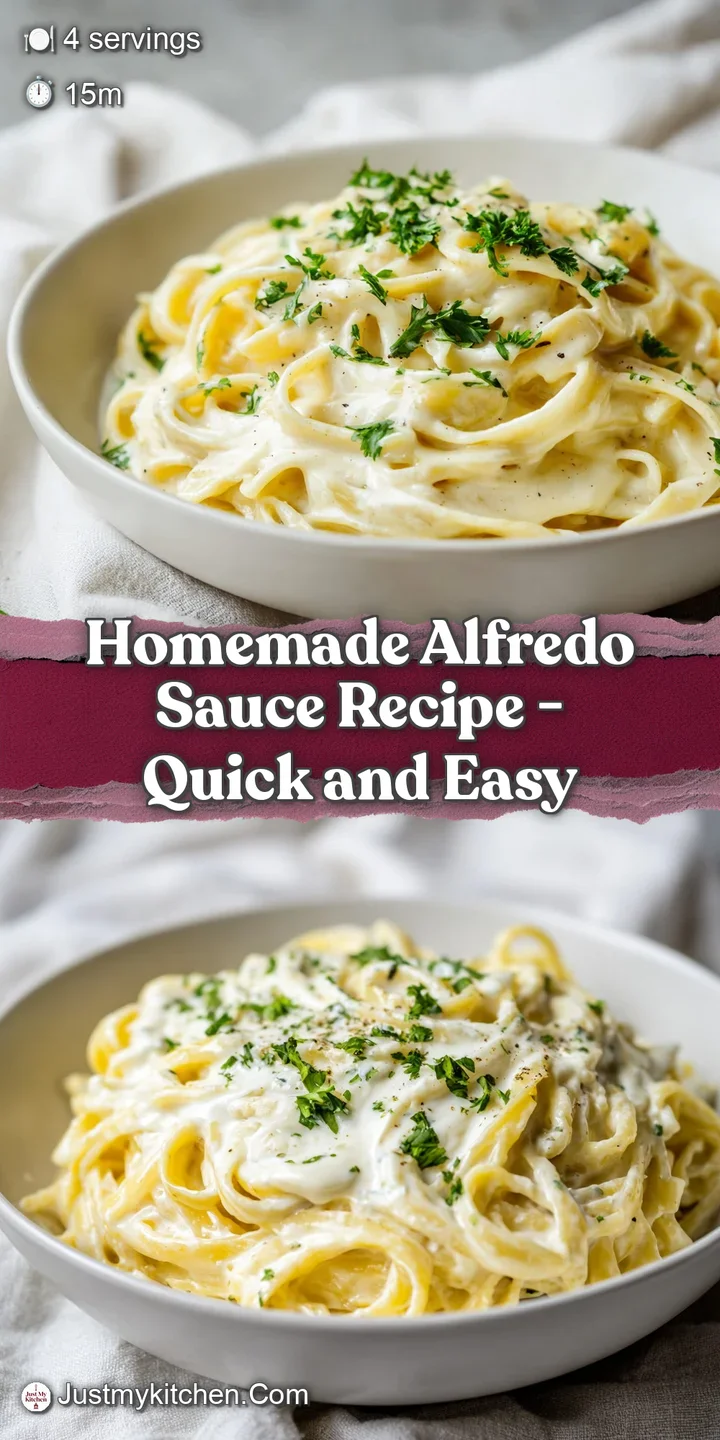
Very High in Sodium
838 mg 838 mg of sodium (36% 36% of daily value)
The American Heart Association recommends limiting sodium intake to about 2,300mg per day, aiming for an ideal limit of 1,500mg per day for most adults.
Tips to Reduce Sodium
-
Reduce Parmesan Cheese-15%
Parmesan cheese is a significant source of sodium. Try reducing the amount of Parmesan cheese by half and incorporating a sharper, aged cheddar or a blend of cheeses with lower sodium content if available.
-
Minimize Added Salt-25%
The recipe calls for 0.5 tsp of sea salt. Eliminate this added salt entirely, as the Parmesan cheese already contributes a substantial amount of sodium. You can always add a pinch of salt at the table if needed.
-
Boost Flavor with Herbs and Spices
Enhance the natural flavors of your dish without adding sodium. Incorporate fresh or dried herbs like parsley, chives, or basil, and spices such as garlic powder (in addition to fresh) or a pinch of cayenne for a subtle kick.
-
Adjust Garlic-5%
While fresh garlic is not a major sodium contributor, using slightly less minced garlic might subtly impact the overall perception of saltiness, allowing you to rely more on other flavorings.
Recipe FAQs
What are the main ingredients in Alfredo sauce?
This sauce relies on a base of heavy whipping cream, unsalted European style butter, and freshly grated Parmesan cheese. Garlic, sea salt, black pepper, and a pinch of nutmeg provide the necessary depth and seasoning.
What is the secret to a good Alfredo sauce?
Remove the pan from the heat entirely before adding your cheese. Adding cheese to a boiling sauce causes the emulsion to break, leading to a clumpy texture. If you enjoy Recipe in 30 Minutes needed here, you will find it equally useful for achieving the perfect crust on breaded proteins.
Can I use milk instead of heavy cream in my Alfredo sauce?
How to make a quick Alfredo pasta sauce?
Melt the butter in a heavy bottomed saucepan over medium low heat, then sauté the minced garlic for 60 seconds. Pour in the heavy cream and simmer for 5 7 minutes until it coats the back of a spoon, then finish by whisking in the Parmesan off the heat.
Is it true I can use pre-shredded cheese to save time?
No, this is a common misconception. Pre-shredded cheese is coated in potato starch or cellulose to prevent clumping, which prevents it from melting into a smooth sauce and leaves you with a gritty texture.
How to fix a sauce that has become oily or broken?
Whisk in a teaspoon of warm water or cream and keep the heat very low. By whisking vigorously, you can often re-emulsify the fats back into the dairy base, restoring the smooth consistency.
How to reheat leftover Alfredo sauce without it separating?
Place the sauce in a small saucepan over the lowest heat possible. Add a teaspoon of liquid and whisk constantly until the sauce returns to a creamy, uniform consistency.
Homemade Alfredo Sauce
Ingredients:
Instructions:
Nutrition Facts:
| Calories | 654 calories |
|---|---|
| Protein | 15.3 g |
| Fat | 64 g |
| Carbs | 4.4 g |
| Fiber | 0.1 g |
| Sugar | 2.1 g |
| Sodium | 838 mg |
