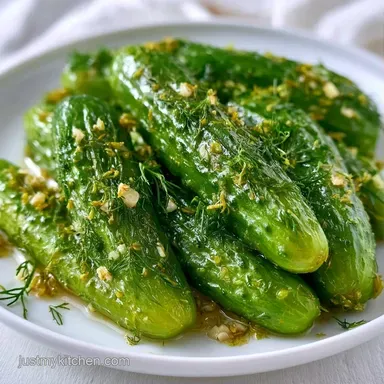
Old Fashioned Crunchy Canned Dill Pickles Recipe
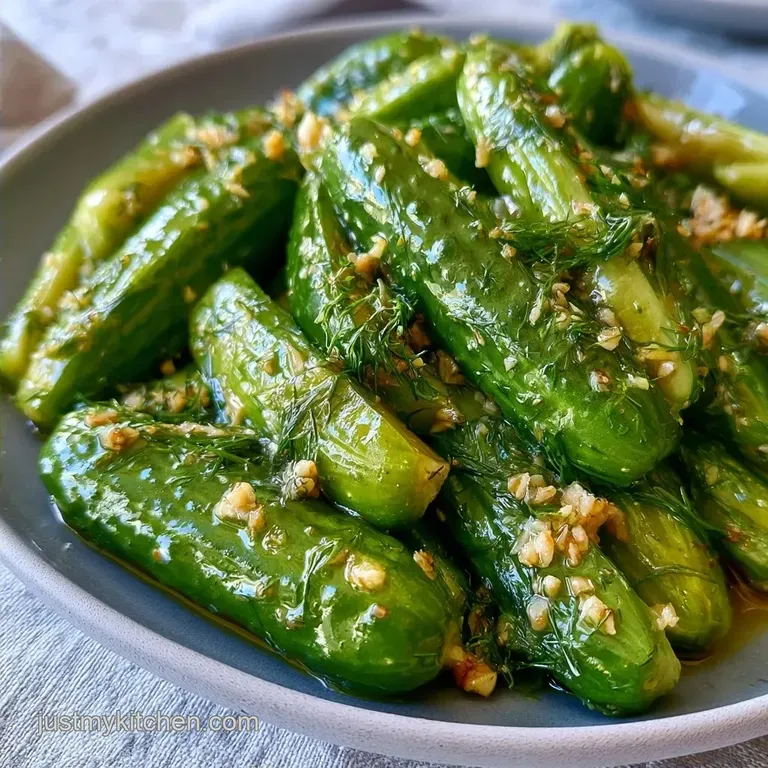
- Time: 30 min active + 3 days 1 hr 55 min total
- Flavor/Texture Hook: Sharp, garlic heavy, and shattering crunch
- Perfect for: Pantry stocking, burger nights, and beginner canners
- Canned Dill Pickles Recipe Guide
- Why This Brine Works
- What Each Ingredient Does
- Ingredients & Substitutes
- Step-by-Step Packing Process
- Fixing Common Pickle Problems
- Adjusting Your Batch Size
- Pickling Myths Debunked
- Storage and Waste Tips
- Final Thoughts on Canning Pickles for Beginners
- Critical Sodium Level
- Recipe FAQs
- 📝 Recipe Card
Ever wonder why some store-bought pickles feel like soggy sponges while others actually snap? I used to think it was some industrial magic, but it actually comes down to a tiny enzyme in the cucumber's blossom end. If you leave that part on, your pickles turn to mush.
It's a small detail, but it's the difference between a snack you love and a jar of vinegar flavored mush.
I remember the first time I tried a Traditional Canned Dill Pickles batch. I skipped the ice bath because I was in a rush, and the result was... disappointing. Now, I don't skip a single step. This Canned Dill Pickles Recipe is all about patience and a few specific moves that protect the cell walls of the veggie.
You can expect a sharp, tangy bite that hits the back of your throat, followed by a punch of fresh garlic. We're going for that classic deli style. It's an Easy Canning Dill Pickles Recipe that doesn't require a chemistry degree, just some basic jars and a big pot.
Canned Dill Pickles Recipe Guide
The most important part of this process is temperature control. You want the cucumbers cold and the brine hot. When that boiling liquid hits the chilled cucumber, it creates a specific tension that helps maintain that crunch.
Honestly, don't bother with fancy "pickling" cucumbers if you can't find them, though Kirby ones are the gold standard because their skin is thicker.
If you're looking for a Canned Dill Pickle Recipe No Sugar, you can actually just omit the two tablespoons of sugar here. It won't change the preservation, but the sugar does take the aggressive edge off the vinegar. I usually keep it in, but it's a quick tweak if you prefer a harsher, more old school tang.
Right then, let's get into how we actually make these happen. This is a great way to use up a garden glut or just save money on snacks. Since we're using a water bath method, these are safe for the shelf, making them a staple for anyone into Homemade Canned Dill Pickles.
Why This Brine Works
Blossom End Removal: Cutting off the tip removes pectolytic enzymes that break down pectin, which is what keeps the pickle firm.
The Ice Soak: Chilling the cucumbers for an hour tightens the cell structure, which means they don't collapse when the hot brine hits them.
Acetic Acid Balance: Using a 5% acidity vinegar ensures the pH level is low enough to stop bad bacteria from growing during storage.
| Method | Prep Time | Texture | Shelf Life |
|---|---|---|---|
| Water Bath | 30 mins | Firm/Crunchy | 1 year (sealed) |
| Refrigerator | 15 mins | Very Crisp | 4-6 weeks |
What Each Ingredient Does
| Ingredient | What It Does | Best Swap |
|---|---|---|
| Distilled White Vinegar | Provides acidity for safety | Apple Cider Vinegar (adds sweetness) |
| Pickling Salt | Brines without clouding the liquid | Kosher Salt (check for additives) |
| Fresh Dill | Gives the primary herbal flavor | Dried Dill (use 1/3 amount) |
| Garlic Cloves | Adds pungent, savory depth | Garlic Powder (not recommended for canning) |
Ingredients & Substitutes
- 4 lbs Kirby or pickling cucumbers Why this? Thick skins prevent shriveling.
- 4 cups (950ml) distilled white vinegar (5% acidity) Why this? Standard acidity for safe canning.
- 4 cups (950ml) filtered water Why this? Prevents chlorine taste.
- 1/2 cup (150g) pickling salt Why this? No iodine, so the brine stays clear.
- 2 tbsp (30g) granulated sugar Why this? Balances the harsh vinegar bite.
- 8 cloves (40g) garlic, smashed Why this? Fresh garlic provides the best punch.
- 8 sprigs (20g) fresh dill, trimmed Why this? Essential for that "dill" profile.
- 2 tbsp (12g) dill seeds Why this? Adds a deeper, earthier dill note.
- 1 tbsp (8g) whole black peppercorns Why this? Subtle heat and aroma.
- 1 tsp (2g) red pepper flakes Why this? Adds a tiny bit of background warmth.
- 2 tbsp (30ml) lemon juice Why this? Extra brightness to the brine.
Chef's Note: If you want a Garlic Canned Dill Pickles Recipe with extra kick, double the garlic but smash the cloves with the side of your knife first to release more oils.
Step-by-step Packing Process
Phase 1: Preparing the Cucumbers
- Wash and scrub cucumbers under cold water.
- Slice off exactly 1/16th of an inch from the blossom end of each cucumber. Note: This removes the softening enzymes.
- Leave small cucumbers whole and slice larger ones into spears or thick rounds.
- Soak cucumbers in ice water for 60 minutes, then drain. until they feel cold and rigid.
Phase 2: Packing the Jars
- Sterilize 4 quart sized canning jars to prevent thermal shock.
- Distribute aromatics into each jar: 2 smashed garlic cloves, 2 sprigs of fresh dill, 1/2 tsp of dill seeds, and a pinch of peppercorns.
- Pack cucumbers tightly into jars. until they are snug but not crushed.
- Leave 1/2 inch of headspace at the top of the jar.
Phase 3: The Brining and Boiling Process
- Combine vinegar, water, pickling salt, and sugar in a stainless steel pot.
- Bring the mixture to a rolling simmer. until the salt and sugar have completely dissolved.
- Pour the hot brine over the cucumbers, maintaining that 1/2 inch headspace.
- Add lemon juice to each jar and seal with lids.
- Process in a boiling water bath for 15 minutes.
Fixing Common Pickle Problems
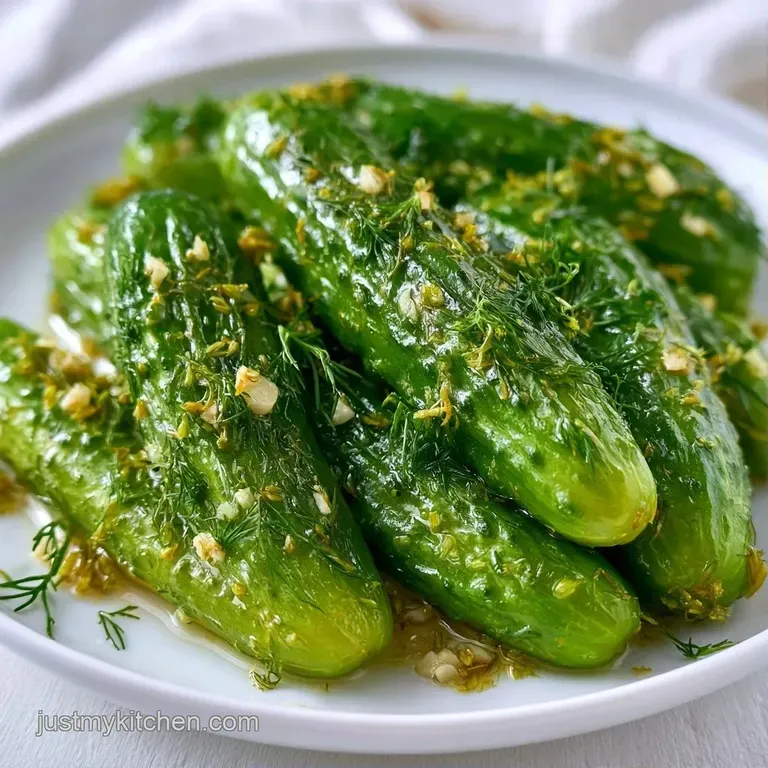
If you've tried a Crunchy Canned Dill Pickles Recipe before and ended up with something soft, it's usually a temperature or enzyme issue. The most common culprit is the blossom end. If you forget to trim it, the enzymes just eat away at the pectin.
Another issue is the salt. If you use table salt, your brine will look cloudy. It doesn't affect the taste, but it looks messy. Using pickling salt keeps the liquid crystal clear.
Why Your Pickles are Soft
This usually happens because of improper cooling or leaving the blossom end on. It can also happen if you over process them in the water bath.
| Problem | Root Cause | Solution |
|---|---|---|
| Mushy Texture | Blossom end left on | Trim 1/16" off the tip |
| Cloudy Brine | Used iodized table salt | Use pure pickling salt |
| Lid Won't Seal | Not enough headspace | Leave exactly 1/2 inch gap |
Adjusting Your Batch Size
When you're making this Old Fashioned Canned Dill Pickles batch, scaling isn't always a straight line. If you're cutting the recipe in half, use a smaller pot to ensure the brine doesn't evaporate too quickly during the simmer.
For scaling up to 8 or 12 quarts, don't just double the salt and spices. I've found that salt and red pepper flakes can become overpowering. Increase the salt and spices to about 1.5x the amount for every double batch of liquids.
If you're doing a massive run, work in batches for the packing phase. If the cucumbers sit out too long while you're prepping 20 jars, they lose that chilled tension we need for the crunch. For more cucumber based ideas, you might like this Tzatziki Sauce recipe which uses fresh cucumbers for a different kind of snap.
Pickling Myths Debunked
Some people say you need a professional pressure canner for pickles. That's not true. Because vinegar is highly acidic, a simple water bath is enough to make these safe for room temperature storage.
Another myth is that you have to boil the cucumbers in the brine. Actually, pouring boiling brine over raw, chilled cucumbers is what helps maintain the texture. Boiling the actual vegetable usually leads to a softer result.
Storage and Waste Tips
Once the jars are processed and cooled, you can store these in a cool, dark pantry for up to a year. Once you pop the seal, they move to the fridge and should be eaten within 3 months.
Don't toss the leftover brine! It's basically a salty, garlicky flavor bomb. I use it as a marinade for grilled chicken or even splash a bit into a potato salad for a zingy twist. If you're making other sides, this brine pairs well with a Classic Macaroni Salad for a full picnic spread.
For zero waste, you can reuse the jars for storing bulk grains or nuts after the pickles are gone. Just give them a good scrub with soap and water to get rid of the vinegar smell.
Final Thoughts on Canning Pickles for Beginners
The Best Canned Dill Pickles Recipe isn't about fancy tools, it's about those few precision checkpoints. Remember: trim the tips, ice the cukes, and watch your headspace.
If you're nervous about your first time canning, just remember that the acidity of the vinegar is doing most of the heavy lifting for you. It's a forgiving process as long as you don't cut corners on the cleanliness of your jars.
Once you taste that first snap of a homemade pickle, you'll never want to go back to the store-bought stuff. It's a rewarding project that makes your pantry feel like a real homestead. Now, go grab some Kirby cucumbers and get started.
Critical Sodium Level
3656 mg 3,656 mg of sodium per serving (159% 159% of daily value)
The American Heart Association recommends a daily limit of 2,300 mg of sodium to maintain heart health and reduce the risk of hypertension.
Tips to Reduce Sodium in Your Pickles
-
Reduce Pickling Salt-30%
Significantly reduce the pickling salt by 25-50%. While salt is key for preservation, cutting the quantity is the most effective way to drop the sodium count.
-
Increase Acidity-15%
Add an extra tablespoon of lemon juice or a small amount of additional vinegar. The tartness helps trick the palate into perceiving more flavor with less salt.
-
Rinse Before Serving-10%
Quickly rinse the finished pickles under cold running water. This removes excess surface brine, reducing the amount of sodium consumed per piece.
-
Boost Aromatics
Double the amount of fresh dill, garlic, and peppercorns. Enhancing these natural aromatics provides a complex flavor profile that compensates for the reduction in salt.
Recipe FAQs
How to keep pickles crunchy when canning dill?
Soak cucumbers in ice water for one hour. You should also slice 1/16th of an inch off the blossom end to remove enzymes that cause softening.
Do homemade dill pickles in vinegar need to be refrigerated?
No, not until the seal is broken. Processed jars can stay in a cool, dark pantry for up to a year, but must move to the fridge once opened.
How to make homemade pickles with white vinegar?
Simmer distilled white vinegar, water, pickling salt, and sugar in a stainless steel pot. Pour this brine over cucumbers tightly packed with garlic, dill, and peppercorns.
What are the best pickles for diabetics?
Kirby or pickling cucumbers are the ideal choice. This specific recipe uses very little sugar, keeping the glycemic impact low while maintaining a traditional dill flavor.
Which is the best and simplest homemade pickle?
The Kirby cucumber is the most reliable option. Its naturally thick skin and firm flesh prevent the pickle from becoming mushy during the canning process.
How to make pickle relish from dill pickles?
Finely dice the finished pickles and stir in a small amount of the reserved brine. If you love balancing high acid flavors in preserves, see how that same principle works in our lemon chicken soup.
Can you use store-bought pickle juice to make more pickles?
No, always brew a fresh brine. store-bought juice doesn't have the correct concentration of salt and acid to ensure the safety and texture of new cucumbers.
Canned Dill Pickles Recipe