Banana Bread Cinnamon Rolls: Moist and Fluffy
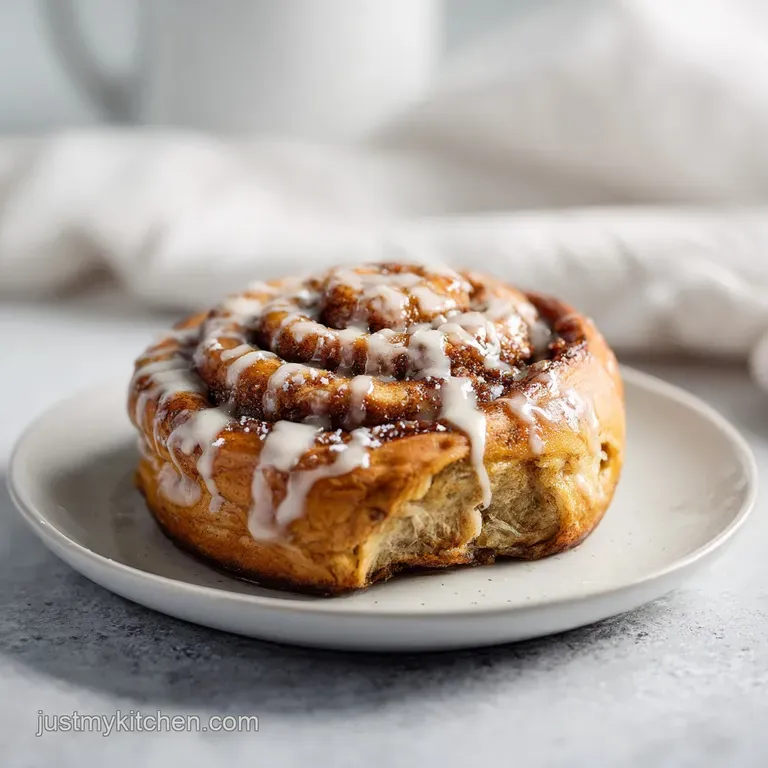
- Time: Active 45 mins, Passive 130 mins, Total 175 minutes
- Flavor/Texture Hook: Silky banana dough meets a crunchy walnut cinnamon swirl and tangy cream cheese.
- Perfect for: Slow weekend brunches, holiday mornings, or using up those very brown bananas on the counter.
- Mastering Best Banana Bread Cinnamon Rolls
- Banana Dough Texture Success Secrets
- Choosing Premium Baking Pantry Items
- Must Have Kitchen Tools for Success
- Detailed Baking Method and Timing
- Fixes for Common Baking Errors
- Creative Recipe Variations and Substitutes
- Storing and Reheating Fresh Rolls
- Delicious Serving and Pairing Ideas
- Recipe FAQs
- 📝 Recipe Card
Mastering Best Banana Bread Cinnamon Rolls
Picture this: it is a drizzly Saturday morning, the house is quiet, and there is a pile of bananas on your counter that look like they have seen better days. Most people see trash; we see the foundation of a masterpiece. The smell that fills a kitchen when banana and cinnamon hit a hot oven is nothing short of magic.
It is a scent that pulls people out of bed faster than any alarm clock ever could.
I remember the first time I tried to mash these two classics together. I thought I could just throw some banana into my regular roll recipe and call it a day. The result was a sticky, gummy mess that refused to rise.
I realized then that working with fruit in a yeast dough requires a bit of respect for the extra moisture and sugar those bananas bring to the party.
Today, we are skipping the guesswork. We are making a dough that is sturdy enough to hold a thick cinnamon walnut filling but soft enough to practically melt when it hits your tongue.
This is about taking those traditional techniques the slow rise, the careful knead and giving them a modern, fruity twist that makes your kitchen smell like a professional bakeshop.
Banana Dough Texture Success Secrets
Understanding the physics of this dough helps you avoid the dreaded "gummy" center. Banana adds weight and moisture, so we have to adjust how we handle the flour and the rise times to compensate for that extra density.
- Enzymatic Tenderizing: The amylase in overripe bananas breaks down complex starches into sugars, which creates a much softer, more "plush" crumb than standard milk based doughs.
- Protein Reinforcement: We use bread flour because its higher protein content (usually 12-14%) creates a stronger gluten network that can support the heavy, wet weight of the fruit puree.
- Hydration Balance: The mashed fruit acts as a liquid, so we reduce the added milk to ensure the dough remains tacky enough to rise but strong enough to hold its spiral shape.
- Molasses Reaction: Using dark brown sugar in the filling adds acidity, which helps tenderize the gluten strands just as the rolls hit the oven heat.
| Thickness | Internal Temp | Rest Time | Visual Cue |
|---|---|---|---|
| 1.25 inch | 190°F (88°C) | 10 mins | Golden brown and springy |
| 1.5 inch | 195°F (90°C) | 15 mins | Deep mahogany and pulling away |
| 1.0 inch | 185°F (85°C) | 5 mins | Light tan and soft center |
The key to that iconic texture is the interaction between the fruit's natural pectin and the yeast. Pectin acts as a secondary structural support, almost like a natural dough conditioner. If you have ever enjoyed a slice of my almond flour banana bread, you know how moisture rich fruit bakes can be, and this yeast leavened version takes that moisture to a whole new level of fluffiness.
Choosing Premium Baking Pantry Items
| Component | Science Role | Pro Secret |
|---|---|---|
| Bread Flour | Structural Support | Provides the chew needed to offset heavy banana moisture. |
| Dark Brown Sugar | Moisture & Acid | Adds a deep caramel note and keeps the filling from drying out. |
| Overripe Bananas | Natural Humectant | The darker the peel, the more concentrated the sugar and aroma. |
| Vanilla Bean Paste | Flavor Depth | Contains the "specks" and oils that survive the high heat of baking. |
Selecting the right ingredients is the first step toward a successful bake. You will need 0.5 cup whole milk, warmed to exactly 110°F to wake up your 2.25 tsp of active dry yeast. For the fruit, aim for 200g of overripe bananas they should be speckled with black for the best flavor.
We will also use 0.25 cup unsalted butter (melted and cooled), 0.25 cup granulated sugar, 1 large egg at room temperature, and 1 tsp fine sea salt for the base dough.
For the swirl, we need 0.5 cup unsalted butter (softened to a spreadable consistency), 0.75 cup dark brown sugar, 2 tbsp ground cinnamon, 0.25 tsp ground nutmeg, and 0.5 cup toasted walnuts.
The frosting is a luxurious blend of 4 oz cream cheese, 2 tbsp butter, 1.5 cups powdered sugar, 1 tsp vanilla bean paste, and 2 tbsp heavy cream.
Must Have Kitchen Tools for Success
You don't need a professional bakery setup, but a few specific items make this much easier. A stand mixer is your best friend here. While you can knead by hand, the high moisture dough of these Banana Bread Cinnamon Rolls can be quite tacky, and a dough hook handles it with far less mess.
I also highly recommend a digital kitchen scale; measuring 200g of banana is much more accurate than "two medium bananas," which can vary wildly in weight.
A 9x13 inch baking dish is the standard for 12 rolls, allowing them just enough room to expand into each other without becoming overly crowded. For slicing, skip the knife and grab a length of unscented dental floss. It creates a clean, pressurized cut that doesn't squish the delicate layers of dough and filling.
Finally, an instant read thermometer is the only way to be 100% sure your centers are cooked through without over baking the edges.
Detailed Baking Method and Timing
Activating the Yeast Properly
Start by combining the 0.5 cup warm milk (110°F), 0.25 cup granulated sugar, and 2.25 tsp active dry yeast in your mixer bowl. Let it sit for 5–10 minutes. You are waiting for it to become foamy and smell like a fresh brewery; this tells you the yeast is alive and hungry.
Mixing the Smooth Banana Base
Whisk in your 200g of mashed bananas, 0.25 cup melted butter, and the room temperature egg. The mixture should look like a thick, pale yellow slurry. Note: Ensure the butter isn't too hot, or it might scramble the egg.
Kneading for Gluten Strength
Gradually add the 4 cups of bread flour and 1 tsp salt. Turn the mixer to low medium and let the dough hook work its magic for 5–7 minutes. The dough should eventually clear the sides of the bowl.
It should feel tacky meaning it sticks slightly to your finger but releases without leaving a mess.
Managing the Bulk Fermentation
Place the dough in a greased bowl and cover it tightly. Find a warm, draft free spot and let it rise for 60-90 minutes. You want it to double in size. When you poke it, the indentation should remain, signifying the air bubbles are well established.
Slicing Even Spiral Rounds
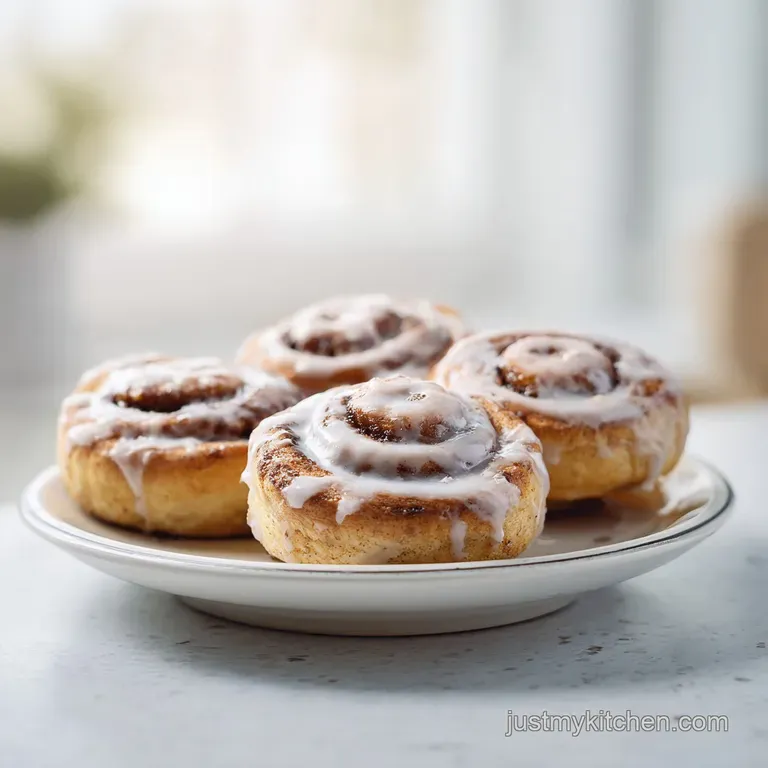
Roll the dough on a floured surface into a large rectangle. Spread the 0.5 cup softened butter, then sprinkle with the dark brown sugar, cinnamon, nutmeg, and walnuts. Roll it tightly into a log. Use dental floss to cut 12 even rolls.
Note: Slide the floss under the log, cross it over the top, and pull quickly for a perfect circle.
Reaching the Perfect Bake
Place the rolls in the 9x13 inch dish and let them rise again for 45-60 minutes. This second rise is crucial for that "shatter soft" texture. Bake at 350°F (175°C) for 25 minutes.
They should be golden brown and the internal temperature should hit 190°F.
Applying the Silky Frosting
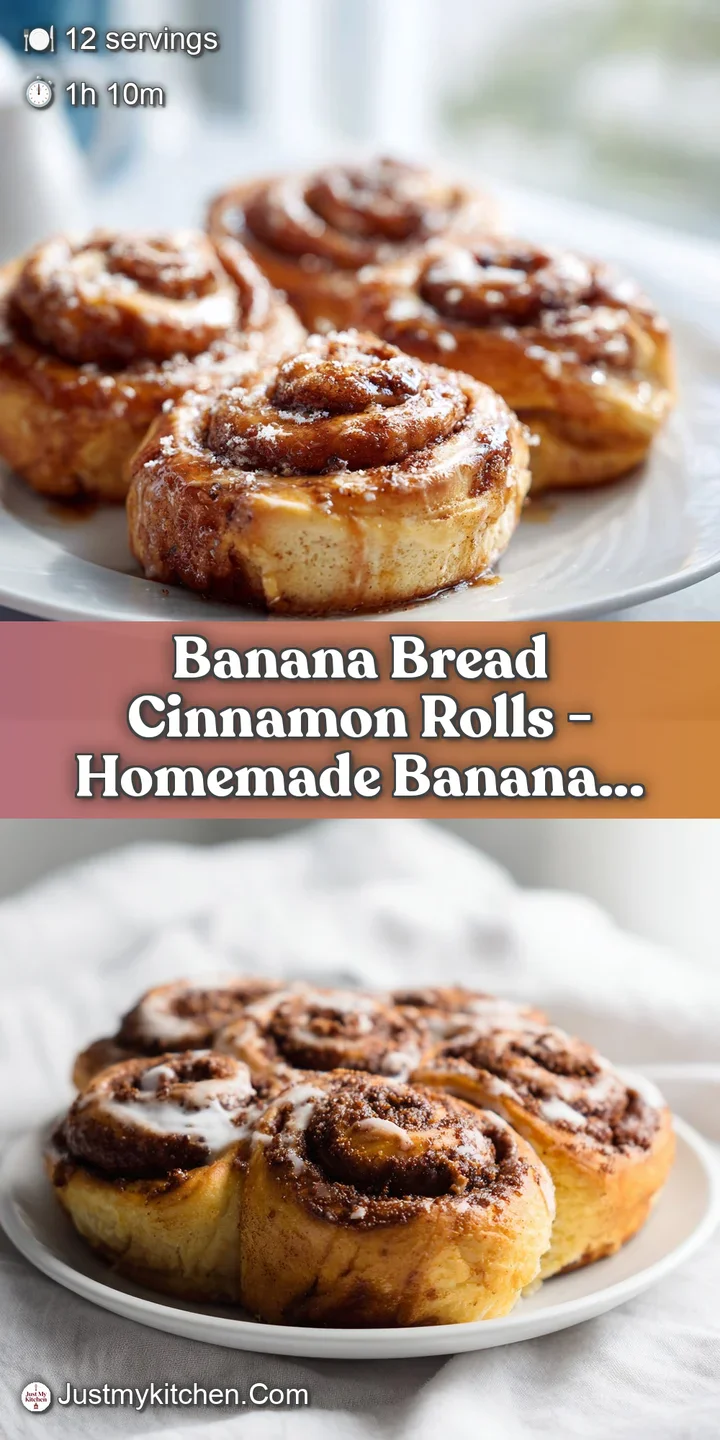
While the rolls are still warm, whisk together the 4 oz cream cheese, 2 tbsp butter, 1.5 cups powdered sugar, vanilla bean paste, and 2 tbsp heavy cream. Spread it generously. The warmth of the rolls will melt the frosting slightly, allowing it to seep into the spirals.
Fixes for Common Baking Errors
Centers Remain Slightly Doughy
If you pull the rolls out and the middle feels like raw dough, it is usually because the oven was too hot, browning the top before the heat could penetrate the center. Use a thermometer next time.
If they are already out and undercooked, you can cover them with foil and pop them back in for 5–8 minutes, but the texture might be slightly tougher.
Yeast Fails the Bloom
If your yeast doesn't foam up after 10 minutes, stop right there. Either the milk was too hot (killing the yeast) or too cold (leaving it dormant), or the yeast is simply expired. It is better to start over with a fresh packet than to waste all that flour and banana on a dough that will never rise.
| Problem | Root Cause | Solution |
|---|---|---|
| Dry Crumb | Too much flour | Use a scale; dough should be tacky, not stiff. |
| Filling Leak | Butter was too melted | Use "room temp" butter that holds its shape. |
| Small Rolls | Short second rise | Let them rise until they are touching and puffy. |
- ✓ Use a kitchen scale for the 200g of banana to ensure moisture balance.
- ✓ Ensure the egg is room temperature so it doesn't seize the melted butter.
- ✓ Don't skip the second rise; it's where the "fluff" is actually created.
- ✓ Toast your walnuts before adding them to the filling for maximum crunch.
- ✓ Use dental floss for cutting to keep the layers distinct and beautiful.
Creative Recipe Variations and Substitutes
If you're looking for a change of pace, try the "Bananas Foster" twist. Swap the walnuts for pecans and add a tablespoon of dark rum to the cream cheese frosting. It adds a sophisticated, caramelized depth that pairs beautifully with the fruit.
For those who can't live without chocolate, adding 0.5 cup of mini chocolate chips to the filling creates a "chocolate chip banana bread" vibe that kids absolutely adore.
If you have family members with different tastes, you can even split the batch. If you enjoy fruity bakes, you might also like the bright flavors in my Raspberry Sweet Rolls, which use a similar enriched dough technique but with a tart berry twist.
| Original Ingredient | Substitute | Why It Works |
|---|---|---|
| Bread Flour | All Purpose Flour | Softens the texture but rolls may be more fragile. |
| Walnuts | Pecans | Provides a sweeter, oilier crunch. |
| Cream Cheese | Greek Yogurt | Adds tang with less fat. Note: Frosting will be thinner. |
Storing and Reheating Fresh Rolls
These rolls are at their absolute peak about 15 minutes after they leave the oven, but they keep surprisingly well thanks to the banana's moisture. Store any leftovers in an airtight container at room temperature for up to 2 days.
For longer storage, keep them in the fridge for up to 5 days, though they will firm up slightly when cold.
To freeze, wrap individual unfrosted rolls in plastic wrap and then foil. They stay fresh for up to 2 months. When you're ready to eat, let them thaw at room temperature and then warm them in the oven at 300°F for 10 minutes.
For a quick zero waste tip: if you have leftover frosting, use it as a dip for apple slices or spread it on a toasted bagel the next morning.
Delicious Serving and Pairing Ideas
These rolls are quite rich, so they benefit from a pairing that offers a bit of contrast. A strong, dark roast coffee or a bitter Earl Grey tea cuts through the sweetness of the cream cheese glaze perfectly.
If you are serving these as part of a larger brunch spread, consider something savory to balance the sugar, like a crispy bacon platter or a simple spinach quiche.
- If you want a decadent dessert, serve a warm roll with a scoop of vanilla bean ice cream.
- If you want a balanced breakfast, pair one roll with a side of fresh berries or grapefruit segments.
- If you want a textural contrast, sprinkle extra toasted walnuts on top of the frosting right before serving.
There is something truly special about taking the time to bake from scratch. It’s a slow process, sure, but the reward is a kitchen that smells like heaven and a tray of rolls that look like they belong in a magazine.
Don't be afraid of the yeast or the tacky dough just take your time, watch for those visual cues, and enjoy the magic of turning brown bananas into a golden, spiraled masterpiece.
Don't forget to check the temperature of your milk; it's the most common pitfall for new bakers. Once you get that yeast foaming, the rest is just a beautiful exercise in patience. Happy baking, and may your kitchen be forever filled with the scent of cinnamon and warm banana!
Searing Heat and Soft Crumb
The myth that you need a steaming hot oven for bread doesn't apply here. A steady 350°F is the sweet spot for enriched doughs. High heat will burn the sugars in the banana before the center sets.
Similarly, "kneading until the dough is dry" is a mistake; this dough should remain slightly sticky to ensure the final product isn't like a brick.
The Myth of Fast Rising
Many people believe that putting dough in a very hot place (like on top of a radiator) makes it better. In reality, a slower rise at a moderate temperature (around 75-80°F) allows the yeast to develop more complex, fruity esters.
A "fast" rise often results in a bread that tastes overly yeasty and lacks the nuanced sweetness of the banana. Trust the process and give it the full time it needs.
Recipe FAQs
Can I use all-purpose flour instead of bread flour?
No, stick to bread flour for the best results. Bread flour has a higher protein content that creates the necessary structure to support the weight of the mashed bananas and heavy filling.
How to ensure the dough rises properly?
Place the bowl in a warm, draft free area for the duration of the 60-90 minute rise. If you enjoyed mastering this specific yeast proofing technique, see how the same principles apply to our Amish Apple Fritter Bread for consistent results.
How to tell if the rolls are finished baking?
Pull them from the oven once they reach a deep golden brown color after 25 minutes at 350°F. They should feel firm to the touch but remain soft and pillowy when gently pressed.
How to prevent the rolls from unraveling while slicing?
Slide a piece of dental floss underneath the dough log and cross the ends over the top to pull through. This method creates a clean cut without squashing the delicate layers like a knife can.
Is it necessary to toast the walnuts before adding them?
Yes, toasting intensifies the nuttiness and provides a superior crunch that contrasts with the soft dough. Be sure to chop them finely so they distribute evenly across the cinnamon sugar filling.
Can I store these in the refrigerator?
Yes, they keep well in the fridge for up to 5 days when stored in an airtight container. Keep in mind that the texture will firm up significantly when cold, so consider warming them briefly before serving.
How to reheat leftovers for that fresh baked texture?
Warm them in an oven set to 300°F until heated through. This temperature gently softens the crumb and warms the glaze without drying out the dough.
Banana Bread Cinnamon Rolls
Ingredients:
Instructions:
Nutrition Facts:
| Calories | 482 kcal |
|---|---|
| Protein | 7.6 g |
| Fat | 21.2 g |
| Carbs | 67.8 g |
| Fiber | 2.4 g |
| Sugar | 38.1 g |
| Sodium | 218 mg |
