Authentic Italian Spaghetti Sauce: Slow-Cooked and Meaty
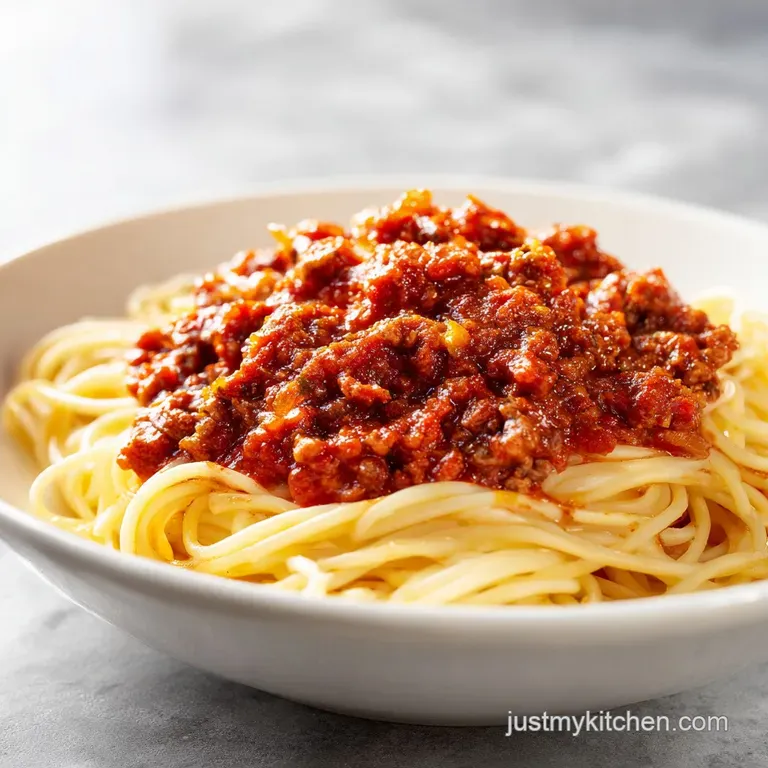
- Time: Active 25 minutes, Passive 240 minutes, Total 265 minutes
- Flavor/Texture Hook: Deeply savory, silky texture with fork tender meat chunks
- Perfect for: Slow Sunday family gatherings or meal prep for a busy week
- The Secret to Italian Spaghetti Sauce
- Timing Your Homemade Sauce
- Selecting the Best Ingredients
- Minimal Tools for Sauce Success
- Steps for a Velvety Finish
- Troubleshooting Your Red Sauce
- Creative Twists on Tradition
- Storing Your Leftover Sauce
- Plating Like a Professional
- Very High in Sodium
- Recipe FAQs
- 📝 Recipe Card
The Secret to Italian Spaghetti Sauce
Forget every recipe that tells you to toss twenty different dried herbs into a pot and call it a day. Most people think the secret to a grandmother's 130 year old Italian spaghetti sauce is some hidden spice blend found only in a dusty Mediterranean village.
I spent years trying to mimic that flavor with pinches of this and that, but the truth is much simpler and honestly more relaxing. The real magic isn't in what you add from a jar, it's about the interaction between heat, fat, and time.
When you hear that first heavy sizzle of the beef hitting the hot oil, you're not just cooking meat, you're creating the very foundation of the sauce.
The aroma that fills your kitchen after about two hours of simmering is something you simply cannot rush. It is a thick, heady scent of wine reducing and tomatoes softening into something unrecognizable from their canned state. You don't need a pantry full of "Italian Seasoning" packets.
You need a heavy pot, a bit of patience, and the willingness to let the ingredients talk to each other. This is an old Italian spaghetti sauce style that values the integrity of the meat and the natural sugars in a carrot over artificial flavorings.
We are going for a texture that is nearly velvety, where the acidity of the tomatoes has been tamed not by cups of white sugar, but by the long, slow caramelization of onions and celery.
It’s the kind of meal that makes you want to drag a piece of crusty bread across the bottom of the pot before it even hits the table. Trust me, once you see how the oil separates into those beautiful little orange droplets on the surface, you'll know you’ve hit the jackpot.
Timing Your Homemade Sauce
Building a sauce this complex requires a bit of a roadmap so you aren't guessing when the meat is tender or when the flavors have peaked. Using the right method for your schedule makes the difference between a thin soup and a rich, traditional Italian spaghetti sauce.
| Feature | Fresh Meat Method | Shortcut Pre Cooked | Impact on Flavor |
|---|---|---|---|
| Meat Texture | Meltingly tender chunks | Chewier, firmer pieces | Fresh searing creates deeper umami notes |
| Sauce Body | Thick and naturally emulsified | Thinner, requires thickeners | Long simmer releases natural gelatin |
| Aromatic Depth | Layered and complex | One dimensional | Wine and soffritto need time to meld |
How the Long Simmer Works
Connective Tissue Breakdown: The long 4 hours cook time at a low temperature allows the tough collagen in the beef chuck and pork shoulder to dissolve into gelatin. This process is what gives the sauce its incredible mouthfeel and body without needing to add flour or cornstarch.
Selecting the Best Ingredients
The quality of your components dictates the final result of this Italian spaghetti sauce. We are looking for high fat cuts of meat that can withstand a long braise without turning into dry strings. The beef chuck and pork shoulder provide the bulk, while the spicy Italian sausage adds that necessary kick and fat.
- 450g beef chuck: Cut these into large 2 inch chunks. Why this? High collagen content melts into the sauce for a silky texture.
- 450g pork shoulder: Use bone in ribs if you can find them. Why this? Pork fat adds a sweetness and richness that beef alone lacks.
- 225g Italian spicy sausage: Remove the casings before cooking. Why this? It provides instant seasoning and a layer of spicy oil.
- 56 oz San Marzano tomatoes: Use two 28 oz cans of whole peeled ones. Why this? These are less acidic and have fewer seeds than standard tomatoes.
- 250ml dry red wine: Something like a Chianti or Cabernet. Why this? The acidity helps cut through the heavy fats of the meat.
- 6 oz tomato paste: Look for double concentrated in a tube. Why this? It provides a deep, brick red color and concentrated savory notes.
Component Analysis
| Ingredient | Science Role | Pro Secret |
|---|---|---|
| Yellow Onions | Natural sweetener | Mince them tiny so they disappear into the sauce |
| Grated Carrots | Acid balancer | Grating them ensures they dissolve and release sugar |
| Beef Bone Broth | Liquid foundation | Use bone broth over standard stock for extra gelatin |
| Fresh Basil | Volatile aromatics | Add at the very end to keep the oils from burning |
For the best results, you want to make sure your vegetables are prepped evenly. If you have extra herbs leftover, they go great in an Authentic Italian Salsa Verde for another night.
Minimal Tools for Sauce Success
You don't need a kitchen full of gadgets for a 130 year old Italian spaghetti sauce recipe. In fact, using too many tools just makes for more cleanup. A single 7-8 quart Dutch oven is your best friend here because it holds heat evenly and has enough surface area to sear the meat properly.
A heavy bottom is non negotiable; thin pots will cause the sugars in the tomatoes to scorch over the 4 hours simmer.
You'll also need a solid wooden spoon for deglazing. Those browned bits stuck to the bottom of the pot are pure gold, and a wooden spoon is sturdy enough to scrape them up without scratching your cookware.
A box grater for the carrots and a sharp chef's knife for the "soffritto" (the onion and celery mix) are the only other essentials. If you're feeling fancy, you can use a kitchen twine to tie your herb stems together, but torn leaves work just as well for a rustic feel.
Steps for a Velvety Finish
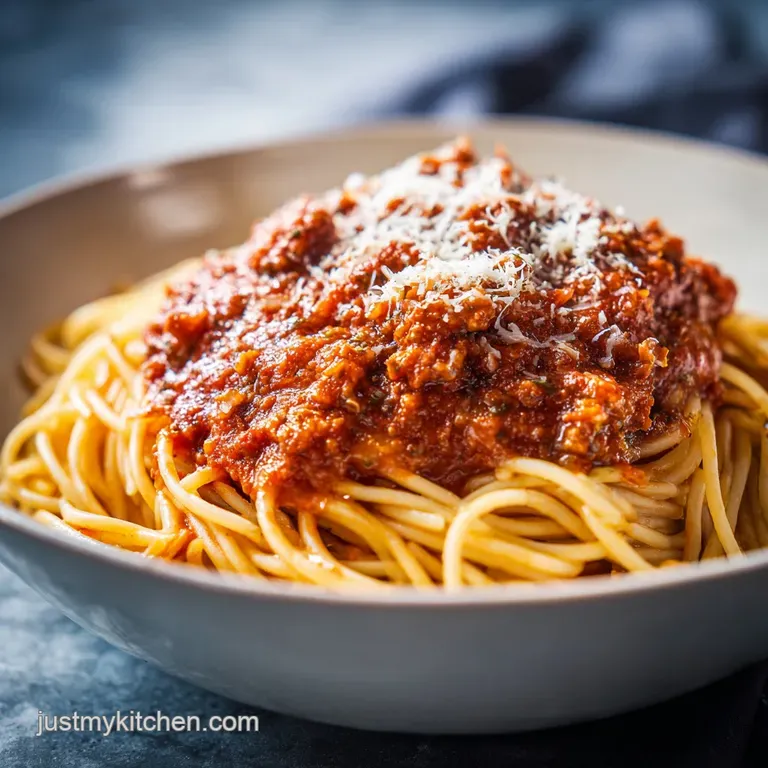
- Heat 2 tbsp extra virgin olive oil in a 7-8 quart Dutch oven over medium high heat. Pat the 450g beef chuck and 450g pork shoulder completely dry with paper towels. Note: Dry meat sears; wet meat steams.
- Sear the meat chunks in batches until a dark brown crust (fond) forms on all sides. Remove the meat and set it aside, but keep that rendered fat in the pot.
- Lower the heat to medium and add the 2 minced onions, 2 grated carrots, and 2 minced celery stalks. Sauté slowly for 10-15 minutes until they are caramelized and soft.
- Add half of the minced garlic and the 6 oz tomato paste. Stir constantly for 2-3 minutes until the paste darkens to a brick red color.
- Pour in the 250ml red wine to deglaze, scraping every single brown bit off the bottom with your wooden spoon.
- Add the hand crushed San Marzano tomatoes, 500ml beef bone broth, 1 tsp oregano, and 2 bay leaves. Return the seared meats to the pot.
- Bring the mixture to a gentle boil, then reduce heat to the lowest possible setting. Simmer partially covered for 4 hours, stirring occasionally until the meat is tender.
- In the final 30 minutes, stir in the remaining minced garlic, 1 bunch torn basil, and 0.5 tsp red pepper flakes.
- Remove the large meat chunks from the pot. Season the sauce with sea salt and cracked black pepper until the flavors pop.
Chef's Tip: If the sauce looks too thick during the simmer, add a splash of water. If it’s too thin, remove the lid entirely for the last hour to let the liquid evaporate.
Troubleshooting Your Red Sauce
Even the best homemade Italian spaghetti sauce can hit a snag. The most common issue is bitterness, which usually comes from burning the garlic or the tomato paste. If you notice a bitter aftertaste, don't panic. You can often balance it out with a tiny pinch of salt or a little more cooked down carrot.
Why Your Sauce Is Bitter
If the heat was too high when you added the tomato paste, it can scorch. Tomato paste should turn a dark brick red, but if it goes black, it will ruin the flavor. Always keep the paste moving with your spoon.
| Problem | Root Cause | Solution |
|---|---|---|
| Greasy Surface | High fat content in sausage | Skim the orange oil with a wide spoon |
| Sauce is Watery | Lid was on too tight | Simmer uncovered for 30 minutes to reduce |
| Meat is Tough | Temperature was too high | Lower heat and simmer for another 45 minutes |
Common Mistakes Checklist
- ✓ Always pat the meat dry before searing to get a proper crust.
- ✓ Don't skip the deglazing step; the wine lifts the flavor from the pot bottom.
- ✓ Never boil the sauce hard; a gentle "smile" (tiny bubbles) is all you need.
- ✓ Keep the lid partially ajar to allow steam to escape while retaining heat.
- ✓ Wait until the end to add fresh basil so the flavor stays bright.
If you find yourself with extra spinach or greens, they are a great way to add nutrition to a side dish like a Cheesy Spinach Bake while the sauce finishes its long simmer.
Creative Twists on Tradition
While this traditional Italian spaghetti sauce is a meal on its own, you can easily adapt it for different dietary needs or pantry situations. If you want a thicker, "Bolognese" style, you can finely chop all the meat after it has cooked and stir it back into the sauce.
This creates a uniform, hearty texture that clings beautifully to wider noodles like pappardelle.
| Original Ingredient | Substitute | Why It Works |
|---|---|---|
| Red Wine | Beef Broth + 1 tsp Vinegar | Provides acidity without the alcohol content |
| Beef Chuck | Whole Portobello Mushrooms | Adds a meaty texture for a vegetarian ish base. Note: Reduce cook time to 1 hour |
| Spicy Sausage | Ground Turkey + Smoked Paprika | Lowers the fat while keeping a smoky depth |
If you are cooking for a larger crowd, you can easily double this recipe. Just be sure to use a massive stockpot and increase the salt and spices to only 1.5x the original amount. Liquid levels should be monitored closely; you may need to reduce the bone broth by about 10% when doubling to ensure the sauce doesn't become too thin.
Storing Your Leftover Sauce
This sauce actually tastes better the next day. As it sits in the fridge, the fats and aromatics continue to meld. You can store this in an airtight container in the refrigerator for up to 4 days.
If you notice the sauce has thickened significantly in the fridge, just add a tablespoon of water or pasta water when reheating.
For the zero waste cooks out there, don't throw away your Parmesan rinds! Tossing a rind into the pot during the 4 hours simmer adds a salty, nutty depth that is incredible.
Also, any leftover meat chunks that aren't eaten with the pasta make for a killer sandwich the next day just shred the beef and pork onto a hoagie roll with some melted provolone.
To freeze, let the sauce cool completely to room temperature. Transfer it to freezer safe bags, squeeze out all the air, and lay them flat. This saves space and allows the sauce to thaw much faster. It will stay fresh in the freezer for up to 3 months.
When you're ready to eat, thaw it overnight in the fridge and reheat it slowly on the stovetop.
Plating Like a Professional
The way you serve this thick Italian spaghetti sauce with meat is just as important as how you cook it. Never just dump a ladle of sauce on top of plain white pasta. That’s a cardinal sin in an Italian kitchen!
Instead, take your al dente pasta and toss it directly into a separate pan with a few scoops of the sauce and a splash of starchy pasta water. This helps the sauce "marry" to the noodles, ensuring every bite is perfectly coated.
The Final Garnish
Finish the plate with a generous grating of Pecorino Romano or Parmigiano Reggiano. A final drizzle of high-quality extra virgin olive oil and a few more torn basil leaves will provide a fresh contrast to the deep, slow cooked flavors.
If you like a bit of crunch, toasted breadcrumbs with a little garlic and lemon zest can add a sophisticated texture that mimics the "shatter" of a perfect crust.
The beauty of a thick Italian spaghetti sauce with meat is its versatility. You can serve it over rigatoni, layer it into a lasagna, or even serve the large chunks of meat as a "secondo" (second course) with a side of polenta.
However you choose to enjoy it, remember that the best ingredient in the pot was the time you gave it to become great. Right then, let's crack on and get that pot simmering!
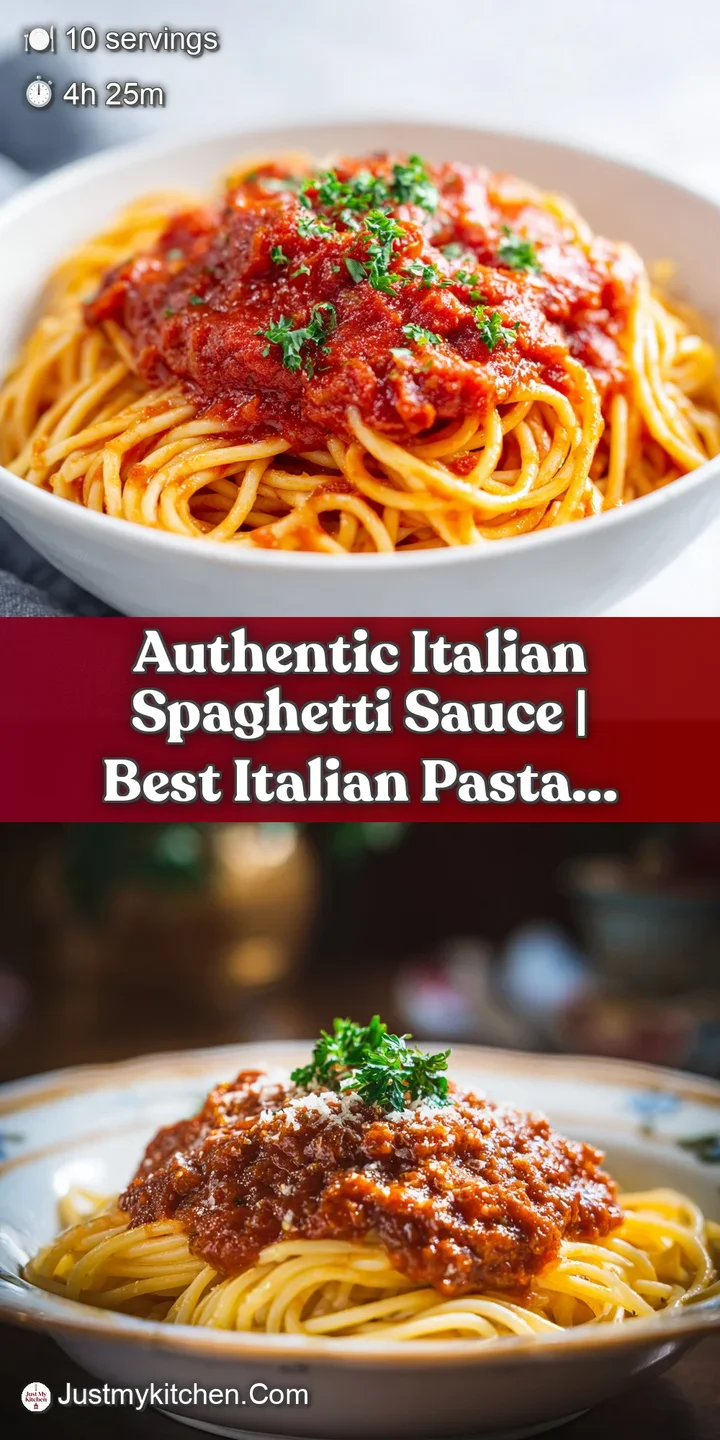
Very High in Sodium
845 mg 845 mg of sodium per serving (37% 37% of daily value)
The American Heart Association recommends limiting sodium intake to no more than 2,300mg per day, with an ideal limit of less than 1,500mg for most adults.
Tips to Reduce Sodium
-
Choose Low-Sodium Broth and Sausage-30%
Opt for low-sodium beef bone broth and look for low-sodium Italian spicy sausage. This is a significant source of hidden sodium.
-
Control Added Salt-25%
Significantly reduce or omit added sea salt during cooking. You can adjust at the table if absolutely necessary, but start with much less.
-
Select No-Salt Added Tomatoes-20%
When crushing the whole peeled San Marzano tomatoes, choose no-salt added varieties to drastically cut down on sodium from canned goods.
-
Boost Flavor with Herbs and Spices
Amplify the taste using generous amounts of fresh basil, dried oregano, red pepper flakes, and freshly cracked black pepper. Garlic also adds a lot of flavor.
-
Enhance Veggie Flavor-5%
Finely mince your onions, carrots, and celery to release their natural sweetness and savory notes, contributing to overall flavor without salt.
Recipe FAQs
What is the one ingredient that makes spaghetti sauce so much better?
San Marzano tomatoes are the secret. Their natural low acidity and sweet, intense flavor profile provide the essential foundation for a rich, authentic sauce compared to standard canned varieties.
Can you use 3 year old pasta sauce?
No, discard it immediately. Even if stored in an airtight container, home canned or refrigerated sauce will not remain safe to eat for three years and poses a significant risk of foodborne illness.
What are the traditional Italian pasta sauces?
Traditional sauces prioritize simple, high-quality ingredients like tomatoes, basil, and garlic. While regional varieties differ, the focus remains on slow cooked bases; if you enjoyed building flavor with caramelized aromatics here, see how we apply similar techniques in our lobster ravioli sauce.
Do authentic Italians put sugar in their spaghetti sauce?
No, this is a common misconception. Authentic sauces rely on the natural sweetness of high-quality tomatoes and slow caramelized carrots to balance acidity rather than adding processed sugar.
How to fix bitter sauce?
Adjust the flavor by adding a tiny pinch of salt or more finely grated carrot. If the bitterness persists, ensure you are not burning the tomato paste or garlic during the initial sauté stages.
How to ensure the meat stays tender?
Simmer the meat chunks on the lowest heat setting for 4 to 6 hours. This long, gentle cooking process allows the collagen in the beef chuck and pork shoulder to break down, resulting in a melt-in-your mouth texture.
How to properly sear the meat?
Pat the meat completely dry with paper towels before hitting the pan. Moisture prevents browning, so ensure your Dutch oven is at medium high heat to achieve a dark, flavorful crust (fond) on all sides of the beef and pork.
Authentic Italian Spaghetti Sauce
Ingredients:
Instructions:
Nutrition Facts:
| Calories | 408 kcal |
|---|---|
| Protein | 26.5 g |
| Fat | 21.4 g |
| Carbs | 16.8 g |
| Fiber | 3.9 g |
| Sugar | 8.2 g |
| Sodium | 845 mg |
