One Pot Chicken Fajita Pasta: Velvety & Vibrant
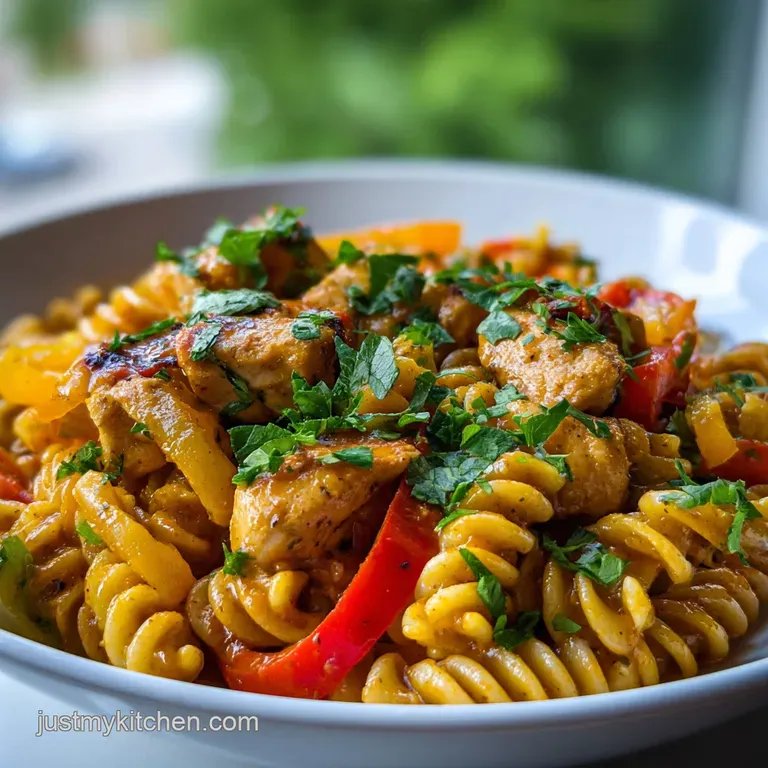
- Time: Active 10 minutes, Passive 20 minutes, Total 30 minutes
- Flavor/Texture Hook: Zesty, velvety, and vibrant
- Perfect for: Busy weeknight family dinners
- Making the Best One Pot Chicken Fajita Pasta
- The Science Behind One Pot Success
- Essential Specs for Success
- Choosing the Right Components
- Must Have Kitchen Tools
- Step-By-Step Cooking Guide
- Fixing Common Pasta Problems
- Adjusting Portions for Crowds or Quiet Nights
- Clarifying Popular Misconceptions About One Pot Cooking
- Maximizing Freshness and Reducing Kitchen Waste
- Tasty Sides to Serve
- High in Sodium
- Recipe FAQs
- 📝 Recipe Card
Making the Best One Pot Chicken Fajita Pasta
The moment that 1 lb of sliced chicken hits the hot skillet, the kitchen fills with a sharp, smoky sizzle that tells you dinner is going to be good. I remember the first time I tried this; I was skeptical that uncooked penne would actually soften in a pan with peppers and onions without becoming a gummy mess.
I stood over the stove, spatula in hand, watching the liquid bubble and thicken, fearing I’d just wasted a whole bell pepper harvest.
But then, the aroma of toasted cumin and smoked paprika took over, and as I stirred in that final cup of Monterey Jack, the sauce transformed into a velvety glaze that hugged every tube of pasta. It wasn't just a meal; it was a revelation of how much flavor you can build in a single pot.
No boiling separate water, no straining, and most importantly, only one heavy pan to scrub at the end of the night.
We’ve all had those "dump and bake" meals that turn out bland or soggy, but this isn't one of them. This recipe relies on a specific sequence of searing and simmering to ensure the chicken stays juicy while the peppers retain a slight, snappy bite.
You’re going to love how the lime juice cuts through the richness of the cheese right at the end, making every forkful taste bright and balanced.
The Science Behind One Pot Success
Starch Gelatinization: Cooking the 8 oz of penne directly in the broth allows the pasta to release its starches into the liquid, creating a natural thickener that forms a silky, emulsified sauce.
Maillard Reaction Control: Searing the chicken strips first at high heat creates browned surface compounds that provide deep, savory notes which would be lost if the meat was merely boiled.
Acidic Balancing: The citric acid in the 10 oz can of diced tomatoes and green chilies breaks down tough fibers in the chicken while preventing the Monterey Jack from becoming excessively oily.
Carryover Thermodynamics: Adding the cheese and milk at the very end utilizes the residual heat of the pasta to melt the fats gently, preventing the proteins from seizing or graining.
| Method | Total Time | Texture | Best For |
|---|---|---|---|
| Stovetop | 30 minutes | Al dente pasta, snappy peppers | Quick weeknight dinners |
| Slow Cooker | 4 hours | Soft, infused flavors | Hands off weekend prep |
| Dutch Oven | 35 minutes | Deeply caramelized aromatics | Maximum flavor depth |
Building a meal like this is similar to the technique used in my Sausage and Orzo recipe, where the liquid to grain ratio is the secret to that perfect consistency. You want enough liquid to hydrate the pasta but not so much that you end up with soup.
Essential Specs for Success
| Ingredient | Science Role | Pro Secret |
|---|---|---|
| 8 oz Penne Pasta | Primary starch source | Use "ridged" penne to help the sauce cling to the exterior surface. |
| 1/2 cup Whole Milk | Fat emulsifier | Room temperature milk prevents the sauce from breaking when hitting the heat. |
| 10 oz Diced Tomatoes | Flavor & Acidity | Don't drain the can; those juices are essential for the pasta's hydration. |
Choosing the Right Components
- 1 lb Chicken Breasts: Sliced into 1/2 inch strips. Sub: Chicken thighs for more fat and moisture.Why this? Lean protein that cooks quickly and absorbs the spice blend effectively.
- 3 Bell Peppers: A mix of red, green, and orange. Sub: Sliced poblano peppers for a mild, earthy heat.Why this? Provides essential sweetness and a vibrant visual contrast to the pasta.
- 1 Yellow Onion: Thinly sliced. Sub: Red onion for a sharper, more pungent bite.Why this? Provides the aromatic base and natural sugars for caramelization.
- 3 cloves Garlic: Minced. Sub: 1 tsp garlic powder in a pinch.Why this? Adds a savory depth that rounds out the bold fajita spices.
- 8 oz Penne Pasta: Dry. Sub: Rotini or Bowtie pasta.Why this? Sturdy shape that holds up well during the one pot simmering process.
- 2 cups Chicken Broth: Low sodium. Sub: Vegetable broth or water with a bouillon cube.Why this? The primary cooking liquid that infuses the pasta with savory flavor.
- 1/2 cup Whole Milk: For creaminess. Sub: Heavy cream for a richer, more indulgent sauce.Why this? Adds a velvety texture without making the dish feel overly heavy.
- 1 can Diced Tomatoes: With green chilies. Sub: Plain diced tomatoes plus a small can of diced jalapeños.Why this? Adds moisture, acidity, and a subtle hum of heat.
- The Spice Blend: Chili powder (1 tbsp), Cumin (1 tsp), Smoked Paprika (1 tsp), Garlic Powder (1/2 tsp), Onion Powder (1/2 tsp). Sub: 2 tbsp of a pre packaged fajita seasoning.Why this? Creates that authentic "fajita" flavor profile from scratch.
- 1 cup Monterey Jack: Shredded. Sub: Pepper Jack for an extra spicy kick.Why this? A high melting cheese that creates a smooth, stretchy finish.
Chef's Tip: Freeze your Monterey Jack cheese for 10 minutes before grating it. This makes the block firmer and prevents it from clumping into a ball as you shred it, ensuring a more even melt into your pasta.
Must Have Kitchen Tools
For the Protein & Produce
You'll need a sharp chef's knife and a large cutting board. I recommend slicing the chicken first, then cleaning the board thoroughly before moving on to the peppers and onions. If you want to save time, use a mandoline for the onions to get those paper thin strips that melt into the sauce.
For the Pasta & Liquid
The hero of this dish is a large, deep skillet or a 12 inch cast iron pan. You need something with high sides to hold the 2 cups of broth and the 8 oz of pasta without splashing. A tight fitting lid is non negotiable, as it traps the steam required to cook the penne evenly.
For the Finishing Touches
A sturdy wooden spoon is best for scraping up the browned bits (the fond) from the bottom of the pan after searing the chicken. You'll also want a citrus juicer to get every drop of brightness out of that lime at the end.
step-by-step Cooking Guide
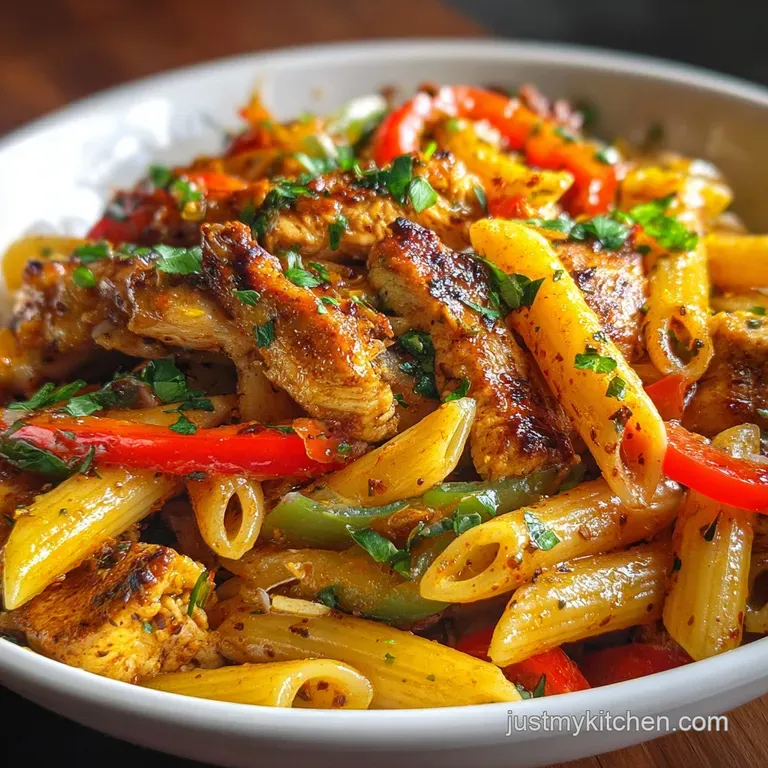
1. Searing the Protein
Pat the 1 lb of sliced chicken dry with paper towels. Toss the strips with half of the spice blend (chili powder, cumin, paprika, etc.) and a pinch of salt. Heat a tablespoon of oil in your large skillet over medium high heat.
Add the chicken in a single layer and sear for 3 minutes until golden and slightly charred. Remove the chicken from the pan and set it aside; it doesn't need to be fully cooked yet.
2. Sautéing the Aromatics
In the same pan, add the sliced onion and three bell peppers. Sauté for 4 minutes until the edges are softened and slightly browned. Add the minced garlic and cook for 1 minute until the aroma is fragrant and pungent.
Note: Scraping the bottom of the pan now releases all that flavor from the chicken sear.
3. Simmering the Pasta
Pour in the 2 cups of chicken broth, the 10 oz can of tomatoes (with juices), and the remaining spices. Stir in the 8 oz of dry penne. Bring the mixture to a rolling boil, then immediately reduce the heat to low. Cover the pan with a tight lid.
4. Emulsifying the Sauce
Simmer for 12 to 15 minutes until the pasta is tender and most liquid is absorbed. Stir the pot halfway through to ensure the penne isn't sticking to the bottom. Once the pasta is al dente, stir in the 1/2 cup of milk and return the cooked chicken to the pan.
5. The Melty Finish
Turn off the heat. Sprinkle the 1 cup of Monterey Jack cheese over the top and stir gently until the cheese is completely melted and the sauce is velvety. Finish with a generous squeeze of fresh lime juice and a handful of chopped cilantro. Serve immediately while the cheese is at its stretchiest.
Fixing Common Pasta Problems
Preventing Scorched Bottoms
Because one pot pasta recipes involve starches sitting in a small amount of liquid, they can easily catch on the bottom of the pan. If you smell even a hint of burning, immediately reduce the heat to the lowest setting and add 1/4 cup of extra broth or water to loosen the mixture.
Managing Liquid Ratios
Sometimes, due to the humidity in your kitchen or the specific brand of pasta, the 2 cups of broth might disappear before the penne is soft. Don't panic. Keep a kettle of hot water or extra broth nearby. If the pan looks dry but the pasta is still crunchy, add liquid 1/4 cup at a time.
| Problem | Root Cause | Solution |
|---|---|---|
| Gummy Pasta | Too much stirring or overcooking | Stir only once halfway through; check doneness 2 mins early. |
| Thin, Watery Sauce | Not enough starch release or too much broth | Remove lid for the last 3 mins of cooking to allow evaporation. |
| Bland Flavor | Lack of salt or un bloomed spices | Season the chicken directly before searing to build layers. |
Common Mistakes Checklist
- ✓ Never drain the canned tomatoes; the juice is a vital part of the cooking liquid.
- ✓ Don't skip searing the chicken; the browned bits are essential for the sauce's flavor.
- ✓ Avoid using low-fat or skim milk, as it's more likely to curdle under heat.
- ✓ Ensure the lid is tight fitting; escaping steam leads to unevenly cooked pasta.
- ✓ Let the dish sit for 2 minutes after adding the cheese to allow the sauce to set.
This technique of simmering everything in one vessel is very effective, much like the process for my One Pan Garlic recipe, where the moisture level dictates the final texture.
Adjusting Portions for Crowds or Quiet Nights
When you want to cut this recipe in half (for 2 people), use a smaller 10 inch skillet. You can use a single large bell pepper (mix the colors if possible) and reduce the cook time for the pasta by about 2 minutes, as the smaller volume heats up more quickly.
If the recipe calls for half an egg (which this one doesn't, thankfully!), you'd beat it and measure. Here, just use a small onion and half the can of tomatoes.
For doubling the recipe (8 servings), you absolutely must use two separate pots or one very large 6 quart Dutch oven. If you crowd a standard skillet with 2 lbs of chicken and 16 oz of pasta, the chicken will steam instead of sear, and the pasta on the bottom will turn to mush while the top stays hard.
Scale the spices to 1.5x rather than a full 2x to start, then taste and adjust; spices can become overwhelming when doubled exactly.
Clarifying Popular Misconceptions About One Pot Cooking
A frequent myth is that "one pot pasta is always soggy." This only happens if you use too much liquid or keep the lid on for too long after the pasta is done. If you follow the ratio of 2 cups of broth to 8 oz of pasta, the liquid should be almost entirely gone by the time the penne is al dente.
Another misconception is that you can't get a good sear in a one pot meal. People think because liquid is added later, the sear doesn't matter. In reality, the "fond" (those browned bits) left behind by the chicken is what gives the sauce its professional, deep flavor profile.
Searing is the most important step for avoiding a "boiled" taste.
Maximizing Freshness and Reducing Kitchen Waste
Storage: Store leftovers in an airtight container in the fridge for up to 3 days. The pasta will continue to absorb the sauce as it sits, so when you reheat it, add a splash of milk or broth to bring back that velvety consistency.
Freezing: You can freeze this dish for up to 2 months, though the peppers will lose their snap. To reheat, thaw overnight in the fridge and warm it slowly on the stovetop.
Zero Waste: Don't throw away your cilantro stems! Finely mince them and sauté them along with the onions and garlic for an extra punch of flavor. If you have leftover bell pepper scraps, toss them into a freezer bag for your next batch of homemade vegetable stock.
Tasty Sides to Serve
While this pasta is a complete meal on its own, it pairs beautifully with a simple side that offers a different texture. A crisp green salad with a lime vinaigrette helps cut through the creamy Monterey Jack sauce.
If you want something heartier, a side of garlic bread with a sprinkle of cumin can be a fun "fusion" twist.
If you are looking for other quick weeknight inspirations, this meal sits perfectly alongside my One Pan Mediterranean recipe, which also focuses on high impact flavor with minimal cleanup. The goal is always to spend less time at the sink and more time enjoying the vibrant, smoky flavors of a home cooked feast.
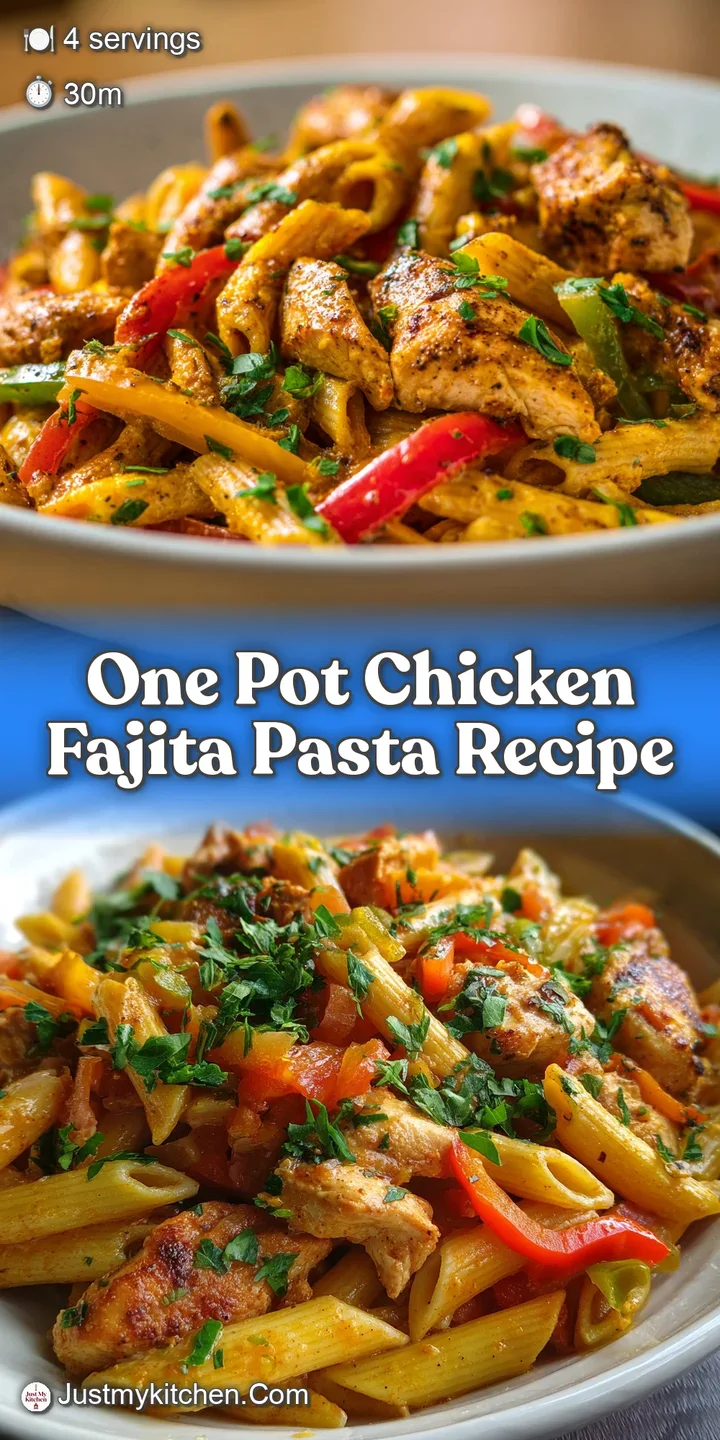
High in Sodium
875 mg mg of sodium per serving (38% % of daily value)
The American Heart Association recommends limiting sodium intake to no more than 2,300mg per day for most adults. Consider consulting your doctor about your specific needs.
Tips to Reduce Sodium in Your Chicken Pasta
-
Broth Swap-30%
Replace the 2 cups of low-sodium chicken broth with no-sodium chicken broth. This simple switch can significantly lower the sodium content.
-
Tomato Choice-20%
Opt for a no-salt added version of diced tomatoes (without green chilies). Alternatively, use fresh diced tomatoes for a more flavorful and sodium conscious choice. Drain any excess liquid, if canned.
-
Cheese Wisely-15%
Reduce the amount of shredded Monterey Jack cheese by half or choose a low-sodium cheese option, such as Swiss or mozzarella, to lower the overall sodium content.
-
Salt Control-25%
Reduce the added kosher salt by half (use only 1/2 tsp), or eliminate it completely and adjust to taste after cooking. Remember you can always add, but you can't take away!
-
Spice It Up!
Instead of relying on salt for flavor, experiment with a wider variety of sodium free herbs and spices. Consider adding a pinch of cayenne pepper or a dash of oregano to enhance the taste.
Recipe FAQs
Can I substitute chicken thighs for breasts in this one pot recipe?
Yes, absolutely. Chicken thighs offer more fat and moisture, which helps keep them from drying out during the simmering phase. If you prefer richer flavor, consider using them instead of the standard breast meat.
How to prevent the pasta from turning mushy while simmering in the sauce?
Reduce the heat to low immediately after the boil. The key is gentle simmering, not a rapid boil, to allow the starch to hydrate slowly. Check for doneness about 2 minutes before the specified time.
Is it true that I must use dry pasta, or can I use fresh pasta?
No, stick with dry pasta. Fresh pasta cooks too quickly and releases too much starch instantly, turning your sauce into an unusable paste instead of a velvety sauce.
What is the best way to add more heat to the fajita seasoning blend?
Use a pinch of cayenne pepper or a splash of your favorite hot sauce. When you are searing the chicken, try coating it in a very light coating of chipotle powder, which adds smoky depth as well as heat, similar to the flavor balancing technique we use in the Turkey Taco Lettuce Wraps in 20 Minutes.
How do I adjust the liquid if my pasta is still hard after 15 minutes?
Add extra hot broth or water, 1/4 cup at a time. Because the starches are actively thickening the liquid, you need to replace the evaporated moisture for the pasta to finish cooking evenly.
What vegetable side dish pairs best with this creamy, spicy pasta?
Something light and green to contrast the richness. Roasted asparagus or simple steamed green beans work well, but for speed, try my quick recipe for Air Fryer Garlic Parmesan Broccoli in 13 Minutes, as the slight char complements the smoky chicken.
Can I use a non-dairy milk substitute when finishing the sauce?
Yes, but choose carefully for best results. Unsweetened soy or oat milk works best because they have a neutral flavor and enough fat content to help emulsify the cheese. Avoid almond milk, as its thinner consistency may result in a watery finish.
One Pot Chicken Fajita Pasta
Ingredients:
Instructions:
Nutrition Facts:
| Calories | 635 kcal |
|---|---|
| Protein | 53 g |
| Fat | 18 g |
| Carbs | 62 g |
| Fiber | 4 g |
| Sugar | 8 g |
| Sodium | 875 mg |
