Halibut Lemon Caper Sauce: Restaurant Quality
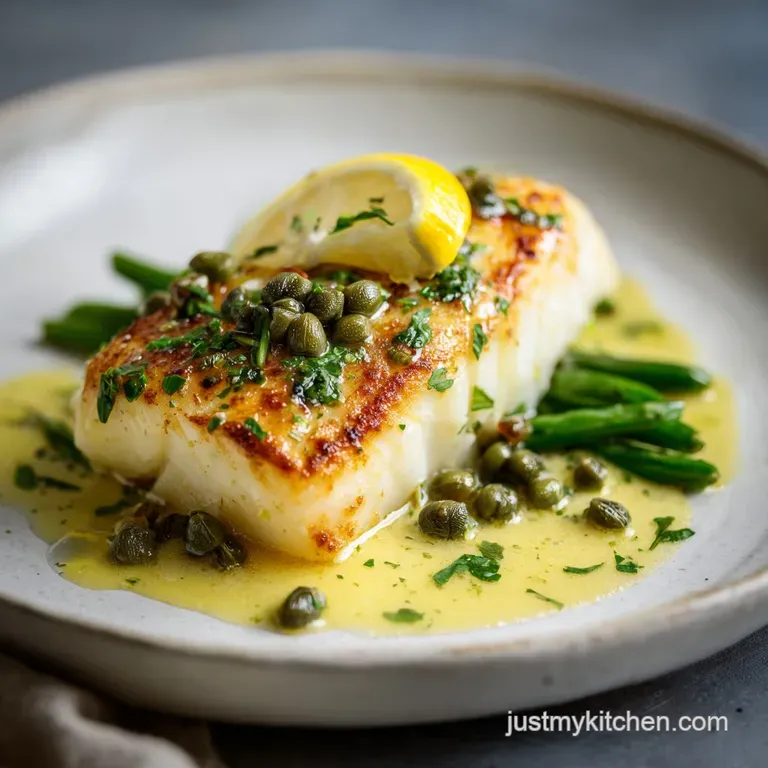
- Time: Active 10 minutes, Passive 10 minutes, Total 20 minutes
- Flavor/Texture Hook: A shatter crisp crust meets a velvety, tangy butter sauce
- Perfect for: Busy weeknights where you want something fancy without the fuss
- Mastering My Favorite Halibut Lemon Caper Sauce
- The Physics of the Golden Sear
- Precise Timing for Flaky Results
- Simple Tools for a Better Meal
- Step-by-Step Method for Flawless Fish
- Fixing Common Mistakes and Errors
- Easy Variations for Busy Families
- Storage Guidelines and Reheating Tips
- Best Sides for This Meal
- High in Sodium
- Recipe FAQs
- 📝 Recipe Card
Mastering My Favorite Halibut Lemon Caper Sauce
Have you ever sat in a dimly lit bistro, paid a small fortune for a piece of white fish, and wondered how on earth they got the outside so crisp while the inside stays like butter? I used to think there was some secret industrial heater involved.
Then, about five years ago, I spent a rainy Tuesday trying to recreate that magic in my own cramped kitchen. I ruined two beautiful fillets by being too timid with the heat, resulting in a soggy, grey mess that looked more like cafeteria food than a bistro classic.
But then, the third try changed everything. I let the pan get hot really hot. I heard that first aggressive sizzle and resisted the urge to poke at it. When I finally flipped it, the crust was a deep, mahogany gold.
I swirled in some cold butter and lemon, and honestly, I haven't ordered fish at a restaurant since. It's just too easy to do better at home once you stop being afraid of the flame.
We're going to walk through this together so you don't have to make my early mistakes. This dish is about the contrast between the salt crusted fish and the sharp, briny pop of the capers.
It’s elegant enough for a date but fast enough for a Tuesday when the kids are hungry and you've got exactly twenty minutes before someone starts complaining. Trust me, once you see those white flakes pull apart under your fork, you'll be hooked.
The Physics of the Golden Sear
The Maillard Reaction: High surface heat transforms the fish proteins and sugars into a complex, savory crust that provides a structural "shatter" when bitten.
Fat Emulsification: Whisking cold butter into a warm acidic liquid creates a velvety suspension where fat droplets stay trapped, giving the sauce a rich mouthfeel without becoming greasy.
| Thickness | Internal Temp | Rest Time | Visual Cue |
|---|---|---|---|
| 1.5 cm | 52°C | 2 mins | Opaque and firm to touch |
| 2.5 cm | 54°C | 3 mins | Flakes easily with a fork |
| 3.5 cm | 54°C | 5 mins | Slight resistance in center |
When you're working with a lean protein like halibut, timing is everything. Because it doesn't have the high fat content of salmon, it can go from perfect to parched in about sixty seconds.
That’s why we use the "carryover" method, pulling the fish just before it's fully done and letting the internal heat finish the job while we build that bright, tangy sauce in the same pan.
| Component | Science Role | Pro Secret |
|---|---|---|
| Halibut (170g fillets) | Main Protein | Pat it dry with paper towels until it’s bone dry to ensure a proper sear. |
| Dry White Wine (60ml) | Deglazing Agent | The acidity dissolves the "fond" (brown bits) from the pan into the sauce. |
| Cold Butter (28g) | Emulsifier | Must be cold from the fridge to melt slowly and create a creamy, stable texture. |
This technique is actually very similar to how I approach my Teriyaki Chicken recipe — high heat for the protein, followed by a quick sauce built on those caramelized bits left behind. It’s the ultimate shortcut to deep flavor without hours of simmering.
Precise Timing for Flaky Results
You don't need a massive budget to make this work. While halibut is a premium fish, the rest of the ingredients are pantry staples. If you're looking to save, check the frozen aisle; often, high-quality frozen halibut is flash frozen at sea and costs 30% less than the "fresh" stuff at the counter.
- 4 Halibut fillets (170g each): The star of the show. Look for uniform thickness so they cook evenly.
- 1 tbsp (15ml) Avocado oil: Chosen for its high smoke point so it won't burn during the sear.
- 1.5 tsp (9g) Kosher salt: Essential for drawing out surface moisture and seasoning deeply.
- 0.5 tsp (1g) Freshly cracked black pepper: Adds a subtle floral heat.
- 2 tbsp (28g) Unsalted butter: Cold and cubed. This is the "secret" to the sauce’s body.
- 1 small Shallot: Finely minced to provide a sweet, onion like base without overpowering the fish.
- 2 cloves Garlic: Minced. It adds that essential aromatic punch.
- 1/4 cup (60ml) Dry white wine: Think Sauvignon Blanc or Pinot Grigio. Avoid anything sweet.
- 2 tbsp (30g) Non pareil capers: Drained and rinsed to control the saltiness.
- 1 tbsp (15ml) Fresh lemon juice: Provides the necessary brightness to cut through the butter.
- 1 tsp Lemon zest: Contains the essential oils for a punchy citrus aroma.
- 1 tbsp Fresh Italian parsley: Chopped finely for a pop of color and freshness.
| Original Ingredient | Substitute | Why It Works |
|---|---|---|
| Halibut | Cod or Pollock | Similar flaky texture but much cheaper. Note: Cod is softer; handle carefully. |
| White Wine | Chicken Broth + Splash of Vinegar | Provides acidity and liquid volume without the alcohol. |
| Avocado Oil | Grapeseed or Canola Oil | Both have high smoke points and neutral flavors. |
If you decide to use a lighter fish like cod, just be aware it might flake apart a bit more easily in the pan. But honestly, the flavor with this lemon heavy sauce will still be incredible. It’s all about working with what’s available at your local market while keeping the technique the same.
Simple Tools for a Better Meal
You don't need a professional kitchen to pull this off. In fact, a simple heavy bottomed skillet is your best friend here. I personally swear by stainless steel for this recipe because it develops a better "fond" than non stick, which means a tastier sauce later on.
If you have a well seasoned cast iron pan, that works brilliantly too. The key is heat retention. You want a pan that doesn't drop in temperature the second you add the cold fish. A thin, cheap pan will lose its heat, and instead of a sizzle, you’ll get a sad, watery simmer.
Chef's Tip: Put your butter in the freezer for 10 minutes before you start. Cold butter is non negotiable for a velvety sauce. If it's room temp, it will melt too fast and "break," leaving you with a puddle of oil instead of a creamy coating.
step-by-step Method for Flawless Fish

- Dry the fish. Use paper towels to press firmly on all sides of the 170g halibut fillets. Note: Surface moisture is the enemy of a golden crust; it creates steam instead of a sear.
- Season generously. Sprinkle the 1.5 tsp kosher salt and 0.5 tsp pepper over both sides of the fillets.
- Heat the pan. Add 1 tbsp avocado oil to a large skillet over medium high heat until it shimmers and wisps of smoke appear.
- Begin the sear. Place the fillets in the pan, skin side up (or the prettier side down). Sizzle 4 minutes without moving them until a golden crust forms.
- The gentle flip. Turn the fillets over carefully. Cook 3 more minutes until the fish feels firm but still has a slight give.
- Rest the protein. Remove the halibut to a plate and tent loosely with foil. Note: This allows the juices to redistribute so they don't run out when you cut into it.
- Sauté aromatics. Reduce heat to medium. Add the minced shallot and garlic to the remaining oil. Cook 1 minute until fragrant and translucent.
- Deglaze the skillet. Pour in 60ml white wine. Scrape the bottom of the pan with a wooden spoon to release all those flavorful brown bits.
- Reduce and brighten. Add the 30g capers, lemon juice, and zest. Simmer 2 minutes until the liquid reduces by half.
- Emulsify the sauce. Turn off the heat. Whisk in the 28g of cold, cubed butter one piece at a time until the sauce becomes velvety and thick.
- Final touch. Stir in the fresh parsley and spoon the sauce generously over the rested halibut.
This method ensures you aren't overcooking the fish while you're busy making the sauce. It's a rhythmic process that feels very rewarding once you plate it up. This fish is light and bright, so it loves a hearty side like my Bok Choy and recipe, which provides a nice earthy balance to the citrus.
Fixing Common Mistakes and Errors
Why the Fish Sticks to the Pan
This is usually caused by one of two things: the pan wasn't hot enough, or you tried to flip it too early. When fish sears properly, it undergoes a process called "release." The proteins tighten and naturally pull away from the metal once the crust is formed. If you feel resistance, wait another thirty seconds.
Dealing with a Broken Sauce
If your sauce looks oily and separated instead of creamy, the pan was likely too hot when you added the butter. The heat causes the fat to separate from the milk solids. To fix it, add a teaspoon of warm water and whisk vigorously off the heat to bring the emulsion back together.
| Problem | Root Cause | Solution |
|---|---|---|
| Fish is tough/rubbery | Overcooked | Pull fish at 52°C; it will rise to 54°C while resting. |
| Sauce is too salty | Capers weren't rinsed | Add a splash of water or more lemon juice to balance the salt. |
| No golden crust | Pan was overcrowded | Cook in batches or use a larger skillet to allow steam to escape. |
Common Mistakes Checklist
- ✓ Never skip the drying step; damp fish will never get that "shatter" crust.
- ✓ Don't use a non stick pan if you want a deep, flavorful pan sauce.
- ✓ Use cold butter only; room temperature butter will make the sauce greasy.
- ✓ Let the wine reduce completely; you want the flavor, not the raw alcohol bite.
- ✓ Rest the fish for at least 2 minutes before saucing to keep the flakes tender.
Easy Variations for Busy Families
For Restaurant Quality Richness
If you want to take this to the "treat yourself" level, swap the avocado oil for a mix of oil and a small knob of butter during the sear. The milk solids in the butter will brown (becoming beurre noisette), adding a nutty, toasted flavor to the fish crust. Just watch the heat so it doesn't burn!
To Save 5 Minutes
You can skip the shallot and garlic and just use a teaspoon of garlic powder mixed into the salt and pepper. While you lose some texture, the flavor remains punchy. Also, using bottled lemon juice is a fine shortcut, though you’ll miss the bright aroma of the fresh zest.
For a Low Carb/Keto Variation
This recipe is already naturally low in carbs, but you can increase the fat content by doubling the butter in the sauce. Serve it over a bed of sautéed spinach or zoodles instead of rice or potatoes to keep the macros in check. It’s a fantastic way to feel like you're indulging while staying on track.
Storage Guidelines and Reheating Tips
Fridge Storage: You can keep leftover halibut in an airtight container for up to 2 days. The sauce will solidify in the fridge because of the butter, so don't be alarmed if it looks like a gel the next day.
Freezing: I honestly don't recommend freezing cooked halibut. The delicate cell structure of the fish breaks down when frozen and thawed, resulting in a mushy texture. If you must, keep it for no more than 1 month.
Reheating: This is the tricky part. To avoid rubbery fish, reheat it gently in a pan over low heat with a splash of water or broth. Cover the pan to trap the steam. Avoid the microwave at all costs it will turn your beautiful 170g fillets into pencil erasers.
Zero Waste Tip: If you have leftover sauce but no fish, it's incredible tossed with pasta or drizzled over steamed broccoli. Those leftover capers and lemon bits are flavor gold! You can even use the bones or trimmings if you bought a whole fish to make a quick seafood stock for future recipes.
Best Sides for This Meal
This Halibut Lemon Caper Sauce is quite bright and acidic, so it pairs best with sides that can soak up that velvety goodness. I usually go for a simple roasted asparagus or a pile of garlic mashed potatoes. The creaminess of the potatoes against the sharp capers is a match made in heaven.
If you’re looking for a complete meal plan, try starting with a light salad and serving the halibut alongside some crusty sourdough bread. You’ll want that bread to swipe up every last drop of the sauce from your plate.
It’s the kind of meal that makes you slow down and actually enjoy the process of eating.
Cooking doesn't have to be a chore, and it definitely shouldn't be intimidating. We’ve all had those kitchen disasters I've certainly had my share but that’s how we learn. This recipe is your ticket to a "win" in the kitchen.
It’s fast, it’s smart, and it tastes like you spent all afternoon on it. So, grab your skillet, get that oil shimmering, and let’s make something great tonight!

High in Sodium
1065 mg mg of sodium per serving (46% % of daily value)
The American Heart Association recommends limiting sodium intake to about 2,300mg per day.
Tips to Reduce Sodium in this Halibut Recipe
-
Reduce Kosher Salt-25%
Kosher salt contributes a significant amount of sodium. Reduce the amount of kosher salt from 1.5 tsp to 0.75 tsp, or even less, and taste as you go. You can always add more to your liking.
-
Rinse Capers Thoroughly-15%
Capers are typically packed in brine, which is high in sodium. Thoroughly rinse the capers under cold water for at least a minute to remove excess salt before adding them to the recipe. This can significantly reduce the sodium content.
-
Omit Salt Completely-25%
Given the sodium content of capers, consider omitting the added kosher salt and relying solely on the flavor from the other ingredients, tasting as you go.
-
Enhance with Lemon-5%
Increase the amount of fresh lemon juice and lemon zest used in the recipe. The acidity will enhance the overall flavor profile and can help compensate for the reduction in salt.
-
Flavor with Herbs & Spices
Experiment with other fresh herbs and spices like dill, tarragon, or garlic powder to enhance the flavor of the dish without adding sodium. Use a blend that compliments the halibut.
Recipe FAQs
Should I use frozen or fresh halibut fillets for this sauce?
No, fresh is preferred, but properly thawed frozen works. If using frozen, ensure it is completely thawed and aggressively patted dry; excess moisture prevents the crucial golden sear.
How to achieve the signature crispy crust on the halibut?
Heat the oil until it shimmers and is nearly smoking before adding the fish. Place the seasoned fillets down and do not touch or move them for the first four minutes to allow the Maillard reaction to fully develop.
What is the correct internal temperature for perfectly flaky halibut?
Pull the fish from the heat at 52°C (126°F). Halibut will continue to cook from residual heat, rising to a safe 54°C (130°F) while resting, ensuring a tender, non-rubbery texture.
Why does my lemon butter sauce look oily instead of creamy?
False. The sauce broke because the pan was too hot when the butter was added. Turn the heat off completely before whisking in the cold butter cubes; this temperature shock creates a stable emulsion.
Is it necessary to rinse the capers before adding them to the sauce?
Yes, rinsing the capers is essential for balancing saltiness. Capers are cured in brine, and skipping the rinse results in an overly salty sauce that can overpower the delicate fish flavor.
What can I substitute for the dry white wine when deglazing the pan?
Use an equal amount of high-quality, low-sodium chicken broth with a small squeeze of extra lemon juice. The broth provides the liquid volume needed to lift the fond, while the extra acid replaces the wine's sharpness, much like how we balance flavors in the Cheeseburger Orzo Recipe.
How long should the halibut rest after searing before serving with the sauce?
Rest the fillets loosely tented for a minimum of two minutes. This resting period allows the muscle fibers to relax and reabsorb the juices, preventing a dry piece of fish when you cut into it.
Halibut Lemon Caper Sauce

Ingredients:
Instructions:
Nutrition Facts:
| Calories | 282 kcal |
|---|---|
| Protein | 37.5 g |
| Fat | 13.8 g |
| Carbs | 3.2 g |
| Fiber | 0.4 g |
| Sugar | 0.7 g |
| Sodium | 1065 mg |
