Fluffy No Knead Gluten Free Italian Bread
- Time: Active 15 minutes, Passive 1 hours 30 mins, Total 1 hours 45 mins
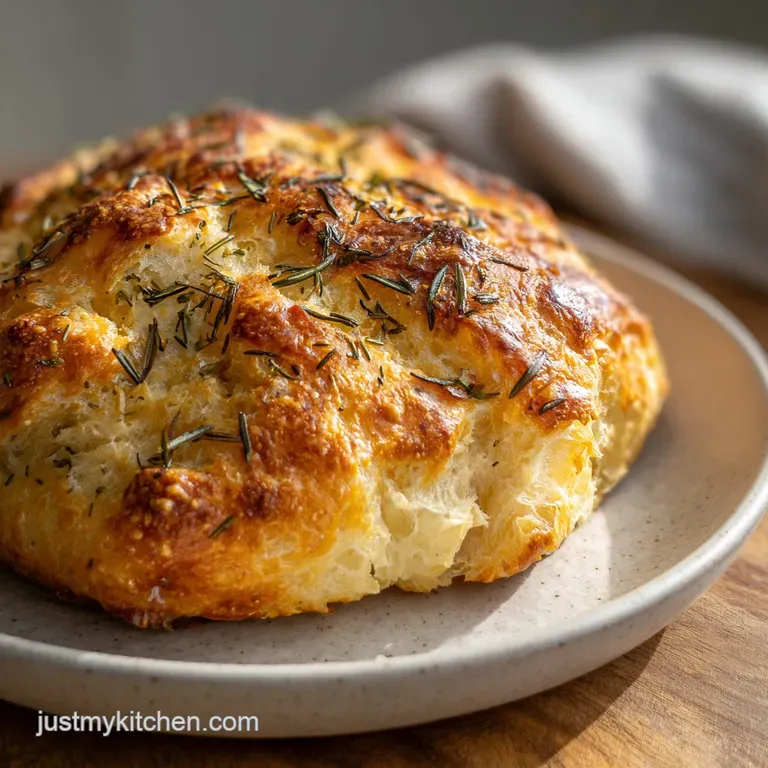
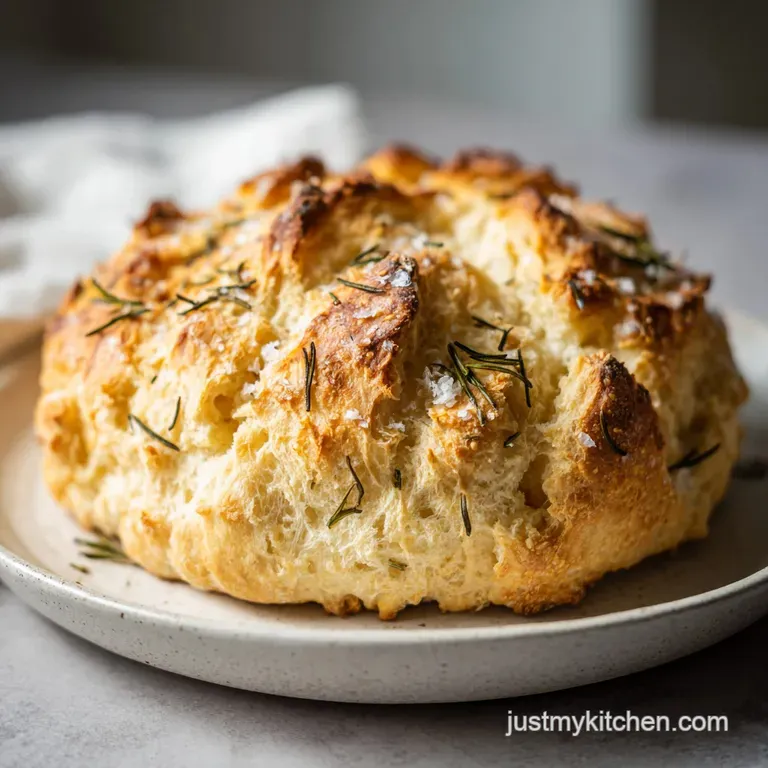
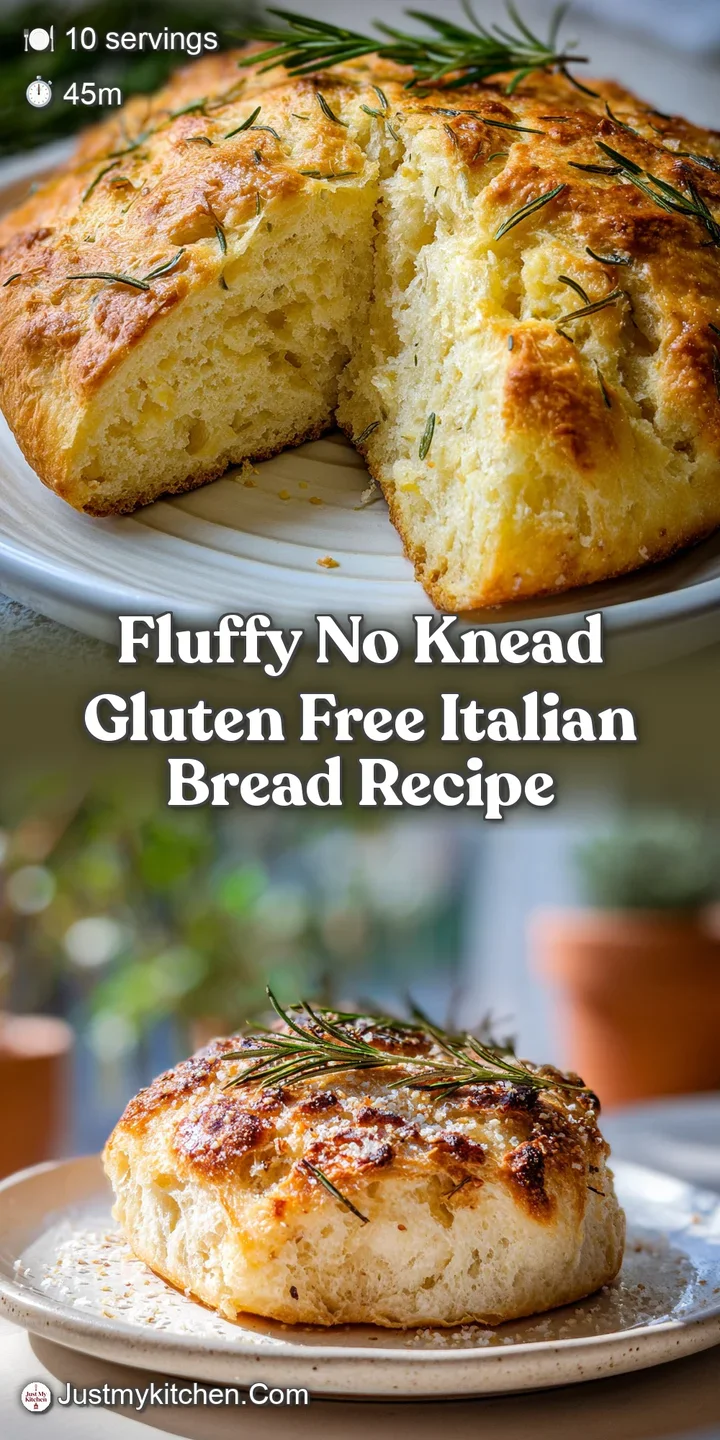
- Flavor/Texture Hook: A shatter crisp golden crust with a velvety, airy center
- Perfect for: Beginner bakers wanting a sophisticated side for dinner parties
- Fluffy NoKnead GlutenFree Italian Bread with Rosemary and Sea Salt
- Why This Rosemary Bread Feels Like Magic
- Timing and Texture for Modern Bakers
- The Flour and Herb Component Analysis
- Simple Tools for a Classic Loaf
- Baking Your Bread with Golden Layers
- Solving Common gluten-free Baking Bumps
- Modern Twists on This Traditional Focaccia
- Myths About gluten-free Dough
- Keeping Your Italian Loaf Soft
- Approachable Ways to Enjoy Every Slice
- Recipe FAQs
- 📝 Recipe Card
Fluffy NoKnead GlutenFree Italian Bread with Rosemary and Sea Salt
The first time I tried to make a loaf like this, it came out of the oven looking like a literal brick. I remember the sad "clunk" it made when I dropped it on the cutting board. But then, I caught a whiff of the rosemary oil sizzle and knew I couldn't give up on the dream of a soft, airy gluten-free bread.
You'll adore this recipe for Fluffy No Knead gluten-free Italian Bread with Rosemary and Sea Salt because it finally cracks the code on that elusive airy texture.
I’ve spent years experimenting with hydration levels and binders to find what actually works. This isn't just a compromise; it’s a revelation that happens when you let the ingredients do the heavy lifting instead of your biceps.
The aroma of fresh herbs hitting the hot dough is enough to make anyone a believer in gluten-free magic.
We are going for a texture that has a distinct shatter when you bite into the crust, followed by a middle that feels light and pillowy. No more dense, gritty loaves that crumble when you look at them sideways. This is the approachable, traditional meets modern bread we’ve all been waiting for.
Why This Rosemary Bread Feels Like Magic
Starch Gelatinization: High hydration allows the starches in the gluten-free flour to fully swell and set, creating a structure that holds air without the need for gluten strands.
Hydrocolloid Support: The psyllium husk powder acts as a flexible net, trapping the carbon dioxide bubbles produced by the yeast to ensure the bread stays bouncy.
Maillard Reaction: The honey and olive oil work together to promote a deep golden browning on the crust even at standard oven temperatures.
Cold Bloom Fermentation: Allowing the yeast to activate in warm water with a touch of sugar creates a vigorous initial rise that prevents a sunken middle.
| Baking Method | Time | Texture | Best For |
|---|---|---|---|
| Sheet Pan | 30 mins | Extra crispy edges | Large family dinners |
| Cast Iron Skillet | 35 mins | Deep, fried bottom crust | Maximum "wow" factor |
| Glass Baking Dish | 32 mins | Soft, focaccia style sides | Sandwiches and dipping |
Selecting the right vessel changes the soul of the loaf. While a sheet pan gives you more real estate for those crispy rosemary bits, a skillet concentrates the heat for a thicker, more traditional crust.
Timing and Texture for Modern Bakers
Precision is our best friend when we aren't using gluten to provide a safety net. For this recipe, we are looking for a few specific numeric checkpoints to ensure success. First, your water must be between 105°F to 110°F; anything hotter will kill the magic of the yeast, and anything colder will leave your dough sitting like a lump of clay.
Second, the weight of your flour is non negotiable at 375g. gluten-free blends vary wildly in density, so a scale is your secret weapon here. Finally, we bake at exactly 400°F (200°C) to shock the dough into a final "oven spring," which is that last minute puff that creates those gorgeous air pockets.
| Feature | Fast Method (Quick Rise) | Classic Method (Cold Proof) |
|---|---|---|
| Total Rise Time | 60 minutes | 12 to 24 hours |
| Flavor Profile | Mild and yeasty | Complex, sourdough like |
| Crumb Texture | Very soft and light | Chewy with larger bubbles |
While we love a classic slow rise, this recipe is designed to give you that traditional feel even on a tighter schedule. The psyllium husk does the heavy lifting to keep things approachable for a weeknight bake.
The Flour and Herb Component Analysis
| Ingredient | Science Role | Pro Secret |
|---|---|---|
| Psyllium Husk | Structural binder | Use powder, not whole husks, for a smoother, less gritty crumb. |
| Honey | Yeast fuel & humectant | Keeps the bread moist for days longer than sugar based loaves. |
| Olive Oil | Fat barrier | Brush a little extra on the bottom of the pan for a "fried" crust effect. |
For the Flour Base: 375g gluten-free All Purpose Flour blend (containing Xanthan Gum) Why this? Provides the base structure and necessary elasticity from the gum. 10g Psyllium husk powder Why this? Mimics gluten by creating a flexible, gas
trapping matrix. 6g Fine sea salt Why this? Tightens the dough and balances the herbal notes.
For the Liquid & Yeast: 350ml Warm water (105°F to 110°F) Why this? High hydration is vital for gluten-free fluffiness. 7g Instant yeast Why this? Fast acting and reliable for no knead
applications. 15g Honey Why this? Feeds the yeast and helps the crust shatter. 50ml Extra virgin olive oil (divided) Why this? Adds richness and prevents the dough from sticking.
For the Herb Topping: 2 sprigs Fresh rosemary, chopped Why this? The volatile oils release intense aroma during the bake. 5g Flaky sea salt Why this? Provides a sharp, crunchy contrast to the soft bread.
Simple Tools for a Classic Loaf
You don't need a fancy laboratory to make this Fluffy NoKnead GlutenFree Italian Bread with Rosemary and Sea Salt. A simple large glass bowl and a sturdy spatula are actually better than a stand mixer here because you can feel when the psyllium starts to "grip" the water.
I personally love using a 9x13 inch metal baking pan for the best heat conduction, but a ceramic dish works if you add a few extra minutes to the bake.
Don't forget a digital thermometer. It’s the only way to be 100% sure your water is in that sweet spot for the yeast. If you're feeling adventurous, a cast iron skillet like one from Lodge can turn this into a deep dish masterpiece.
Baking Your Bread with Golden Layers
- Whisk the 375g gluten-free flour, 10g psyllium husk, and 6g fine sea salt in a large bowl. Note: This ensures the binders are evenly distributed before hitting the liquid.
- Combine 350ml warm water, 15g honey, and 7g instant yeast in a separate jug.
- Wait5 minutes until the mixture is frothy and bubbling.
- Pour the yeast liquid and 25ml of the olive oil into the dry ingredients.
- Stir vigorously for 2 minutes with a spatula until a thick, sticky paste forms. Note: It will look more like muffin batter than bread dough; this is correct!
- Grease your baking pan with 15ml of olive oil and scrape the dough into it, smoothing the top with wet fingers.
- Cover with a damp cloth and let rise in a warm spot for 60 minutes until doubled in size and puffy.
- Preheat your oven to 400°F (200°C) while the dough finishes its rise.
- Dimple the surface by poking your fingers straight down into the dough, then drizzle with the remaining 10ml oil and sprinkle the rosemary and 5g flaky salt.
- Bake for 30 minutes until the top is golden and the edges shatter when tapped.
Chef Tip: Before dimpling, dip your fingers in cold water. This prevents the sticky dough from clinging to your hands and ensures those deep wells for the olive oil to pool in remain intact.
Solving Common gluten-free Baking Bumps
Fixing Gummy Bread Centers
If your bread feels damp or "gummy" in the middle, it’s usually because the internal temperature didn't reach 210°F. gluten-free starches need high heat to fully set. If you pull it out too early, the steam stays trapped, turning the crumb into a sponge.
Always let the bread cool completely on a wire rack before slicing; that "resting" time is actually the final stage of cooking!
Dough Rise Failure Causes
A flat loaf usually points to tired yeast or water that was too hot. If your yeast didn't foam in step 3, stop right there and get fresh yeast. Also, check your flour blend if it doesn't have xanthan gum and you didn't add the psyllium, the air bubbles will simply float away because there's no "net" to catch them.
| Problem | Root Cause | Solution |
|---|---|---|
| Dense/Heavy Loaf | Not enough water | Increase water by 10ml next time; dough should be sticky. |
| Burnt Bottom | Sugar/Honey too high | Move rack to the middle or top third of the oven. |
| Rosemary Burnt | Too dry | Toss rosemary in a teaspoon of oil before topping the dough. |
Common Mistakes Checklist
- ✓ Never skip the "bloom" phase for the yeast; it’s your insurance policy.
- ✓ Use a metal pan for a crispier crust; glass is a poor heat conductor.
- ✓ Don't over mix once the dough is combined; you'll pop those precious air bubbles.
- ✓ Wait at least 20 minutes before slicing, or the steam will escape and leave it dry.
- ✓ Make sure your rosemary is fresh; dried herbs can taste dusty when baked at high heat.
Modern Twists on This Traditional Focaccia
If you want to vary the flavor, try a savory sweet combo. I once added a handful of halved grapes and a drizzle of extra honey, and it was incredible. For a more classic savory profile, this pairs beautifully with a Cheesy Italian Spinach recipe during the winter months.
Garlic Bread Flavor Twists
To turn this into a garlic lover's dream, sauté three cloves of minced garlic in the olive oil before drizzling it over the dough. The garlic softens and loses its bite, becoming sweet and mellow in the oven. You can also fold in some dairy-free parmesan for a "cheesy" crust that rivals any traditional bakery.
Vegan Adaptation Guidelines
This recipe is nearly vegan already! The only swap needed is the honey. You can use 15g of maple syrup or agave nectar. Both provide the necessary sugar for the yeast to feast on without changing the chemistry of the rise.
| Premium Ingredient | Budget Alternative | Flavor Impact |
|---|---|---|
| Fresh Rosemary | Dried Rosemary | Less "piney" aroma; use half the amount. |
| Extra Virgin Olive Oil | Grapeseed Oil | More neutral flavor; less traditional. |
| Flaky Sea Salt | Coarse Kosher Salt | Same crunch; less visual "sparkle." |
If you find yourself with extra rosemary, why not try a sweet application? This herb actually works wonders in a Flourless Lemon Almond recipe for a sophisticated dessert pairing.
Myths About gluten-free Dough
One of the biggest misconceptions is that gluten-free bread doesn't need a second rise. While we aren't "relaxing gluten," the second rise (the proof) is essential for the psyllium to fully hydrate. Without that time, your bread will have a gritty texture.
Another myth is that you can substitute any flour 1:1. Not all "all purpose" blends are created equal. Some are heavy on bean flours, which can taste bitter, while others are mostly starch.
Always look for a rice based blend for the most approachable flavor in this Fluffy NoKnead GlutenFree Italian Bread with Rosemary and Sea Salt.
Keeping Your Italian Loaf Soft
This bread is best the day it's made, but you can keep it in an airtight container for up to 3 days. To revive that "shatter" in the crust, pop a slice in the toaster or a 350°F oven for 5 minutes. For longer storage, this bread freezes beautifully.
Slice it first, then place parchment paper between the slices so you can grab just one at a time. It will stay fresh in the freezer for up to 2 months.
To avoid waste, take any stale leftovers and turn them into croutons. Toss cubes of the bread with more olive oil and garlic salt, then bake until crunchy. They are far superior to anything you’ll find in a bag. For a completely different texture profile for your next breakfast, you might even enjoy a Cottage Cheese Blueberry recipe which uses a totally different leavening magic!
Approachable Ways to Enjoy Every Slice
This bread is a social creature. It loves to be at the center of a table, surrounded by small bowls of balsamic vinegar and high-quality olive oil. I like to serve it warm so the rosemary aroma is at its peak.
It's also sturdy enough to be sliced horizontally and used for an epic panini filled with prosciutto and arugula.
If you have kids, try cutting it into "fingers" for dipping into a warm marinara sauce. It’s a classic move that makes a simple lunch feel like a traditional Italian feast. No matter how you serve it, the joy is in the simplicity of the ingredients coming together to create something that feels truly special.
Recipe FAQs
Can I substitute the psyllium husk powder with whole husks?
No, stick to the powder form for best results. Whole husks absorb liquid at a different rate and can leave the final texture gritty, undermining the desired fluffiness of this no-knead bake.
How do I ensure the crust is crispy instead of soft and chewy?
Bake the bread in a metal pan at the higher end of the temperature range. Metal conducts heat better than ceramic, promoting a faster Maillard reaction on the bottom and sides, giving you that satisfying shatter.
What is the necessary internal temperature for fully set gluten-free bread?
Aim for an internal temperature of 210°F (99°C). If you pull the bread out before this, the starches won't fully set, resulting in a gummy center, even after cooling.
Is it true that you must use an exact commercial gluten-free blend for this recipe to work?
No, this is a common misconception. While consistency is key, you can substitute the blend, but you must manually add 1/2 teaspoon of xanthan gum per cup of flour if your blend doesn't already contain it, as this supports the rise. If you enjoyed mastering the structural principles here, see how we apply this science to create a different texture in our High Protein Blueberry recipe.
How long can I cold proof this dough in the refrigerator for maximum flavor?
You can proof the dough safely for up to 24 hours. This slow fermentation allows complex flavor compounds to develop, giving the bread a richer taste similar to a slow sourdough process.
How can I make this bread vegan, swapping out the honey?
Substitute the honey with an equal amount of maple syrup or agave nectar. These liquid sweeteners provide the necessary sugar to activate the yeast and also help with moisture retention in the final loaf.
What is the very first step to initiate the mixing process for this no-knead dough?
Whisk together the dry ingredients thoroughly in a large bowl. Ensure the psyllium husk powder is evenly distributed throughout the flour and salt to prevent pockets of unmixed binder.
gluten-free Rosemary Italian Bread
Ingredients:
Instructions:
Nutrition Facts:
| Calories | 182 kcal |
|---|---|
| Protein | 1.9 g |
| Fat | 5.1 g |
| Carbs | 32.2 g |
| Fiber | 2.8 g |
| Sugar | 1.6 g |
| Sodium | 428 mg |
