One Pan Garlic Butter Shrimp and Asparagus
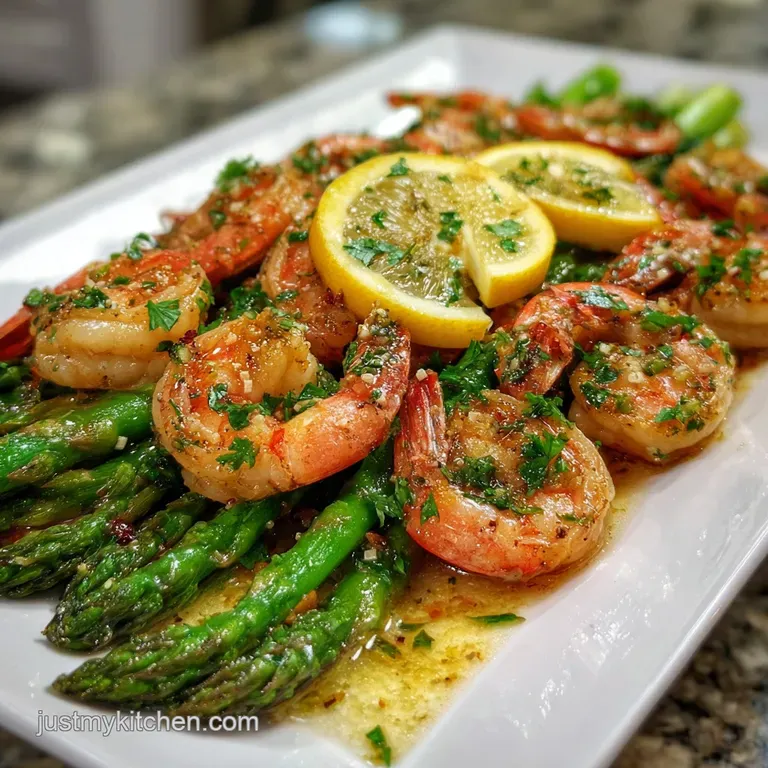
- Time: Active 10 minutes, Passive 12 minutes, Total 22 minutes
- Flavor/Texture Hook: Zesty garlic paired with a velvety butter glaze
- Perfect for: Busy weeknight dinners or healthy meal prep
- Fast Dinner: One Pan Garlic Butter Shrimp
- The Science of over High heat Searing
- Quick Kitchen Specs and Nutrition
- Fresh Ingredients and Smart Substitutes
- Essential Tools for Easy Cooking
- Step-by-Step Cooking and Prep Flow
- Fix Mistakes and Solve Problems
- Easy Adaptations for Any Diet
- Scaling the Recipe
- Kitchen Myths Debunked
- Storing and Reusing Your Leftovers
- Serving and Plating for Families
- Recipe FAQs
- 📝 Recipe Card
Fast Dinner: One Pan Garlic Butter Shrimp
Picture this: it’s 6 PM on a Tuesday, the kids are asking when dinner is ready, and you’ve got zero energy for a sink full of dishes. I used to dread these nights until I realized that a hot sheet pan and a pile of garlic can solve almost anything.
This recipe delivers a delicious and easy One Pan Garlic Butter Shrimp and Asparagus with Lemon.
There’s nothing like that first sizzle when the shrimp hit the heat, or the way the kitchen smells once the butter starts to melt into the garlic. It’s one of those meals that feels fancy but takes less time than ordering takeout.
We’ve all been there staring at the fridge wondering how to make "healthy" actually taste like "comfort," and this is the answer.
We're going to skip the fussy techniques and focus on what actually works: high heat, fresh citrus, and the right timing. I’ve made the mistake of throwing everything in at once and ending up with rubbery shrimp and raw greens, but we’ve fixed that today.
Trust me, once you see how those lemon slices caramelize on the pan, you'll never go back to the stovetop version.
The Science of over High heat Searing
Maillard Reaction: High heat creates a complex flavor profile by reacting amino acids with sugars on the shrimp's surface. This provides that savory depth without needing a heavy sauce.
Thermal Timing: Asparagus has dense cell walls that require more heat time than the delicate protein structure of shrimp. By roasting the greens first, we ensure the vegetables are tender crisp while the seafood stays succulent.
Emulsification: Chilled butter contains water that turns to steam, while the fats and solids meld with lemon juice. This creates a velvety coating that clings to every bite rather than just pooling on the pan.
| Method | Time | Texture | Best For |
|---|---|---|---|
| Stovetop | 8 minutes | Crispy edges | Maximum sear |
| Oven | 12 minutes | Evenly tender | Hands off ease |
| Air Fryer | 7 minutes | Shriveled/Charred | Single servings |
Choosing the oven method for this Garlic Butter Shrimp and Asparagus with Lemon is a lifesaver for families. It allows the heat to circulate around each spear of asparagus, ensuring they don't steam but rather roast. This technique is quite similar to how I handle vegetables in my One Pan Lemon recipe, where consistency is the goal.
Quick Kitchen Specs and Nutrition
Before we get the pans hot, let's look at what's happening under the hood. This dish is built on lean protein and high fiber greens, making it a powerhouse for a joyful family dinner. The prep is minimal, but the payoff is substantial.
| Component | Science Role | Pro Secret |
|---|---|---|
| Large Shrimp | Lean Protein | Keep tails on for extra depth during the roast. |
| Unsalted Butter | Fat & Moisture | Use chilled cubes to slow the melting process. |
| Fresh Garlic | Aromatics | Mince finely to release allicin for maximum punch. |
| Lemon Juice | Acid Catalyst | Brightens heavy fats and softens tough plant fibers. |
When you're working with seafood, temperature is everything. Most home cooks pull shrimp out too late, but we are looking for that specific "C" shape rather than a tight "O." If they've curled into a tight circle, they're likely going to have a rubbery snap instead of a velvety bite.
Fresh Ingredients and Smart Substitutes
We are using exactly 1.5 lbs large shrimp, peeled and deveined, which is the sweet spot for feeding four people. For the greens, 1 lb fresh asparagus with the woody ends trimmed provides the necessary crunch.
Don't forget the 4 tbsp unsalted butter; it must be chilled and cubed to integrate properly with the lemon juice and garlic.
- 1 lb fresh asparagus: Why this? Provides a snappy, earthy contrast to the sweet, buttery shrimp.
- Substitute: String beans (increase initial roast by 3 minutes).
- 1.5 lbs large shrimp: Why this? They cook fast and absorb the garlic butter like a sponge.
- Substitute: Scallops (pat very dry before adding).
- 2 tbsp extra virgin olive oil: Why this? High smoke point and adds a fruity richness.
- Substitute: Avocado oil.
- 4 tbsp unsalted butter: Why this? Creates the velvety base for our pan sauce.
- Substitute: Ghee (richer flavor, higher smoke point).
- 4 cloves garlic: Why this? The backbone of the flavor profile; don't skip it.
- Substitute: 1 tsp garlic powder (if in a pinch).
- 1 large lemon: Why this? The acid cuts through the fat and wakes up the palate.
- Substitute: Lime juice (for a tropical twist).
Chef's Tip: Freeze your butter for 10 minutes before cubing it. This ensures it melts slowly in the oven, creating a sauce that emulsifies with the juices rather than just separating into a greasy puddle.
Essential Tools for Easy Cooking
You don't need a gourmet kitchen for this, but a heavy duty rimmed sheet pan is non negotiable. I prefer a half sheet pan made of aluminized steel because it conducts heat evenly and won't warp at high temperatures.
If you use a thin, flimsy tray, you’ll hear it "pop" in the oven, which means the heat distribution is uneven, leading to some shrimp being overcooked while others stay grey. A good pair of stainless steel tongs will also make flipping the shrimp much easier than using a spatula.
step-by-step Cooking and Prep Flow
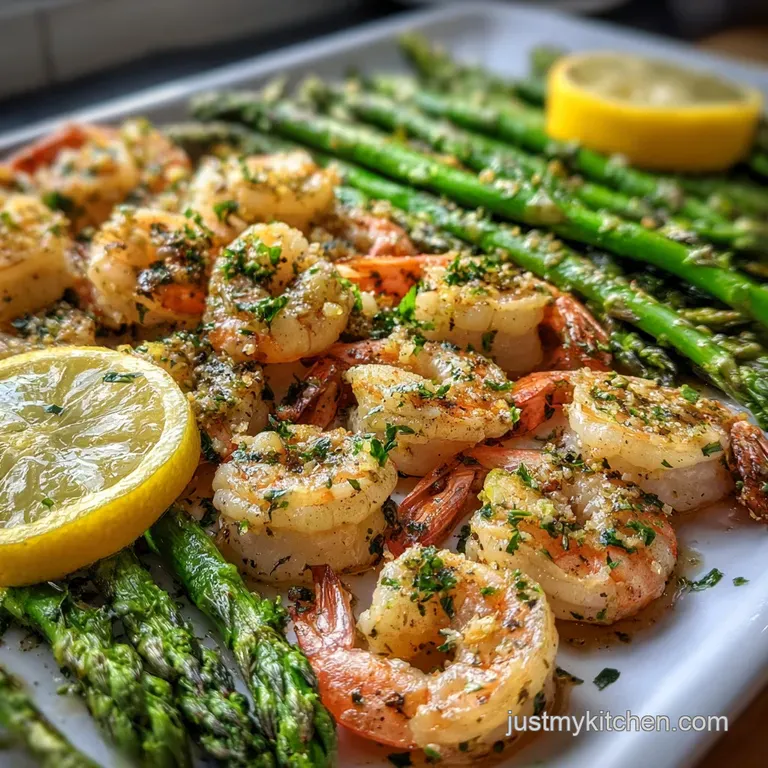
Let's break this down into a manageable flow so you aren't rushing while the oven is screaming hot.
1. The Asparagus Head Start
Preheat your oven to 400°F (200°C). Place 1 lb fresh asparagus on the sheet pan and drizzle with 2 tbsp extra virgin olive oil, 1/2 tsp kosher salt, and 1/4 tsp black pepper. Toss until every spear glistens. Roast for 5 minutes.
Note: This softens the stalks before the fast cooking shrimp join the party.
2. Prepare the Shrimp
While the asparagus roasts, pat your 1.5 lbs large shrimp completely dry with paper towels. Toss them in a bowl with the remaining salt, pepper, 1/2 tsp red pepper flakes, and 4 cloves minced garlic.
3. Combine and Distribute
Remove the pan from the oven. Push the asparagus to the sides and place the shrimp in the center. Ensure they are in a single layer with breathing room.
4. Add the Butter
Scatter the 4 tbsp chilled, cubed unsalted butter and the slices from half the lemon across the top of the shrimp and asparagus.
5. The Main Roast
Return the pan to the oven and bake for 5 to 7 minutes. You are looking for the shrimp to turn opaque and vibrant pink.
6. The Citrus Finish
Immediately squeeze the juice from the remaining lemon half over the entire pan. The acid will deglaze the flavorful browned bits stuck to the bottom.
7. Fresh Herb Garnish
Sprinkle 2 tbsp finely chopped fresh parsley over the hot pan. Note: Adding herbs at the end preserves their bright color and oils.
8. The Pan Sauce Toss
Using tongs, toss everything together right on the pan so the melted butter, garlic, and lemon juice form a silky coating.
9. Check for Doneness
Pierce a thick asparagus spear; it should be tender but still have a slight snap. The shrimp should be firm to the touch.
10. Serve Immediately
Transfer to a platter or serve straight from the pan for a rustic feel. This Garlic Butter Shrimp and Asparagus with Lemon is best enjoyed while the butter is still bubbling.
Fix Mistakes and Solve Problems
Why Your Shrimp Is Rubbery
The most common culprit is overcooking. Shrimp only need about 5-6 minutes at 400°F. If you leave them in until they are tightly curled like a fist, the protein fibers have tightened too much, squeezing out all the moisture.
Why Your Asparagus Is Soggy
This usually happens if the pan is overcrowded or if the asparagus was wet when it went into the oven. Moisture creates steam, and steam leads to limp, grey vegetables. Always pat your greens dry and give them plenty of space to breathe on the pan.
| Problem | Root Cause | Solution |
|---|---|---|
| Burnt Garlic | Minced too small or added too early | Add garlic with the shrimp, not during the initial asparagus roast. |
| Greasy Pan | Butter melted too fast and separated | Use chilled butter and finish with a fresh squeeze of lemon juice to emulsify. |
| Bland Flavor | Not enough salt or acid | Season the shrimp directly and don't skip the final lemon squeeze. |
Common Mistakes Checklist
- ✓ Pat the shrimp bone dry before seasoning to ensure a good sear.
- ✓ Don't skip the 5 minute head start for the asparagus.
- ✓ Use a large enough pan so ingredients aren't overlapping.
- ✓ Use fresh garlic cloves rather than the jarred stuff for a cleaner flavor.
- ✓ Let the pan rest for 2 minutes after adding lemon juice to let the sauce thicken.
This recipe is quite forgiving, much like the process in my Sausage and Orzo recipe, where the sequence of adding ingredients makes all the difference in the final texture.
Easy Adaptations for Any Diet
For a low carb or keto friendly meal, this dish is already a winner. If you want to bulk it up without adding grains, serve it over cauliflower rice. The garlic butter sauce is so flavorful that it seasons whatever it touches.
If you're looking for a dairy-free alternative, you can swap the butter for a high-quality vegan butter substitute or simply add an extra tablespoon of olive oil and a splash of chicken broth to maintain the moisture. The flavor will be less "velvety," but the lemon and garlic will still carry the dish beautifully.
Scaling the Recipe
Scaling Down (1-2 servings): Use a smaller quarter sheet pan. Reduce the roasting time for the asparagus by 1-2 minutes as smaller batches can brown faster.
Scaling Up (6-8 servings): Do not try to fit everything on one pan. Use two separate sheet pans and rotate their positions in the oven halfway through. For the spices, only increase to 1.5x the amount to avoid over seasoning.
Kitchen Myths Debunked
"Searing shrimp seals in the juices." This is a myth. Searing is about flavor through the Maillard reaction, not about creating a waterproof barrier. Moisture is actually lost during searing; the key to juiciness is simply not overcooking the protein.
"Fresh shrimp is always better than frozen." Actually, most "fresh" shrimp at the counter was previously frozen and thawed. Buying high-quality frozen shrimp (IQF - Individually Quick Frozen) often gives you a fresher product because they are frozen immediately after harvest.
Storing and Reusing Your Leftovers
Storage: Keep leftovers in an airtight container in the fridge for up to 2 days. I don't recommend freezing cooked shrimp as the texture becomes quite spongy upon thawing.
Zero Waste: Don't throw away those lemon rinds! Toss them into a jar of white vinegar for a week to create a natural, citrus scented kitchen cleaner. If you have leftover asparagus ends, save them in a freezer bag for your next batch of vegetable stock.
For reheating, a quick 30 second sauté in a pan with a splash of water is better than the microwave, which tends to turn shrimp into rubber.
Serving and Plating for Families
To make this feel like a special treat, serve it with a side of crusty sourdough bread to soak up every drop of that garlic butter. If you're keeping it light, a simple side of quinoa or my Peanut Butter Cookie recipe for dessert makes for a well rounded evening.
When plating, place the asparagus in a neat row and pile the pink shrimp right in the center. The contrast between the vibrant green and the bright seafood, topped with flecks of fresh parsley, creates a restaurant quality look with zero extra effort.
It’s a joyful, colorful meal that reminds us that dinner doesn't have to be complicated to be satisfying.
Recipe FAQs
Can I cook the shrimp and vegetables together the entire time?
No, you must stagger the cooking times. Shrimp cook extremely fast, while asparagus needs a head start to become tender crisp; otherwise, the shrimp will turn rubbery.
How to prevent the butter from separating into an oily puddle in the pan?
Finish with fresh lemon juice and toss vigorously. The acid from the lemon juice combines with the fat and pan drippings to create a temporary, velvety emulsion.
What is the secret to keeping the shrimp succulent, not tough?
Remove the shrimp immediately when they turn opaque and form a 'C' shape. If they curl tightly into an 'O', they have overcooked, and the protein fibers have tightened excessively.
Is it true that using frozen shrimp will ruin the texture of this one-pan meal?
No, high-quality frozen shrimp is often fresher than 'fresh' counter shrimp. Just ensure you thaw them completely and pat them very dry before seasoning to maintain proper searing conditions.
How to adapt this recipe if I do not have an oven, only a stovetop?
Sear the asparagus first in a large skillet over medium high heat until tender, then remove it. Cook the shrimp quickly in the remaining butter, then return the asparagus and toss to coat.
Can I substitute the asparagus with something else and keep the timing the same?
No, you will need to adjust the initial roasting time based on the vegetable density. For thinner vegetables like green beans, reduce the initial roasting time, similar to how you manage delicate ingredients in a fast stir fry like our Beef and Broccoli Stir Fry in 20 Minutes | Garlic Ginger.
What should I serve with this dish to soak up the extra sauce?
Crusty sourdough bread is the perfect vehicle for the garlic butter sauce. If you prefer a heartier base, serve it over plain white rice or a simple pasta.
Garlic Butter Shrimp Asparagus
Ingredients:
Instructions:
Nutrition Facts:
| Calories | 360 calories |
|---|---|
| Protein | 38.1 g |
| Fat | 18.6 g |
| Carbs | 4.4 g |
| Fiber | 1.2 g |
| Sugar | 1.5 g |
| Sodium | 700 mg |
