Homemade Olive Garden Vegetable Soup Recipe
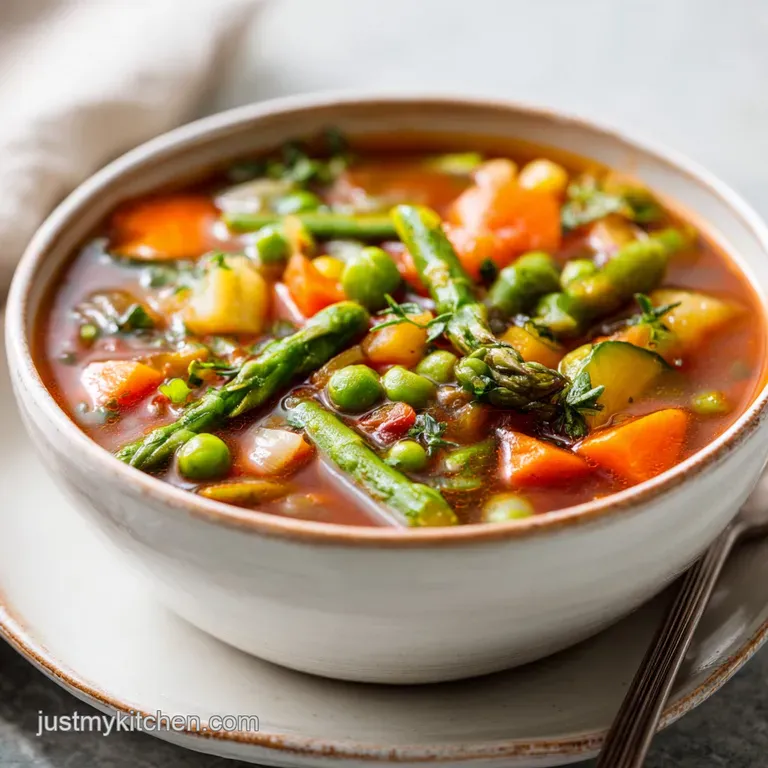
- Time: Active 20 minutes, Passive 30 minutes, Total 50 minutes
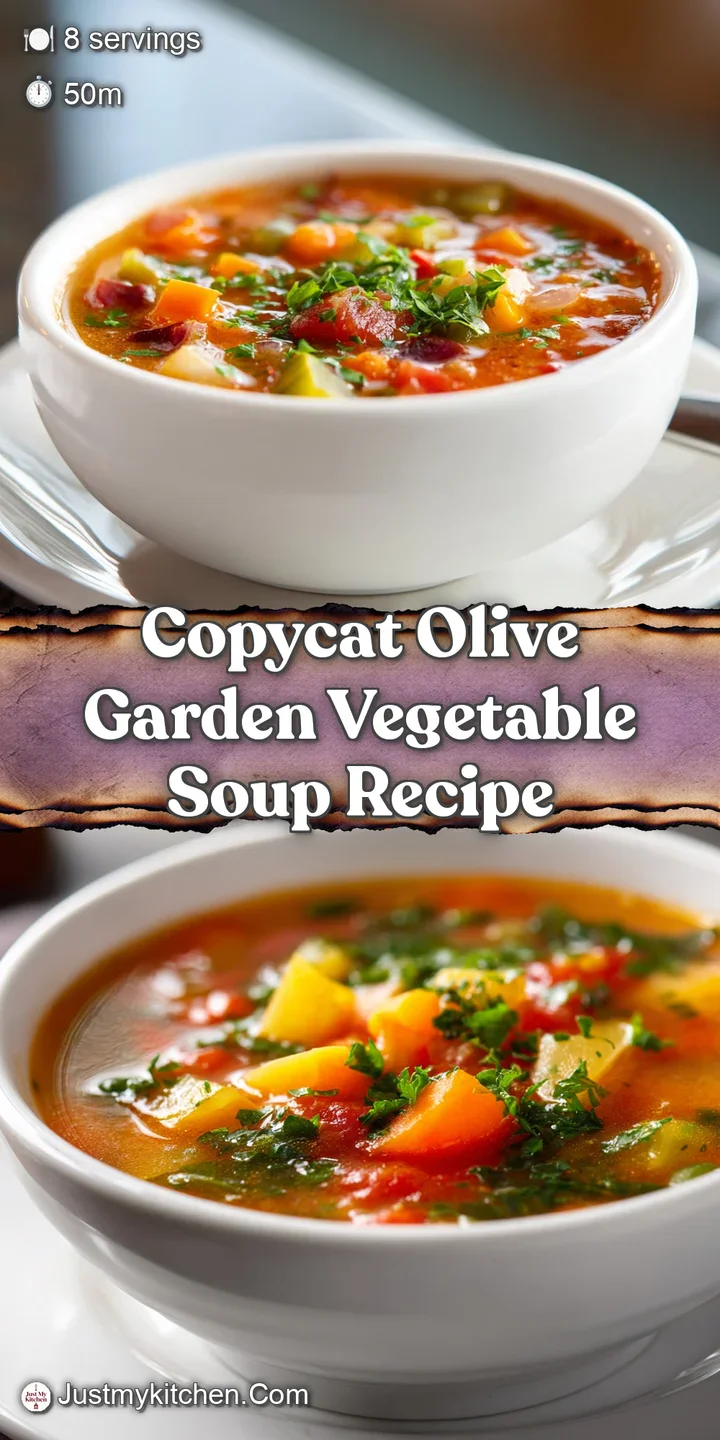
- Flavor/Texture Hook: A velvety tomato herb broth packed with tender crisp vegetables and creamy beans.
- Perfect for: Budget-friendly weeknight dinners or healthy meal prep for the office.
- Recreating the Iconic Olive Garden Vegetable Soup
- The Secret to Soup Success
- Component Analysis and Selection
- Essential Ingredients and Smart Substitutes
- Tools for Your Kitchen
- Cooking Steps for Success
- Fixing Common Soup Mistakes
- Adjusting the Recipe Size
- Kitchen Myths Debunked
- Storing and Warming Leftovers
- Best Ways to Serve
- High in Sodium
- Recipe FAQs
- 📝 Recipe Card
Recreating the Iconic Olive Garden Vegetable Soup
The kitchen smells like a dream right now. You know that specific aroma when garlic hits shimmering olive oil and the scent of dried oregano starts to bloom? It's the universal signal that something cozy is happening.
I used to think the magic of this specific soup was some industrial secret hidden behind the restaurant kitchen doors, but it turns out the real trick is just patience and a few smart layers of flavor.
We’ve all been there, sitting at a booth, waiting for that never ending bowl of garden goodness. It’s the ultimate comfort food because it manages to be light and filling at the same time. The first time I tried making this at home, I just dumped everything in a pot at once. Big mistake.
The zucchini turned to mush, the beans lost their shape, and the broth tasted like plain water. I’ve spent months tweaking the timing to make sure every vegetable keeps its integrity.
Today, we are skipping the expensive takeout and making a version that actually tastes better because the ingredients are fresh. We are going to use fire roasted tomatoes for a subtle smoky depth and a humble cheese rind to give the broth that "simmered all day" richness.
It’s a budget smart way to feed a crowd without standing over the stove for hours.
The Secret to Soup Success
Umami Extraction: Simmering a Parmesan rind releases natural glutamates into the vegetable broth, creating a savory depth usually only found in meat based stocks.
Acid Neutralization: A tiny pinch of granulated sugar cuts through the metallic edge of canned tomatoes, balancing the pH for a smoother finish.
Staggered Hydration: Adding the zucchini and spinach at the very end prevents the delicate cell walls of the greens from collapsing into a soggy mess.
Aromatic Bloooming: Sautéing the dried herbs in oil before adding liquid releases fat soluble flavor compounds that would otherwise stay trapped in the dried leaves.
| Method | Time | Texture | Best For |
|---|---|---|---|
| Stovetop | 50 minutes | Vibrant, tender crisp vegetables | Daily family dinner |
| Slow Cooker | 6 hours | Deep, melded flavors; soft veggies | Hands off meal prep |
| Instant Pot | 35 minutes | Infused broth; very soft beans | Last minute hunger |
Choosing your method depends on how much you value texture versus convenience. I personally swear by the stovetop because you can control exactly when the zucchini goes in, ensuring it doesn't lose its bite. If you love a variety of greens in your diet, you might also enjoy the techniques used in this Zucchini Soup Recipe.
Component Analysis and Selection
| Ingredient | Science Role | Pro Secret |
|---|---|---|
| Fire roasted Tomatoes | Acidic base | The char on the skins adds a complex, wood fired flavor profile. |
| Parmesan Cheese Rind | Natural emulsifier | Adds "body" to the liquid so it feels like silk rather than water. |
| Ditalini Pasta | Starch thickener | Releases just enough starch to slightly tighten the consistency of the broth. |
| Fresh Baby Spinach | Color and Nutrients | Adding this last keeps the chlorophyll bright green instead of army drab. |
Using low sodium vegetable broth is a non negotiable for me. It gives you total control over the salt levels, especially since that Parmesan rind will be contributing its own salty punch as it melts into the liquid.
Essential Ingredients and Smart Substitutes
To get this soup right, you will need a mix of fresh produce and pantry basics. Here is the lineup we are using for 8 generous servings:
- 2 tbsp extra virgin olive oil: The fat carries the flavor of the aromatics. Why this? Offers a fruity, peppery base for the onions.
- Substitute: Avocado oil or any neutral cooking oil works if olive oil is out.
- 1 cup white onion, finely diced: Provides the primary aromatic sweetness.
- Substitute: Yellow onion or leeks (whites only) for a milder touch.
- 1/2 cup celery, diced: Adds a necessary earthy, salty crunch.
- Substitute: Fennel bulb provides a similar texture with a hint of anise.
- 1/2 cup carrots, diced: Brings natural sugar and a pop of color.
- Substitute: Parsnips for a woodier, spice forward sweetness.
- 3 cloves garlic, minced: Essential for that classic Italian American scent.
- Substitute: 1 tsp garlic powder, but fresh is significantly better here.
- 64 oz vegetable broth, low sodium: The canvas for all our garden flavors.
- Substitute: Chicken broth if you aren't strictly vegetarian.
- 15 oz fire roasted diced tomatoes: These provide the chunky texture and acidity.
- Substitute: Regular diced tomatoes with a drop of liquid smoke.
- 1 cup tomato sauce: Thickens the broth slightly and adds richness.
- Substitute: 2 tbsp tomato paste thinned with a little water.
- 1 tsp granulated sugar: Balances the tomato acidity.
- Substitute: Honey or maple syrup in the same amount.
- 1 1/2 tsp dried oregano, 1 tsp dried basil, 1/2 tsp dried thyme: The "big three" of Italian seasoning.
- 1 small Parmesan cheese rind: The "secret weapon" for depth. Why this? It prevents the soup from tasting thin or "cheap".
- 15 oz red kidney beans & 15 oz cannellini beans: For protein and creaminess.
- 1 cup fresh green beans: Cut into 1 inch pieces for a crisp bite.
- 1 medium zucchini: Quartered and sliced into half moons.
- 2 cups fresh baby spinach: Packed tight for a nutrient boost at the end.
- 1/2 cup ditalini pasta: The traditional "thimble" shape that holds broth.
- Substitute: Small shells or elbow macaroni.
Tools for Your Kitchen
You don't need fancy gadgets to make a world class Olive Garden Vegetable Soup, but a heavy bottomed pot is your best friend. A Dutch oven (like a Lodge or Le Creuset) is ideal because it retains heat evenly, meaning your onions won't burn while you’re busy chopping the carrots.
You’ll also want a sharp chef's knife. Since there is a fair amount of dicing involved (onions, celery, carrots, zucchini), a dull blade will just make you tired. A sturdy silicone spatula or wooden spoon is great for scraping up the brown bits the fond that form on the bottom of the pot after sautéing the aromatics.
Finally, grab a small mesh strainer for rinsing your canned beans to remove the excess metallic tasting liquid and starch.
Cooking Steps for Success
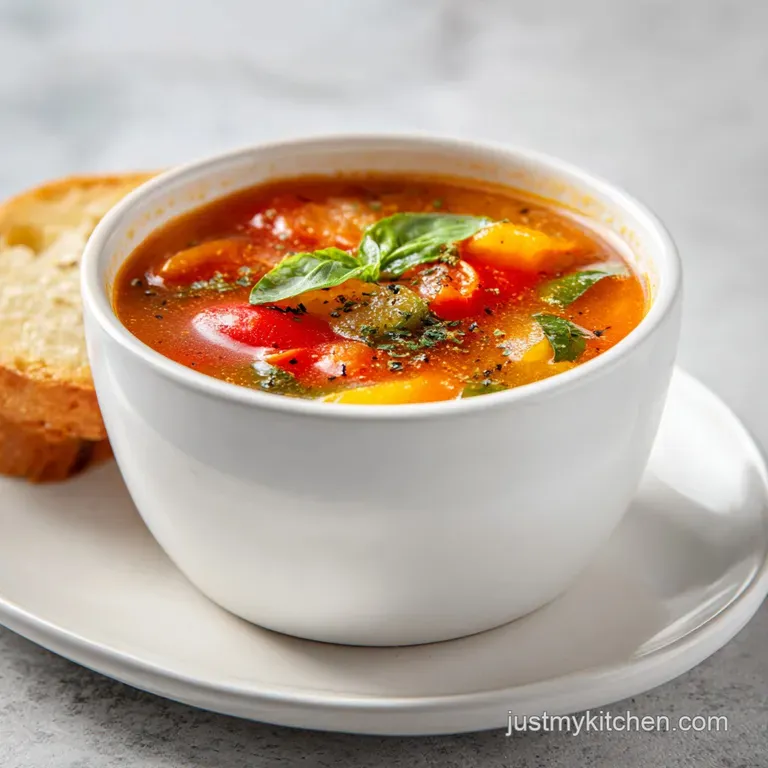
- Heat the oil. Add 2 tbsp extra virgin olive oil to a large pot over medium heat until it shimmers and moves easily.
- Sauté the aromatics. Stir in 1 cup diced onion, 1/2 cup celery, and 1/2 cup carrots. Note: This creates the "soffritto" base that defines the soup's soul.
- Bloom the garlic and herbs. Add 3 cloves minced garlic, 1 1/2 tsp dried oregano, 1 tsp dried basil, and 1/2 tsp dried thyme. Cook for 1 minute until the fragrance fills the room.
- Build the broth. Pour in 64 oz vegetable broth, 15 oz fire roasted tomatoes, 1 cup tomato sauce, and 1 tsp sugar. Stir to combine.
- Add the flavor booster. Drop in the Parmesan cheese rind. Bring the liquid to a boil, then reduce heat to a simmer.
- Simmer the base. Let the pot bubble gently for 15 minutes. This allows the carrots to soften and the rind to begin its magic.
- Add the beans and greens. Stir in 15 oz kidney beans, 15 oz cannellini beans, and 1 cup fresh green beans. Simmer for 10 minutes until green beans are tender but still bright.
- Cook the pasta. Add 1/2 cup ditalini pasta and the sliced zucchini. Cook for about 8 minutes until the pasta is al dente and the zucchini is soft set.
- Wilt the spinach. Turn off the heat and stir in 2 cups baby spinach. Note: The residual heat is enough to wilt the leaves without overcooking them.
- Final Seasoning. Taste the broth. Add salt and freshly cracked black pepper to taste. Remove the Parmesan rind before serving.
Fixing Common Soup Mistakes
Sometimes, despite our best efforts, things go sideways. If your soup feels a bit lackluster, it’s usually an issue with the balance of salt or acid. Don't panic; most soup "disasters" are easily fixed with a quick pantry addition.
Why Your Soup Tastes Bland
If you have followed the recipe and it still feels like it’s missing a "punch," you likely need more acid or salt. Vegetable broths vary wildly in sodium content. Even if you used the Parmesan rind, the fire roasted tomatoes might need a little help to stand out.
A splash of red wine vinegar or a squeeze of fresh lemon juice at the very end can brighten the entire pot. Acid acts like a volume knob for flavor. If the flavors are there but muted, turn them up with acid.
Why the Pasta is Mushy
Pasta continues to absorb liquid even after the heat is off. If you are planning on having leftovers, the ditalini will eventually swell up and turn into a sponge, sucking up all your delicious broth.
To prevent this, you can cook the pasta separately in salted water and only add it to individual bowls. It takes one extra pot, but it guarantees a perfect texture every time.
| Problem | Root Cause | Solution |
|---|---|---|
| Bitter aftertaste | Burned garlic | Garlic only needs 60 seconds of heat; add it last in the sauté phase. |
| Cloudy broth | Excess bean starch | Rinse canned beans thoroughly in a colander before adding to the pot. |
| Tough green beans | Added too late | Green beans need at least 10 minutes to lose their raw "squeak." |
Common Mistakes Checklist
- ✓ Never skip the sugar; it is the only way to balance the canned tomato acidity.
- ✓ Do not boil the soup aggressively once the zucchini is in, or it will disintegrate.
- ✓ Always rinse your beans to prevent a "canned" flavor from ruining the broth.
- ✓ Remove the Parmesan rind before storing; it can get unpleasantly slimy if left overnight.
- ✓ Season with salt at the very end, as the broth reduces and saltiness concentrates.
Adjusting the Recipe Size
If you are cooking for a smaller household, you can easily cut this recipe in half. Just use a smaller pot and keep an eye on the liquid levels. Since we are using half the ingredients, the soup might reach a boil faster, but the simmering times for the vegetables remain roughly the same.
When doubling the recipe for a large party or meal prep, be careful with the spices. I recommend using 1.5x the herbs and salt instead of a full 2x. You can always add more at the end, but you can't take it out. Also, when working with a massive volume of liquid, it takes much longer to come to a boil allow an extra 15 minutes of "passive" time for the pot to heat up. This is a great time to prep a One Pan Lemon recipe if you want a protein heavy side.
Kitchen Myths Debunked
Many people believe you must use fresh tomatoes for a truly "authentic" vegetable soup. In reality, canned fire roasted tomatoes are often superior for long simmered soups because they are picked and canned at peak ripeness, providing a consistent acidity and sweetness that supermarket "fresh" tomatoes can't match.
Another common myth is that you need to cook the vegetables for hours to develop flavor. This actually destroys the delicate nutrients and textures of the garden vegetables. A 30 minute simmer is the "sweet spot" where the broth becomes infused with the aromatics without turning the produce into baby food.
| Goal | Action | Result |
|---|---|---|
| Ultra Rich Broth | Mash 1/2 cup of cannellini beans | Creates a thicker, creamier texture without dairy. |
| Extra Spice | Add 1/2 tsp red pepper flakes | Gives a subtle heat that cuts through the starch. |
| Low Carb Version | Swap pasta for extra zucchini | Keeps the volume high while reducing the glycemic load. |
Storing and Warming Leftovers
This Olive Garden Vegetable Soup actually tastes better the next day. As it sits in the fridge, the herbs continue to hydrate and the starch from the beans and pasta slightly thickens the liquid. It will stay fresh in an airtight container in the refrigerator for up to 4 days.
For freezing, this soup is a champion, with one caveat: the pasta. If you know you are making a double batch to freeze, pull out the portion you want to save before adding the ditalini. Frozen pasta becomes unpleasantly grainy when thawed.
The broth and vegetables will freeze beautifully for up to 3 months. To reheat, simply let it thaw overnight in the fridge and warm it on the stove over medium low heat.
If you find yourself with leftover spinach or celery, don't toss them! Celery leaves are incredibly flavorful and can be chopped up like parsley for a garnish. Spinach that is slightly wilted is perfect for throwing into a Quinoa Fried Rice recipe the next day.
Best Ways to Serve
The classic way to enjoy this is with a side of warm, garlic buttered breadsticks and a crisp salad. It turns a simple soup into a full on restaurant experience at home. I love to grate a little extra fresh Parmesan over the top right before serving so it melts into the hot broth.
If you want to make it feel a bit more "gourmet," try a dollop of basil pesto on top of each bowl. The swirl of fresh herbs and oil adds a vibrant green contrast to the red broth. For a crunchier element, homemade sourdough croutons seasoned with garlic salt provide a satisfying texture that holds up well against the hearty beans.
If you are serving this as part of a larger spread, it pairs beautifully with light poultry dishes or even a simple grilled cheese sandwich for the kids.
High in Sodium
845 mg mg of sodium per serving (37% % of daily value)
American Heart Association recommends limiting sodium intake to about 2,300mg per day.
Tips to Reduce Sodium in This Recipe
-
Broth Replacement-30%
Use homemade or sodium free vegetable broth instead of low-sodium broth. This simple swap can significantly reduce the sodium content.
-
Omit Added Salt-25%
Eliminate added salt from the recipe entirely. Taste the soup after cooking and adjust seasonings with herbs and pepper before considering adding any salt.
-
Cheese Reduction-15%
Omit the Parmesan cheese rind. The rind adds flavor, but also sodium. You can add a sprinkle of freshly grated Parmesan (use sparingly) just before serving to individual bowls instead.
-
Tomato Choice-15%
Use fresh tomatoes (diced) instead of fire roasted diced tomatoes and tomato sauce. If using canned, opt for no-salt added varieties and rinse before adding.
-
Rinse Canned Beans-10%
Even though you are already rinsing the beans, ensure a thorough rinse to remove excess sodium from the canned beans. Rinse under cold water for at least 1-2 minutes.
-
Flavor Boost
Enhance the flavor with fresh herbs like parsley, chives, or cilantro. Lemon juice or a splash of vinegar can also brighten the flavor profile without adding sodium.
Recipe FAQs
Does Olive Garden have a vegetable soup?
Yes, they do. Olive Garden offers a seasonal or rotating vegetable soup, often called Pasta e Fagioli or Minestrone, though their core four soups are the most common.
What are the four soups at Olive Garden?
The four standard soups are Zuppa Toscana, Chicken & Gnocchi, Pasta e Fagioli, and Minestrone. The Minestrone often serves as their primary vegetable forward option, though their seasonal vegetable soup is similar.
Which Olive Garden soup doesn't have meat?
Minestrone is typically the meat free option. It is usually vegetarian, relying on beans, pasta, and vegetables for substance, unlike the Zuppa Toscana or Chicken & Gnocchi which contain meat or sausage.
What is the healthiest soup at Olive Garden?
Minestrone is generally considered the healthiest choice among the standard offerings. It tends to be lower in fat and calories than the cream based Zuppa Toscana or Chicken & Gnocchi.
Is the vegetable soup at Olive Garden vegan?
No, the traditional recipe is not vegan. It almost always contains a Parmesan cheese rind simmered in the broth for flavor, which means it contains dairy.
How do I make the Olive Garden vegetable soup broth savory without meat stock?
Simmer a Parmesan rind directly in the vegetable broth. This technique extracts savory glutamates, adding a deep, complex umami that mimics long simmered meat stock. If you enjoyed mastering the flavor depth here, see how the same principle of slow extraction works in our Beef and Broccoli recipe for savory balance.
What vegetable should I add last to prevent it from getting mushy?
Add zucchini and spinach immediately after turning the heat off. The residual heat is enough to perfectly wilt the spinach and soften the zucchini slightly, preserving its texture.
Copycat Olive Garden Soup
Ingredients:
Instructions:
Nutrition Facts:
| Calories | 205 kcal |
|---|---|
| Protein | 8.8 g |
| Fat | 4.6 g |
| Carbs | 33.8 g |
| Fiber | 8.2 g |
| Sugar | 6.4 g |
| Sodium | 845 mg |
