Chia Seed Pudding with Coconut Milk
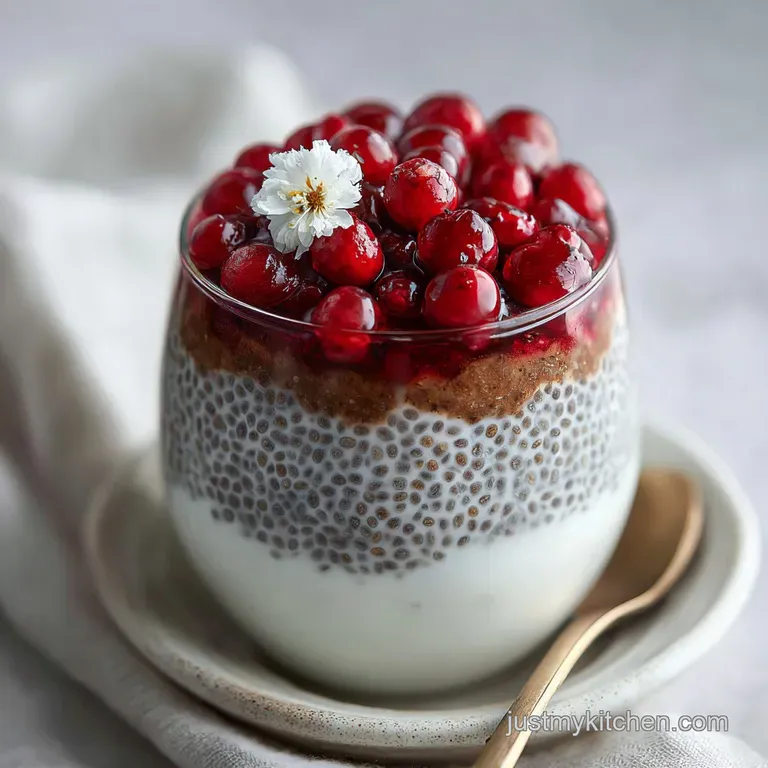
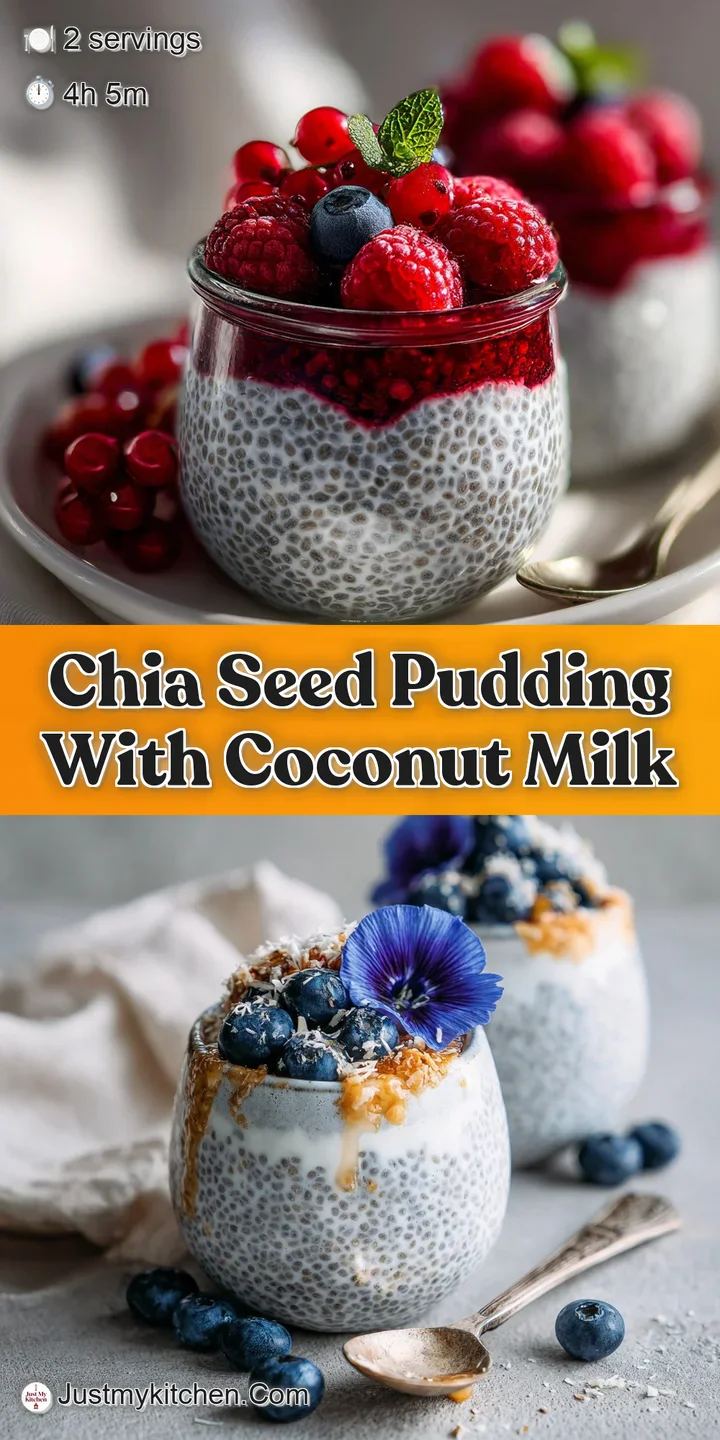
- Time: Active 5 minutes, Passive 4 hours, Total 4 hours 5 mins
- Flavor/Texture Hook: Creamy tropical base with a satisfying, caviar like seed pop
- Perfect for: High protein meal prep and healthy office breakfasts
- The Secret to Silky Overnight Chia Seed Pudding Success
- Nutrient Dense Fuel for Productive and High Energy Mornings
- Mastering the Physics of Perfect Chia Seed Hydration
- Fast Blast versus Patient Cold Set Comparison
- Analyzing the Elements of a Perfect Set
- Sourcing High Quality Elements for Better Nutritional Results
- Essential Tools for Achieving a Smooth and Creamy Texture
- Simple Steps for Achieving a Perfectly Set Breakfast
- Mastering the Texture and Fixes for Common Clumping Issues
- Adjusting Batch Sizes for Weekly Meal Prep Success
- Debunking Common Misconceptions about Seed Hydration
- Safe Storage Practices and Creative Zero Waste Repurposing
- Top Nutrient Dense Pairings for a Truly Incredible Morning
- Recipe FAQs
- 📝 Recipe Card
The Secret to Silky Overnight Chia Seed Pudding Success
I still remember the first time I tried to make a Seed Pudding with Coconut Milk. I’d seen those gorgeous photos online and thought, "How hard can it be?" I dumped everything into a bowl, gave it a half hearted stir, and tossed it in the fridge. The next morning? Total disaster.
I had a hard, cemented brick of seeds at the bottom and a watery layer of milk on top. It was gritty, unappealing, and honestly, a bit of a heartbreak.
But I’m nothing if not persistent. I started obsessing over the whisking intervals and the fat content of the milk. I realized that the "set" isn't just about time - it’s about that initial interaction between the seed and the liquid.
When you get it right, the result is a velvety, decadent treat that feels like a cheat meal but is actually packed with nutrients. Trust me, once you see those seeds bloom into a thick, spoonable custard, you’ll never go back to soggy cereal.
This recipe is my tried and true method for a Chia Seed Pudding that actually works every single time. We are using full fat canned coconut milk here because the richness provides a mouthfeel that lighter milks just can’t touch.
It’s thick, it’s floral from the vanilla, and it has just enough maple sweetness to make your morning feel special. Let's get into why this specific ratio is the gold standard for your kitchen.
Nutrient Dense Fuel for Productive and High Energy Mornings
We aren't just making breakfast here, we’re engineered a high protein, fiber forward fuel source. This Pudding with Coconut Milk is a nutritional powerhouse that keeps you full way longer than a standard bagel or bowl of oats.
The beauty of the chia seed lies in its ability to expand, which translates to a high volume of food that isn't heavy on empty calories. It’s incredibly satisfying to look at a jar in the fridge and know your future self is taken care of with a nutrient dense meal.
I love this version because it’s a "blank canvas" recipe. While the base is incredible on its own, it’s sturdy enough to hold up heavy toppings like almond butter, fresh mango, or toasted nuts.
The full fat coconut milk adds a layer of healthy medium chain triglycerides (MCTs) that give you a steady stream of energy without the mid morning sugar crash. It’s the kind of meal that makes you feel like you’ve actually got your life together, even if you’re running out the door with one shoe on.
Mastering the Physics of Perfect Chia Seed Hydration
- Mucilage Development: When chia seeds hit liquid, they exude a gel like substance called mucilage, which creates the pudding's structure.
- Fat Stabilization: The high fat content in full fat coconut milk coats the seeds, slowing down the hydration just enough to prevent massive clumping.
- Osmotic Balance: Adding a pinch of salt helps the water move through the seed’s outer shell, ensuring the core gets fully hydrated for a creamy finish.
- Emulsification: Whisking twice breaks the surface tension of the coconut milk, allowing the maple syrup and vanilla to integrate into the seed's gel layer.
Fast Blast versus Patient Cold Set Comparison
| Method | Time | Texture | Best For |
|---|---|---|---|
| Classic Cold Set | 4 hours | Thick, velvety, uniform | Traditional meal prep |
| Warm Start | 45 minutes | Soft, slightly looser | Last minute breakfast |
| Blended Method | 15 minutes | Smooth, mousse like | Texture sensitive eaters |
Choosing the right method depends on your schedule, but for this specific Chia Seed Pudding, the cold set always wins on flavor depth. The slow hydration allows the vanilla and coconut to really meld into the seeds.
Analyzing the Elements of a Perfect Set
| Ingredient | Science Role | Pro Secret |
|---|---|---|
| Chia Seeds | Structural thickener | Use fresh seeds; old seeds lose their ability to gel properly. |
| Coconut Milk | Fat based emulsifier | Shake the can vigorously before measuring to distribute the cream. |
| Sea Salt | Flavor enhancer | A tiny pinch sharpens the sweetness of the maple syrup. |
Sourcing high-quality Elements for Better Nutritional Results
- 1/4 cup chia seeds: These are the backbone of the dish. Why this? They provide the essential fiber and protein needed for a satisfying set.
- Substitute: Basil seeds (sabja). They hydrate even faster but have a slightly more herbal note.
- 1 cup full fat canned coconut milk: This provides the luxurious, velvety base. Why this? Canned milk has the fat solids necessary for a thick, pudding like consistency.
- Substitute: Full fat cashew milk. It’s creamy but adds a distinct nutty flavor and less saturated fat.
- 1.5 tablespoons maple syrup: A natural liquid sweetener that blends seamlessly. Why this? It dissolves better than granulated sugar in cold liquids.
- Substitute: Honey. Note: Adds a floral punch but makes the pudding significantly stickier.
- 1 teaspoon vanilla extract: Adds an aromatic, floral depth to the coconut. Why this? high-quality extract cuts through the richness of the coconut fat.
- Substitute: Vanilla bean paste for those beautiful black flecks and a more intense aroma.
- 1 pinch sea salt: Balances the fats and sugars. Why this? Without it, the coconut can taste flat and overly oily.
- Substitute: Pink Himalayan salt for a milder salty kick.
Essential Tools for Achieving a Smooth and Creamy Texture
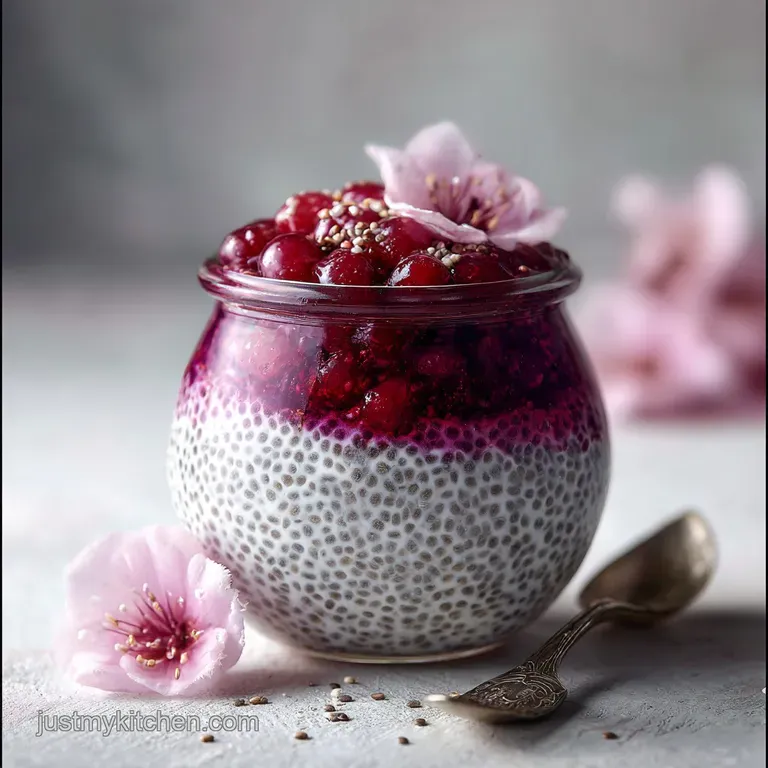
You don't need a high tech lab, but a few specific tools make this process effortless. First, grab a 16 ounce wide mouth Mason jar. The shape is perfect for whisking and it’s airtight for the fridge.
A small wire whisk is far superior to a spoon here because it breaks up those stubborn little seed islands that love to form in the center of the liquid.
If you’re making a double batch, a medium glass mixing bowl is better so you have room to move. Honestly, don't bother with a fork - it just doesn't provide enough aeration to get the vanilla and salt properly distributed.
If you're feeling fancy, a digital kitchen scale is great for getting exactly 1/4 cup of seeds (roughly 40 grams) for the most consistent results every single week.
Simple Steps for Achieving a Perfectly Set Breakfast
- Shake the coconut milk. Open your 1 cup full fat canned coconut milk and pour it into a jar. Note: Canned milk often separates into liquid and solid cream; shaking ensures a smooth base.
- Add the sweeteners. Pour in 1.5 tablespoons maple syrup and 1 teaspoon vanilla extract.
- Season the base. Add 1 pinch sea salt to the liquid.
- Incorporate the seeds. Add 1/4 cup chia seeds to the jar.
- Initial whisking. Stir vigorously for 60 seconds until no seed clumps remain visible.
- The "Wait and See". Let the jar sit on the counter for 5 minutes. Note: This allows the outer hulls to begin softening before they settle.
- Second whisking. Stir again for another 30 seconds until the mixture starts to look slightly thickened.
- Seal and chill. Secure the lid and refrigerate for at least 4 hours.
- Final texture check. Give it a quick stir before serving until it looks like a thick, velvety custard.
Mastering the Texture and Fixes for Common Clumping Issues
Why Your Seed Pudding Is Runny
If your pudding looks more like soup after 4 hours, the issue is usually the liquid to seed ratio or the age of the seeds. Chia seeds have a shelf life, and old seeds simply won't absorb liquid as effectively.
Also, if you used a "carton" coconut milk instead of the canned version, the lower fat content can result in a thinner set.
Dealing With Gritty Seed Clumps
Clumping happens when the seeds aren't agitated enough during the first ten minutes of hydration. They stick together like glue, and once they've formed a dry centered ball, no amount of fridge time will fix it.
The double whisking method mentioned in the instructions is your best defense against this texture nightmare.
| Problem | Root Cause | Solution |
|---|---|---|
| Liquid on top | Seeds settled too fast | Whisk again 10 minutes after the first mix. |
| Crunchy center | Incomplete hydration | Ensure seeds are fully submerged; extend chill time to 6 hours. |
| Bland flavor | Lack of aromatics | Double the vanilla or add a squeeze of lime juice. |
Common Mistakes Checklist - ✓ Always shake the coconut milk can before measuring to avoid "fat pockets." - ✓ Never skip the 5 minute rest and second stir; it's the only way to prevent clumping. - ✓ Use full fat canned milk for that "shatter on-the tongue" richness.
- ✓ Avoid using "light" maple syrup; the water content can throw off the gelling process. - ✓ Ensure your seeds are stored in a cool, dark place to keep them active.
Adjusting Batch Sizes for Weekly Meal Prep Success
Scaling this recipe is incredibly straightforward since it’s a liquid to solid ratio. If you want to make a single serving, just cut everything in half. For a half batch, use 2 tablespoons of seeds and 1/2 cup of milk.
You might notice it sets a bit faster in a smaller container, so check it after 3 hours.
If you’re prepping for the whole week and want to 4x the recipe, keep an eye on the spices. Don't quadruple the salt; stick to about 2.5x the amount to avoid an overly savory pudding. For large batches, I recommend whisking in a large bowl first and then portioning into individual jars.
This ensures every jar gets an equal distribution of seeds and cream.
Debunking Common Misconceptions about Seed Hydration
One myth I hear constantly is that you must use hot water or warm milk to "activate" the seeds. This is actually counterproductive. While heat speeds up the gelling, it can also lead to a "slimy" texture rather than a creamy one. Cold hydration over several hours produces a much cleaner, more pleasant mouthfeel.
Another common mistake is thinking that white and black chia seeds have different thickening powers. In reality, they are nutritionally almost identical and behave exactly the same way in a Seed Pudding with Coconut Milk.
The only difference is visual - white seeds blend in for a cleaner look, while black seeds provide that classic, speckled appearance we all love.
Safe Storage Practices and Creative Zero Waste Repurposing
This Chia Seed Pudding is a meal prep champion. It stays perfectly fresh in the fridge for 5 days if kept in an airtight container. If you notice a little separation after a few days, just give it a vigorous stir to re incorporate the coconut fats.
I don't recommend freezing the finished pudding; the ice crystals can break the delicate mucilage bonds, leaving you with a watery mess once thawed.
If you find yourself with leftovers that you’re tired of eating as a pudding, don't toss them! You can blend the leftovers into a smoothie for a massive fiber boost. Another zero waste trick is to use a few spoonfuls as a "fat replacement" in vegan baking.
The hydrated seeds provide moisture and binding power similar to an egg, which works brilliantly in muffin batters or pancake mixes.
Top Nutrient Dense Pairings for a Truly Incredible Morning
Folding in Probiotic Yogurt
Adding a dollop of Greek yogurt or a plant based almond yogurt to the top of your set pudding adds a tangy contrast to the sweet coconut. It also boosts the protein content significantly, making it a more balanced meal. I like to marble it through the pudding right before eating for a beautiful visual effect.
Crafting a Mango Sunrise
Nothing pairs with coconut like fresh mango. The acidity of the fruit cuts through the heavy fats of the milk perfectly. To make it a "Sunrise," layer the pudding with mango purée and top with toasted coconut flakes.
The crunch of the flakes against the velvety pudding provides that essential sensory contrast that makes a dish feel complete.
The Nutty Crunch Addition
If you’re someone who needs texture, adding a handful of toasted pepitas or slivered almonds is a game changer. I usually add these right before eating so they don't lose their "shatter" in the moisture of the pudding.
A drizzle of almond butter over the top provides an extra layer of richness that pairs beautifully with the vanilla notes.
Recipe FAQs
Is chia pudding with coconut milk healthy?
Yes, it's a nutrient dense choice. Chia seeds are packed with fiber, omega-3 fatty acids, and protein, while full fat coconut milk provides healthy fats. This combination can keep you feeling full and satisfied.
What is the ratio of chia seeds to coconut milk?
A common starting point is 1:4 chia seeds to liquid. For example, use 1/4 cup of chia seeds for every 1 cup of coconut milk. This ratio helps achieve a thick, pudding like consistency.
What should you not mix with chia seeds?
Avoid mixing them with ingredients that will cause them to clump before hydrating. For best results, whisk chia seeds into liquid and let them hydrate; adding them to very thick batters or dry mixes without adequate liquid can lead to clumps.
Is it okay to soak chia seeds in coconut milk?
Yes, it's ideal. Coconut milk, especially full fat canned varieties, is excellent for soaking chia seeds because its fat content contributes to a rich, creamy texture and helps slow down hydration for an even gel.
How do I prevent chia pudding from being too watery?
Ensure you use the correct seed-to-liquid ratio and whisk thoroughly. Using full fat canned coconut milk and giving the pudding a second whisk after about 5-10 minutes of sitting helps prevent clumping and ensures a thicker set.
Can I use lighter coconut milk for chia pudding?
It's best to use full fat canned coconut milk for the thickest texture. Lighter or carton coconut milk has less fat and may result in a thinner, more liquid pudding that doesn't set as firmly.
How long should chia seeds soak in coconut milk?
Soak for at least 4 hours, or preferably overnight in the refrigerator. This allows the chia seeds to fully absorb the liquid and form their characteristic gel, creating a thick, pudding like consistency.
Chia Seed Pudding
Ingredients:
Instructions:
Nutrition Facts:
| Calories | 391 kcal |
|---|---|
| Protein | 6 g |
| Fat | 32 g |
| Carbs | 23 g |
| Fiber | 8 g |
| Sugar | 10 g |
| Sodium | 118 mg |
