Italian Salsa Verde: Fresh and Zesty
- Time: Active 15 minutes, Passive 0 minutes, Total 15 minutes
- Flavor/Texture Hook: Zesty, briny, and vibrantly herbaceous
- Perfect for: Sunday roasts, grilled seafood, or meal prep dressings
- Fresh and Zesty Italian Salsa Verde Recipe
- The Secret to the Perfect Zing
- Simple Specs for Quick Kitchen Success
- Fresh Components for Maximum Flavor Impact
- Essential Tools for Perfect Herb Texture
- Step-By-Step Prep for Vibrant Results
- Fixing Common Green Sauce Mistakes
- Easy Swaps for Different Diets
- Keeping Your Herb Sauce Fresh
- Best Ways to Enjoy This Sauce
- Recipe FAQs
- 📝 Recipe Card
Fresh and Zesty Italian Salsa Verde Recipe
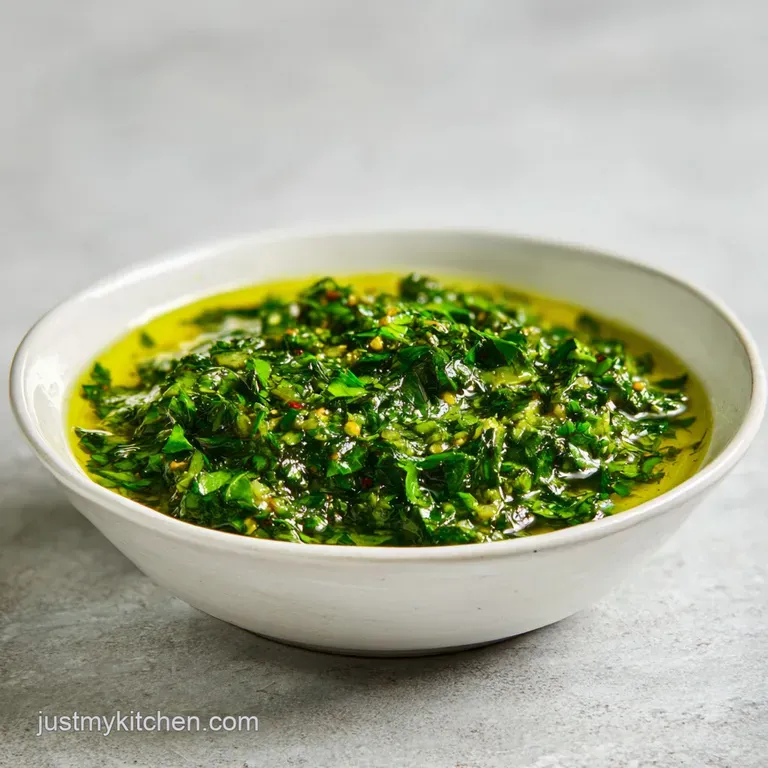
Close your eyes and imagine the sharp, clean scent of two entire cups of flat leaf parsley hitting the cutting board. As the knife rocks back and forth, the aroma of fresh mint and minced chives begins to mingle with the pungent, salty tang of capers and anchovy fillets.
It is a sensory explosion that wakes up the kitchen before the stove is even turned on. This isn't just a sauce; it is a bright, green exclamation point for your dinner.
I remember the first time I ditched the food processor and chopped this by hand. The difference was startling. Instead of a muddy, oxidized paste, I had a shimmering, emerald mosaic of herbs that caught the light.
Each bite offered a different tiny surprise a hit of lemon zest here, a salty pop of a caper there. It transformed a simple piece of grilled chicken into something that felt like a celebration in the middle of a Tuesday.
We have all been there staring at a piece of protein that looks a little dull. Maybe the steak is a bit too heavy, or the fish is a little too mild. That is where this Italian Salsa Verde comes in to save the day.
It provides that necessary hit of acidity and freshness that balances out the plate. Trust me, once you see how those vibrant greens look against a golden brown crust, you will never want to eat a "naked" steak again.
The Secret to the Perfect Zing
Understanding why this Italian Salsa Verde recipe works comes down to the balance of heavy and light elements. It is a calculated dance between the fat of the oil and the sharp bite of the vinegar.
- Aromatic Stability: The use of flat leaf parsley provides a sturdy, grassy base that holds up to the aggressive acids without wilting immediately.
- Brine Synergy: Anchovies and capers act as natural flavor enhancers, providing a deep, savory foundation that mimics the effect of salt while adding complex fermented notes.
- Emulsion Control: Whisking the oil into the vinegar and mustard first creates a stable suspension that coats the herbs rather than soaking into them.
- Manual Friction: Hand chopping prevents the heat of a motor from bruising the herbs, which keeps the sauce bright green and prevents it from turning bitter.
| Method | Prep Time | Texture | Flavor Profile |
|---|---|---|---|
| Fresh Hand Chopped | 15 minutes | Chunky, rustic, distinct layers | Vibrant, clean, multi dimensional |
| Food Processor | 5 minutes | Smooth, paste like, uniform | Muddled, slightly bitter, metallic |
| store-bought Jar | 0 minutes | Oily, soft, muted colors | Flat, overly salty, vinegar heavy |
Choosing the hand chopped route is always worth the extra ten minutes of effort. When you chop by hand, you control the "shatter" of the herbs. You want them fine, but not pulverized.
This maintains the structural integrity of the leaves, ensuring that the traditional italian salsa verde remains light and refreshing rather than becoming a heavy, oily sludge.
Simple Specs for Quick Kitchen Success
Before we start chopping, let's look at the numbers that make this dish a success. Staying within these parameters ensures your sauce has the right "drip" and doesn't just sit in a clump on the side of your plate. Consistency is key when you are aiming for that easy homemade salsa verde experience.
| Ingredient | Science Role | Pro Secret |
|---|---|---|
| Extra Virgin Olive Oil | Fat Carrier | Use a peppery oil to complement the fresh mint |
| Dijon Mustard | Emulsifier | Prevents the oil and vinegar from separating on the plate |
| Red Wine Vinegar | Acid Brightener | Cuts through the richness of the anchovies and oil |
| Anchovy Fillets | Umami Base | Dissolve them into the herbs so they add depth without fishiness |
When you are putting this together, remember that the texture should resemble coarse sand before the oil is added. This ensures that every spoonful has an even distribution of the flavor powerhouses like garlic and capers.
If the pieces are too large, the sauce feels clumsy; if they are too small, it loses its rustic charm.
Fresh Components for Maximum Flavor Impact
The quality of your fresh herb salsa verde recipe depends entirely on the freshness of your greens. Since there is no cooking involved, every ingredient is standing in the spotlight.
- 2 cups Fresh Italian Flat Leaf Parsley: Leaves and tender stems, packed. Why this? It provides the bulk and the classic "green" flavor profile.
- Substitute: Fresh cilantro (changes the profile to a more Latin American chimichurri style).
- 1/4 cup Fresh Mint Leaves: Why this? Adds a cooling, floral top note that balances the heavy garlic.
- Substitute: Fresh basil for a sweeter, more Mediterranean aroma.
- 1 tbsp Fresh Chives: Finely minced. Why this? Offers a mild onion bite without the harshness of raw shallots.
- Substitute: The green tops of scallions.
- 4 Oil Packed Anchovy Fillets: Why this? The secret source of savory depth; they will melt into the sauce.
- Substitute: 1 tsp of white miso paste for a similar salty umami hit.
- 2 tbsp Non pareil Capers: Rinsed and drained. Why this? Small capers provide little bursts of acidic saltiness.
- Substitute: Chopped green olives (Picholine or Castelvetrano).
- 2 Garlic Cloves: Grated. Why this? Grating ensures the garlic flavor is evenly dispersed without chunky bites.
- Substitute: Garlic confit for a more mellow, roasted flavor.
- 1 tsp Dijon Mustard: Why this? Acts as the "glue" for the emulsion and adds a tiny spicy kick.
- Substitute: Whole grain mustard for added texture.
- 1/2 cup high-quality Extra Virgin Olive Oil: Why this? The main fat source that carries all other flavors to the palate.
- Substitute: Avocado oil (though you lose the distinct olive flavor).
- 2 tbsp Red Wine Vinegar: Why this? Provides the sharp tang necessary to wake up the herbs.
- Substitute: Fresh lemon juice or Sherry vinegar.
- 1/2 tsp Lemon Zest: Finely grated. Why this? Adds citrus oils that provide a bright aroma vinegar can't mimic.
- Substitute: Lime zest for a more tropical twist.
- 1/4 tsp Sea salt: Why this? Enhances the natural flavors of the greens.
- 1/4 tsp Freshly cracked black pepper: Why this? Provides a subtle back of-the throat heat.
Essential Tools for Perfect Herb Texture
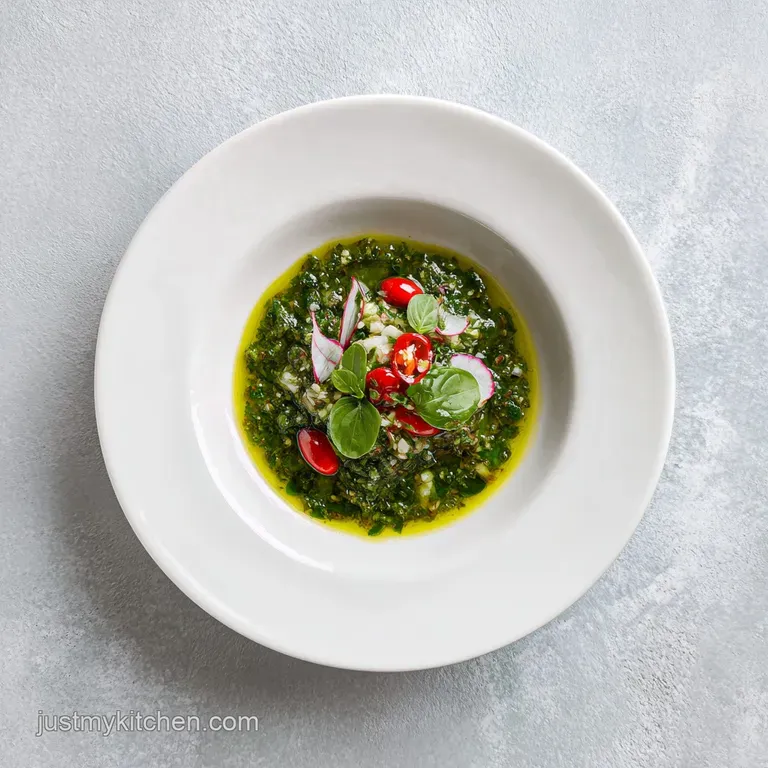
You don't need much for an authentic italian salsa verde, but the tools you choose will dictate the final texture. Avoid high speed blenders if you can; they tend to whip air into the oil, creating a pale, creamy mayo like sauce instead of a translucent green oil.
- Sharp Chef's Knife or Mezzaluna: This is your most important tool. A dull knife will bruise the parsley, making it turn dark and watery.
- Large Wooden Cutting Board: Wood absorbs a bit of the moisture from the herbs, keeping them from slipping while you chop.
- Small Mixing Bowl: For whisking the dressing base.
- Microplane or Fine Grater: Essential for the garlic and lemon zest to ensure they are fully integrated.
- Whisk: To create that loose, vibrant emulsion with the oil and vinegar.
If you are serving this alongside other Mediterranean dishes, it functions much like a homemade tzatziki sauce — it is the cooling, bright counterpoint to a savory main. Keeping your tools clean and dry is vital; any water left on the herbs will prevent the oil from clinging to them properly.
step-by-step Prep for Vibrant Results
- Crisp the herbs. Wash the parsley and mint in ice cold water for 2 minutes. Note: This shocks the cells and makes the herbs "shatter" cleanly under the knife.
- Dry thoroughly. Use a salad spinner or pat the herbs between paper towels until completely dry. Note: Excess water will break the emulsion and make the sauce look "broken" and watery.
- Mince the base. Finely chop the parsley, mint, anchovy fillets, and capers by hand. Continue until they reach a texture resembling coarse sand.
- Prepare the aromatics. Grate the garlic and lemon zest into a small mixing bowl.
- Build the dressing. Whisk in the Dijon mustard and red wine vinegar until smooth.
- Emulsify the oil. Slowly stream in the 1/2 cup of extra virgin olive oil while whisking constantly. Stop once the mixture is glossy and combined.
- Combine elements. Fold the chopped herb and brine mixture into the oil and vinegar base using a spoon.
- Season carefully. Add the sea salt and black pepper. Note: Taste first, as the capers and anchovies already provide significant salt.
- Allow flavor meld. Let the sauce sit at room temperature for at least 15 minutes. Watch for the oil to turn a deeper shade of emerald.
- Serve at room temp. Give it a final stir before spooning it over your dish.
Fixing Common Green Sauce Mistakes
Even a simple italian green sauce for fish can run into trouble if the balance is off. The most common issue I see is a sauce that tastes "muddy" or one that is so salty it masks the flavor of the meat.
If your sauce tastes too sharp, a tiny pinch of sugar can help, but usually, it just needs more oil to mellow the acid.
Why Your Salsa Verde Tastes Bitter
Bitterness usually comes from two places: bruised herbs or low quality olive oil. If you over process the parsley, it releases bitter chlorophyll. Similarly, if your olive oil is old or rancid, that bitterness will permeate the whole bowl.
| Problem | Root Cause | Solution |
|---|---|---|
| Separating Sauce | Oil added too quickly | Whisk in a teaspoon of warm water or more mustard to re bind |
| Too Salty | Over seasoning | Add more chopped parsley and a splash of vinegar to dilute |
| Dull Color | Herb oxidation | Add the vinegar only right before serving to keep it bright |
Common Mistakes Checklist
- ✓ Never skip the drying step; wet herbs lead to a greasy, separated mess.
- ✓ Always grate the garlic rather than mincing it to avoid "hot" spicy chunks.
- ✓ Don't use the stems of the mint, as they are woody and bitter.
- ✓ Use the sauce within 2 hours for the most vibrant green color.
- ✓ Avoid metal bowls if storing for more than 30 minutes to prevent a metallic tang.
Easy Swaps for Different Diets
Adapting this italian salsa verde for porchetta to fit your family's needs is quite simple. While the traditional version relies on anchovies for that deep umami, you can still achieve a "joyful" and "comforting" result without them.
If you want a vegan version, do this: Swap the anchovies for 1 tablespoon of finely chopped kalamata olives or 1 teaspoon of white miso paste. Increase the capers by 1 tablespoon to maintain the brine level. Ensure your Dijon mustard is a vegan certified brand.
If you want a milder sauce, do this: Reduce the garlic to one clove and blanch it in boiling water for 30 seconds before grating. Double the amount of fresh mint to emphasize the cooling notes over the sharp ones.
For a hearty family meal, this sauce is a dream when drizzled over a warm Pasta e Fagioli recipe. It adds a layer of freshness that cuts through the creamy beans and rich pasta broth.
Keeping Your Herb Sauce Fresh
Because this sauce relies on fresh enzymes and raw oils, it is best enjoyed shortly after it is made. However, life happens, and sometimes you need to prep ahead for a busy weeknight.
- Fridge: Keep in an airtight glass jar for up to 3 days. To prevent oxidation (browning), pour a thin layer of olive oil over the top to "seal" the herbs from the air.
- Freezer: You can freeze this in ice cube trays for up to 3 months. Note that the texture of the herbs will be softer once thawed, so it is better for stirring into soups than as a fresh topping.
- Zero Waste: Don't toss the parsley stems! While we only use the tender parts for the sauce, the tougher stems are packed with flavor. Freeze them in a bag and toss them into your next pot of vegetable or chicken stock for an instant aromatic boost.
Best Ways to Enjoy This Sauce
The beauty of Italian Salsa Verde is its versatility. It is the ultimate "power player" in a busy kitchen because it works across so many different flavor profiles. While it is traditionally an italian green sauce for fish, don't let that limit you.
- On the Grill: Slather it over charred octopus or grilled shrimp. The smoke from the fire loves the acidity of the vinegar.
- The Sandwich Hero: Use it as a spread for a porchetta sandwich or even a high end roast beef wrap. It provides a "velvety" mouthfeel without the heaviness of mayo.
- The Roasted Veggie Boost: Toss it with hot, roasted fingerling potatoes or charred cauliflower. The heat of the vegetables will release the oils in the herbs, creating a spectacular aroma.
- Breakfast Twist: A spoonful over poached eggs and avocado toast is a "game changer" for your morning routine.
If you are looking for a "dinner" solution that feels "joyful" and "quick," this sauce is your best friend. It takes the most basic ingredients herbs, oil, and vinegar and turns them into a professional level condiment that makes every family meal feel a little more special.
It's the kind of "comfort" food that doesn't weigh you down, leaving you feeling refreshed and satisfied.
Recipe FAQs
What is the Italian version of salsa verde?
It is a vibrant, uncooked herb based sauce known as salsa verde. Unlike its Mexican namesake, the Italian version relies on a base of fresh flat leaf parsley, mint, capers, and anchovies emulsified in extra virgin olive oil.
What is the difference between Mexican and Italian salsa verde?
They share a name but differ completely in ingredients and profile. Mexican salsa verde uses tomatillos and green chiles as a cooked base, whereas the Italian version uses fresh herbs, garlic, and vinegar to create a bright, pungent condiment.
Is salsa verde ok for GERD?
No, it is generally not recommended. The recipe contains garlic, red wine vinegar, and black pepper, all of which are common triggers for acid reflux or GERD symptoms.
What is Italian green sauce?
It is a classic, hand chopped mixture of herbs, brine, and high-quality oil. By focusing on the Recipe in 20 Minutes used here, you achieve a stable sauce that perfectly enhances proteins like fish or boiled meats.
How to achieve the best texture for this sauce?
Chop the parsley, mint, anchovies, and capers by hand until they resemble coarse sand. Using a chef's knife or mezzaluna ensures you get distinct textures rather than a watery, blended puree.
How to keep the sauce from breaking?
Dry your herbs completely after washing them in ice-cold water. Any excess water trapped on the leaves will dilute the emulsion and cause the oil and vinegar base to separate, leading to a watery sauce.
How to store Italian salsa verde?
Keep it in a non-metal container at room temperature if serving within 30 minutes. For longer storage, refrigerate for up to two hours to maintain the vibrant green color, though the sauce is best enjoyed fresh.
Authentic Italian Salsa Verde
Ingredients:
Instructions:
Nutrition Facts:
| Calories | 88 kcal |
|---|---|
| Protein | 0.8 g |
| Fat | 9.3 g |
| Carbs | 1.0 g |
| Fiber | 0.4 g |
| Sugar | 0.1 g |
| Sodium | 122 mg |
