Authentic Homemade Tamales: Tender Pork and Silky Masa
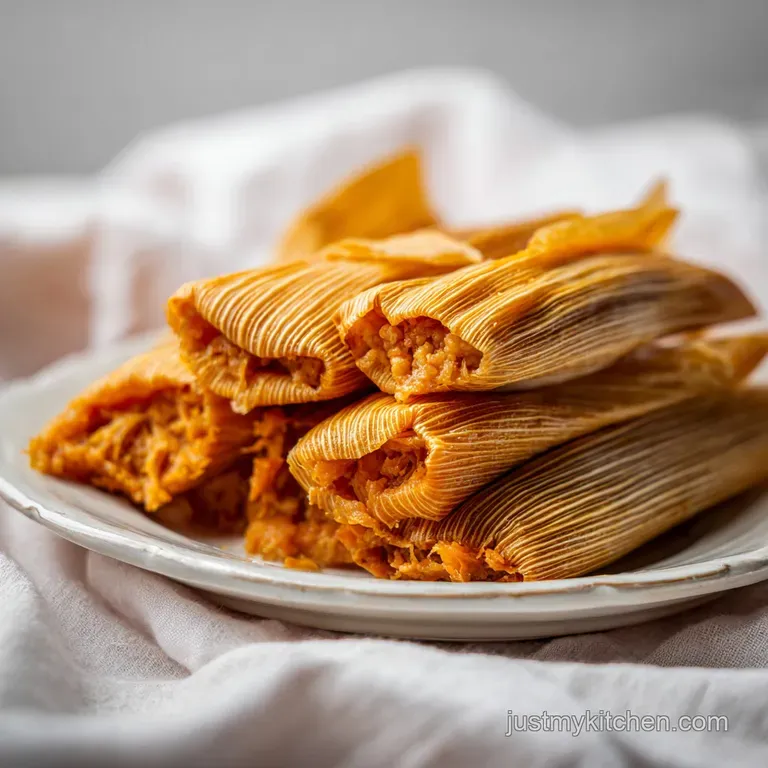
- Time: Active 90 minutes, Passive 180 minutes, Total 270 minutes
- Flavor/Texture Hook: Silky, melt in-your mouth masa with a savory, red chile kick.
- Perfect for: Holiday gatherings, family weekend projects, or meal prepping for the freezer.
- Reasons You Will Love Homemade Tamales
- Clever Mechanisms Behind the Texture
- Essential Timing and Portions for Success
- Selecting Quality Ingredients for Mexican Tamales
- Necessary Tools for a Smooth Session
- Step-by-Step Guide to Perfecting Your Tamales
- Fixing Texture and Moisture Issues
- Flavorful Variations for Every Diet
- Scaling the Recipe for Large Crowds
- Debunking Common Tamale Misconceptions
- Keeping Your Tamales Fresh and Moist
- What to Serve Alongside Your Feast
- Recipe FAQs
- 📝 Recipe Card
Reasons You Will Love Homemade Tamales
There is nothing quite as heartbreaking as peeling back a corn husk only to find a dry, crumbly brick of cornmeal that sticks to your teeth. We've all been there usually at a potluck where someone brought "authentic" tamales that ended up being more like construction material.
The secret I learned after a few dense disasters is that the masa needs to be treated more like a cake batter than a bread dough. You want it light, airy, and so moist that it practically slides off the husk when you're ready to eat.
This recipe is my absolute favorite because it doesn't take shortcuts where it matters. We are going to whip that lard until it looks like buttercream frosting, and we are going to let that pork shoulder simmer until it gives up all its secrets.
It’s a labor of love, sure, but when you see your family’s faces as they unwrap these steaming little packages of joy, every minute in the kitchen feels worth it. Trust me, once you go homemade, those frozen grocery store versions will never see the inside of your cart again.
The process of making homemade tamales is just as much about the connection as it is about the food. It’s a "Tamalada" a social event where the work is shared and the stories flow as fast as the salsa.
Even if you're making these solo, there's a rhythmic, meditative quality to spreading the masa and folding the husks. By the time that savory aroma starts wafting through your house, you’ll know you’re creating something special. Let’s get your kitchen smelling like a traditional Mexican mercado!
Clever Mechanisms Behind the Texture
The magic of a perfect tamale isn't a mystery; it’s a series of smart steps that handle fat and moisture correctly. If you've ever wondered why some tamales are heavy and others are fluffy, it usually comes down to how much air you've managed to beat into the fat.
- Fat Aeration: Whipping the lard or shortening for several minutes before adding the masa harina creates millions of tiny air bubbles. These bubbles expand during the steaming process, ensuring the masa has a light, sponge like texture instead of a dense, grainy one.
- Collagen Hydrolysis: By simmering the pork shoulder for 3 hours, we are breaking down the tough connective tissues into gelatin. This gelatin mixes with the red chile sauce to create a velvety filling that stays juicy even after the long steaming process.
- Starch Gelatinization: Allowing the masa dough to rest for 15 minutes lets the corn flour fully hydrate. This ensures the starches swell evenly, preventing those gritty "sand like" bites that happen when the dough is rushed straight into the steamer.
- Steam Convection: The corn husks act as individual micro steamers, trapping the moisture inside. This allows the masa to set into a firm yet tender shape without losing its internal hydration to the surrounding heat.
| Cooking Method | Total Time | Texture Result | Best Situation |
|---|---|---|---|
| Classic Steamer | 270 minutes | Silky and traditional | Authentic family gatherings |
| Pressure Cooker | 120 minutes | Dense but very moist | Quick weeknight cravings |
| Slow Cooker | 8 hours | Ultra tender filling | Set it and forget it days |
If you've spent time working with doughs before, you might notice some similarities here. For instance, if you've mastered the hydration levels for my Homemade Pita Bread recipe, you’ll find the masa hydration quite similar in principle. It's all about finding that sweet spot where the dough is workable but still incredibly soft.
Essential Timing and Portions for Success
| Servings | Pork Shoulder | Masa Harina | Lard/Shortening | Broth Amount |
|---|---|---|---|---|
| 14 People | 1.5 lbs | 3 cups | 0.66 cups | 2.25 cups |
| 27 People | 3 lbs | 6 cups | 1.33 cups | 4.5 cups |
| 54 People | 6 lbs | 12 cups | 2.66 cups | 9 cups |
Making sure you have the right amount of filling per person is the key to a stress free party. For this recipe, we are aiming for about 27 tamales, which generally serves about 9 to 13 people if everyone eats 2 or 3.
If you're hosting a massive crowd, I highly recommend prepping the meat a day ahead to keep your sanity intact!
Selecting Quality Ingredients for Mexican Tamales
| Component | Science Role | Pro Secret |
|---|---|---|
| Masa Harina | Structural base | Use "Masa para Tamales" for a coarser, better texture than standard corn flour. |
| Lard | Flavor & tenderness | Fresh lard from a local butcher adds a nutty depth that shortening can't touch. |
| Dried Chiles | Flavor & color | Toast them in a dry pan for 30 seconds to wake up the oils before soaking. |
| Baking Powder | Leavening agent | Ensure it's fresh; it provides the final "lift" during the 90 minute steam. |
Getting the right ingredients for your homemade tamales makes all the difference in the world. While you can find most of these at any grocery store, a quick trip to a local Mexican market will often net you better dried chiles and fresher lard.
For the Red Chile Pork Filling
- 3 lbs pork shoulder: Cut into 2 inch cubes. Why this? High fat/collagen content ensures the meat stays juicy through long cooking.
- 5 dried guajillo chiles: Seeded and stemmed. Why this? Provides a deep, earthy red color and mild sweetness.
- 3 dried ancho chiles: Seeded and stemmed. Why this? Adds a rich, raisin like smoky undertone.
- 4 cloves garlic: Smashed.
- 1 tsp ground cumin: For that classic warm aroma.
- 1 tsp dried oregano: Preferably Mexican oregano for a citrusy note.
- 4 cups water or beef broth: For braising.
For the Best Tamale Masa Recipe
- 6 cups tamale masa harina: This is the corn flour treated with lime.
- 2 tsp baking powder: Essential for that airy, non dense texture.
- 2 tsp fine sea salt: Don't skimp; masa needs salt to taste like corn.
- 1.33 cups lard: Or vegetable shortening or room temp butter.
- 4.5 cups warm chicken or beef broth: Used to hydrate the masa.
For Assembly
- 8 oz dried corn husks: These are the wrappers for our delicious bundles.
| Original Ingredient | Substitute | Why It Works |
|---|---|---|
| Lard (1.33 cups) | Vegetable Shortening (1.33 cups) | Neutral flavor and similar fat structure. Note: Lacks the traditional porky depth. |
| Pork Shoulder | Chicken Thighs | High fat content in thighs keeps them moist. Note: Cooks faster than pork. |
| Beef Broth | Vegetable Broth | Provides the necessary hydration and salt. Note: Results in a lighter flavor profile. |
Necessary Tools for a Smooth Session
You don't need a mountain of fancy gadgets, but a few specific items will make your life much easier. A large Dutch oven is non negotiable for searing that pork and building flavor. For the masa, a stand mixer (like a KitchenAid) is a lifesaver.
You can mix it by hand, but your arm will be screaming by the time you reach that fluffy "peanut butter" consistency.
You'll also need a high speed blender to get that red chile sauce silky smooth. Nobody wants a chunk of chile skin in their tamale. Finally, a large steamer pot with a rack is essential.
If you don't have a dedicated tamale steamer, a large stockpot with a collapsible steamer basket at the bottom works just fine as long as you can keep the tamales upright.
step-by-step Guide to Perfecting Your Tamales
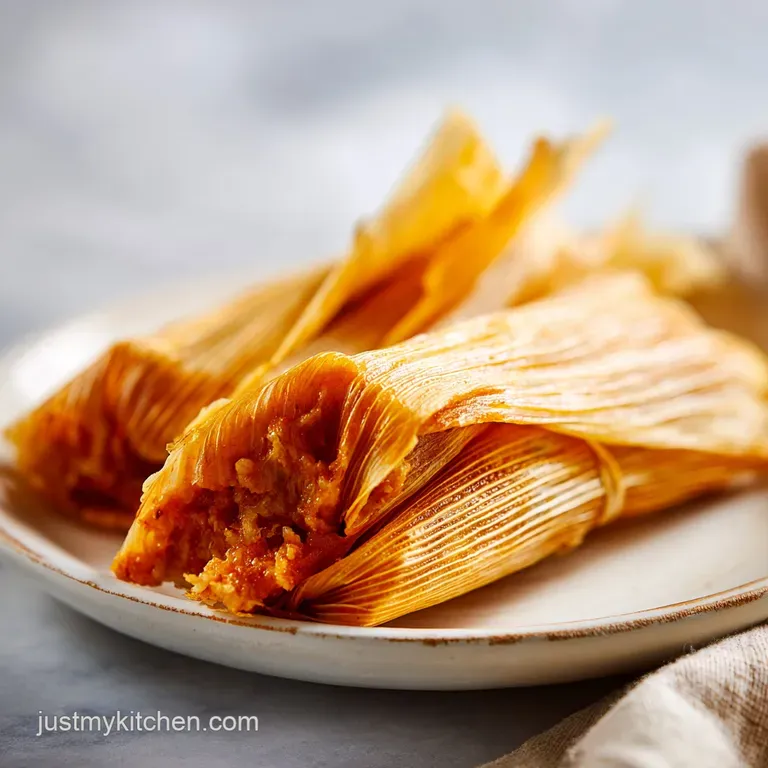
- Soak the husks. Place the dried corn husks in a large bowl and submerge them in very hot water. Weigh them down with a heavy plate for at least 45 minutes until pliable. Note: This prevents them from cracking during folding.
- Sear the meat. In a large Dutch oven, sear the pork shoulder cubes until browned on all sides. Note: This builds a foundation of deep, caramelized flavor.
- Simmer the pork. Add the dried chiles, garlic, cumin, oregano, and 4 cups of broth. Cover and simmer on low for 2.5 to 3 hours until the meat is tender.
- Shred and sauce. Remove the meat and shred it. Blend the remaining braising liquid and chiles into a smooth red sauce, then mix half of the sauce back into the shredded pork.
- Whip the fat. In a stand mixer, whip the lard or shortening until light and fluffy. Note: This is the secret to the "float test" success.
- Mix the masa. Gradually add the masa harina, baking powder, and salt. Slowly pour in the 4.5 cups of warm broth while mixing until the dough looks like thick peanut butter.
- Hydrate the dough. Let the dough rest for 15 minutes to fully hydrate. Note: This prevents a grainy texture.
- Spread the masa. Pat a corn husk dry. Spread a thin layer of masa onto the wide end, leaving a border. Add 1-2 tablespoons of pork filling in the center.
- Fold and secure. Fold the sides together, then fold up the narrow bottom. Repeat for all 27 tamales.
- Steam to finish. Place upright in a steamer basket. Steam for 60-90 minutes until the masa pulls away easily.
Chef's Tip: To see if your masa is ready, drop a small pea sized ball of dough into a glass of water. If it floats, it's airy enough. If it sinks, keep whipping!
Fixing Texture and Moisture Issues
One of the biggest hurdles is getting the masa consistency right. If it's too wet, the tamales will be soggy and never set. If it's too dry, they will crumble into dust the moment you open them. It's a balance of hydration and fat.
Fixing Sticky Masa Issues
If your masa is sticking to the husks even after 90 minutes of steaming, it's usually because the dough was too wet or it hasn't rested enough. When you are spreading the dough, it should feel like soft frosting. If it feels like a heavy paste, add a tablespoon more broth at a time.
If it's runny, add a little more masa harina.
Healing a Dry Filling
Sometimes the pork absorbs all the sauce during the braise, leaving the filling looking a bit parched. Always save the extra red sauce you blended! Mixing that extra sauce into the shredded meat right before assembly ensures that every bite is juicy.
Remember, the steaming process won't add moisture to the filling; it only sets the dough.
| Problem | Root Cause | Solution |
|---|---|---|
| Masa is crumbly | Not enough fat or broth | Increase lard by 2 tbsp and re whip until fluffy. |
| Tamales are soggy | Too much water in steamer | Ensure husks are dry before spreading and don't let water touch the tamales. |
| Masa won't release | Undercooked | Steam for another 15 minutes and let them rest for 10 minutes before opening. |
Common Mistakes Checklist:
- ✓ Always pat the corn husks dry before spreading masa to prevent sliding.
- ✓ Don't overfill the husks; 1-2 tablespoons of meat is plenty for a standard tamale.
- ✓ Stand the tamales upright in the steamer with the open end facing up.
- ✓ Never let the boiling water touch the bottom of the tamales while steaming.
- ✓ Let the tamales rest for 10 minutes after steaming so the masa can firm up.
Flavorful Variations for Every Diet
Once you've mastered the basic homemade tamales technique, the world is your oyster. You can swap the pork for chicken, beef, or even beans. For a lighter version, I often make easy homemade chicken tamales by poaching chicken breasts in the same chile liquid used for the pork.
The method remains identical, but the cook time for the meat is significantly shorter.
If you are looking for a vegetarian alternative, a mixture of roasted poblano peppers and Monterrey Jack cheese (known as Rajas con Queso) is a total crowd pleaser. The cheese melts into the masa as it steams, creating a gooey, savory center that is absolutely addictive.
You can even use vegetable shortening and vegetable broth to make the dough entirely vegetarian friendly.
Sometimes after a long weekend of Mexican cooking, I crave something simple like this Homemade Alfredo Sauce for a quick Monday dinner. It's a nice palate cleanser after all those deep, smoky chiles!
Scaling the Recipe for Large Crowds
If you want to cut the recipe in half, it’s quite simple. Use a smaller pot for the pork and reduce the steaming time by about 10 minutes, though you should still check for the "release" cue from the husk.
If you're using only half an egg (for other doughs), you'd beat it and measure, but here, we just scale the masa and lard linearly.
When doubling the recipe for a huge Tamalada, be careful with the spices. Salt and cumin should only be increased by 1.5x initially you can always add more, but you can't take it away! Also, make sure your steamer is large enough that you aren't packing the tamales too tightly.
They need room for the steam to circulate around each individual husk to cook evenly.
Debunking Common Tamale Misconceptions
You do not need to use fresh rendered lard to make a good tamale. While it is traditional and adds great flavor, high-quality vegetable shortening or even room temperature butter can produce a fantastic result if whipped properly. The texture comes from the air you incorporate, not just the type of fat.
Another big myth is that you have to tie every tamale with a string. Unless you are making a specific regional style like Oaxacan tamales in banana leaves, the fold and stack method is perfectly secure. As long as they are packed upright in the steamer, they won't unroll.
Saving yourself the time of tying 50 little knots is a huge win for efficiency!
Keeping Your Tamales Fresh and Moist
Storage Guidelines: Homemade tamales are the ultimate meal prep food. In the fridge, they stay fresh for about 5 days in an airtight container. If you want to keep them longer, they freeze beautifully. Wrap them in plastic wrap or foil, then place them in a freezer bag for up to 6 months.
Zero Waste Tips: Don't throw away the leftover soaking water from the chiles or the extra corn husks! The chile water can be used as a base for a spicy soup, and unused husks can be dried back out and stored for your next batch.
If you have leftover masa, it makes incredible "gorditas" just flatten them into thick patties and sear them on a griddle.
Reheating Advice: The best way to reheat is to steam them again for about 10-15 minutes. This restores that original silkiness. If you must use a microwave, wrap the tamale in a damp paper towel to prevent it from turning into a corn flavored rock.
What to Serve Alongside Your Feast
A plate of traditional mexican tamales recipe excellence deserves some equally good sidekicks. A simple side of Mexican red rice and refried beans is the classic choice. I also love serving them with a bright, acidic slaw or a fresh pico de gallo to cut through the richness of the lard and pork.
If you're hosting a brunch, these go amazingly well with a side of over easy eggs the yolk acts like an extra sauce for the masa. For a completely different vibe, you might even serve them with a Tzatziki Sauce if you want a cool, cucumber based dip to balance the heat of the red chiles. It’s not traditional, but it’s delicious!
Whatever you choose, make sure you have plenty of lime wedges on hand. A squeeze of fresh lime juice right before that first bite brightens all those deep, earthy flavors and makes the whole dish sing. Enjoy your homemade feast!
Recipe FAQs
What is the secret ingredient in tamales?
Whipping the lard or shortening until light and fluffy is the secret. This creates the airy, cloud like texture of the masa that defines a great tamale.
What is a common mistake when making tamales?
Under soaking the corn husks. If they are not submerged in hot water for at least 45 minutes, they will remain brittle and crack when you attempt to fold the tamales.
Are tamales high in carbs for diabetics?
Yes, they are high in carbohydrates. Because the primary ingredient is masa harina, which is made from ground corn, they will significantly impact blood glucose levels.
What is the main ingredient of tamales?
The primary components are masa harina and dried corn husks. While the pork provides the filling, the corn based dough and the steamed husk wrap are the structural foundations of the dish.
How to check if tamales are fully steamed?
Test one after 60 minutes to see if the masa easily pulls away from the husk. If the dough still sticks to the corn husk, keep steaming for up to another 30 minutes.
How to ensure the masa dough has the right consistency?
Mix the warm broth slowly into the dry ingredients until it reaches the texture of thick peanut butter. If you enjoyed mastering this specific texture control, you can apply the same logic to balancing the consistency of doughs in other recipes.
How to prevent the pork filling from being too dry?
Blend the braising liquid with the chiles and mix half of it back into the shredded meat. This ensures every bite remains succulent and well seasoned once the tamale is steamed.
Authentic Homemade Tamales
Ingredients:
Instructions:
Nutrition Facts:
| Calories | 302 kcal |
|---|---|
| Protein | 10.7 g |
| Fat | 16.8 g |
| Carbs | 17.9 g |
| Fiber | 2.4 g |
| Sugar | 0.8 g |
| Sodium | 528 mg |
