Amazing 5 Minute Baked Honey Marinade Cod
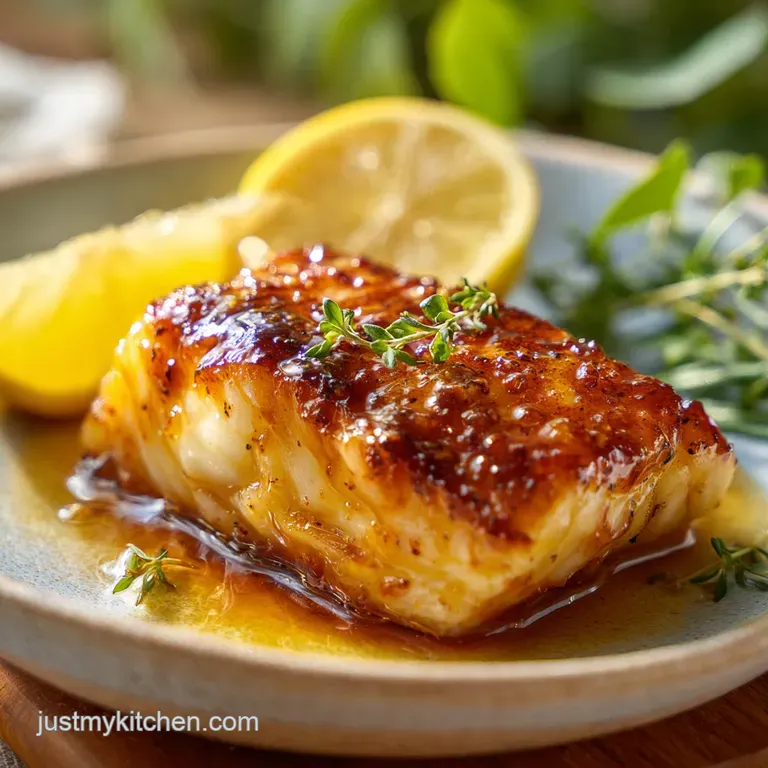
- Time: Active 5 minutes, Passive 12 minutes, Total 17 minutes
- Flavor/Texture Hook: Flaky, sweet tart, and buttery smooth
- Perfect for: Busy weeknights, budget conscious healthy eating, and beginner cooks
- The Physics of the Flake
- Component Analysis and Logic
- Essential Pantry Staples and Substitutes
- Kitchen Tools for Perfect Fish
- Simple Step-by-Step Cooking Guide
- Nutrient Dense and Flavorful Eating
- Solving Common Cooking Mistakes
- Scaling Guidelines for Groups
- Budget Alternatives for Fish
- Debunking Common Kitchen Myths
- Keeping Your Leftovers Fresh
- Best Sides for This Dish
- Recipe FAQs
- 📝 Recipe Card
The Physics of the Flake
- Hygroscopic Barrier: Honey acts as a humectant, meaning it physically attracts and holds onto water molecules, preventing the fish proteins from tightening too quickly and squeezing out juice.
- Enzymatic Tenderization: The citric acid in the lemon juice gently begins to break down the tough connective tissues (collagen) in the fish before it even hits the heat.
- Maillard Acceleration: The small amount of soy sauce provides amino acids that interact with the sugars in the honey, allowing for browning at a lower temperature than sugar alone would achieve.
- Lipid Emulsification: Whisking the extra virgin olive oil into the honey creates a temporary emulsion that ensures every square inch of the cod is coated in a fat rich layer for even heat distribution.
| Thickness | Internal Temp | Rest Time | Visual Cue |
|---|---|---|---|
| 0.5 inch | 145°F (63°C) | 2 mins | Opaque and easily separated |
| 1 inch | 145°F (63°C) | 3 mins | Flaking in large, moist chunks |
| 1.5 inches | 145°F (63°C) | 5 mins | Center no longer translucent |
Making sure you don't overcook the fish is the difference between a silky meal and something that feels like eating a pencil eraser. Cod is a lean protein, which means it doesn't have the fatty "insurance policy" that salmon has.
I always recommend using a digital thermometer if you have one, but if not, the "flake test" with a fork is your best friend.
Component Analysis and Logic
Selecting the right ingredients for a five minute prep is all about maximizing impact with minimal items. I've found that using raw honey provides a thicker consistency that clings to the fish better than the highly processed, thin honey you sometimes find in plastic bear bottles.
If your honey is too thick to whisk, just pop it in the microwave for five seconds to loosen the molecular bonds.
| Ingredient | Science Role | Pro Secret |
|---|---|---|
| Cod Fillets | Lean Protein | Pat them bone dry so the marinade sticks instead of sliding off |
| Raw Honey | Caramelization | Use dark honey for a deeper, more molasses like flavor profile |
| Fresh Lemon | Acid Balance | Roll the lemon on the counter first to break the juice sacs |
| Garlic | Aromatics | Mince it ultra fine so it melts into the honey sauce |
The soy sauce might seem like a strange addition to a lemon oregano dish, but it’s there for the glutamates. It provides a savory backbone that makes the honey taste less like dessert and more like a sophisticated glaze.
It's a trick I picked up after many failed attempts at making a "simple" lemon sauce that just tasted like hot lemonade.
Essential Pantry Staples and Substitutes
Don't panic if you’re missing one or two things; this recipe is incredibly forgiving as long as you keep the ratios of sweet to acid roughly the same. I once ran out of lemons and used a splash of rice vinegar it wasn't exactly the same, but it still provided that necessary brightness to cut through the honey.
- 4 (6 ounce) Cod Fillets: You want these to be of similar thickness so they cook at the same rate. Why this? Cod is mild, affordable, and takes on the marinade flavors beautifully without being "fishy."
- Substitute: Haddock or Pollock. These have a similar flake structure and fat content.
- 3 tbsp Raw Honey: This provides the body of the sauce. Why this? Honey creates a sticky glaze that mimics a long simmered reduction in minutes.
- Substitute: Maple syrup (Grade A). It adds a woody sweetness but is thinner, so reduce the lemon juice slightly.
- 2 tbsp Freshly Squeezed Lemon Juice: The vital acid component. Why this? It brightens the heavy sugars and helps tenderize the fish fibers.
- Substitute: Lime juice or white wine vinegar.
- 1 tbsp Extra Virgin Olive Oil: For moisture and heat conduction. Why this? Olive oil adds a fruity depth that complements the oregano.
- Substitute: Avocado oil or melted butter for a richer, more indulgent finish.
- 3 Cloves Garlic: The flavor powerhouse. Why this? Finely minced garlic infuses the oil and honey during the short bake time.
- Substitute: 1 tsp garlic powder if you're in a rush, though the flavor is more muted.
- 1 tsp Soy Sauce: For umami and salt. Why this? It adds complexity and helps the browning process (Maillard reaction).
- Substitute: Tamari (for gluten-free) or a pinch of extra sea salt.
- 0.5 tsp Dried Oregano: The herbal finish. Why this? Oregano pairs naturally with lemon and garlic for a Mediterranean vibe.
- Substitute: Dried thyme or Italian seasoning mix.
If you happen to be out of cod entirely, this glaze is surprisingly versatile. It actually works brilliantly with shellfish too. For another quick dinner option, you might want to try my Honey Garlic Shrimp recipe which uses a very similar flavor profile but cooks even faster on the stovetop.
Kitchen Tools for Perfect Fish
You don't need a professional kitchen to pull this off, but a few specific tools make the process much smoother. I personally swear by using a rimmed baking sheet lined with parchment paper.
The honey in the marinade will inevitably run off the fish and onto the tray; if you don't use parchment, you'll be scrubbing burnt sugar off your pans for an hour.
A small glass bowl and a sturdy whisk are also essential. You want to whisk the marinade until the olive oil and honey are completely combined look for a uniform, slightly opaque appearance. If you see streaks of oil floating on top, keep whisking.
This ensures every bite of the fish gets the same balance of fat and flavor. Finally,, a fish spatula (that long, thin, flexible metal one) is the best tool for moving the fillets. Since cod is so flaky, a regular chunky turner can sometimes break the fillets apart before they even reach the plate.
Simple step-by-step Cooking Guide
- Preheat the oven. Set your oven to 400°F (200°C) and place the rack in the center position. Note: High heat is necessary to caramelize the honey before the fish overcooks.
- Prep the baking tray. Line a rimmed baking sheet with parchment paper or a silicone mat.
- Dry the fish. Use paper towels to pat the 4 cod fillets completely dry on all sides. Note: Surface moisture creates steam, which prevents the glaze from sticking.
- Season the fillets. Sprinkle 0.5 tsp sea salt and 0.25 tsp cracked black pepper evenly over the cod.
- Whisk the marinade. In a small bowl, combine 3 tbsp raw honey, 2 tbsp lemon juice, 1 tbsp olive oil, 3 cloves minced garlic, 1 tsp soy sauce, and 0.5 tsp dried oregano.
- Coat the cod. Place the fish on the prepared tray and pour the marinade over each fillet. Note: Use a spoon to ensure the garlic bits stay on top of the fish.
- Bake the fish. Slide the tray into the oven and bake for 12 minutes until the fish is opaque and flakes easily with a fork.
- Baste halfway through. Carefully spoon some of the escaping juices back over the fish at the 6 minute mark.
- Rest the protein. Remove from the oven and let the cod sit on the tray for 2 minutes. Note: This allows the juices to redistribute so the fish stays moist.
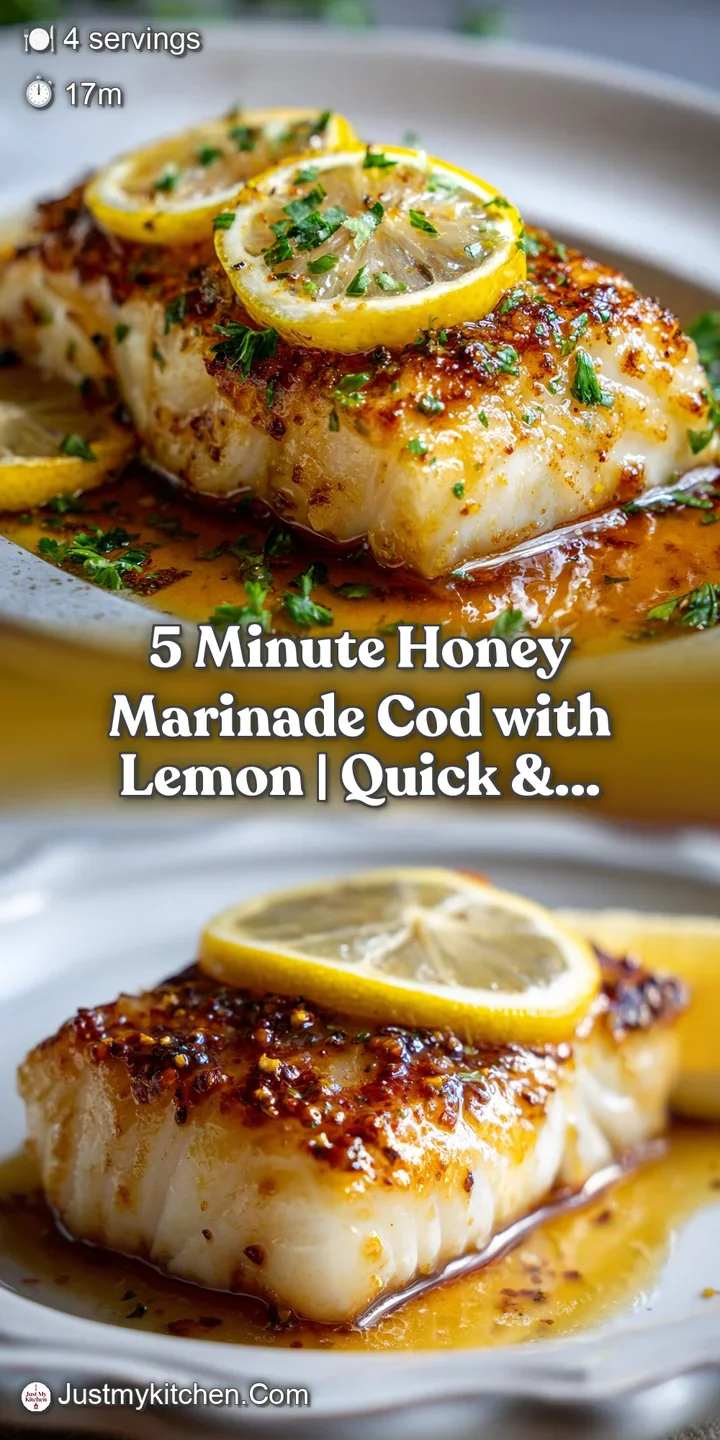
- Final touch. Garnish with fresh lemon slices or a sprinkle of parsley if you want to be fancy.
Chef's Tip: If the honey hasn't browned as much as you'd like by the 12 minute mark, turn on the broiler for the final 60 seconds. Keep a close eye on it, as the sugar in the honey can go from golden to charred in a heartbeat.
Nutrient Dense and Flavorful Eating
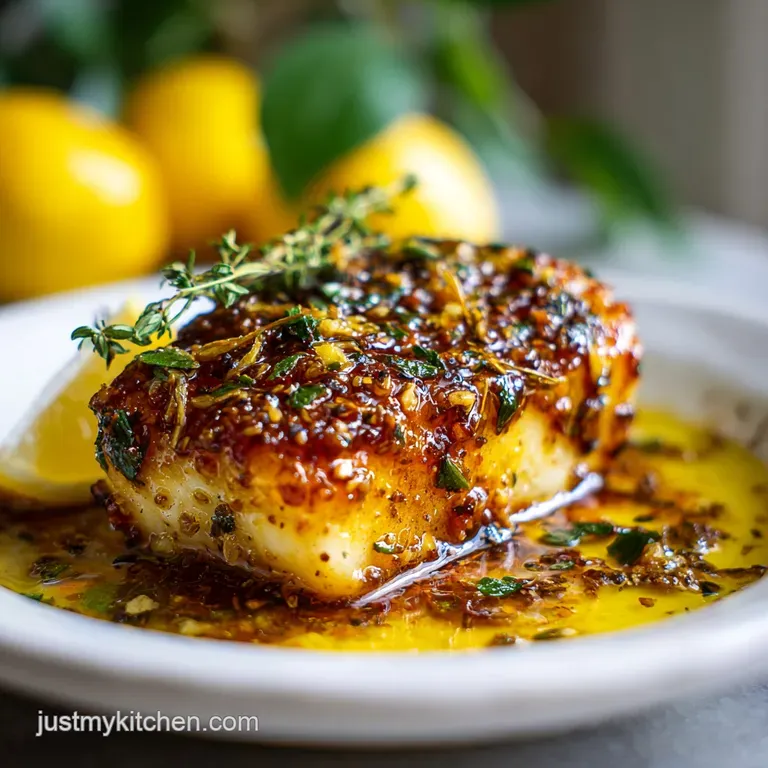
This meal is a fantastic way to get high-quality protein without a ton of heavy saturated fats. Cod is naturally very low in calories, which gives us some "room" to play with the sugars in the honey. Because we are baking instead of frying, we aren't adding unnecessary breading or excessive oils.
The lemon juice doesn't just add flavor; it also provides a small boost of Vitamin C, which helps with the absorption of minerals found in the fish.
When you're looking for a balanced plate, think about the textures you're adding. Since the cod is soft and velvety, I love pairing it with something that has a bit of crunch. If you're doing a "One Pan" night, this recipe actually coordinates well with the logic of my One Pan Honey recipe, which focuses on efficiency and keeping all those healthy juices in one place. Using a variety of spices like oregano and garlic allows us to keep the sodium levels relatively low while keeping the "yum factor" high.
Solving Common Cooking Mistakes
Why Your Cod Is Watery
If you find a pool of water on your plate, it’s usually because the fish was previously frozen and not thawed properly, or you skipped the "pat dry" step. When fish cells freeze, the water inside expands and breaks the cell walls.
If you don't dry the exterior, that water exits during cooking and dilutes your beautiful honey marinade into a thin soup.
| Problem | Root Cause | Solution |
|---|---|---|
| Rubbery texture | Overcooking the protein | Pull fish at 140°F (60°C); it will reach 145°F while resting |
| Glaze won't stick | Fish was too wet | Pat dry with paper towels until the surface is tacky |
| Burnt garlic | Mince was too large | Microplane the garlic so it emulsifies into the liquid |
Another common slip up is overcrowding the pan. If the fillets are touching, they will steam each other rather than roast. This leads to a pale, mushy texture. Give them at least two inches of space so the dry heat of the oven can circulate and thicken that honey into a proper glaze.
- ✓ Always preheat your oven for at least 15 minutes before the fish goes in.
- ✓ Use a rimmed tray to catch the honey runoff (sugar fires are no joke!).
- ✓ Check the thickest part of the fillet for doneness, not the thin tail.
- ✓ If using frozen cod, thaw it overnight in the fridge on a bed of paper towels.
- ✓ Don't skip the rest time; it's vital for a succulent texture.
Scaling Guidelines for Groups
Cooking for Two: You can easily halve this recipe. Since you'll have extra marinade if you only use 2 fillets, I suggest reducing the liquid components by half but keeping 2 cloves of garlic. Use a smaller baking dish or a toaster oven tray to keep the marinade from spreading too thin and burning.
Cooking for a Crowd (8+ people): When doubling or tripling, do not double the salt or oregano immediately use about 1.5x the amount and taste. You will likely need to use two separate baking sheets. Do not try to cram 8 fillets onto one standard sheet or they will just boil in their own juices.
Swap the trays between the top and bottom racks halfway through the cooking time to ensure even browning.
Budget Alternatives for Fish
I know cod can sometimes fluctuate in price depending on where you live. While I love the thick, steak like portions of Atlantic cod, you can definitely make this work with other white fish. The goal is to find something with a mild flavor profile that won't compete with the honey and lemon.
| Premium | Budget | Flavor Impact | Savings |
|---|---|---|---|
| Fresh Halibut | Frozen Cod Fillets | Halibut is firmer; Cod is flakier | Save $10-15 per lb |
| Sea Bass | Tilapia | Sea Bass is fattier; Tilapia is very lean | Save $12-18 per lb |
| Jumbo Scallops | Swai or Haddock | Scallops are sweeter; Swai is more neutral | Save $8-10 per lb |
If you are on a tight budget, look for "Pacific Cod" or even "Pollock" in the frozen section. These are often much cheaper than fresh Atlantic cod and, once they are thawed and patted dry, they take to this honey marinade brilliantly.
Just avoid very thin fillets like Dover Sole, as they will overcook in about 4 minutes and won't stand up to the heavy glaze.
Debunking Common Kitchen Myths
Myth: You must wash fish before cooking it. Truth: Rinsing fish in the sink actually increases the risk of cross contamination by splashing bacteria around your kitchen. Heat is what kills bacteria. Instead of washing, just pat the fish dry with disposable paper towels to ensure a good sear or glaze.
Myth: Honey loses all its nutrients when baked. Truth: While some sensitive enzymes in raw honey are diminished by high heat, the mineral content and the structural benefits (like moisture retention) remain completely intact.
For a 12 minute bake, you're mostly using honey for its culinary properties the "health" aspect comes from replacing heavy cream sauces or buttery breadings.
Keeping Your Leftovers Fresh
Fridge Storage: If you have leftovers, place them in an airtight glass container. It will stay fresh for up to 2 days. The honey glaze actually thickens up in the fridge, which is quite nice, though the fish will lose a bit of its "flake" as the proteins tighten up further during cooling.
Reheating: Whatever you do, don't microwave fish if you can help it. It turns the texture into rubber. Instead, put the cod in a small pan with a splash of water or extra lemon juice, cover it with a lid, and heat it over low on the stove for 3-4 minutes.
This "steams" it back to life without drying it out.
Zero Waste Tip: If you have one lonely fillet left over, flake it into small pieces and mix it with a bit of mayo and green onions for a "Cod Salad" sandwich the next day. The honey lemon flavor is already there, so it makes for a much more interesting lunch than a standard tuna melt!
Best Sides for This Dish
Since this cod is so bright and sweet, it needs a side dish that can soak up that extra honey lemon sauce. A bed of fluffy jasmine rice or quinoa is my go to. If you're watching your carbs, cauliflower rice works surprisingly well because it's neutral enough to let the garlic shine.
- Roasted Asparagus: You can actually toss these on the same baking sheet if you cut them thin!
- Garlic Mashed Potatoes: The creamy texture of the potatoes is a dream when mixed with the sticky honey glaze.
- Simple Green Salad: Use a light vinaigrette to contrast the sweetness of the fish.
- Crispy Broccoli: For a complete meal idea, you could look at how I balance textures in my Honey Garlic Shrimp recipe, which pairs beautifully with charred greens.
This amazing 5 minute baked honey marinade cod with lemon is proof that you don't need an hour and a sink full of dishes to eat something that feels special. It's fast, it's honest, and it's one of those recipes you'll find yourself memorizing because it just works.
Give it a shot tonight your future, hungry self will thank you.
Recipe FAQs
How long should I marinate cod in lemon juice before baking?
No more than 15 minutes for safety and texture. While lemon tenderizes the fish fibers, leaving cod in straight lemon juice for too long will "cook" the exterior (ceviche style) and make it tough when baked.
What are some common mistakes when baking cod?
The most common mistake is skipping the pat-dry step before marinating. If the surface is wet, the honey glaze slides off, resulting in watery fish instead of a caramelized crust.
What is the best cooking technique for cod in the oven to keep it moist?
Bake at a high temperature (400°F/200°C) for a short duration, around 12 minutes. This high heat caramelizes the honey quickly, creating a moisture barrier before the lean fish can dry out.
What is the best seasoning to put on cod for a quick recipe?
Use a balance of acid, salt, and sugar specifically lemon juice, soy sauce, and honey. The soy sauce adds critical umami, which deepens the flavor so you don't rely only on salt. If you want to learn more about balancing these flavors, review how we achieve complex profiles in our Classic Greek Lemon recipe.
Is it necessary to let the cod rest after it comes out of the oven?
Yes, allow it to rest for 2 to 3 minutes. This short resting period lets the muscle fibers relax and redistribute the internal moisture, ensuring the cod flakes apart beautifully rather than crumbling when plated.
Can I substitute the honey with maple syrup in this marinade?
Yes, maple syrup is a viable substitution for honey. Maple syrup is thinner, so you may need to slightly reduce the lemon juice by half a teaspoon to maintain the right sweet-to-acid ratio for the glaze.
How do I know when the cod is perfectly done without overcooking it?
The fish is done when the internal temperature reaches 145°F (63°C) and it flakes easily with gentle pressure from a fork. Aim to pull it out slightly before that, around 140°F, because carryover cooking will raise the temperature during the rest period.
5 Minute Honey Cod Marinade
Ingredients:
Instructions:
Nutrition Facts:
| Calories | 223 kcal |
|---|---|
| Protein | 30.5 g |
| Fat | 4.6 g |
| Carbs | 14.2 g |
| Fiber | 0.1 g |
| Sugar | 13.1 g |
| Sodium | 462 mg |
