Easy Weeknight Cod Piccata in 20 Minutes
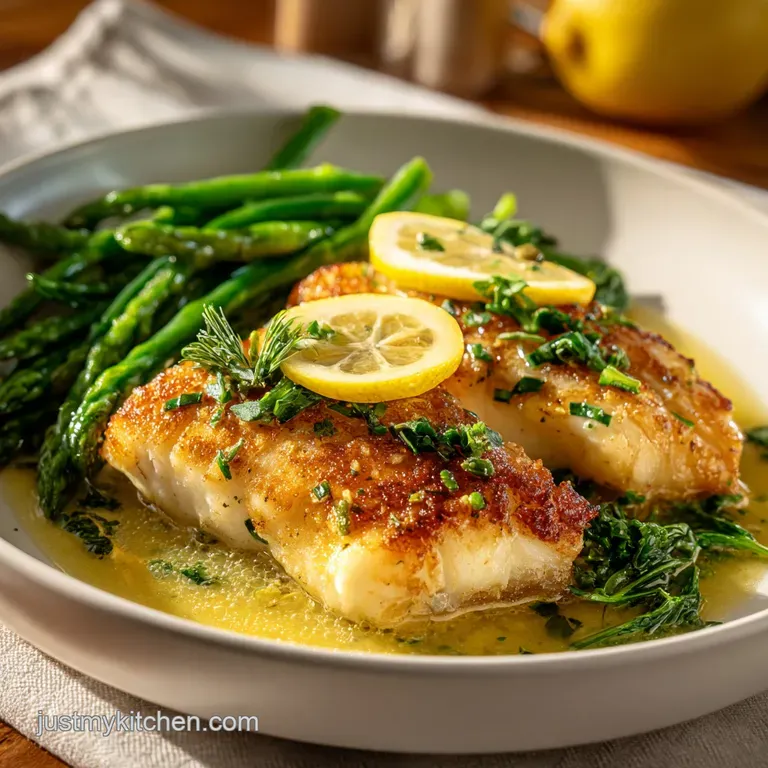
- Time: Active 5 mins, Passive 15 mins, Total 20 mins
- Flavor/Texture Hook: Zesty lemon sauce over shatter crisp fish
- Perfect for: Busy Tuesday nights or a low stress date night
- Easy Weeknight Cod Piccata Made In Less Time with Lemon
- Why This Speedy Recipe Succeeds
- Component Analysis: Ingredient Deep Dive
- What You Need for This Dish
- Kitchen Gear for Fast Prep
- Step by Step Cooking Process
- Solving Your Most Common Issues
- Ingredient Swaps and Flavor Twists
- Storing Leftovers for Best Quality
- Best Pairings for This Fish
- Recipe FAQs
- 📝 Recipe Card
Easy Weeknight Cod Piccata Made In Less Time with Lemon
I remember the first time I tried making a traditional piccata on a Tuesday night after a nine hour shift. The kids were already asking for snacks, and I spent way too long trying to get a thick breading to stick to the fish, only for it to fall off in a soggy mess the second it hit the pan.
I ended up with a kitchen full of smoke and a very sad piece of grey cod. It was a disaster, honestly, and we ended up eating cereal.
Since then, I have learned that the trick to a fast, fail proof fish dinner isn't about more steps it is about fewer, better ones. This easy weeknight cod piccata recipe with lemon delivers a delicious, speedy meal without the drama of traditional methods.
You want that specific sizzle when the fish hits the pan and that sharp, bright aroma of lemon hitting the hot butter to wake up your senses.
We are going to skip the egg wash and the heavy breading. By using a light dusting of flour and finishing the sauce with cold butter, you get a silky, velvety result that feels fancy but takes less time than boiling a pot of pasta.
Trust me, once you see how the sauce comes together in the same pan you used for the fish, you will never go back to the complicated version.
Why This Speedy Recipe Succeeds
Thermal Searing: High heat quickly evaporates surface moisture from the cod, allowing the Maillard reaction to create a golden crust before the delicate interior overcooks.
Cold Fat Emulsification: Adding cold butter to the warm pan at the end creates a stable, thickened sauce because the fat molecules disperse slowly rather than melting into oil.
Acidic Brightness: The lemon juice and white wine break down the lean proteins slightly, ensuring the fish remains flaky while cutting through the richness of the butter.
The Physics of the Velvety Emulsion
By whisking cold butter into the hot reduction, you are creating a temporary emulsion. The water in the butter stays suspended in the fat, resulting in a sauce that coats the back of a spoon rather than just running off the fish.
| Method Feature | Classic Piccata | Easy Weeknight Cod |
|---|---|---|
| Breading | Thick egg and flour | Light flour dusting |
| Cooking Time | 30-40 minutes | 20 minutes total |
| Sauce Base | Heavy cream or flour | Cold butter emulsion |
While the classic version is wonderful for a slow Sunday, our weeknight version relies on the intensity of the sear and the speed of the reduction to pack in flavor. If you are in the mood for something with a bit more crunch on the outside, you might enjoy my Crispy Baked Cod recipe.
Component Analysis: Ingredient Deep Dive
| Ingredient | Science Role | Pro Secret |
|---|---|---|
| 1.5 lbs cod filets | Lean protein base | Pat dry three times to ensure a shatter crisp sear. |
| 3 tbsp cold butter | Emulsifying agent | Use cubes straight from the fridge for a thicker sauce. |
| 0.25 cup lemon juice | Acidic catalyst | Fresh juice only; bottled versions lack the necessary enzymes. |
| 3 tbsp capers | Briny flavor pop | Rinse them well to control the salt levels of the final dish. |
Using the right components makes all the difference when you are moving fast. For instance, low sodium chicken stock allows you to control the seasoning, as the capers already bring quite a bit of salt to the party.
What You Need for This Dish
- 1.5 lbs cod filets: These should be thick cut if possible. Why this? Thick filets stay juicy while the outside gets golden brown.
- 0.5 cup all purpose flour: Used for a light coating. Why this? Flour creates a barrier that prevents the fish from sticking.
- 1 tsp kosher salt: Essential for seasoning.
- 0.5 tsp black pepper: Freshly cracked is best.
- 2 tbsp olive oil: High smoke point for searing.
- 1 tbsp unsalted butter: For the initial sear.
- 0.25 cup dry white wine: A Pinot Grigio or Sauvignon Blanc works. Why this? The acidity deglazes the pan and adds depth.
- 0.25 cup fresh lemon juice: The star of the show.
- 0.25 cup low sodium chicken stock: Provides the volume for the sauce.
- 3 tbsp capers: Drained and rinsed.
- 3 tbsp cold unsalted butter: Cubed for the finish.
- 2 tbsp fresh parsley: Chopped fine.
- 4 thin lemon slices: For a beautiful garnish.
If you happen to have halibut on hand instead, this method works beautifully for that too, similar to my Halibut Lemon Caper recipe. Just keep an eye on the thickness of the fish as cook times may vary.
Kitchen Gear for Fast Prep
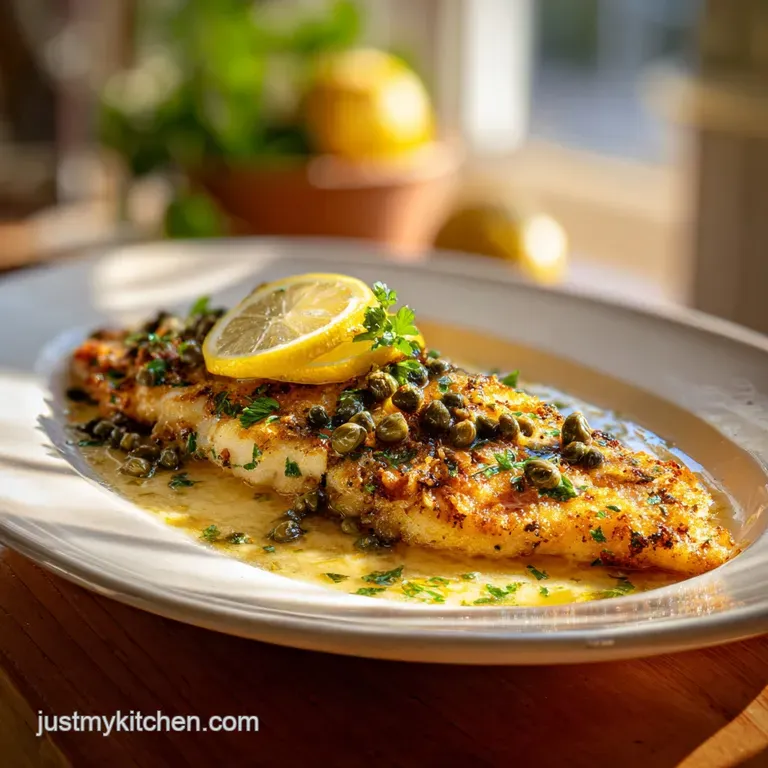
Having your tools ready is the secret to getting this done in 20 minutes. You will want a large stainless steel or cast iron skillet. Non stick works, but you won't get those lovely browned bits (fond) that make the sauce so savory.
A thin fish spatula is also a life saver here. Cod is delicate and can flake apart if you use heavy kitchen tongs. You will also need a small whisk for the sauce and a shallow bowl for dredging the fish.
Chef Tip: Freeze your butter for 10 minutes before cubing it. This ensures it stays cold enough to emulsify properly into the sauce without "breaking" or turning greasy.
step-by-step Cooking Process
- Dry the fish. Pat the 1.5 lbs cod filets with paper towels until bone dry. Note: Surface moisture is the enemy of a good sear.
- Season. Sprinkle both sides of the cod with 1 tsp kosher salt and 0.5 tsp black pepper.
- Dredge lightly. Place 0.5 cup flour in a bowl and coat each filet, shaking off any excess. The coating should be translucent.
- Heat the pan. Add 2 tbsp olive oil and 1 tbsp butter to the skillet over medium high heat until the butter sizzles and foam subsides.
- Sear the cod. Place fish in the pan. Cook for 3-4 minutes per side until the edges are golden and the fish flakes easily.
- Rest the fish. Transfer the cod to a warm plate and tent loosely with foil.
- Deglaze. Pour 0.25 cup white wine into the hot skillet, scraping up the browned bits with a spoon.
- Simmer liquids. Add 0.25 cup lemon juice, 0.25 cup chicken stock, and 3 tbsp capers. Boil for 2-3 minutes until reduced by half.
- Whisk the sauce. Turn the heat to low. Whisk in the 3 tbsp cold cubed butter one piece at a time until the sauce is velvety and thick.
- Finish and serve. Stir in 2 tbsp parsley, return the fish to the pan for 30 seconds to warm through, and top with lemon slices.
Solving Your Most Common Issues
Why Is My Fish Breaking?
This usually happens if the pan wasn't hot enough or if you tried to flip the fish too early. Cod is very lean, so it relies on that initial sear to "release" from the pan. If it is sticking, give it another 30 seconds; it will usually let go when it's ready.
Why Is My Sauce Separated?
If your sauce looks oily instead of creamy, the pan was likely too hot when you added the cold butter. The heat caused the fat to melt instantly rather than emulsifying. You can often fix this by adding a splash of cold stock and whisking vigorously.
| Problem | Root Cause | Solution |
|---|---|---|
| Soggy Coating | Fish was too wet | Pat dry with multiple paper towels before dredging. |
| Bitter Sauce | Burnt lemon pips/zest | Remove any seeds from the juice and don't let the sauce burn. |
| Rubbery Fish | Overcooking | Pull the fish at 63°C (145°F) internal temperature. |
Common Mistakes Checklist ✓ Never crowd the pan; cook in two batches if necessary to maintain heat. ✓ Don't skip the flour shake; too much flour makes the sauce gummy. ✓ Use a wide skillet to allow for faster liquid reduction.
✓ Ensure the butter for the sauce is truly cold, not room temperature. ✓ Wait for the wine to stop smelling strongly of alcohol before adding stock.
Ingredient Swaps and Flavor Twists
If you need to adjust for dietary needs, there are plenty of ways to keep the spirit of this dish alive. For a gluten-free version, rice flour or a 1:1 gluten-free blend works remarkably well as a dredge.
| Original Ingredient | Substitute | Why It Works |
|---|---|---|
| White Wine (0.25 cup) | Extra Chicken Stock | Adds body without the alcohol. Note: Add a tsp of vinegar for acidity. |
| Cod Filets | Tilapia or Haddock | Similar white fish texture. Note: Tilapia is thinner and cooks faster. |
| All Purpose Flour | Almond Flour | Keto friendly. Note: Will not brown as deeply and has a nuttier taste. |
If you are looking to scale this recipe down for a solo dinner, just use half of everything but keep the pan size the same. This allows the sauce to reduce even faster, though you will need to watch it closely so it doesn't disappear entirely!
When scaling up for a crowd, work in batches to sear the fish so you don't drop the pan temperature, and use a larger pot for the sauce reduction.
Storing Leftovers for Best Quality
Cooked fish is always best on the day it's made, but you can keep leftovers in the fridge for up to 2 days in an airtight container. To reheat, avoid the microwave! It will turn the cod into a rubber eraser.
Instead, place the fish and sauce in a small pan with a splash of water, cover it, and warm it over low heat for about 5 minutes.
Freezing is not recommended for this specific dish as the butter sauce will break and the delicate cod texture will suffer. For zero waste, if you have leftover sauce but no fish, toss it with some angel hair pasta or use it to dress steamed asparagus the next day.
Any leftover parsley stems can be thrown into your next batch of homemade stock.
Best Pairings for This Fish
This dish is so bright and zesty that it needs something to soak up that velvety sauce. I usually go with a simple bed of Orzo or some crusty sourdough bread. If you want to keep things lighter, a quick sauté of baby spinach with garlic is the perfect companion.
What Wine Should I Serve?
Since we use a dry white wine in the sauce, stick with that for the table. A crisp Sauvignon Blanc or a Pinot Grigio with high acidity will mirror the lemon notes in the piccata. Avoid heavy, buttery Chardonnays as they can clash with the bright caper flavors.
If You Want More Variety:
- If you want a crunchier texture, add 2 tbsp of toasted panko on top right before serving.
- If you want it spicier, add a pinch of red chili flakes to the oil before searing the fish.
- If you want it heartier, serve it over a thick slice of roasted cauliflower.
By keeping your prep organized and your pan hot, you can turn a few simple ingredients into a meal that feels like a treat. Just remember: dry the fish, keep the butter cold, and don't be afraid of the sizzle!
The Myth of Fresh vs. Frozen Fish A common misconception is that "fresh" fish at the counter is always better. In reality, most cod is "flash frozen" at sea, which preserves the cellular structure better than fish that has sat on ice for several days at the market.
Don't be afraid to use high-quality frozen filets; just thaw them overnight in the fridge and pat them extra dry.

Recipe FAQs
How long to marinate cod in lemon juice?
No time at all is best. Lemon juice is acidic and will begin to "cook" or denature the delicate proteins in the cod, making the fish mushy or tough if left to sit.
What is the secret to a great fish piccata sauce in under 20 minutes?
Finishing the sauce with cold butter whisked off the heat. This technique creates a stable emulsion, thickening the sauce instantly without the need for flour or cream, ensuring a velvety texture that coats the fish beautifully.
Can you cook raw fish by just adding lemon juice to it?
No, you should not rely on lemon juice for full cooking safety. While acid slightly denatures proteins (like in ceviche), heat is required to ensure pathogens are killed and the fish is safely cooked through; use heat after adding the lemon.
What is the best cooking technique for cod to keep it moist but crisp?
Use high heat searing with a light flour dredge. Pat the fish absolutely dry, dredge lightly, and sear it quickly in hot oil until golden brown, then transfer it to rest while you build the sauce.
Should I use frozen cod or fresh cod for this fast recipe?
Quality frozen cod, properly thawed, is often superior. The best quality fish is often flash frozen at sea; just ensure you thaw it slowly in the refrigerator overnight and pat it extremely dry before flouring.
How can I ensure my pan sauce doesn't break or look greasy?
Keep the heat low when adding the finishing butter cubes. If you mastered the stable emulsion in this piccata sauce, you can apply the same fat-suspension principle when making creamy dressings, like in our Honey Garlic Shrimp recipe.
How to quickly deglaze the pan after searing the fish?
Pour the white wine into the hot pan immediately after removing the fish. Scrape the browned bits (fond) from the bottom vigorously with a flat spoon while the wine bubbles and evaporates, dissolving the flavor into the liquid base.
Quick Cod Piccata In Under 30
Ingredients:
Instructions:
Nutrition Facts:
| Calories | 442 kcal |
|---|---|
| Protein | 31.4 g |
| Fat | 21.2 g |
| Carbs | 13.8 g |
| Fiber | 0.8 g |
| Sugar | 0.9 g |
| Sodium | 765 mg |
