Chicken Milanese: Restaurant Crunch at Home
- Time: Active 20 minutes, Passive 10 minutes, Total 30 minutes
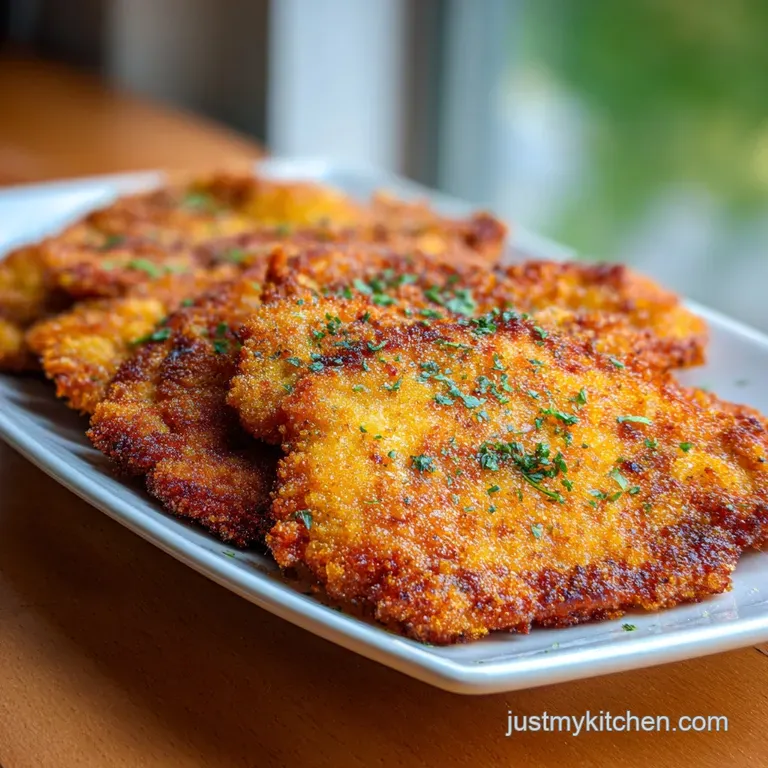
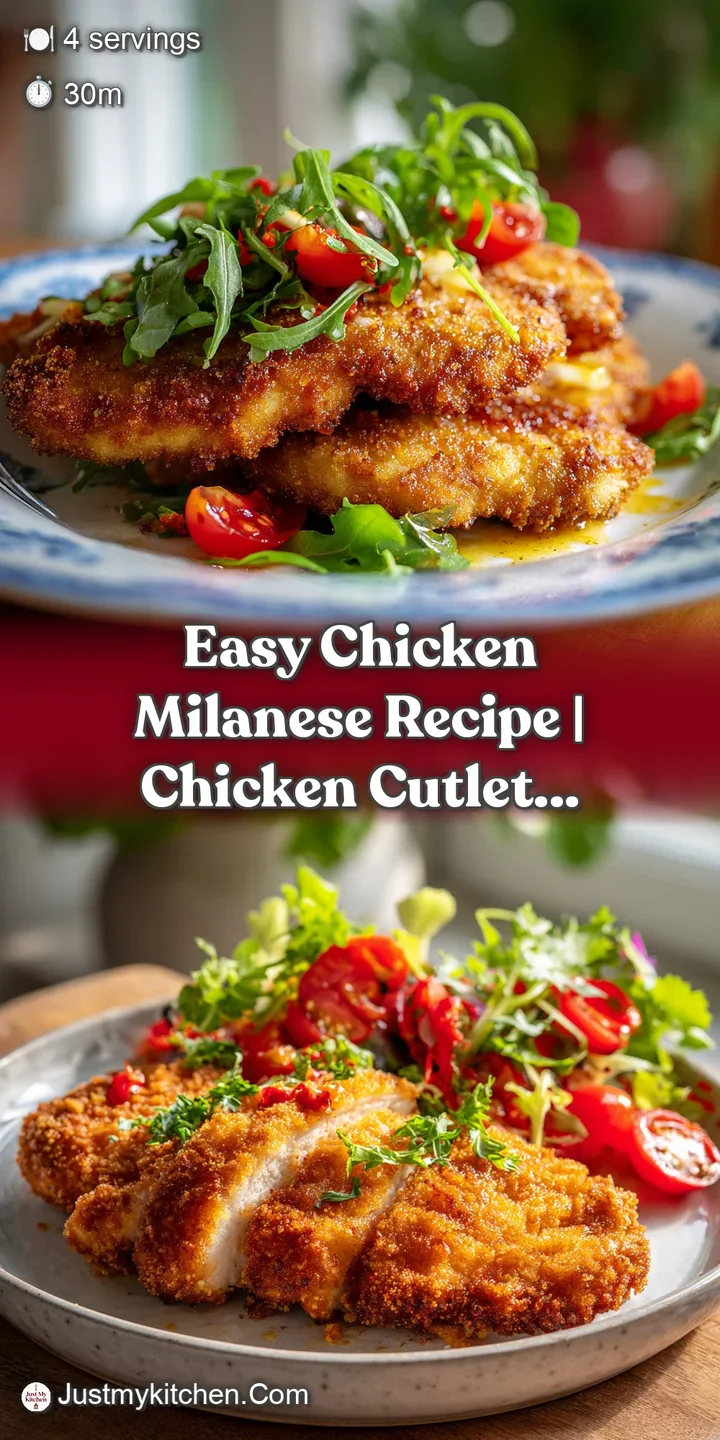
- Flavor/Texture Hook: Shattering golden crust with a tender, juicy center and a bright, lemony arugula finish
- Perfect for: Busy weeknight family dinners or an impressive but simple date night meal
- Mastering the Crispy Chicken Milanese
- The Physics of the Shatter
- Key Metrics for Better Results
- Choosing the Right Simple Ingredients
- Essential Kitchen Gear You Need
- How to Fry for Maximum Crunch
- Fixing Your Common Cooking Errors
- Small Batch or Big Crowds
- Fun Flavors and Easy Swaps
- Fried Food Fallacies
- Smart Ways to Store Leftovers
- Perfect Sides for This Meal
- High in Sodium
- Chicken Milanese FAQs
- 📝 Recipe Card
Mastering the Crispy Chicken Milanese
The steady thwack thwack thwack of a meat mallet against the kitchen counter is a sound that always brings my family running. They know that sound means one thing: we are minutes away from a pile of golden, shattered crust cutlets.
I used to be terrified of frying things on a Tuesday night because of the mess, but I realized that if you prep your "stations" correctly, it's actually faster than waiting for a frozen pizza to bake.
The first time I made this, I tried to skip the pounding step because I was lazy. Big mistake. One side was dry as cardboard while the middle was still suspiciously pink. Now, I never skip the mallet.
Pounding the meat to a uniform thickness isn't just about making it look huge; it’s about making sure every bite cooks at the exact same speed. It's the difference between a stressful dinner and a joyful one.
The Physics of the Shatter
Starch Gelatinization: The initial flour coating absorbs the chicken's surface moisture, creating a sticky "glue" that prevents the breading from sliding off during the fry.
Vapor Pressure Release: Panko breadcrumbs have a larger, jagged surface area that allows steam to escape quickly, ensuring the crust stays crispy rather than steaming from the inside out.
Thermal Conductivity: Adding a small amount of butter to the neutral oil increases the Maillard reaction, resulting in that iconic deep golden hue and a richer, nutty aroma.
| Thickness | Internal Temp | Rest Time | Visual Cue |
|---|---|---|---|
| 1/4 inch | 165°F | 3 minutes | Crust is deep gold and firm |
| 1/2 inch | 165°F | 5 minutes | Bubbles around edges slow down |
| 3/4 inch | 165°F | 7 minutes | No pink juices when pierced |
Getting the thickness right is the most important part of this whole process. If your cutlet is uneven, the thin parts will burn before the thick parts are safe to eat. Aim for that 1/4 inch mark it's the sweet spot for a quick, even fry that keeps the meat velvety inside.
Key Metrics for Better Results
We are aiming for speed without sacrificing that satisfying crunch. Since we are using 1 lb chicken breasts, we need to be smart about our heat management. If the oil is too cold, the breadcrumbs act like a sponge and soak up the grease. If it's too hot, you'll have a charred exterior and a raw interior.
If you are looking for other ways to use up your pantry staples, you might also love my Mushroom Asiago Chicken recipe which uses a similar protein base but focuses on a creamy, savory finish. For this Milanese, however, we want things bright and sharp.
| Ingredient | Science Role | Pro Secret |
|---|---|---|
| Panko Breadcrumbs | Structural Integrity | Press them firmly into the meat to ensure they don't flake off in the pan |
| Dijon Mustard | Emulsification | Helps the egg wash cling to the flour layer while adding a hidden layer of tang |
| Parmigiano Reggiano | Protein Binding | The fats in the cheese melt slightly during frying, acting as a secondary adhesive |
Choosing the Right Simple Ingredients
- 1 lb chicken breasts: Pounded thin. Substitute: Pork tenderloin.Why this? Chicken breast has a neutral profile that highlights the nutty crust.
- 0.5 tsp kosher salt: For seasoning. Substitute: Sea salt.Why this? Kosher salt flakes distribute more evenly across the meat fibers.
- 0.25 tsp black pepper: For a bit of heat. Substitute: White pepper.Why this? Freshly cracked pepper provides a much more vibrant floral aroma.
- 0.5 cup all purpose flour: The base layer. Substitute: Cornstarch.Why this? Flour creates the most stable foundation for the eggs to grab onto.
- 2 large eggs: The binder. Substitute: 0.5 cup heavy cream.Why this? Egg proteins set firmly when heated, locking the crust in place.
- 1 tbsp water: Thins the eggs. Substitute: Milk.Why this? Water breaks the egg proteins just enough for a smooth, even coating.
- 1 tsp Dijon mustard: For flavor and grip. Substitute: Yellow mustard.Why this? Dijon has a sophisticated acidity that cuts through the fried fat.
- 1.5 cups panko breadcrumbs: The crunch factor. Substitute: Homemade breadcrumbs.Why this? Panko is processed to be airy, leading to a much lighter shatter.
- 0.5 cup Parmigiano Reggiano: Finely grated. Substitute: Pecorino Romano.Why this? Adds a savory umami depth that plain breadcrumbs lack.
- 0.25 cup neutral oil: For frying. Substitute: Light olive oil.Why this? High smoke point oils prevent the kitchen from getting smoky.
- 2 tbsp unsalted butter: For flavor. Substitute: Ghee.Why this? Butter solids brown in the pan, giving the chicken a "bistro" finish.
- 3 cups baby arugula: The fresh base. Substitute: Baby spinach.Why this? Arugula’s peppery bite balances the richness of the fried chicken.
- 0.5 lemon, juiced: The bright finish. Substitute: White wine vinegar.Why this? Fresh citrus juice "wakes up" the fats in the dish.
- 2 tbsp extra virgin olive oil: For the salad. Substitute: Avocado oil.Why this? high-quality EVOO adds a silky, grassy note to the greens.
- 20g shaved Parmesan: For garnish. Substitute: Shaved Manchego.Why this? Larger shavings provide a distinct texture compared to the grated cheese.
Essential Kitchen Gear You Need
You don't need fancy equipment, but a few specific tools make this so much easier. A heavy bottomed skillet is your best friend here. I personally love using a large cast iron pan (like a Lodge) because it holds heat like a champ.
When you drop cold chicken into a thin pan, the temperature plummets, and you lose that immediate sizzle.
A meat mallet is also vital, but if you don't have one, don't worry. I've used the bottom of a heavy wine bottle or a small saucepan in a pinch. Just make sure to put the chicken between two pieces of plastic wrap or in a heavy duty gallon bag first. It keeps the juices from spraying and prevents the meat from tearing.
How to Fry for Maximum Crunch
- Prep the chicken. Butterfly your 1 lb chicken breasts and pound them to 1/4 inch thickness between plastic wrap. Note: Uniformity is the secret to even browning.
- Set the stations. Place flour in one shallow bowl, the whisked eggs with water and 1 tsp Dijon in a second, and panko mixed with 0.5 cup grated Parmigiano in a third.
- Season the meat. Sprinkle both sides of the chicken with 0.5 tsp salt and 0.25 tsp pepper.
- Dredge in flour. Coat each piece in flour, shaking off every bit of excess until only a fine dust remains.
- Dip in egg. Submerge the floured chicken in the egg mixture until completely coated and tacky.
- Coat in crumbs. Press the chicken firmly into the panko Parmesan mix. Note: Use your palms to really push those crumbs into the meat.
- Heat the pan. Add 0.25 cup neutral oil and 2 tbsp butter to a large skillet over medium high heat until the butter foam subsides and sizzles when a crumb is dropped in.
- Fry the cutlets. Lay the chicken in the pan, working in batches. Cook for 3-4 minutes per side until the crust is deep golden and shatters when poked with a fork.
- Rest and drain. Move the chicken to a wire rack or paper towel lined plate. Note: A wire rack prevents the bottom from getting soggy.
- Toss the salad. Whisk the lemon juice and EVOO together, toss with 3 cups arugula and shaved Parmesan, and heap it directly over the hot chicken.
Fixing Your Common Cooking Errors
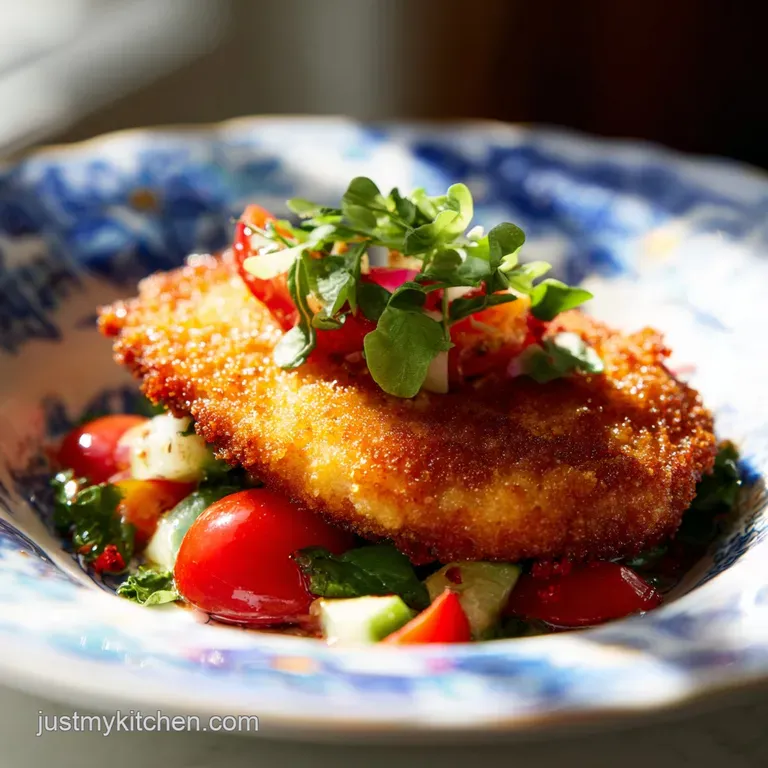
One of the biggest heartbreaks is watching your beautiful golden breading fall off the chicken the second you slice into it. It’s usually caused by moisture trapped between the meat and the flour. If the chicken is wet when it hits the flour, it creates a layer of steam that pushes the crust away.
Why Your Breading Falls Off
This happens when the "glue" layer isn't secure. If the chicken wasn't dried before the flour, or if you didn't shake off the excess flour, the egg wash doesn't actually touch the meat. It just sits on a loose powder. Always give the chicken a firm tap after the flour stage.
The Crust is Dark, But the Chicken is Pink
This is a classic heat management issue. Your pan was likely too hot, or your chicken was too thick. If you notice the breading turning dark brown within 60 seconds, turn the heat down immediately. You want a steady, gentle sizzle, not a violent one.
| Problem | Root Cause | Solution |
|---|---|---|
| Soggy crust | Oil temperature was too low | Wait for butter foam to subside before adding meat |
| Greasy finish | Crowding the pan | Fry only two cutlets at a time to maintain heat |
| Bland flavor | Seasoning only the breading | Always salt the raw meat directly before dredging |
Common Mistakes Checklist: ✓ Pat the chicken bone dry with paper towels before the first flour dredge. ✓ Use a wire rack for resting instead of a flat plate to keep air circulating. ✓ Don't flip the chicken more than once; let that crust develop undisturbed.
✓ Ensure the oil covers the entire bottom of the pan this is a shallow fry, not a sauté. ✓ Wipe out the pan between batches if the butter bits start to look black.
Small Batch or Big Crowds
If you are cooking for just two people, you can easily halve this recipe. However, don't just use one egg beat two eggs and use half of the mixture, or use one extra large egg. Since the chicken is already thin, it doesn't need a smaller pan, but you will use less oil.
When doubling the recipe for a party, don't double the salt and pepper exactly; start with 1.5 times the amount and adjust. The biggest challenge with scaling up is keeping the first batch warm. Put a wire rack on a baking sheet in a 200°F (95°C) oven.
This keeps the chicken warm and crispy while you finish the rest. Trust me, never stack the cutlets on top of each other, or the steam from the bottom ones will ruin the top ones.
Fun Flavors and Easy Swaps
You can take this basic technique in so many directions. If you want something a bit more substantial, you can follow my Chicken Gyros Recipe for a different spin on Mediterranean flavors. But for the Milanese, here are some quick ways to change it up.
Air Fryer Chicken Milanese
If you want to save on oil, spray the breaded cutlets generously with cooking spray. Air fry at 400°F (200°C) for 6 minutes per side. It won't have that same buttery richness, but it’s still incredibly crispy and great for a Tuesday night.
Cheesy Baked Version
Instead of the arugula salad, top the fried cutlets with a slice of fresh mozzarella and a spoonful of marinara sauce. Broil for 2 minutes until bubbly. It’s a "Milanese meets Parmesan" hybrid that kids absolutely love.
Decision Shortcut
- If you want a lighter meal, use only arugula and extra lemon.
- If you want more comfort, serve over a bed of buttery garlic noodles.
- If you want a spicy kick, add 0.5 tsp red pepper flakes to the panko mix.
Fried Food Fallacies
A common myth is that you need a massive amount of oil to get a crispy result. In reality, we are shallow frying. You only need about 1/4 inch of oil in the pan. As long as the bottom of the cutlet is submerged, the steam escaping from the top will help the heat penetrate.
Another big misconception is that you should bread the chicken hours in advance. Please don't do this! The moisture from the chicken will soak into the breadcrumbs, making them pasty. For the best "shatter," bread the chicken and get it into the pan within 15 minutes.
Smart Ways to Store Leftovers
Storage: Keep leftover cutlets in an airtight container in the fridge for up to 3 days. To keep them from getting soggy, place a paper towel at the bottom of the container to catch any lingering moisture.
Freezing: You can freeze the fried cutlets for up to 2 months. Freeze them in a single layer on a sheet pan first, then transfer to a freezer bag. This prevents them from sticking together.
Reheating: Never use the microwave! It will turn your crispy masterpiece into a rubbery mess. Instead, pop them in a 350°F (180°C) oven or an air fryer for 5 minutes until they sizzle again.
Zero Waste: If you have leftover panko Parmesan mix that hasn't touched raw chicken, save it! Toast it in a dry pan and sprinkle it over roasted vegetables or pasta for a quick hit of texture. Any leftover lemon halves can be tossed into a jar of water in the fridge for a refreshing drink.
Perfect Sides for This Meal
While the arugula salad is the traditional topper, this chicken is a fantastic "base" for other sides. A pile of roasted baby potatoes or a simple pasta with olive oil and garlic (Aglio e Olio) works brilliantly.
The acidity of the lemon on the chicken acts as a natural sauce for whatever is sitting next to it on the plate.
If you’re feeling fancy, a side of cold grilled asparagus or a light bean salad adds a nice structural contrast. Just remember to keep the sides relatively simple the star of the show is that golden, crunchy crust we worked so hard to get right. Right then, let's get that pan heating!
High in Sodium
845 mg mg of sodium per serving (37% % of daily value)
The American Heart Association recommends limiting sodium intake to no more than 2,300mg per day for overall cardiovascular health.
Easy Tips to Reduce Sodium
-
Reduce Parmesan-15%
Parmigiano Reggiano and shaved Parmesan are significant sodium contributors. Reduce the amount of grated Parmigiano Reggiano by half and consider using a smaller amount of shaved Parmesan or omitting it entirely to lower the sodium content by approximately 10-15%.
-
Cut Back on Salt-12%
Even a small amount of kosher salt can add up. Reduce the kosher salt used on the chicken from 0.5 tsp to 0.25 tsp. You can also eliminate the salt altogether and adjust to taste after cooking.
-
Enhance with Lemon & Pepper-8%
Boost the flavor with freshly cracked black pepper and lemon juice. A generous amount of black pepper and a squeeze of fresh lemon can provide a savory element, so decrease salt addition.
-
Use Unsalted Butter Mindfully-5%
Make sure you are using unsalted butter as indicated in the recipe, and use it sparingly. Melted butter in the pan can add richness without the sodium of salted butter. A small amount goes a long way.
-
Herbs & Spices Power!
Experiment with sodium free herbs and spices like garlic powder, onion powder, paprika, or Italian seasoning to boost the flavor of your chicken without adding any sodium.
Chicken Milanese FAQs
What is the difference between chicken parm and chicken milanese?
Chicken Milanese is fundamentally simpler. Milanese is typically just breaded, fried cutlet often served with lemon and greens, emphasizing the crust’s texture. Chicken Parm adds a layer of tomato sauce and melted cheese on top of the cutlet.
Why is it called chicken milanese?
It is named after Cotoletta alla Milanese from Milan, Italy. This historical dish is a thin, breaded veal cutlet, and the chicken version is a direct adaptation of that classic Lombard technique.
What is Milanese sauce made of?
Traditional Milanese is served with no heavy sauce. The necessary moisture and flavor come from a simple dressing of fresh lemon juice, good quality olive oil, and often a bed of peppery arugula.
Is chicken milanese the same as chicken piccata?
No, they are distinct preparations, mainly due to the final sauce. Piccata involves pan-frying and then deglazing the pan to create a sauce featuring lemon, butter, and capers, whereas Milanese focuses only on the crispy breading.
How do I ensure my panko crust doesn't fall off during frying?
Press the panko firmly onto the cutlet using both hands. The key is the three step process: a light, completely dry flour coat, a tacky egg wash (often containing mustard), and then a firmly pressed final breading.
Can I skip pounding the chicken breast thin?
No, pounding is essential for both safety and texture. Pounding to a uniform 1/4 inch thickness ensures the entire cutlet cooks through evenly before the crust burns; if you enjoyed controlling heat transfer here, apply that precision to our Lemon Pecorino Chicken recipe.
What is the best way to keep the leftover fried crust crispy?
Reheat using dry heat, avoiding the microwave entirely. Place leftovers on a wire rack set over a baking sheet in a 350°F oven for about five minutes until the crust sizzles again.
Quick Chicken Milanese Recipe
Ingredients:
Instructions:
Nutrition Facts:
| Calories | 648 kcal |
|---|---|
| Protein | 47.4 g |
| Fat | 38.2 g |
| Carbs | 28.6 g |
| Fiber | 1.8 g |
| Sugar | 1.2 g |
| Sodium | 845 mg |
