Mexican Street Corn: Charred and Creamy Skillet Recipe
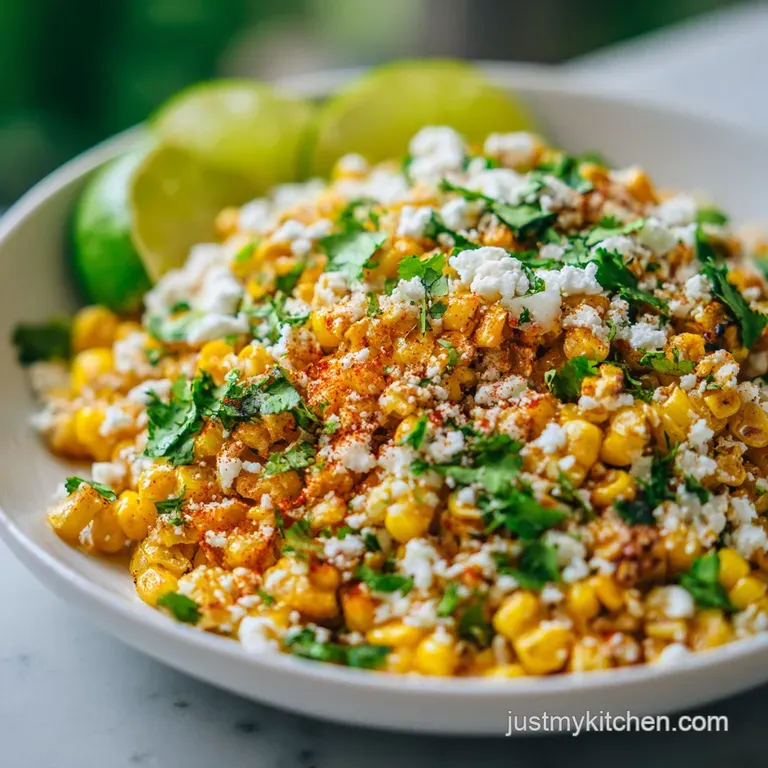
- Time: Active 10 minutes, Passive 15 minutes, Total 25 minutes
- Flavor/Texture Hook: Smoky, charred kernels meeting velvety lime crema
- Perfect for: Bold weeknight sides or vibrant fusion tacos
- Charred Street Style Mexican Corn Recipe
- Why High Heat Creates Better Flavor
- Breaking Down the Component Analysis
- Essential Items for the Skillet
- Tools for Urban Street Cooking
- Mastering the Searing Process Steps
- Solving Common Texture Issues Quickly
- Swapping Fats and Dairy Easily
- Keeping Leftovers Fresh and Vibrant
- Pairing With Bold Modern Flavors
- Recipe FAQs
- 📝 Recipe Card
Charred Street Style Mexican Corn Recipe
Have you ever walked through a bustling city neighborhood and been stopped in your tracks by a scent that's part campfire, part citrus explosion? That's the power of street corn. I remember standing on a cracked sidewalk in Chicago, watching a vendor work a massive flat top grill.
The corn wasn't just yellow; it was mottled with deep, dark browns and blacks, smelling like summer and smoke. It was a revelation that you don't need a backyard grill to get that aggressive, charred flavor profile.
This mexican corn recipe is my way of bringing that vibrant, urban energy into my own kitchen without the hassle of charcoal. We aren't just making a side dish; we're creating a bold flavor experience that hits every part of your palate.
It’s salty, it’s tangy, it’s spicy, and it’s got that specific "shatter" of a perfectly seared kernel. If you’ve ever felt like corn was a bit boring, this is the version that will completely change your mind.
The magic happens in a heavy skillet where we let physics do the heavy lifting. We are going for a modern, over high heat approach that prioritizes speed and intensity. Forget those recipes that call for boiling the life out of the corn first. We want crunch. We want fire.
We want something that feels alive on the plate. Let’s get into the specifics of why this method beats the traditional boiling pot every single time.
Why High Heat Creates Better Flavor
- Maillard Reaction
- Intense heat transforms the natural sugars in the corn into complex, nutty flavor compounds.
- Moisture Management
- Searing in a dry, hot skillet evaporates surface water quickly, preventing the corn from steaming and turning mushy.
- Emulsion Stability
- Adding the crema off heat ensures the fats don't break, keeping the sauce velvety instead of greasy.
| Corn Depth | Skillet Temp | Stir Frequency | Visual Cue |
|---|---|---|---|
| Single Layer | 425°F-450°F | Every 4 mins | Mahogany spots |
| Double Layer | 400°F-425°F | Every 2 mins | Soft gold edges |
| Overcrowded | Below 375°F | Constant | Pale and watery |
Using a cast iron skillet is the absolute best way to ensure the heat stays consistent. When you drop those kernels into the pan, the temperature usually dips. A heavy pan acts like a battery, holding onto that energy so the corn starts sizzling the second it hits the metal. If you’re looking for a perfect pairing for a full meal, this corn sits beautifully next to some hearty flaky empanadas for a complete street food spread.
Breaking Down the Component Analysis
Understanding the role of each player in this mexican corn recipe is how you go from a good cook to a flavor architect. Each ingredient is selected to balance the heavy fats with bright, sharp acidity.
| Component | Science Role | Pro Secret |
|---|---|---|
| Avocado Oil | High Smoke Point | Helps kernels sear at 400°F+ without burning. |
| Mexican Crema | Fat & Acid | Thinner than sour cream, it coats every nook easily. |
| Cotija Cheese | Salt & Texture | It doesn't melt, providing a dry, salty punch. |
| Lime Zest | Aromatic Oil | The zest carries the scent; the juice carries the tang. |
The choice of avocado oil isn't just about health; it's about thermodynamics. Modern cooking requires oils that can stand up to the "wisps of smoke" we look for in a hot pan. If you used butter here, the milk solids would burn long before the corn got that beautiful mahogany crust.
We save the dairy for the finishing sauce where its delicate flavors can actually shine.
Essential Items for the Skillet
To make this mexican corn recipe, you need fresh components that can stand up to the heat. We aren't looking for subtle here; we want bold, vibrant ingredients that pop.
- 4 cups fresh corn kernels: Why this? Fresh corn has the structural integrity to withstand over high heat searing without collapsing.
- 1 tbsp avocado oil: Why this? Essential for its high smoke point to achieve that deep skillet char.
- 0.5 tsp sea salt: Why this? Enhances the natural sweetness of the corn through mineral contrast.
- 0.25 cup Mexican crema: Why this? Provides the authentic, pourable silkiness that characterizes real street corn.
- 2 tbsp mayonnaise: Why this? Acts as an emulsifier to keep the sauce clinging to the kernels.
- 1 large lime, juiced and zested: Why this? The double hit of zest and juice cuts through the rich crema.
- 1 clove garlic, minced: Why this? Adds an urban, savory depth to the creamy dressing.
- 0.5 tsp ancho chili powder: Why this? Offers a mild, smoky heat rather than just raw spice.
- 0.5 cup Cotija cheese, crumbled: Why this? This "Mexican Parmesan" stays firm and adds a necessary salty grit.
- 0.25 cup fresh cilantro, chopped: Why this? Provides the cooling, herbal finish that brightens the whole dish.
- 1 tsp Tajín Clásico seasoning: Why this? The chili lime salt blend is the definitive signature of modern elote.
For a simple substitute, if you can't find Cotija, a very dry Feta is a decent backup. It has a similar salt profile, though it's a bit tangier and more moist, so it might clump slightly more than the authentic stuff.
Tools for Urban Street Cooking
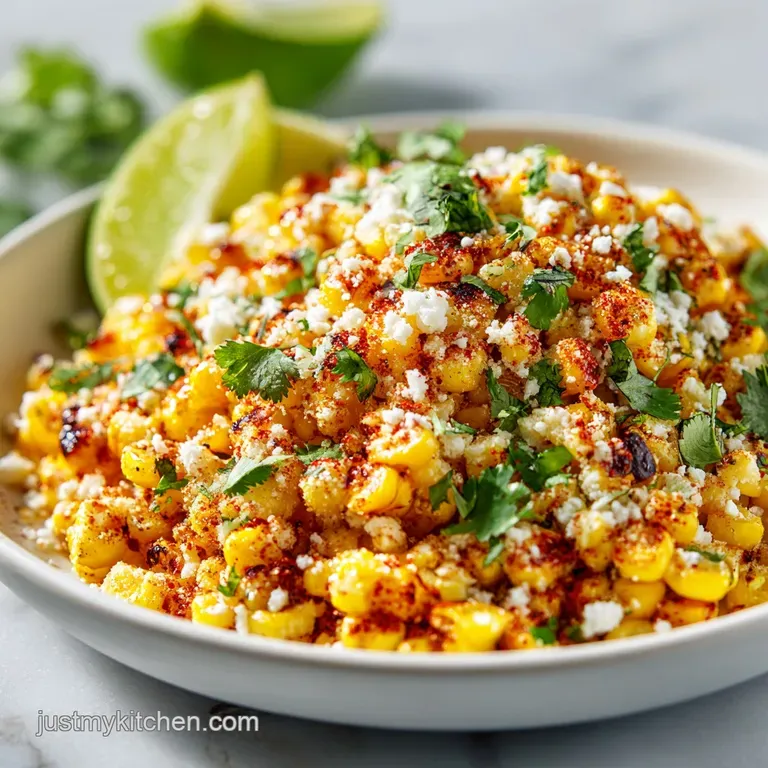
You don't need a fancy kitchen, but you do need the right gear for this mexican corn recipe. The most important tool is a 12 inch cast iron skillet. The sheer mass of the iron is what allows us to get that "grill" flavor on a standard stovetop.
A thin non stick pan simply won't get hot enough without damaging the coating, and you'll end up with steamed corn rather than charred corn.
You’ll also want a sturdy metal spatula. Since we’re letting the corn sit undisturbed to develop a crust, you need something thin and sharp to scrape those golden bits off the bottom of the pan when it’s time to stir.
A pair of kitchen tongs can also help if you're using whole cobs that you've sliced down, but for kernels, the spatula is king. Finally, a small whisk is essential for the dressing. We want that crema and mayo to be perfectly emulsified so the sauce doesn't look broken or oily when it hits the warm corn.
Mastering the Searing Process Steps
- Prep the heat source. Place your 12 inch cast iron skillet over medium high heat. Wait until you see the first wisps of smoke. Note: This ensures the corn sears instantly instead of soaking up oil.
- Coat the corn. In a bowl, toss the 4 cups of corn kernels with the 1 tbsp of avocado oil and 0.5 tsp of sea salt.
- Initiate the sear. Pour the corn into the hot skillet in an even layer. Do not stir for 3–4 minutes.
- Listen for the sizzle. You should hear a constant, aggressive popping sound as the moisture escapes the kernels.
- Flip and repeat. Once a mahogany crust forms on the bottom, stir once and let it sit for another 3 minutes. Aim for 40% char.
- Whisk the dressing. While the corn sears, mix the crema, mayo, lime juice, zest, garlic, and ancho powder in a small bowl.
- Check the aroma. The kitchen should smell like roasted grain and toasted garlic. Wait until the corn is fragrant and dark.
- Remove from heat. Turn off the stove and move the skillet to a cool burner to prevent overcooking.
- Combine and fold. Add the creamy dressing directly to the skillet (or a bowl) and fold gently until every kernel is velvety and coated.
- Layer the garnish. Top with the crumbled Cotija, fresh cilantro, and a heavy dusting of Tajín Clásico. Serve immediately while the contrast between hot corn and cool cream is peak.
Chef's Tip: If you use frozen corn in a pinch, thaw it completely and pat it dry with paper towels. Any excess water will ruin the sear and turn your street corn into a soggy mess.
Solving Common Texture Issues Quickly
One mistake I made early on was stirring the corn too often. I was worried it would burn, but all I did was prevent the char from ever forming. You have to trust the heat. If you don't hear that sizzle, your pan isn't hot enough. But what happens if things go south?
Why Your Corn Is Soggy
If your corn looks like it's swimming in liquid rather than browning, you likely overcrowded the pan. When too much corn is in the skillet, the steam can't escape fast enough. It gets trapped between the kernels, and you end up boiling them in their own juices.
| Problem | Root Cause | Solution |
|---|---|---|
| Rubbery kernels | Overcooking on low heat | Use high heat for a shorter duration (15 mins total). |
| Broken sauce | Adding sauce to a boiling pan | Remove skillet from heat before folding in crema. |
| Bland flavor | Lack of salt during sear | Always salt the corn before it hits the oil. |
Another common issue is the garlic burning. This is why we put the garlic in the dressing rather than the skillet. Mincing garlic and throwing it into a 450°F pan with the corn is a recipe for bitter, black bits.
By whisking it into the lime juice and crema, the acidity mellows the raw bite of the garlic while the residual heat of the corn "cooks" it just enough to be fragrant.
Common Mistakes Checklist:
- ✓ Never use a lid; steam is the enemy of a good char.
- ✓ Ensure the corn is at room temperature before searing to prevent the pan temp from dropping.
- ✓ Don't skimp on the mayo; it provides the "glue" that keeps the Cotija attached.
- ✓ Always zest the lime before you juice it it's nearly impossible the other way around.
- ✓ Use a large enough skillet (12 inch) so the corn sits in a thin layer.
Swapping Fats and Dairy Easily
If you want to adjust this mexican corn recipe for different dietary needs or just based on what's in your fridge, there are plenty of modern ways to keep the vibe alive. The street food spirit is all about adaptation, after all.
| Original Ingredient | Substitute | Why It Works |
|---|---|---|
| Mexican Crema | Greek Yogurt (Full Fat) | Similar tang. Note: Thicker texture; may need an extra splash of lime. |
| Cotija Cheese | Grated Parmesan | Salty and dry. Note: Lacks the specific "funk" of Cotija but works in a pinch. |
| Avocado Oil | Ghee | Very high smoke point with a rich, buttery finish. |
If you're scaling this up for a crowd, remember that the sear is the most important part. If you try to double the recipe in one skillet, you'll lose the char. It's better to work in two batches or use two separate skillets simultaneously.
When scaling down, you can use a smaller 8 inch skillet, but keep the cook time roughly the same to ensure those mahogany spots develop.
If you are looking for a sweet finish after this spicy side, my Spanish Rice Pudding is a killer way to cool down the palate. It uses a similar creamy logic but turns it into a comforting dessert.
Keeping Leftovers Fresh and Vibrant
Storing this mexican corn recipe is straightforward, but there is a trick to reheating it without losing the texture. In the fridge, the corn will stay good for about 3 days in an airtight container.
The sauce will thicken as it cools, and the Cotija might absorb some of the lime juice, which actually makes for a pretty great cold corn salad the next day.
For reheating, avoid the microwave if you can. It tends to make the corn rubbery. Instead, throw it back into a skillet over medium heat for about 5 minutes. You might need to add a tiny splash of water or an extra squeeze of lime to loosen the sauce back up.
I don't recommend freezing this dish once the crema and mayo are added, as the emulsion will break upon thawing, leaving you with a greasy, separated mess.
Zero Waste Tip: Don't throw away the lime rinds! Toss them into a jar of water in the fridge for a refreshing citrus infusion, or use the spent halves to scrub your cast iron skillet after you've finished cooking (the acidity helps break down stubborn bits before you oil it back up).
Pairing With Bold Modern Flavors
This mexican corn recipe isn't just a side; it's a centerpiece of flavor. Because it's so rich and smoky, it pairs perfectly with lean proteins like grilled chicken or blackened fish.
The acidity of the lime cuts right through the fat of a ribeye steak, making it a surprisingly modern choice for a steakhouse style dinner at home.
If you're hosting a casual get together, I love serving this alongside a big bowl of cheesy ranch snack mix for people to munch on while the corn is searing. The contrast between the crunchy, savory mix and the warm, creamy elote creates a real "party food" atmosphere.
My Favorite Way to Serve
I usually serve this directly in the cast iron skillet. There's something so urban and authentic about the black iron contrasting with the bright green cilantro and the snowy white Cotija.
It keeps the corn warm for longer, and it lets everyone scrape up those little charred bits at the bottom which, let's be honest, are the best part.
Myths About Street Corn
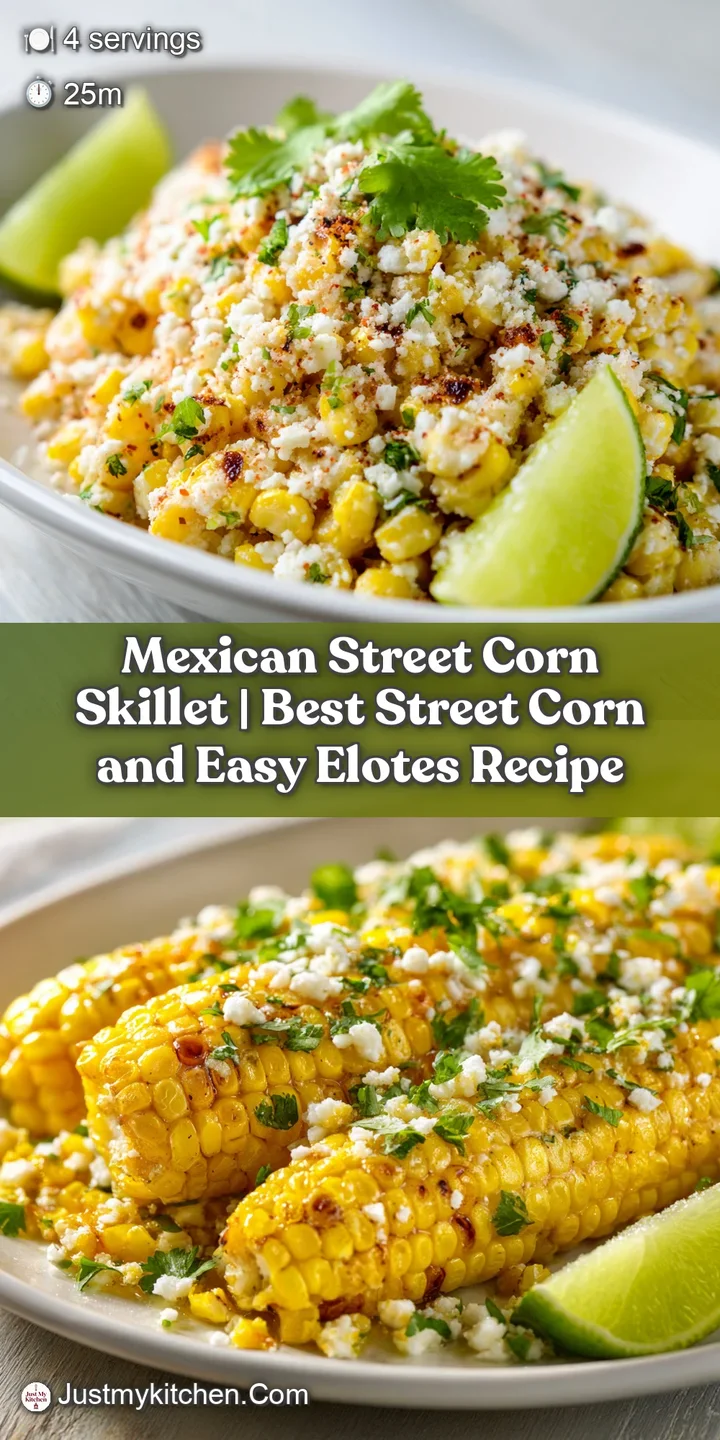
Many people believe you MUST use corn on the cob for it to be authentic. That's a total misconception. While "elote" usually refers to the cob, "esquites" is the term for this exact dish served in a cup or bowl.
Using kernels actually allows for more surface area to touch the pan, which means more char and more flavor in every single bite.
Another myth is that you need to boil the corn before searing it. Please, don't do this. Boiling fills the corn with water, making it impossible to get a crisp sear. The high heat of the skillet is more than enough to cook the kernels through while keeping that "snap" we all crave. Trust the dry heat!
Recipe FAQs
What ingredients do I need for Mexican corn?
Gather fresh corn kernels, avocado oil, and sea salt for the base. For the sauce, you need Mexican crema, mayonnaise, lime juice, lime zest, minced garlic, and ancho chili powder, finished with Cotija cheese, fresh cilantro, and Tajín Clásico seasoning.
What is the secret to great Mexican corn?
Use a screaming hot cast iron skillet to achieve an aggressive, mahogany colored char. If you enjoyed the high heat searing technique used here, the same principle of moisture evaporation creates perfect crusts on other vegetables.
What can I use instead of cotija on Mexican corn?
Substitute with a dry, salty cheese like feta or parmesan. These alternatives mimic the signature crumbly texture and sharp saltiness of traditional Cotija.
What do Mexicans season their corn with?
Authentic flavor relies on a balance of lime, chili, and salt. The recipe specifically uses ancho chili powder for warmth and Tajín Clásico for a bright, zesty citrus chili kick.
How to get that deep char on the corn?
Spread the kernels in an even layer and do not stir for 3 4 minutes. Letting the corn sit undisturbed in the hot skillet allows the surface moisture to evaporate and a deep mahogany crust to form.
How to ensure the dressing is perfectly creamy?
Whisk the crema, mayonnaise, lime juice, zest, garlic, and chili powder vigorously until the mixture becomes thick and fully emulsified. This creates a stable, velvet like sauce that coats the hot corn without breaking.
Is it true I should boil the corn before pan-searing?
No, this is a common misconception. Boiling the corn introduces excess water and softens the kernels, which prevents you from achieving the signature charred, crunchy texture required for this dish.
Mexican Street Corn Skillet
Ingredients:
Instructions:
Nutrition Facts:
| Calories | 289 kcal |
|---|---|
| Protein | 7.4 g |
| Fat | 17.2 g |
| Carbs | 28.4 g |
| Fiber | 3.1 g |
| Sugar | 4.6 g |
| Sodium | 528 mg |
