Chickpea Tuna Salad Vegan Substitute
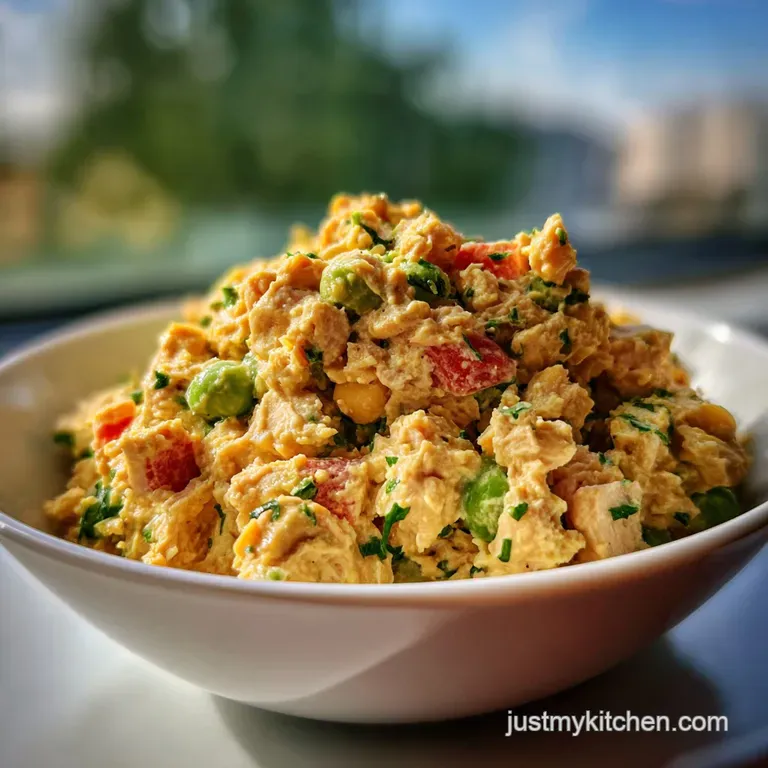
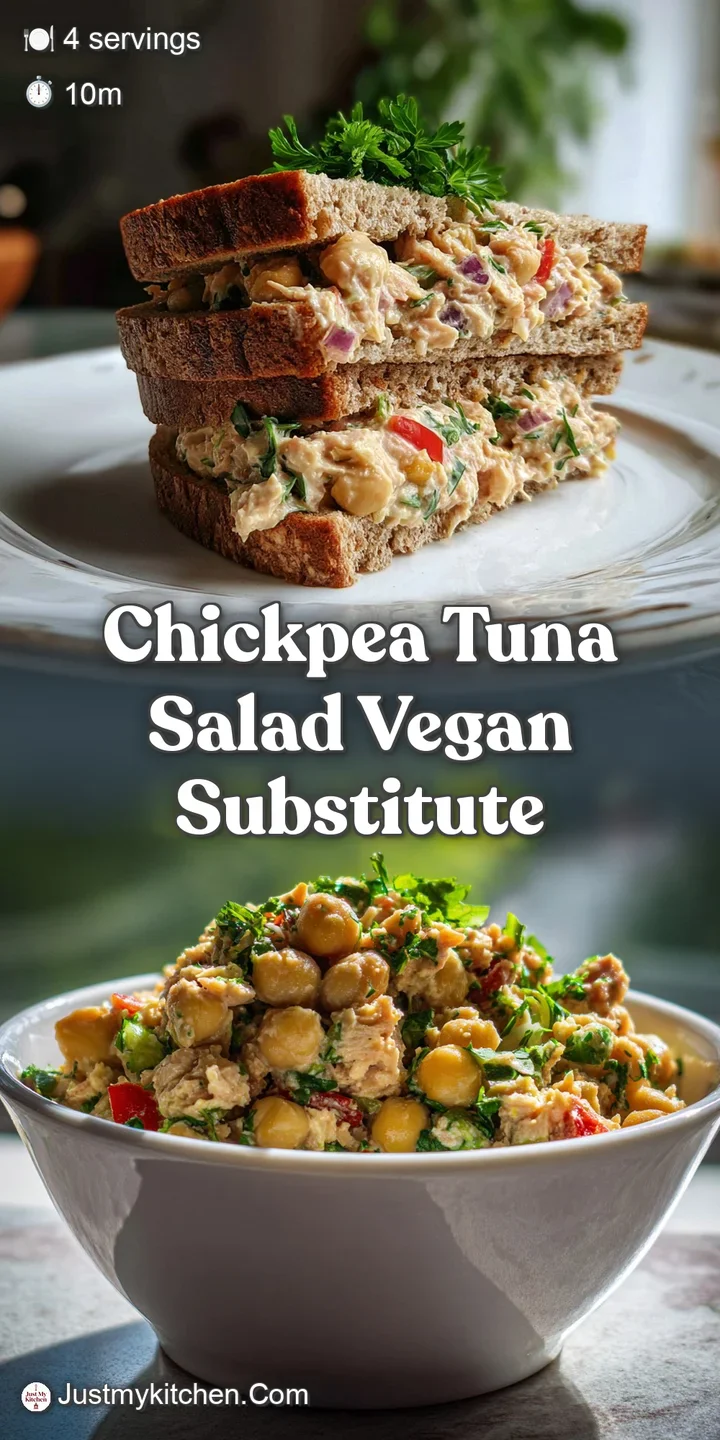
- Time: Active 10 minutes, Passive 0 minutes, Total 10 minutes
- Flavor/Texture Hook: Vibrant, briny, and spectacularly crunchy
- Perfect for: High protein office lunches, urban picnics, or rapid weeknight wraps
- The Vibrant Alchemy of Ocean Flavors
- Analyzing the Component Profiles
- Elements for the Ultimate Build
- Step-By-Step Assembly Logic
- Optimizing Texture and Bite
- Adapting for Efficiency or Depth
- Scaling for the Week Ahead
- Debunking Plant Based Myths
- Longevity and Zero Waste
- Creative Serving Architecture
- HIGH in Sodium
- Recipe FAQs
- 📝 Recipe Card
Listen, we've all been there, staring at a sad, watery bowl of mashed beans wondering where it all went wrong. I used to think vegan "seafood" was just wishful thinking until I realized that the "tuna" experience isn't about the fish at all it's about the brine, the crunch, and that specific creamy tangy bind.
I’ve spent months tweaking this in my urban kitchen, trying to capture that vibrant, bold energy you find in modern street food.
The secret isn't just mashing things together; it’s about the contrast. You want the velvety smoothness of a good vegan mayo clashing against the aggressive snap of cold celery and the sharp, sulfuric bite of red onion. This isn't a compromise; it's a massive upgrade.
We’re leaning into a fusion of traditional deli vibes and modern plant based science to create something that actually satisfies those "ocean" cravings.
Right then, let's stop settled for "good enough" and build a lunch that actually has some personality. If you've ever felt like your plant based meals were missing that savory depth, this Chickpea Tuna Salad Vegan Substitute is about to change your entire rotation.
It’s punchy, it’s fast, and it’s unapologetically bold.
The Vibrant Alchemy of Ocean Flavors
Cellular Disruption: Mashing the chickpeas breaks the seed coat and releases starches, which allows the vegan mayo to emulsify directly with the legume's interior for a cohesive, flaky texture.
Umami Synergism: Combining dulse flakes with capers creates a complex "oceanic" profile by layering glutamates and mineral rich salts that mimic the natural savory depth of fish.
Acid Activation: The citric acid in the lemon juice and the vinegar in the Dijon mustard tighten the proteins in the chickpeas, preventing them from turning into a mushy paste.
Crowd Pleasing Portion Guide
| Servings | Ingredient Scale | Bread/Wrap Count | Prep Effort |
|---|---|---|---|
| 2 People | 1 Can Chickpeas | 2-3 Sandwiches | Minimal (5 mins) |
| 4 People | 2 Cans Chickpeas | 4-6 Wraps | Standard (10 mins) |
| 8 People | 4 Cans Chickpeas | 1 Large Platter | Moderate (15 mins) |
Whether you're prepping for a solo hustle or a vibrant rooftop hang, getting the ratios right is the difference between a sad snack and a modern feast. Trust me, you'll want the 4 person batch even if it's just you; the way the lemon zest permeates the chickpeas overnight is a total revelation.
Analyzing the Component Profiles
| Ingredient | Science Role | Pro Secret |
|---|---|---|
| Chickpeas | Structural Base | Pulse half, mash half for "shredded" texture |
| Dulse Flakes | Umami Bomb | Rub between fingers to release aromatic oils |
| Vegan Mayo | Emulsifier | Use a grapeseed oil based mayo for a cleaner finish |
| Dijon Mustard | Pungency Layer | Provides a "nose tingle" that balances the fat |
Before we dive into the assembly, think about the texture you’re chasing. If you’re pairing this with something crispy, like my Air Fryer Garlic recipe, you might want a creamier mash. If it’s going in a soft wrap, keep the chickpeas chunky for that essential "shatter" in every bite.
Elements for the Ultimate Build
- 2 cans (15 oz each) chickpeas: Drained and rinsed. Why this? Canned chickpeas have the perfect yielding texture for mashing.
- 1 tsp dulse flakes (or 1 sheet of nori): Finely crumbled. Why this? This is your "ocean" DNA; without it, it's just bean salad.
- 1 tbsp capers: Minced. Why this? Adds a briny, fermented pop that mimics cured fish.
- 0.5 cup vegan mayonnaise: high-quality. Why this? Provides the velvety mouthfeel that carries all other flavors.
- 1 tbsp Dijon mustard: For tang. Why this? Cuts through the richness of the mayo brilliantly.
- 1 large lemon: Zested and juiced. Why this? Fresh acidity wakes up the earthy notes of the beans.
- 2 stalks celery: Finely diced. Why this? Essential for that structural "crunch" contrast.
- 0.25 cup red onion: Minced. Why this? Provides a sharp, urban edge and vibrant color.
- 2 tbsp fresh dill: Chopped. Why this? Adds a cooling, herbal finish that screams "fresh deli."
- 0.5 tsp sea salt: Adjust to taste.
- 0.25 tsp cracked black pepper: For a subtle warmth.
| Original Ingredient | Substitute | Why It Works |
|---|---|---|
| Vegan Mayo | Silken Tofu + Lemon | High protein, lower fat, but less decadent mouthfeel |
| Dulse Flakes | Celery Salt | Adds savory depth. Note: Lacks the specific fishy aroma |
| Red Onion | Scallions | Milder, more "green" flavor profile |
step-by-step Assembly Logic
- Drain the chickpeas. Rinse them thoroughly in cold water until the foam disappears. Note: This removes the metallic "can" taste.
- Roughly mash the beans. Use a heavy potato masher or a large fork until roughly 70% are crushed. Note: Leave some whole for textural variety.
- Incorporate the "ocean". Fold in the 1 tsp dulse flakes and 1 tbsp minced capers.
- Aromatize the base. Add the 0.25 cup red onion and 2 stalks diced celery. The mix should look colorful and vibrant.
- Whisk the binder. In a small side bowl, combine 0.5 cup mayo, 1 tbsp Dijon, and the lemon zest/juice.
- Merge the components. Pour the dressing over the chickpea mixture.
- Season with precision. Add the 0.5 tsp sea salt, 0.25 tsp pepper, and 2 tbsp fresh dill.
- Fold gently. Use a spatula to combine until every chickpea is glossed in dressing.
- Chill for 15 minutes. Let the flavors marry until the onion bite mellows slightly.
- Taste and adjust. Add an extra squeeze of lemon if it feels too heavy.
Chef's Tip: To get that authentic "shredded" tuna look, take a small handful of the chickpeas and pulse them in a food processor for 5 seconds before adding them back to the hand mashed pile.
Optimizing Texture and Bite
Engineering the Flaky Texture
The biggest mistake people make is over processing. If you turn this into hummus, you've lost the game. We want flakes, not paste. Think about the way street food vendors chop their ingredients with speed and precision; you want those irregular shapes to catch the dressing and create pockets of flavor.
Infusing the "Ocean" Umami
If you can't find dulse, don't panic. Grab a sheet of nori (the sushi wrap) and toast it over an open flame for 3 seconds until it's brittle. Crumble that directly into the mix. It adds a smoky, deep sea vibe that is absolutely modern and bold.
| Problem | Root Cause | Solution |
|---|---|---|
| Watery Salad | Celery/Onion released moisture | Add a tsp of ground flax or more mashed beans |
| Too Bland | Lack of acidity | Increase lemon juice or add a splash of caper brine |
| Grainy Texture | Chickpeas were too cold/hard | Let the cans sit at room temp or mash more aggressively |
Common Mistakes Checklist
- ✓ Always pat the chickpeas dry after rinsing; excess water dilutes the dressing.
- ✓ Don't skip the lemon zest; the oils in the skin provide more "brightness" than the juice alone.
- ✓ Mince your red onion as small as possible to avoid "onion breath" dominance.
- ✓ Use fresh dill only; dried dill tastes like dust in a fresh salad context.
- ✓ Let the salad rest; 10-15 minutes in the fridge makes a massive difference in cohesion.
Adapting for Efficiency or Depth
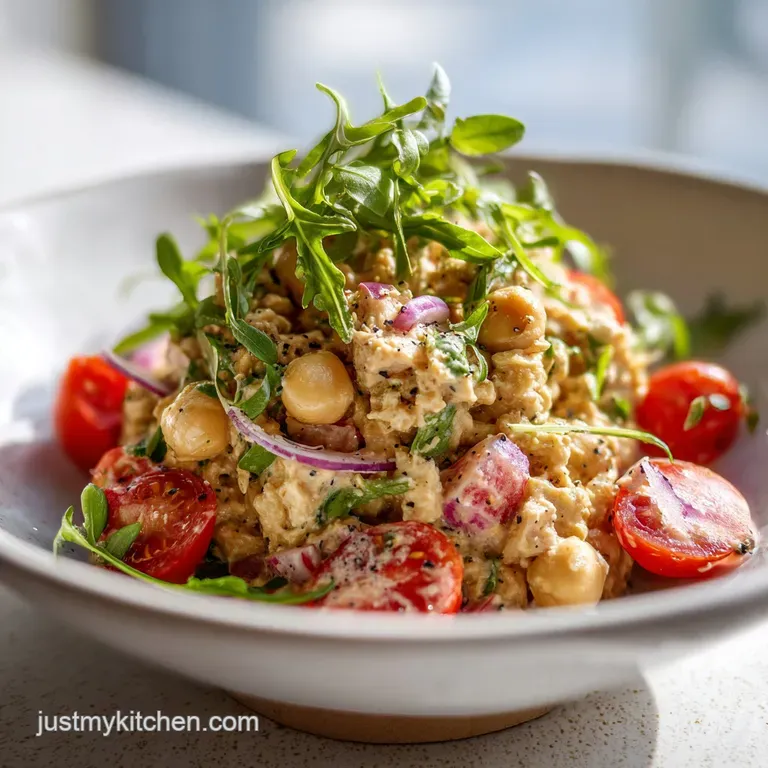
Sometimes you want that classic raw crunch, and sometimes you want something with more "maillard" depth. While this is traditionally a cold salad, I’ve found that a quick "street food" twist can elevate it.
| Method | Time | Texture | Best For |
|---|---|---|---|
| Traditional Raw | 10 minutes | Crisp and Refreshing | Sandwiches and Wraps |
| Pan Seared | 15 minutes | Toasty and Warm | Grain Bowls or "Tuna" Melts |
If you go the pan seared route, toss the mashed chickpeas in a skillet with a touch of oil for 5 minutes before adding the mayo and fresh herbs. This creates a "fusion" style warm salad that is incredible on sourdough.
Decision Shortcut
- If you want Maximum Crunch, add 2 tbsp of toasted sunflower seeds.
- If you want Extra Creaminess, swap 2 tbsp of mayo for ripe, mashed avocado.
- If you want Spicy Fusion, add 1 tsp of sriracha or finely minced jalapeño.
Scaling for the Week Ahead
Downscaling (1-2 servings): Use a single can of chickpeas. Since you can't easily use "half an egg" in vegan mayo, just measure out 1/4 cup. Be careful with the salt; it's easy to over season small batches.
Upscaling (8-10 servings): When doubling or tripling, do not double the red onion. Onion flavor intensifies as it sits, and a 4 can batch with a whole cup of red onion will become aggressive. Stick to 1.5x the onion and scale everything else normally.
Work in a large bowl to ensure the dulse flakes are evenly distributed.
Debunking Plant Based Myths
"Chickpeas can't provide enough protein." Actually, this recipe clocks in at over 17g of protein per serving. When paired with a whole grain wrap or some high protein greens, it’s a powerhouse lunch that keeps you fueled through a hectic urban afternoon.
"You need fish oil for that 'tuna' taste." False. The "fishy" flavor we associate with tuna often comes from the algae the fish eat. By using dulse or nori, we're going straight to the source. It’s a cleaner, more vibrant way to get that savory oceanic hit.
Longevity and Zero Waste
Storage: Keep your Chickpea Tuna Salad Vegan Substitute in an airtight glass container in the fridge for up to 4 days. I actually think it tastes best on day 2 when the caper brine has fully penetrated the chickpeas.
Freezing: Honestly, don't do it. The vegan mayo will split, and the celery will lose its structural integrity, turning into a soggy mess upon thawing. This is a "fresh is best" situation.
Zero Waste Tip: Don't toss that aquafaba (the liquid from the chickpea can)! You can whip it into a vegan chocolate mousse or use it as a binder for veggie burgers.
Also, if you have leftover dill stems, throw them into a jar of pickles or use them to infuse vinegar for a bright salad dressing later in the week.
Creative Serving Architecture
This Chickpea Tuna Salad Vegan Substitute is a total chameleon. For a modern, urban vibe, serve it inside a hollowed out bell pepper or scooped into radicchio cups for a bitter, crunchy contrast.
If you're going for comfort, nothing beats a "Tuna" Melt slap this on some thick rye bread with a slice of vegan provolone and grill it until the bread is shatter crisp and the filling is warm.
It also works brilliantly as a "fusion" tostada topping. Spread a thick layer on a crispy corn tortilla, top with pickled radishes and a drizzle of lime infused crema. The contrast between the creamy chickpeas and the snap of the tostada is what street food dreams are made of.
Whatever you do, don't just eat it out of the bowl give it the vessel it deserves!
HIGH in Sodium
810 mg mg of sodium per serving (35% % of daily value)
The American Heart Association recommends limiting sodium intake to about 2,300mg per day for overall cardiovascular health.
Sodium Reduction Tips for Your Chickpea Salad
-
Low-Sodium Chickpeas-20%
Opt for no-salt added or low-sodium canned chickpeas. Rinsing them thoroughly can also help reduce the sodium content by up to 20%.
-
Reduce Added Salt-25%
Cut back or eliminate the 0.5 tsp of sea salt. Taste the salad before adding any additional salt; you may find it's flavorful enough without it.
-
Capers Alternative-15%
Capers are naturally high in sodium. Try using finely chopped green olives (low sodium type) or a touch of lemon zest for a similar briny flavor, but with less sodium.
-
Low Sodium Mayo-10%
Choose vegan mayonnaise with a lower sodium content, and use it sparingly. You can also thin it with a bit more lemon juice or vegan yogurt to reduce the amount needed.
-
Dulse Considerations-10%
Be mindful of the sodium in dulse flakes. If possible, substitute with a smaller amount of nori or omit entirely, adjusting other flavors to compensate.
-
Lemon Power!
Increase the amount of lemon zest and juice. The acidity enhances the flavor and reduces the need for salt.
-
Spice It Up
Enhance the flavors with fresh herbs and spices like garlic powder, onion powder, paprika, or even a pinch of red pepper flakes to boost the taste without adding sodium.
Recipe FAQs
What makes this chickpea salad taste like tuna?
Dulse flakes and capers are the secret. Dulse provides an oceanic umami flavor, while capers add a briny, fermented punch that mimics the saltiness found in fish.
How do I achieve a flaky texture instead of mushy?
Mash chickpeas partially, don't over process. Aim to crush about 70% of the chickpeas, leaving some whole for textural contrast; this creates flakes rather than a paste.
Can I use dried dill instead of fresh?
No, stick with fresh dill. Dried dill lacks the vibrant flavor and aroma needed to achieve that fresh deli taste; it can taste dusty in this context.
How long can I store this chickpea tuna salad?
Up to 4 days in an airtight container. It actually tastes best on day 2, as the caper brine has more time to meld with the chickpeas.
Is it true that I need to pat the chickpeas dry after rinsing?
Yes, this is important for texture. Patting the chickpeas dry removes excess water that would otherwise dilute the dressing and make the salad watery.
How can I make this salad spicier?
Add sriracha or minced jalapeño. Stir in about 1 teaspoon of sriracha or a finely minced small jalapeño pepper for a fusion of heat.
What’s the best way to incorporate dulse flakes?
Rub them between your fingers. This helps to break them down and release their aromatic oils, ensuring they distribute evenly and infuse the salad with flavor.
Chickpea Tuna Salad Vegan

Ingredients:
Instructions:
Nutrition Facts:
| Calories | 488 kcal |
|---|---|
| Protein | 17.6 g |
| Fat | 25.2 g |
| Carbs | 56.4 g |
| Fiber | 14.8 g |
| Sugar | 8.2 g |
| Sodium | 810 mg |
