Chickpea Beet and Feta Salad
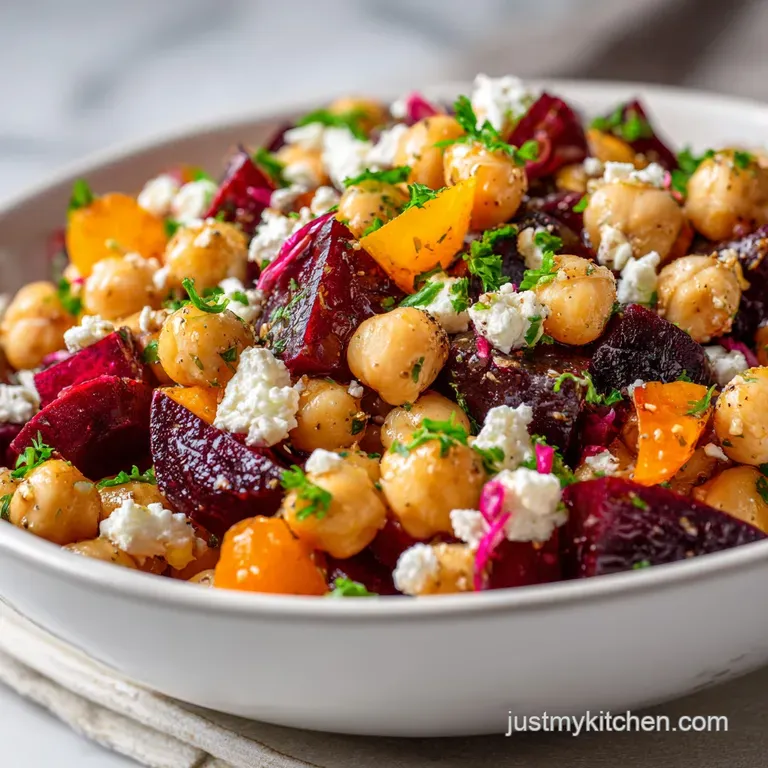
- Time:15 minutes active + 0 minutes cooking = Total 15 minutes
- Flavor/Texture Hook: Zesty, earthy, and velvety
- Perfect for: Fast urban lunches or meal prep enthusiasts
Why This Recipe Works
Acid Softening: Macerating the red onions in lemon juice for 5 minutes breaks down the harsh sulfur compounds, transforming them from "onion breath" culprits into sweet, tangy garnishes.
Lipid Shielding: Tossing the chickpeas in the oil based dressing first creates a protective hydrophobic layer that prevents the beet juice from immediately staining everything pink.
Aromatic Infusion: Grating the garlic into a paste rather than mincing it allows the cellular walls to break down completely, releasing more allicin for a bolder, more integrated flavor profile.
Tannin Balancing: The high fat content in the feta cheese binds with the earthy tannins in the beets, rounding out the flavor and removing any "dirt like" aftertaste.
| Prep Method | Time | Texture Result | Best Use Case |
|---|---|---|---|
| Freshly Diced | 15 minutes | Firm and crisp | Immediate serving |
| Macerated Prep | 20 minutes | Soft and integrated | Meal prep/Lunches |
| Roasted Option | 45 minutes | Sweet and caramelized | Special dinners |
The difference between a "good" salad and a "legendary" one often comes down to the quality of your fats. Using a high-quality extra virgin olive oil isn't just a suggestion; it's the vehicle that carries the oregano and black pepper into the crevices of the chickpeas. If you're looking for another way to use these Mediterranean staples, you should definitely check out my Greek Quinoa Salad recipe, which uses a similar acidic base to keep things bright and modern.
| Component | Science Role | Pro Secret |
|---|---|---|
| Lemon Juice | Denatures proteins | Use room temp lemons for 20% more juice yield. |
| Garlic Paste | Emulsifier | Grate into the acid first to mellow the "bite." |
| Feta Cheese | Ionic salt source | Buy in brine to maintain a velvety, non gritty texture. |
Essential Specs for Quick Prep
When you’re looking at the lineup for this chickpea beet and feta salad, the ingredients are the stars. Each one serves a specific structural purpose. We aren't just tossing things in a bowl; we are building layers of flavor that hit different parts of your palate at different times.
- 1 can (15 oz) chickpeas: These are your protein engine. Why this? Canned chickpeas provide a consistent, creamy texture that stands up to the heavy beets.
- 2 cups cooked beets: The earthy core of the dish. Why this? Pre cooked beets save 45 minutes of roasting time without sacrificing the essential vibrant color.
- 0.5 cup feta cheese: The creamy, salty counterpoint. Why this? Feta provides the necessary fat to balance the high acidity of the lemon dressing.
- 0.25 small red onion: For sharp, architectural crunch. Why this? Shaving them thin ensures they macerate quickly and don't overwhelm the other delicate flavors.
- 0.5 cup fresh flat leaf parsley: The hit of "green" freshness. Why this? Parsley acts as a palate cleanser between the rich feta and earthy beet bites.
- 3 tbsp extra virgin olive oil: The emulsifying fat. Why this? A peppery oil complements the dried oregano and black pepper perfectly.
- 2 tbsp lemon juice: The bright, high note acid. Why this? Fresh juice is non negotiable for the maceration process; bottled juice tastes flat and metallic.
- 1 small clove garlic: The aromatic backbone. Why this? Grating it into a paste ensures you don't bite into a raw, spicy chunk of garlic.
- 0.5 tsp dried oregano: The herbal depth. Why this? Dried oregano has a more concentrated, savory profile that pairs better with chickpeas than fresh.
- 0.5 tsp sea salt: The flavor enhancer. Why this? Flaky sea salt draws moisture out of the beets, making their flavor even more intense.
- 0.25 tsp freshly cracked black pepper: The subtle heat. Why this? Pre ground pepper loses its volatile oils; freshly cracked adds a floral, spicy punch.
| Original Ingredient | Substitute | Why It Works |
|---|---|---|
| Feta Cheese | Goat Cheese | Similar tang, but much creamier. Note: Will "smear" more than feta. |
| Lemon Juice | Red Wine Vinegar | Offers a deeper, fruitier acidity. Best for a more "rustic" vibe. |
| Chickpeas | White Cannellini Beans | Softer texture, but holds the dressing just as well for a fusion feel. |
Gear for the Urban Kitchen
You don't need a professional grade setup to make this, but a few specific tools will make the process feel like a breeze rather than a chore. First off, a Microplane or fine grater is your best friend. Using it for the garlic ensures that the flavor is distributed evenly throughout the lemon juice.
If you try to mince it with a knife, you’ll never get that smooth, emulsified finish that makes the dressing feel "restaurant quality."
A large glass mixing bowl is also key. Why glass? Because beets are notorious for staining plastic. If you use your favorite white plastic bowl, it might end up with a permanent pink tint. Also, a sharp mandoline is a game changer for those red onions. You want them "shaved," not just sliced.
We’re looking for half moons so thin they’re almost translucent. This allows the lemon juice to penetrate the fibers in record time, turning them into a bright pink, pickled style garnish in under 5 minutes.
Chef Tip: If you don't have a citrus press, roll your lemon firmly on the counter for 10 seconds before cutting. This breaks the internal membranes and lets the juice flow freely with almost zero effort.
step-by-step Vibrant Salad Construction
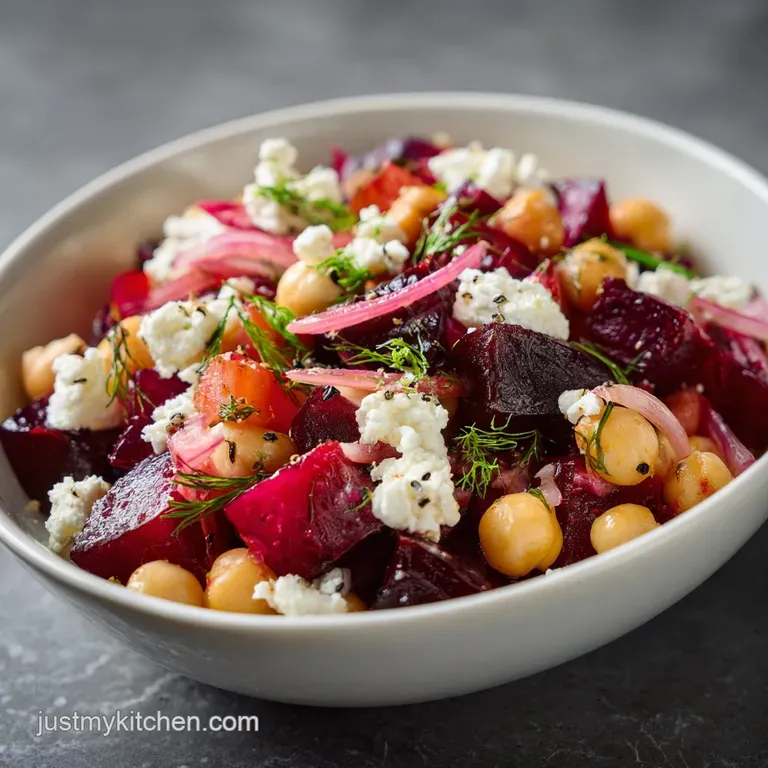
1. Macerate the Aromatics
In your large glass bowl, combine the 2 tbsp of lemon juice, the grated garlic paste, and the shaved red onions. Let this sit for exactly 5 minutes. Wait for the aroma to change—the sharp, stinging scent of raw onion will transform into something much milder and more floral as the acid goes to work.
2. Emulsify the Vinaigrette
Whisk in the 3 tbsp of extra virgin olive oil, 0.5 tsp dried oregano, 0.5 tsp sea salt, and 0.25 tsp black pepper. Whisk vigorously until the liquid looks opaque and slightly thickened. This emulsion is what ensures every bite has a consistent hit of flavor.
3. The Protective Coating
Add the 15 oz of drained chickpeas and the 0.5 cup of chopped parsley to the bowl. Toss them thoroughly. Notice the sheen on the chickpeas; this oil coating is your secret weapon. It acts as a barrier, preventing the beet juice from soaking into the legumes.
4. The Final Fold
Gently add the 2 cups of diced beets and 0.5 cup of crumbled feta. Use a silicone spatula to fold them in with just two or three rotations. Stop the moment you see the first streak of pink. We want a mosaic, not a monochromatic bowl of magenta.
Serve this immediately to keep the colors sharp and the textures distinct.
Pro Moves and Common Pitfalls
The biggest mistake I see people make with any beet and feta salad is over handling the ingredients. Beets are the "divas" of the produce world; they want to make everything about them. If you toss the salad like you’re mixing a Caesar, the feta will absorb the beet juice and turn into a grainy, pink paste.
You want those white chunks of feta to pop against the deep red of the beets. It’s all about the "gentle fold." Think of it like folding egg whites into a cake batter minimal movement for maximum impact.
Another pitfall is using "wet" chickpeas. If you don't drain and rinse them thoroughly, the starchy liquid from the can (aquafaba) will thin out your dressing and make it watery. I like to pat my chickpeas dry with a clean kitchen towel after rinsing.
This ensures the lemon garlic vinaigrette clings to the surface like a second skin rather than sliding off into a pool at the bottom of the bowl.
Why Your Salad Is Watery
If your salad looks more like a soup after ten minutes, it's usually a moisture management issue. Beets, even when pre cooked, hold a lot of liquid.
| Problem | Root Cause | Solution |
|---|---|---|
| Watery Base | Wet chickpeas or beets | Pat all canned and cooked items dry with a paper towel. |
| Dull Flavor | Not enough salt/acid | Taste a chickpea; if it’s "flat," add a pinch more salt. |
| Gray Onions | Too much garlic | Balance with more lemon juice to brighten the color. |
Common Mistakes Checklist
- ✓ Always rinse chickpeas until the water runs clear to remove the "canned" metallic taste.
- ✓ Macerate onions for at least 5 minutes; skipping this makes the onion flavor too aggressive.
- ✓ Add the feta at the very last second to preserve its bright white color and structural integrity.
- ✓ Use flat leaf parsley instead of curly; curly parsley can feel "prickly" and holds too much water.
Creative Fusion Variation Ideas
If you’re looking to take this into a "street food" direction, try adding a sprinkle of Za'atar or Sumac on top. These Middle Eastern spices add a floral, tart dimension that plays incredibly well with the feta. For a high protein boost that feels like a full meal, you could even add some shredded rotisserie chicken or serve it alongside my Chickpea Tuna Salad vegan for a double bean powerhouse lunch.
For a Hearty Winter Twist
If you want something more substantial, swap the parsley for baby kale or arugula. The bitterness of the greens balances the sweetness of the beets. You can also roast the chickpeas at 400°F (200°C) for 20 minutes before adding them to the salad.
This adds a "shatter" level of crunch that makes the whole dish feel much more decadent.
Decision Shortcut
- If you want a sweeter vibe: Add 1 tbsp of honey to the vinaigrette.
- If you want more crunch: Top with 0.25 cup of toasted walnuts or pumpkin seeds.
- If you want it spicier: Add a pinch of red chili flakes to the macerating onions.
Keeping It Fresh and Sharp
This salad is a rare beast because it actually tastes better after sitting for 30 minutes, but it has a "sweet spot" before the colors start to bleed. If you're meal prepping, keep the beets in a separate small container.
You can mix the chickpeas, dressing, onions, and parsley ahead of time in fact, the chickpeas will absorb the dressing and become even more flavorful. Just fold the beets and feta in right before you head out the door or sit down to eat.
In the fridge, the fully assembled salad will stay safe to eat for up to 3 days, but be warned: it will be entirely pink by day two. It still tastes great, but the "vibrant" visual appeal will be gone. As for zero waste, don't throw away the beet liquid if you bought them jarred!
You can use a splash of it to dye pickled onions a brilliant violet, or add it to a smoothie for an earthy nutrient boost.
Ultimate Street Food Pairing Guide
This salad is a total chameleon. If you're going for a Mediterranean platter vibe, serve it with warm pita bread and a big dollop of hummus. The creaminess of the hummus against the sharp lemon in the salad is a match made in heaven.
It’s also the perfect partner for grilled skewers think lemon herb chicken or even grilled halloumi if you want to double down on the cheese (and honestly, who doesn't?).
For a light summer lunch, I love serving this in a big bowl with a side of chilled cucumber slices. The cooling effect of the cucumber contrasts the bold, spicy garlic in the dressing. Because this dish is so high in fiber and protein, you don't need much else to feel satisfied.
It’s vibrant, it’s modern, and it’s a total flavor bomb that proves you don't need a stove to make a world class meal. Trust me on this: once you try the lemon macerated onion trick, you'll never go back to raw onions in a salad again. It's a total game changer for your urban kitchen repertoire.
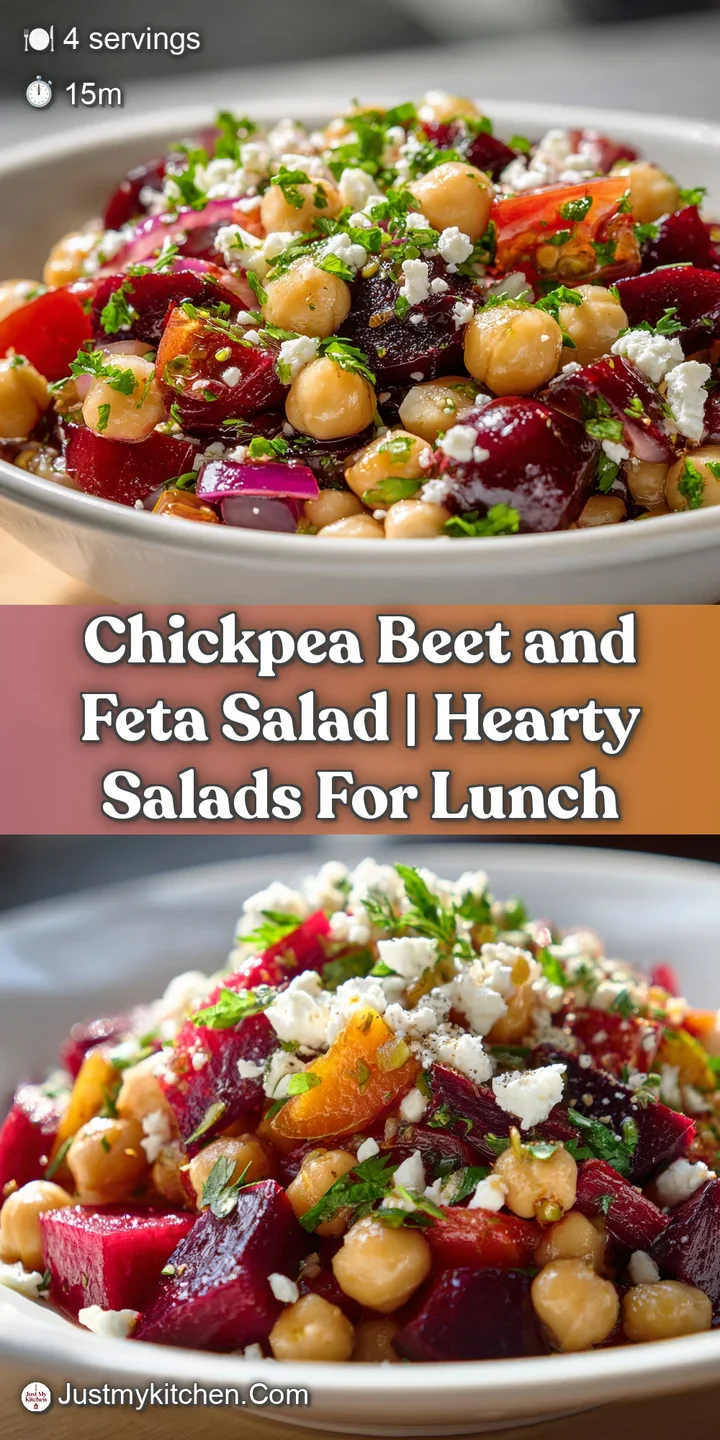
Recipe FAQs
How to keep the salad from turning completely pink?
Coat the chickpeas in the dressing first, then fold in the beets last. By creating an oil-based barrier around the chickpeas and herbs, you significantly reduce the amount of beet juice that bleeds into the rest of the salad.
Is it true I can skip macerating the red onions?
No, this is a common misconception. Allowing the onions to sit in the lemon juice for five minutes is essential for mellowing their sharp bite and ensuring the dressing has a balanced, integrated flavor.
How to achieve a stable, professional style dressing?
Whisk the extra virgin olive oil vigorously into the lemon juice and aromatics until the mixture thickens. If you enjoyed nailing this stable emulsion technique, the same whisking principle applies to creating perfectly bound dressings in other raw vegetable salads.
Can I use curly parsley instead of flat leaf?
No, stick with flat leaf parsley. Curly parsley has a tougher, more fibrous texture that can feel prickly and tends to hold onto excess water, which negatively affects the salad's consistency.
How to remove the metallic taste from canned chickpeas?
Rinse the chickpeas under cold water until the runoff is perfectly clear. This removes the starchy canning liquid and residual sodium that often carries a metallic flavor.
How to ensure the feta stays white and clean?
Add the crumbled feta during the final step of assembly and mix only once. Folding the cheese in too early or too aggressively will cause the beet juice to stain the crumbles, ruining the visual contrast of the dish.
Should I store the leftovers for the next day?
No, this salad is best served immediately. Because the beets and salt will draw moisture out of the other vegetables over time, the texture will lose its freshness and the colors will bleed if stored for too long.
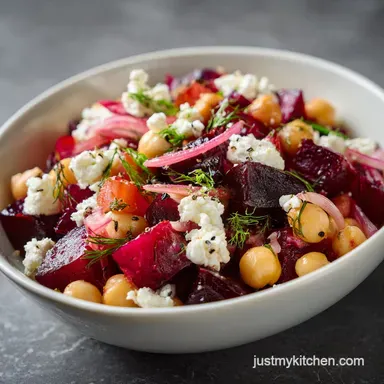
Chickpea Beet Feta Salad
Ingredients:
Instructions:
Nutrition Facts:
| Calories | 281 kcal |
|---|---|
| Protein | 9.3 g |
| Fat | 15.8 g |
| Carbs | 26.4 g |
| Fiber | 6.2 g |
| Sugar | 6.4 g |
| Sodium | 538 mg |
